
This blog examines HPV care through a dual lens: clinical screening alongside herbal, dietary, and immune-based complementary approaches.
 Hailey Allen
This blog examines HPV care through a dual lens: clinical screening alongside herbal, dietary, and immune-based complementary approaches.
Examining the relationship between pre-colonial food systems, metabolic health, and resilience.
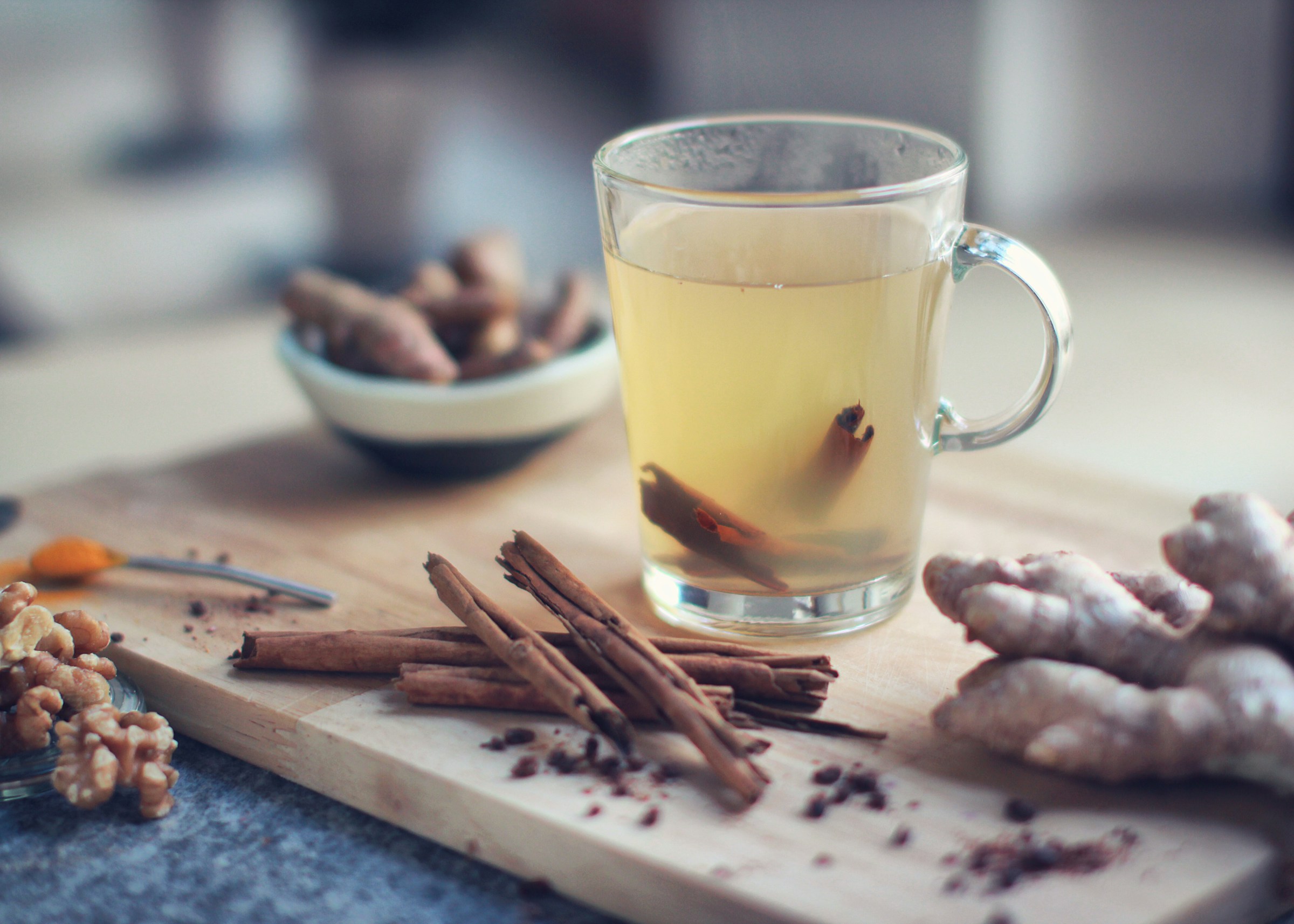
At the meeting point of ancestral healing systems and modern naturopathic insight, Polarity Tea draws on centuries of traditional medicine to transform four humble botanicals into a restorative infusion of balance and vitality.
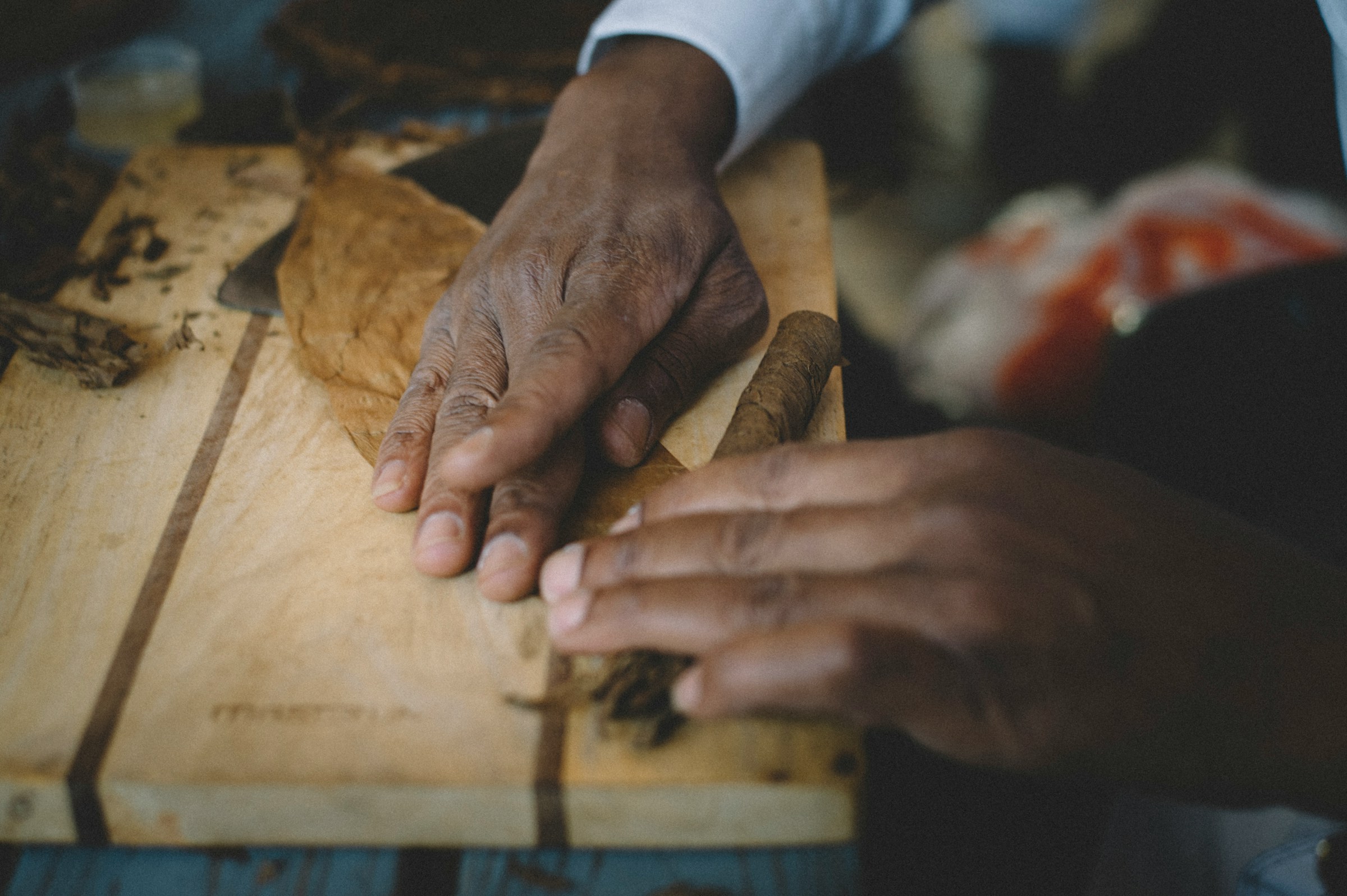
Commercial Tobacco was designed to exploit vulnerabilities caused by colonial disruption, but Indigenous-led initiatives are reclaiming Tobacco as a sacred medicine and separating it from nicotine addiction. Culturally grounded cessation programs support healing through traditional knowledge, spiritual guidance, and community engagement.
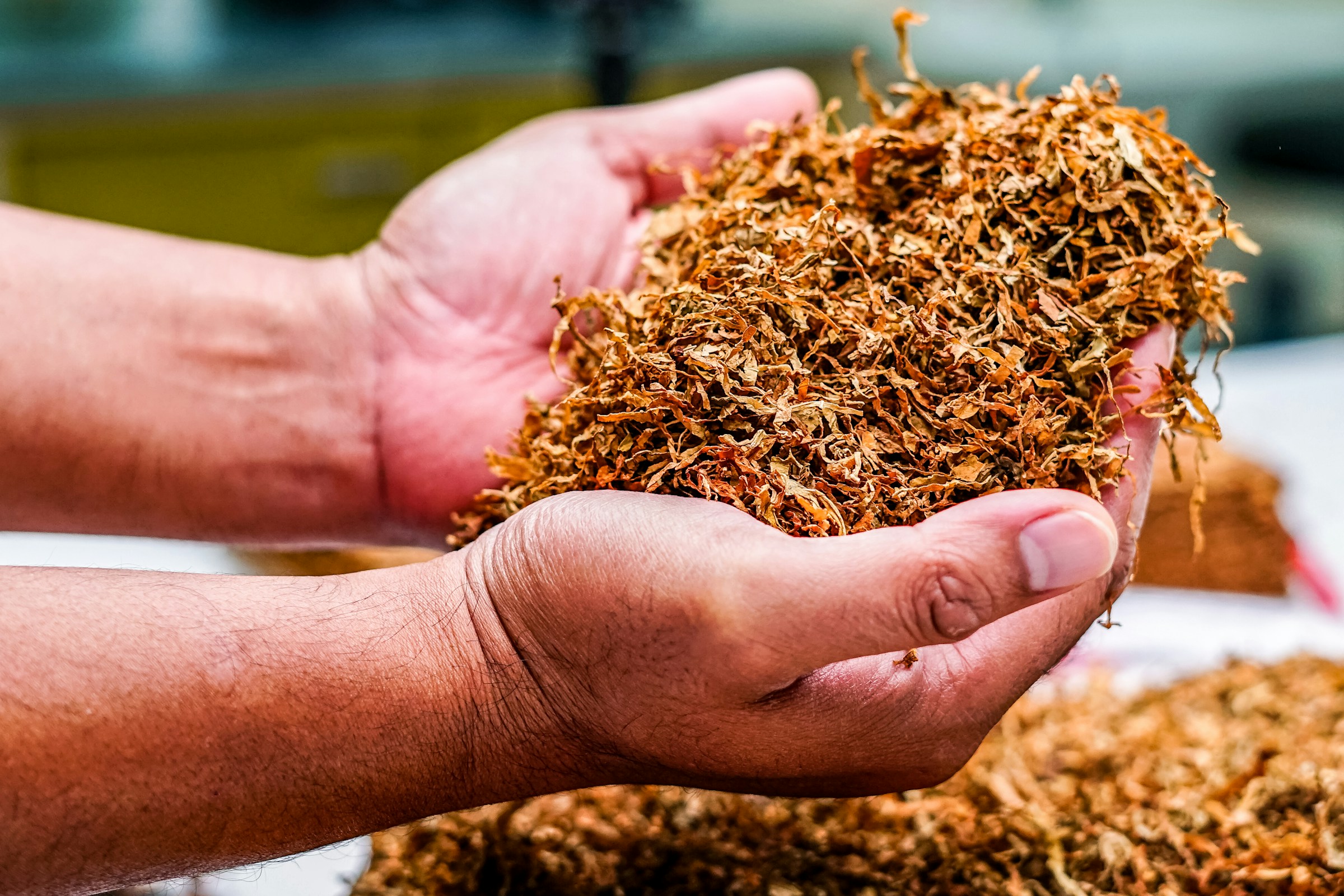
Part 2 of a three-part series on sacred tobacco explores ancestral teachings, traditional stories, and the plant’s ceremonial uses. Discover how tobacco functions as a healer and relative in Indigenous communities. This piece offers insights into cultural and spiritual reclamation and sets the stage for Part 3, which examines the reclamation programs and recovery from addiction.
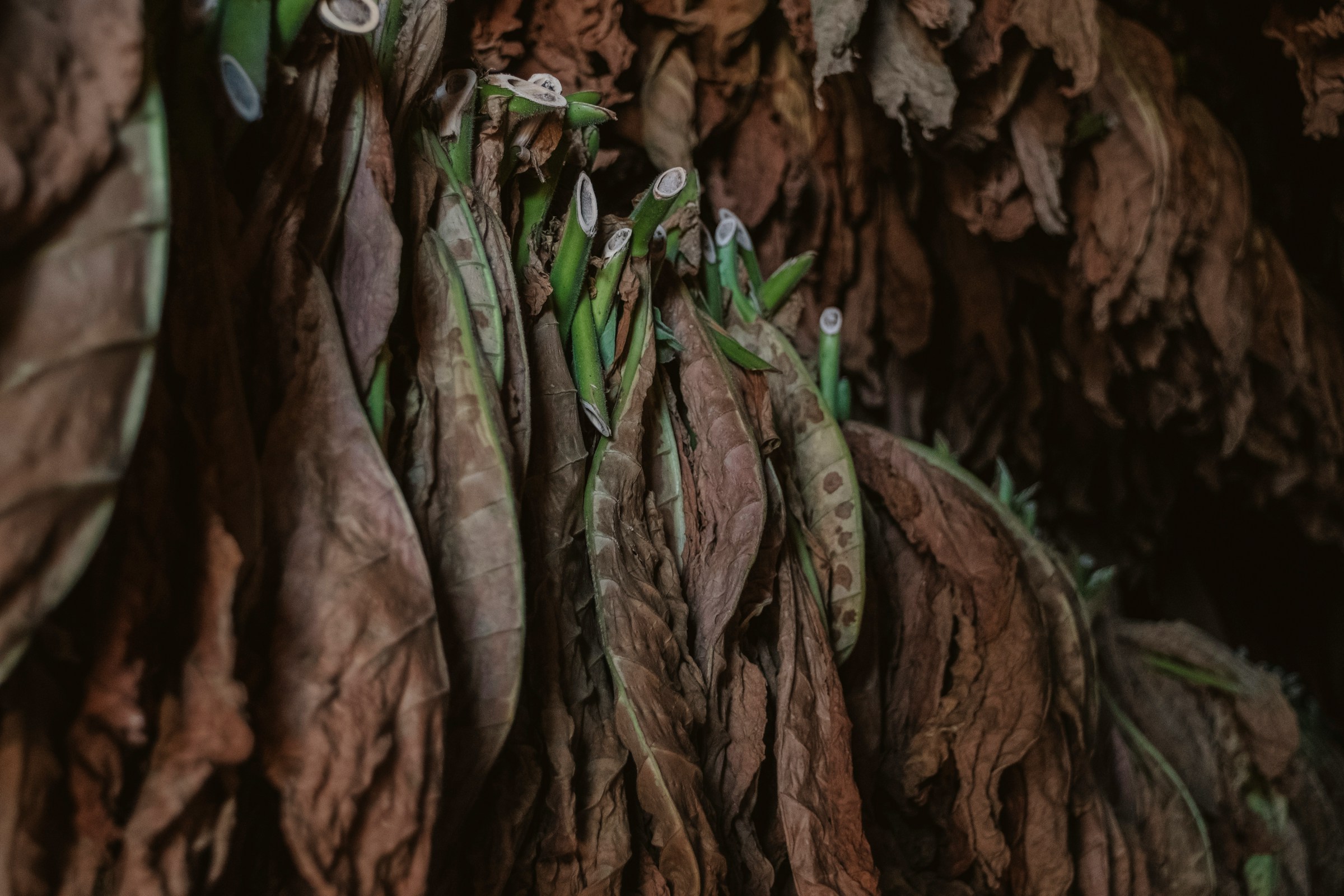
Part one of a three-part series exploring sacred tobacco in Indigenous communities: uncover how colonial extractivism and Big Tobacco’s commercialization distorted its sacred role, setting the stage for cultural and spiritual reclamation through ancestral teachings in the following posts.

Discover how ancient healing rituals activate measurable biological changes. Explore the science behind Indigenous practices, symbolic rituals, and holistic healing.
Anxiety is often treated through suppression rather than regulation. This article explores how restoring the body’s ultradian rhythms, the natural 90 to 120 minute cycles of activity and rest, can support nervous system balance, reduce anxiety, and promote healing through non-pharmacological, rhythm-based approaches grounded in physiology, Indigenous wellness frameworks, and breath-centered practices.
Discover a natural approach to menstrual cramp relief with this holistic guide adapted from Dr. Leslie Korn’s Natural Women, using herbs, nutrients, and hands-on treatments to ease dysmenorrhea and support your cycle naturally.


© 1994-2026 Center for World Indigenous Studies
The Center for World Indigenous Studies is a Nonprofit 501 (c) 3 research and education organization
Our mailing address is: PMB 214, 1001 Cooper Pt. Rd. SW #140
Olympia, WA., 98502-1107 USA