

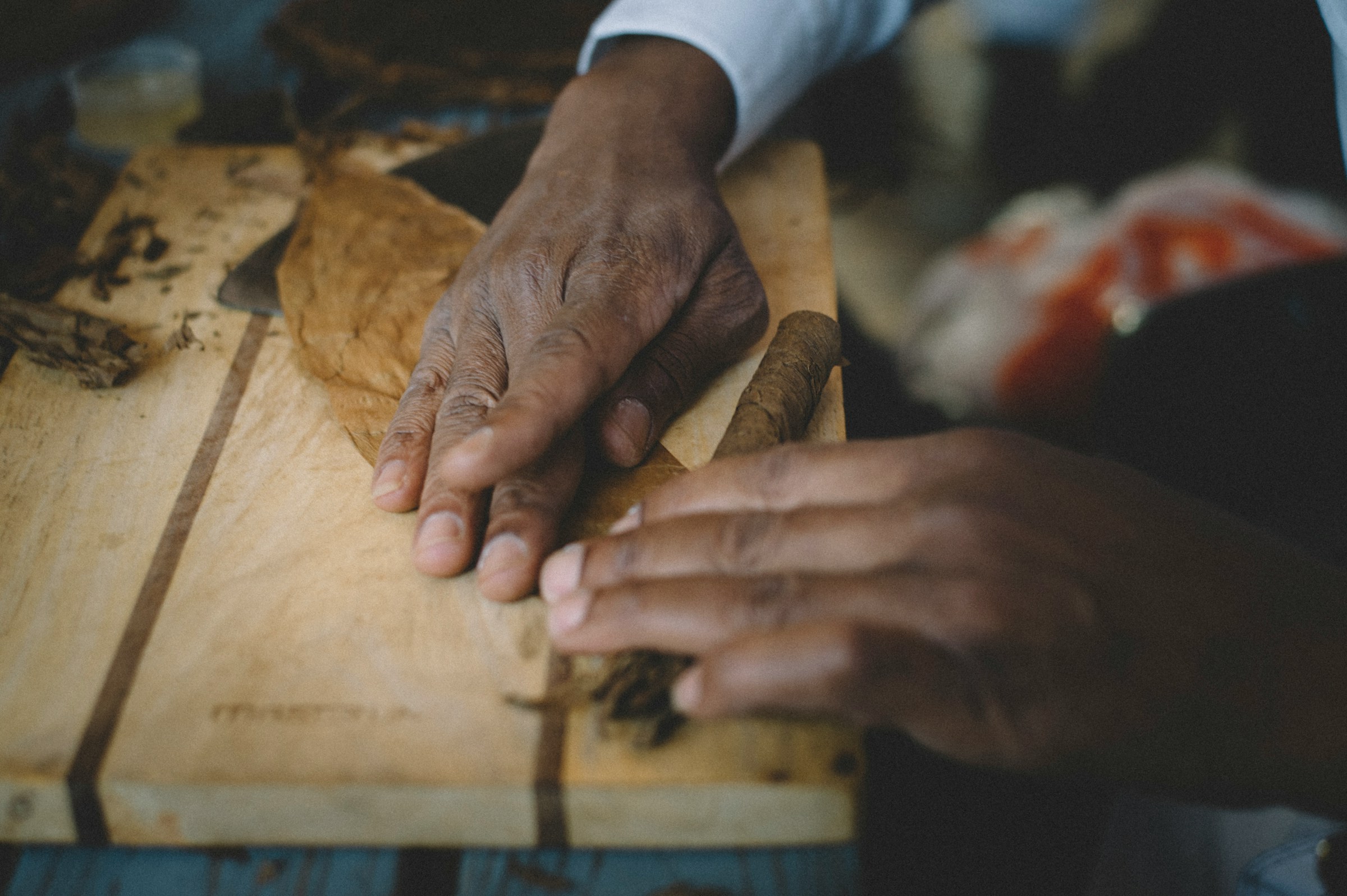
Commercial Tobacco did not simply replace traditional practices—it was engineered to exploit vulnerability created by colonial disruption. In this second part, the focus shifts from meaning to mechanism: how industrial Tobacco, biomedical risk, and targeted marketing produced disproportionate harm, and how Indigenous-led health initiatives are reclaiming Tobacco outside colonial public health narratives.
Commercial Tobacco and the Political Economy of Harm
Historical challenges have compounded these impacts, and ongoing harms related to tobacco use are further shaped by colonial disruptions caused by harmful assimilation policies, cultural erasure through forced relocation and boarding schools, and the prohibition of ceremonial tobacco use.The result is a cultural severance from traditional Tobacco practices, including growing, gathering, and using sacred species that are distinct from the harmful counterpart of commercial tobacco. This severance forced the adoption of an addictive, manufactured substance and functioned as a tool of coercive domination, mirroring other systemic colonial processes that sought to assimilate Indigenous peoples into Western norms of “civilization,” while producing the health disparities that persist today.
Regional examples of this in the Americas include the PNW: Coast Salish, Haida, and Interior Salish, and South Carolina, with legal restrictions impacting Indigenous communities (Tarsia, 2025), but this harm was widespread throughout the Americas. The PNW tribes demonstrated resilience and agency as they adapted to the colonial Tobacco, using it for trade, ceremonies, and hybrid practices. They resisted dependency while still cultivating native Tobacco. Although the fur trade set the stage for later settler colonial expansion, resulting in the accelerated loss of native species along with traditional knowledge (Tarsia, 2025).
Commercial Tobacco exists within this harmful ecosystem as it evolves from sacred medicine to commodity, demonstrating the health crises resulting from cultural disruption and corporate exploitation. Tobacco industries have not only severed Tobacco from its cultural meaning, but have also distorted the imagery and symbolism of Indigenous cultures. This veil of “traditional” or “natural” products falsely presents commercial cigarettes as culturally grounded, misappropriating sacred significance for commercial and exploitative purposes. In doing so, the industry confuses and obscures the harmful effects of commercial Tobacco, contributing to a health burden disproportionately represented in Indigenous communities today.
Nicotiana Species Diversity, Industrial Hybrids, and Biomedical Risk
There are over 70 species in the Nicotiana genus, most of which are indigenous to the Americas. There was a wide Indigenous ecological range with historical origins in present-day Florida, New Mexico, the Northeast, Southern Ontario, and Minnesota. N. tabacum survived as a species in part because of the stewardship of Indigenous populations, with a long relationship with this species. Many other species have been traditionally grown, including N. bigelovii (Indian Tobacco), N. alata, N. sylvestris, and N. longiflora. Each species differs in its potency and ceremonial use.
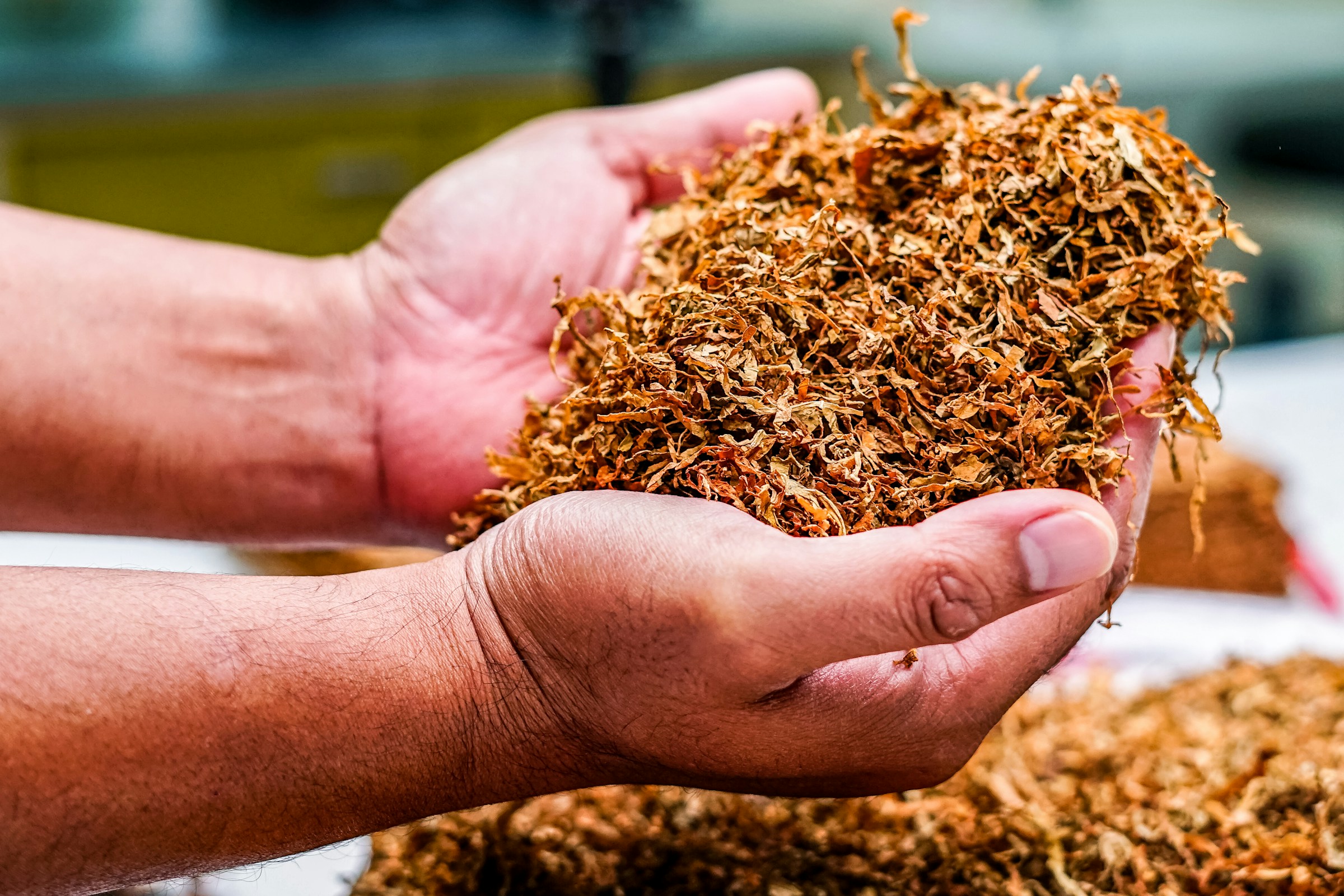
Another prominent species, Nicotiana tabacum, originated in South America, and a hybrid of this served as the foundation for the Tobacco used globally in the industrial production of cigarettes. Commercial Tobacco, in contrast, was cultivated as a hybrid of Nicotiana tabacum and contains 70+ cancer-causing chemicals and lower nicotine levels (Mohd, 2025). This widely available hybrid contributes to cancer, heart disease, diabetes, and high addiction rates. This misuse disconnects from traditional sacred practices.
Traditional Tobacco, such as Nicotiana rustica (Aztec Tobacco), was grown in the wild and used in rituals, offerings, and ceremonies, including smudging, green corn ceremonies, and binding agreements. This type contained high levels of nicotine, but people did not inhale it for recreational purposes; instead, they used it to support spiritual, physical, and community health.
Disrupting Colonial Public Health Narratives: Tobacco Beyond Nicotine
Traditional Tobacco remains a sacred foundation in Indigenous communities today. Still, as we can see, with Big Tobacco using targeted marketing, it has caused severe health harms and distorted its meaning. To resist this, Tribes are now reclaiming traditional tobacco practices and creating smoke-free environments through initiatives like Reclaim Sacred Tobacco (RST) (TPT, 2022). These efforts are essential because the message should focus on quitting nicotine, not Tobacco. In addition, these campaigns reinforce and center Tribal sovereignty through community-led solutions that aim to restore cultural practices by reclaiming sacred Tobacco—both as a health strategy and as an assertion of self-determination and resilience.
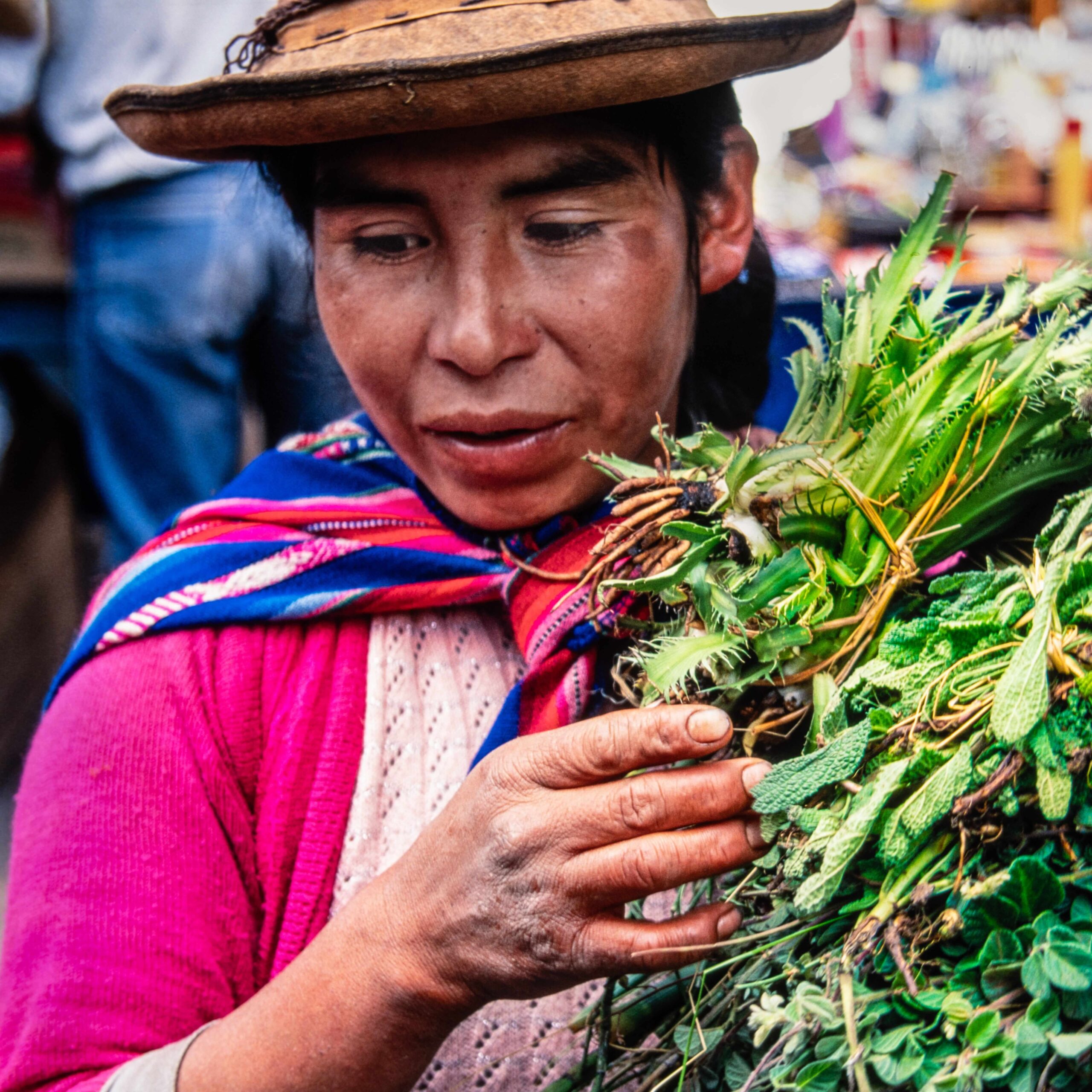
The medicinal properties of Tobacco are sacred and multifunctional, with historical use embedded into Unani medicine and other traditional practices for a wide range of therapeutic purposes. These treatments include addressing respiratory, circulatory, digestive, musculoskeletal, skin, eye, and nervous system issues. Application is through various forms–smoking, chewing, distillation, or as poultices. These traditional practices sharply contrast with the commercialization and toxicity of modern processed Tobacco.
The reclaiming of Tobacco as sacred medicine is crucial for spiritual, mental, and physical wellness. Tobacco is viewed as a divine gift to humans, allowing them to dream as the creator dreamt the universe into creation (Solarat, 2021). In this way, it is considered a key or guide to remembering how to relate to plants and the spirit world. Used across the Americas, it is one of the most widely used medicinal shamanic plants that facilitates connection to the spirit (Solarat, 2021). Through dreams and teachings, people can tune their bodies and minds to subtle messages from the plant through ceremonial respect, intention, and sacred preparation. It helps to connect deeply with spiritual intelligence and to receive guidance. This process is about nurturing a personal relationship with the plant, recognizing it as an ally and teacher. Lessons are interpreted, allowing dreams to reveal patterns, inner challenges, and profound insights into healing. It forms a connection between human and plant consciousness, transcending the confines of language to create a sense of wholeness that guides emotional and spiritual growth (Solarat, 2021).
Culturally Grounded Cessation as Decolonial Health Practice
Culturally tailored cessation programs distinguish sacred Tobacco from commercial products while integrating public health messaging with cultural preservation. Youth engagement is emphasized through art, storytelling, sports, and hands-on ceremonial practices, with regional examples including Minnesota tribal projects, the Pine Hill Health Network, and programs in South Carolina. Smoking cessation campaigns that integrate public health messaging with cultural preservation can support health while maintaining cultural continuity (Sacred Tobacco: Traditional vs. Commercial Use, 2022).
For American Indian/Alaska Native populations, the challenges posed by commercial nicotine use are evident and often compounded by intersecting factors such as intergenerational trauma and PTSD (Korn, 2021). The process of withdrawal from commercial nicotine involves intense physical, emotional, and spiritual suffering, showing the complex entanglement between addiction and historical trauma. These symptoms can be addressed through integrative strategies such as dietary modifications, medicinal herbs, and vitamins. Further complementary therapies include exercise and breathing techniques (Korn, 2021). With the sacred Tobacco and traditional use as a supportive role in the detoxification process, it reinforces holistic recovery methods through spiritual guidance and physical and emotional treatment of withdrawal. This is the reclamation of Tobacco as a culturally-informed recovery approach rooted in traditional support, enabling a more adaptive and resilient approach that challenges the detrimental legacy of commercial tobacco and affirms Indigenous identity.









Leave a Comment