
Blog
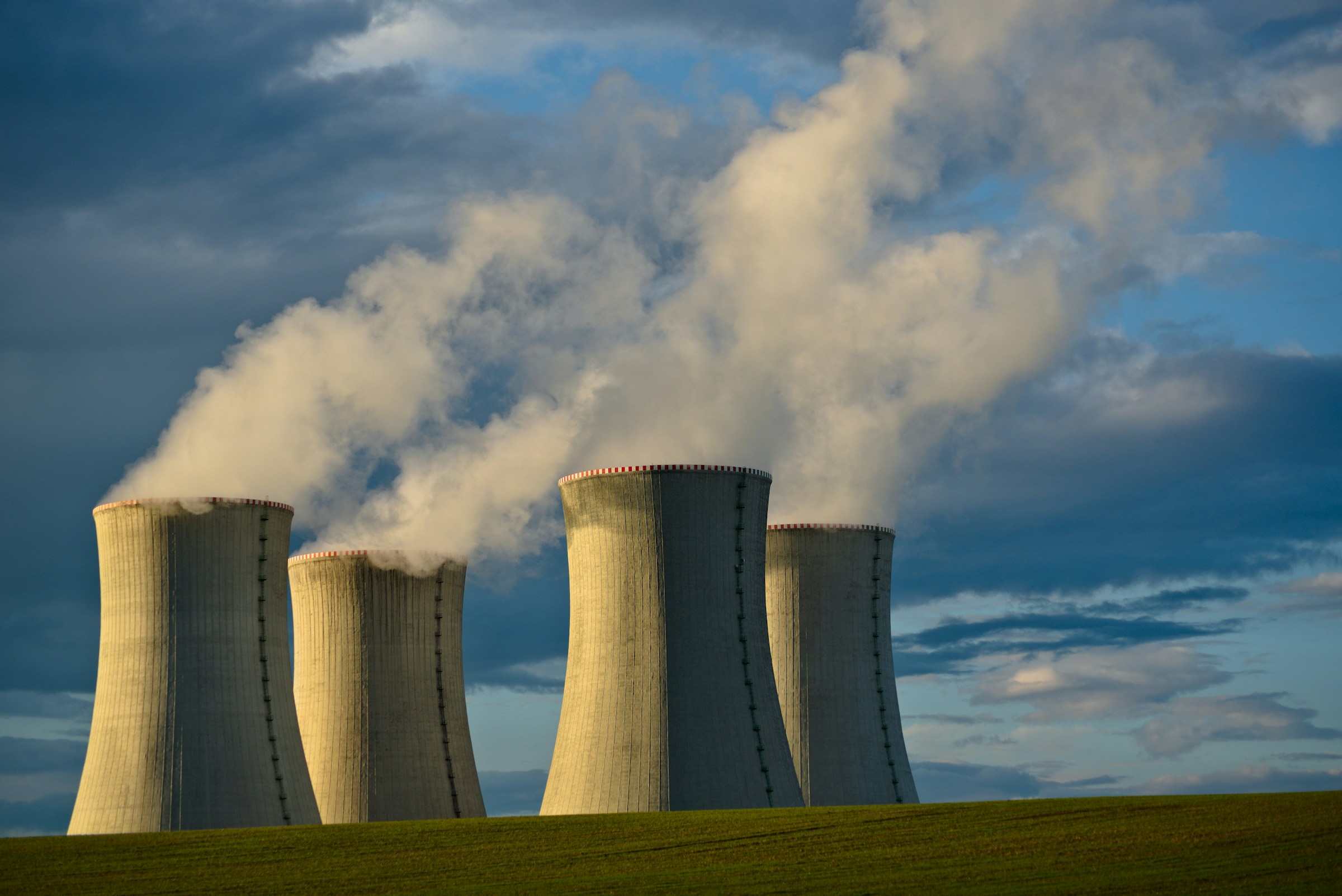
Nuclear Expansion and the Fight to Protect Our Relatives: Hanford Series Part 3
July 23, 2026
Indigenous medicine is layered, symbolic, embodied, and relational, deeply rooted in connection to land and the ecosystem. In Indigenous worldviews, pedagogy unfolds over time, through relationship and responsibility, rather than through the rapid extraction of knowledge.
Read Story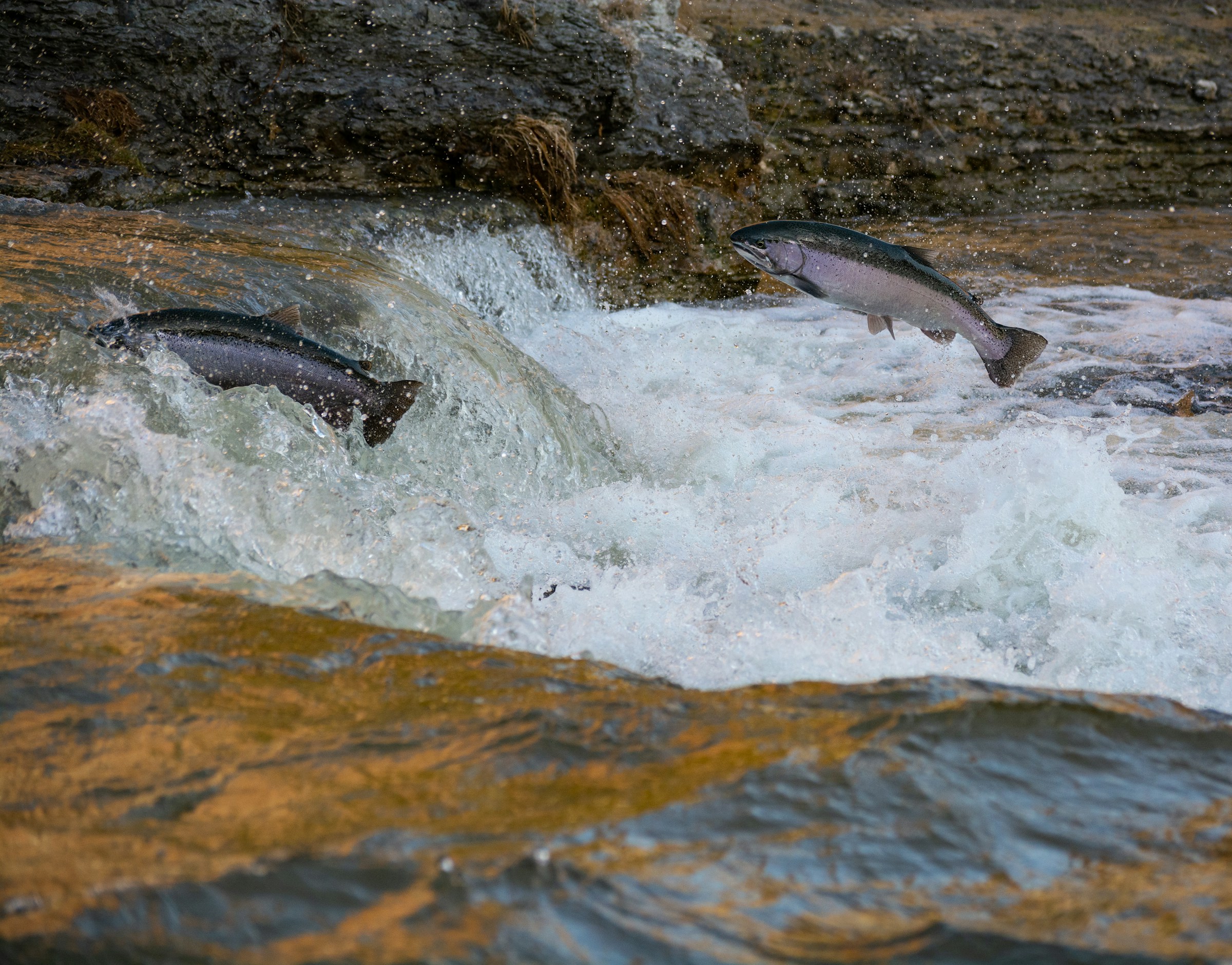
The Land as Sacred Pharmacy: Hanford series Part 2
July 16, 2026
Within Indigenous traditions, dreams are sites of instruction, correction, and foresight; they also serve as a form of surveillance. As regulatory science relies on instruments and sampling, Indigenous methods utilize land-attuned, reciprocal assessment of imbalance across land, water, food, and physiology, enacted through ceremony, kinship, and vision.
Read Story
Nuclear Contamination and Indigenous Health
May 22, 2026
This first installment of the Hanford Series explores the lasting impacts of nuclear contamination on Indigenous health, land-based lifeways, and cultural continuity among the Sahaptin peoples. Through personal reflection, historical context, and Indigenous environmental perspectives, the article examines how contamination moves through water, food, ceremony, and community across the Columbia Plateau.
Read Story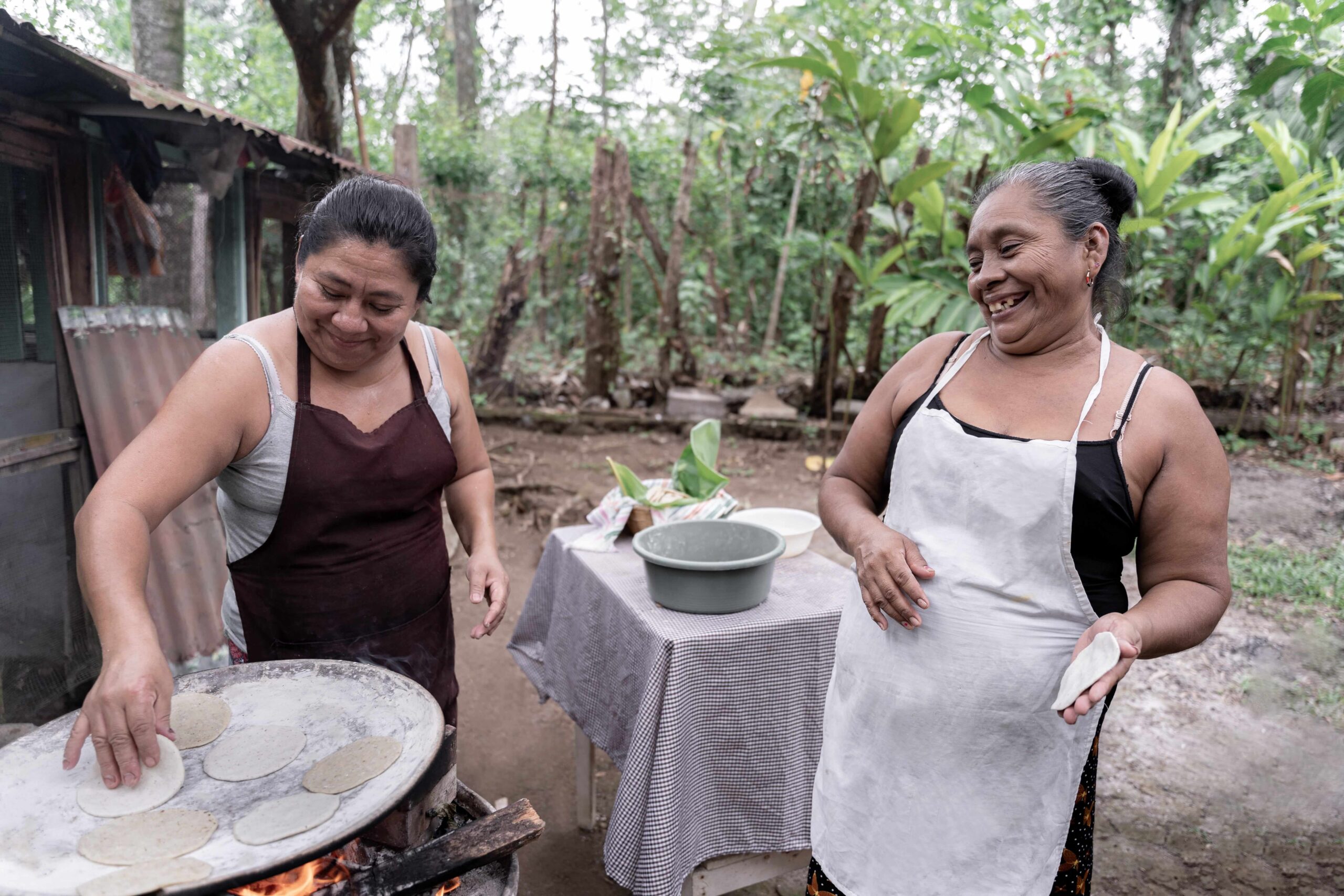
Reclaiming Cultural Diversity as a Pathway to Nutritional Justice
May 14, 2026
An exploration of how cultural diversity, Indigenous food sovereignty, and ancestral knowledge offer pathways to nutritional justice. This post examines nutrition trauma caused by colonization and globalization, and highlights how reclaiming traditional food systems strengthens community resilience, health equity, and cultural identity.
Read Story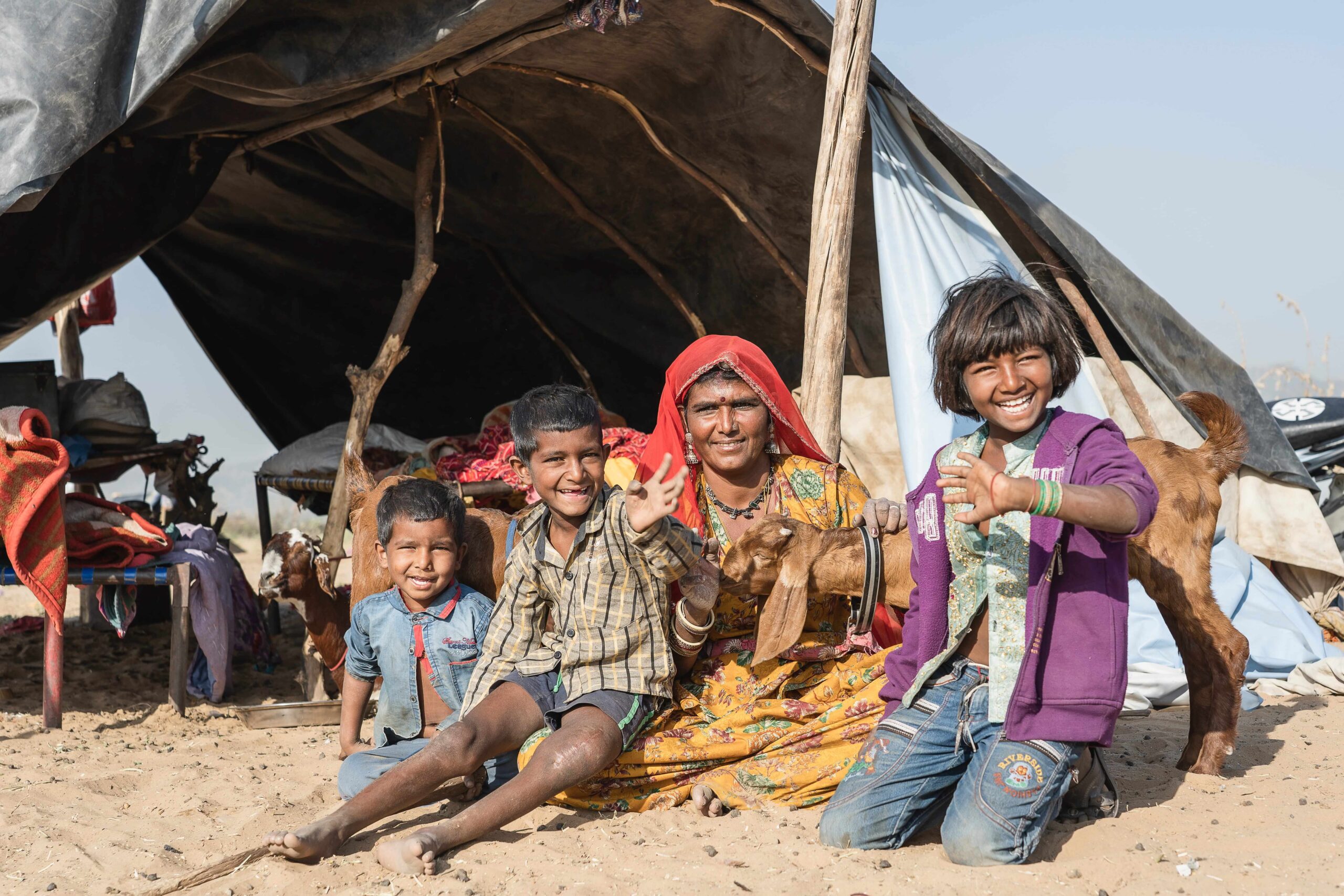
Nomadic Tribes and the Integration of Health, Wellness, and Traditional Ecological Knowledge in India
March 13, 2026
This post introduces “Nomadic Tribes and the Integration of Health, Wellness, and Traditional Ecological Knowledge in India,” by Amit Rawat, Ph.D. Drawing on ethnographic research with the Raika, Van Gujjar, and Sansi communities, the article explores how nomadic groups sustain culturally rooted health systems shaped by ecological knowledge, mobility, and intergenerational learning.
Read Story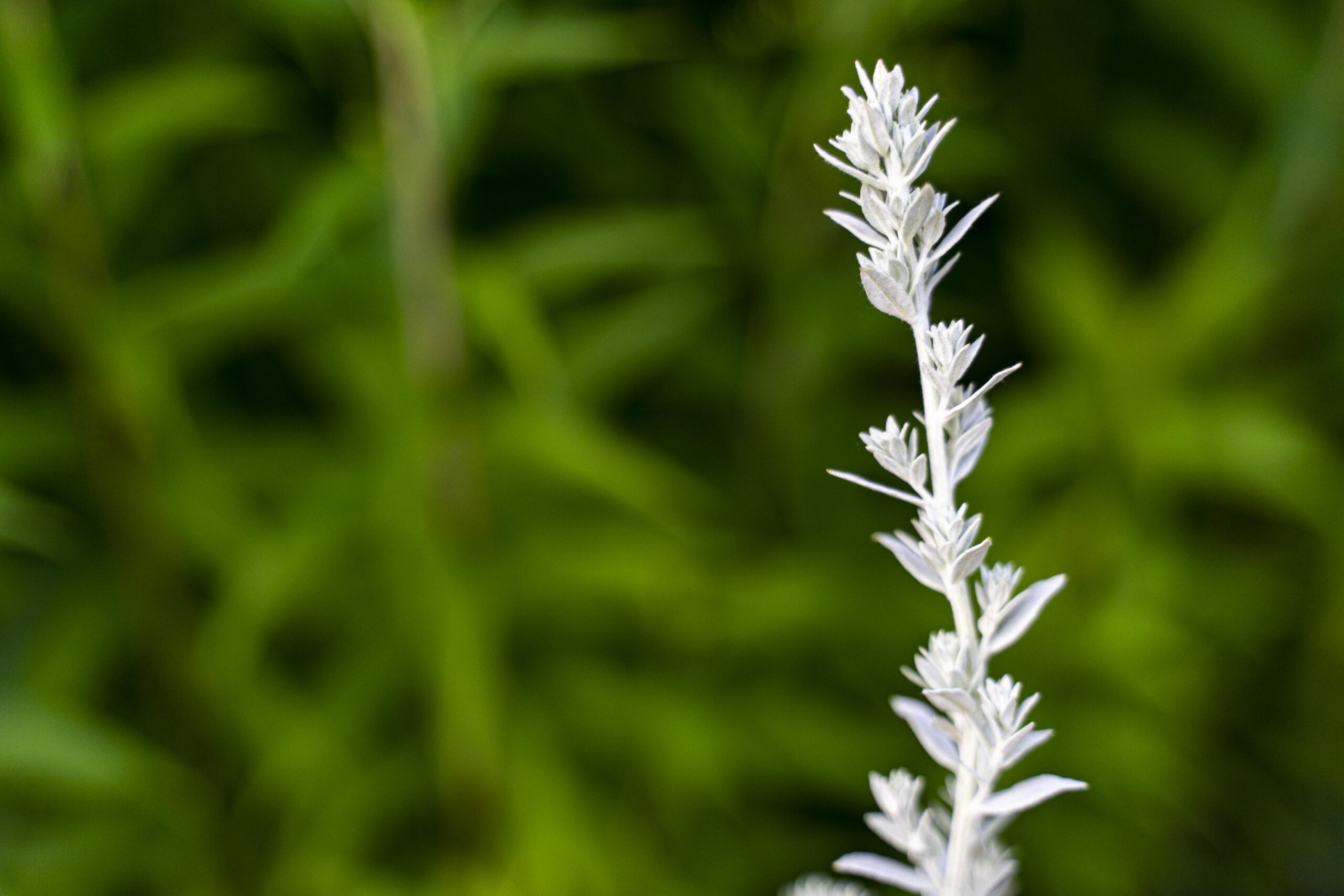
Artemisia ludoviciana (Estafiate) in Indigenous and Modern Medicine
August 28, 2025
Estafiate has long been central to Indigenous medicine in Mexico, valued for treating digestive and respiratory ailments, while also playing a key role in ceremony and cosmology. Documented in early codices and still widely used today, estafiate reflects the resilience of Indigenous knowledge and its ongoing dialogue with modern science.
Read Story
Beyond PTSD: Intergenerational Trauma and the Legacy of Colonization
August 28, 2025
Trauma is not only about events, but also about how they are understood within a culture. For Indigenous peoples, ancestral stories and communal practices can buffer the effects of disaster, while disruptions fracture lifeways and deepen loss. These contrasts reveal how meaning-making, kinship, and resilience shape the legacy of trauma.
Read StoryCategories
Trending

Thank You to Our Donors


Elina Vesara
Ostern Fund