

Blog
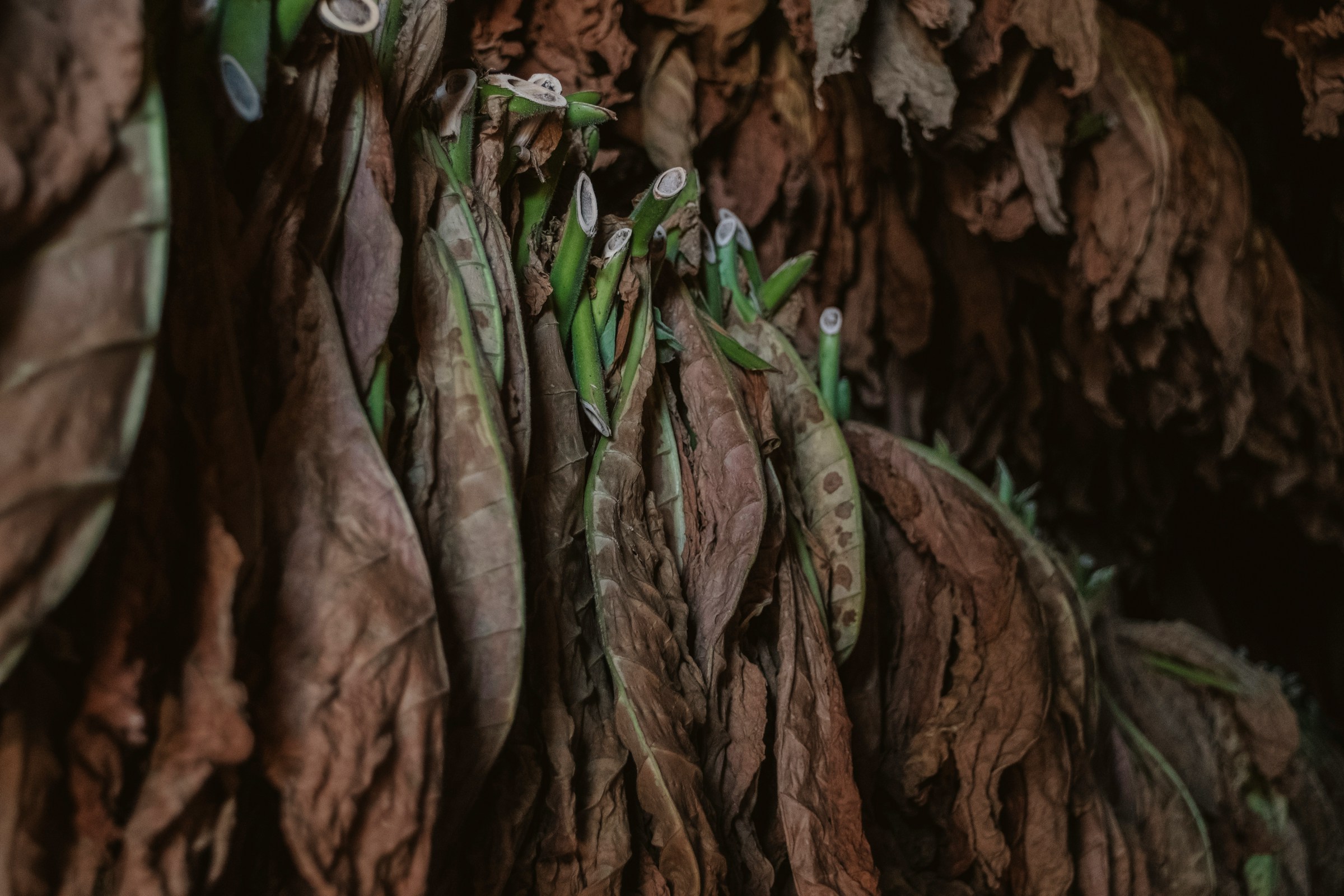
Sacred Tobacco Part 1
September 17, 2026
Part one of a three-part series exploring sacred tobacco in Indigenous communities: uncover how colonial extractivism and Big Tobacco’s commercialization distorted its sacred role, setting the stage for cultural and spiritual reclamation through ancestral teachings in the following posts.
Read Story
Rituals That Restore
September 10, 2026
Discover how ancient healing rituals activate measurable biological changes. Explore the science behind Indigenous practices, symbolic rituals, and holistic healing.
Read Story
Regulating Anxiety by Restoring the Body’s Ultradian Rhythms
September 3, 2026
Anxiety is often treated through suppression rather than regulation. This article explores how restoring the body’s ultradian rhythms, the natural 90 to 120 minute cycles of activity and rest, can support nervous system balance, reduce anxiety, and promote healing through non-pharmacological, rhythm-based approaches grounded in physiology, Indigenous wellness frameworks, and breath-centered practices.
Read Story
Natural Protocol for Menstrual Cramp Relief
August 27, 2026
Discover a natural approach to menstrual cramp relief with this holistic guide adapted from Dr. Leslie Korn’s Natural Women, using herbs, nutrients, and hands-on treatments to ease dysmenorrhea and support your cycle naturally.
Read Story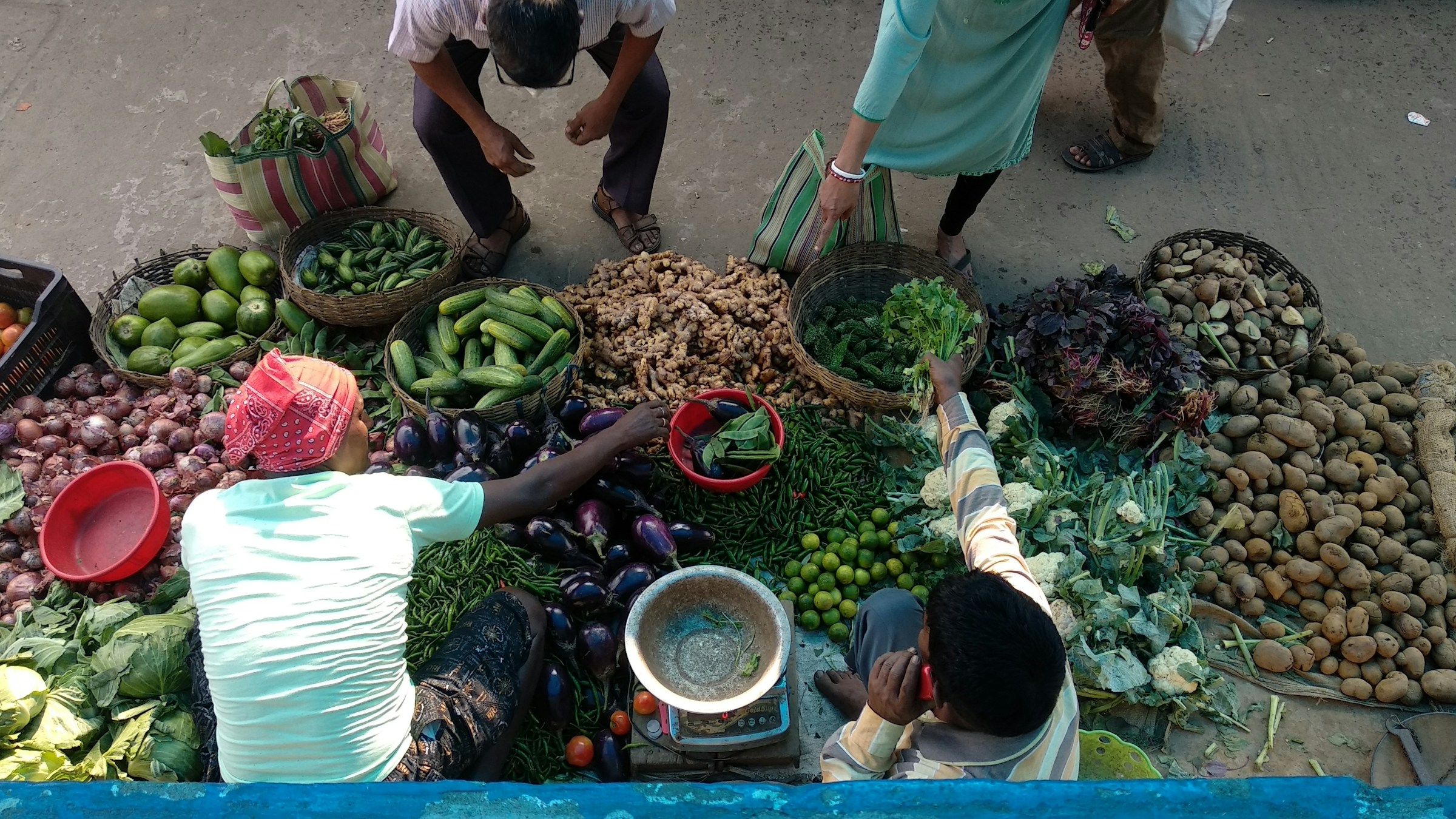
Food as Medicine
August 20, 2026
As traditional food systems have faded, our health has suffered. The foods we eat now cause chronic health problems and differ greatly from the diets that once matched our local environments. In losing these traditions, we have also lost food’s roles as medicine and as a way to bring people together.
Read Story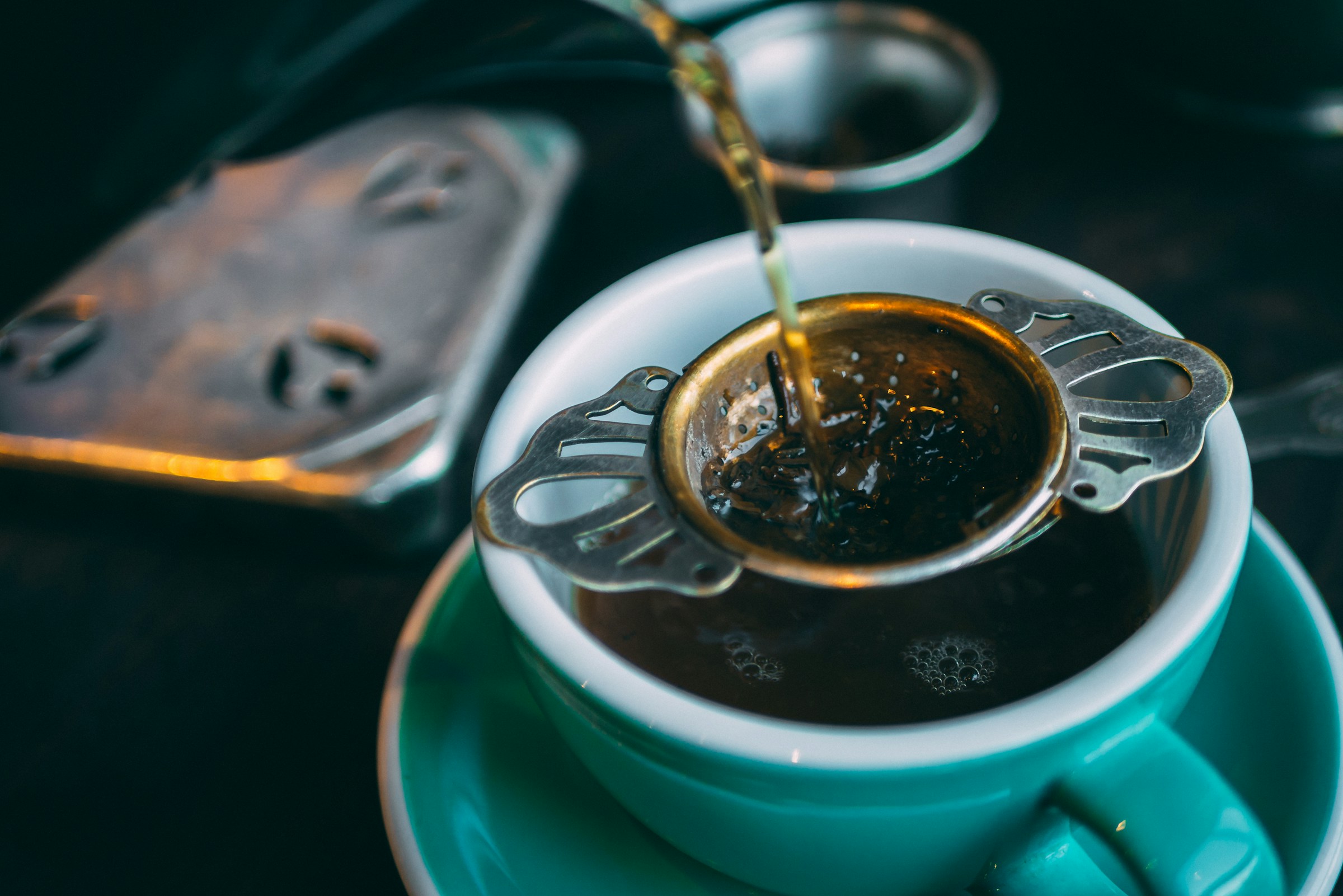
Daily Teas to Support Mind, Body, and Metabolism
August 13, 2026
Exploring the benefits of daily herbal teas—blueberry leaf, ginger, peppermint, chamomile, and green tea—for sleep, digestion, blood sugar, and well-being.
Read Story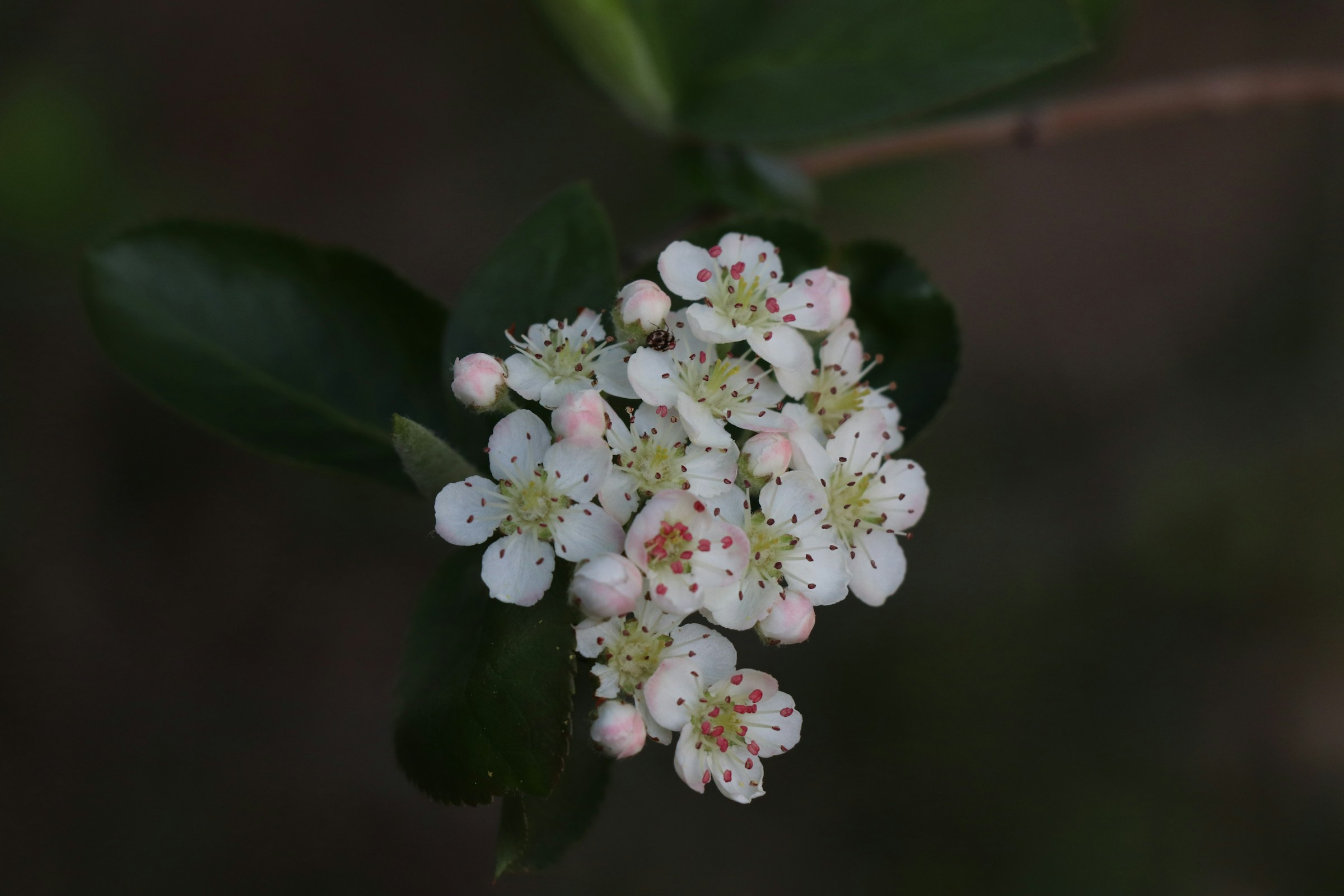
Chokecherry Medicine in Legend and Healing
August 6, 2026
Indigenous communities have relied on chokecherries for medicine, food, and tools, with its role sustaining through winter, supporting digestive and respiratory health, and providing wood and dye.
Read StoryCategories
Trending
Thank You to Our Donors


Elina Vesara
Ostern Fund