

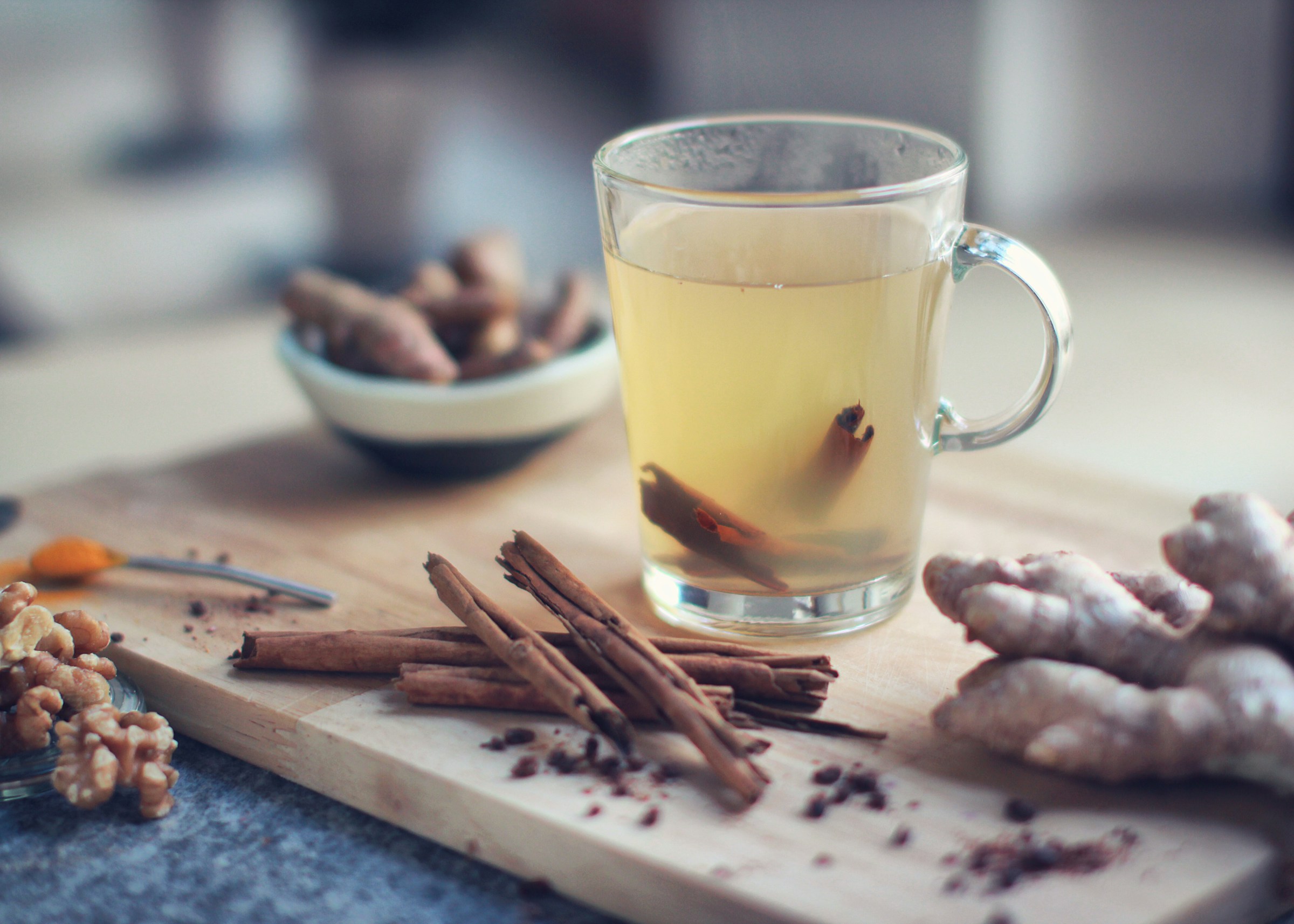
What if you moved in flow with your menstruation rather than being stopped by it? Painful periods are common but not normal, and they often signal an imbalance in the body. Dysmenorrhea, the medical term for painful menstruation, can significantly impact daily life and overall well-being, but it does not have to. Painful menstruation does not have to be your baseline. This protocol reflects long-held ways of caring for the body, using nourishing herbs and essential nutrients to support balance, ease discomfort, and move through the cycle with greater ease.
There are two types of dysmenorrhea:
Primary: The most common type, it involves discomfort that comes from the cycle itself, not from an underlying condition. It can be influenced by genetics, stress, and uterine prostaglandin levels, and affects up to half of all girls and women after puberty (Yale Medicine, n.d.).
Secondary: Period pain caused by an underlying gynecological issue, such as endometriosis, fibroids, pelvic infections, or tumors.
Dysmenorrhea Protocol
- Take black current seed oil, magnesium, and vitamin B-6 every day to reduce cramps during menstruation.
Black current seed oil ( recommended 2,000 milligrams)
Black current seed oil helps support the body at the biochemical level. It can ease uterine contractions. The oil is rich in gamma-linolenic acid (GLA), and omega-3 fatty acids. Studies find it helps balance prostaglandins, the compounds that cause cramping, by decreasing inflammation (Rahbar et al., 2012). Although research has focused mostly on omega-3 fish oils, black current seed oil works in a similar way. It offers gentle support that aligns with the body’s natural cycles .
Magnesium (recommended 400 milligrams)
Magnesium has established itself as a powerful ally for easing menstrual cramps, with multiple clinical trials showing a consistent reduction in pain scores (Yaralizadeh et al., 2024). Likely working by inhibiting prostaglandin synthesis and causing smooth muscle relaxation. In one trial, six months of magnesium therapy lowered pain signals by more than half, showing a 55% drop in prostaglandin (Seifert et al., 1989). Other studies suggest that daily intakes of around 200-300 mg can significantly reduce menstrual symptoms and analgesic use (Gök & Gök, 2022).
Vitamin B-6 (pyroxidine) (recommended 100 milligrams)
Studies have shown that doses up to at least 80 mg/day improve overall premenstrual symptoms and mood (Kashanian et al., 2008). One study found that women with primary dysmenorrhea found that B6 supplementation significantly lowered prostaglandin levels and levels of pain intensity (Bunga et al., 2018). This suggests that B6 is related to reducing cramping rather than mood alone.
- Drink a mixture of fresh ginger, chamomile, cramp bark, and skullcap tea 3 days before your flow begins and continue to drink it during menstruation.
A meta-analysis found that oral ginger (750-2,000 mg) taken during the first 3 days of menses significantly reduced pain intensity in primary dysmenorrhea, just as effectively as standard pain relievers (Xu et al., 2020). Ginger contains compounds called gingerols that have strong anti-inflammatory and pain-relieving properties. These work by blocking enzymes that make prostaglandins and leukotrienes, chemical messengers that trigger inflammation and uterine cramping during menstruation. This is a similar mechanism to ibuprofen, but through a natural plant compound (Xu et al., 2020).
One study found that chamomile capsules taken over two cycles significantly reduced dysmenorrhea pain severity (Farooq, 2021). A chamomile-ginger combination started a couple of days before menses and continued in the first few days was especially effective at reducing dysmenorrhea and associated symptoms (Farooq, 2021). A systematic study found chamomile as an effective treatment for reducing menstrual bleeding and symptoms of primary dysmenorrhea (Niazi & Moradi, 2021).
As the name implies, cramp bark is an effective uterine antispasmodic, making it very useful for treating menstrual cramps and regulating menstruation. The bark can be made into a decoction or tincture and can be used for acute uterine problems or as a general uterine tonic. The active components of cramp bark are hydroquinones, arbutins, and coumarins along with astringent tannins (Korn, 2019).
Cramp bark and American Skullcap (Scutellaria lateriflora). are traditional uterine antispasmodics and nervines, and are widely used for menstrual pain. Uterine nervines have an affinity for the uterus and surrounding reproductive organs. They nourish and support overall nervous system function. Some, like mugwort, are relaxing while others, like crampbark, are antispasmodic. Spasmolytic herbs ease and reduce muscle spasms and are used to relax muscles and organs that are tense and contracting (Korn, 2019).
Historical and clinical research shows these herbal practices are effective, and they can be layered onto a base, for example with ginger, cinnamon, or chamomile.
- Add cinnamon to your foods during menstruation.
Clinical trials found that taking about 1 g of cinnamon powder per day in capsule form reduced menstrual pain and bleeding (Jahangirifar et al., 2018). This supports adding cinnamon regularly to food during menses as a practical way to provide similar benefits, even when consumed through the diet rather than capsules.
Topical Treatments for Dysmenorrhea
Alongside supplements and teas, hands-on remedies like massage, oils, and warm baths can soothe cramps, relax muscles, and improve circulation during your period.
- Obtain a kansa wand and gently massage the face and abdomen. Add 6 drops of rose essential oil to a tablespoon of liquid magnesium lotion. Rub the lotion on your belly and slowly use the kansa wand, moving in small clockwise circles over the area of discomfort.
A kansa wand is an ancient Ayurvedic massage tool made from a copper-based bronze alloy known as “bell metal,” historically used to make bells and gongs. It is valued for its warming qualities and healing effects through vibration, balance, and energetic resonance (Knight, 2022). It is used to relieve stress through gentle, warming massage that promotes circulation, lymphatic drainage, and muscle relaxation, and to balance pH through rhythmic movement, especially when used with oils (Knight, 2022). These effects are widely celebrated anecdotally, although clinical studies have yet to confirm the claims; nevertheless, the benefits are grounded in thousands of years of traditional practice and clinical experience.
- Rub some almond oil on your lower abdomen first and then rub a few drops of peppermint essential oil over the almond oil.
A randomized control trial found that utilization of 3% peppermint lotion applied three times a day for 3 days for adolescents with primary dysmenorrhea yielded a large reduction in pain intensity and cortisol levels (Meliya et al., 2024). A broader review on peppermint and menstrual disorders reported that peppermint capsules and abdominal massage with peppermint or ginger oils significantly reduced cramp severity and improved associated symptoms (Lagzian et al., 2025).
- Add 1 cup of magnesium sulfate (Epsom salt) and eight drops of lavender essential oil to a bath and soak for 30 minutes a day starting 3 days prior to your flow.
Some studies indicate that soaking in Epsom salt can raise magnesium levels, as confirmed through blood and urine tests (GrassrootsHealth, 2022). Since oral magnesium supports the reduction of menstrual pain, transdermal methods like baths and lotions offer a likely, though less studied, way to use magnesium for cramp relief (Gök & Gök, 2022).
Multiple studies have shown that lavender supports dysmenorrhea, including inhalation of the essential oil for 5 minutes at the onset of dysmenorrhea (for 2 cycles) and a clinical trial using lavender aromatherapy over 2 months, both of which significantly reduced primary dysmenorrhea pain severity (Adiputri, Darmiyanti, & Candra, 2018; Nikjou et al., 2016). Another study found that oil therapy with abdominal effleurage massage provided a significant drop in dysmenorrhea intensity (Raisi Dehkordi, Hosseini Baharanchi, & Bekhradi, 2014).
Dysmenorrhea doesn’t have to interfere with your life or lead you to rely on pharmaceuticals for relief. Herbal remedies and hands-on practices can support your body, alleviate pain, and help you reconnect with your cycle as a natural rhythm. These strategies are rooted in traditional practices used for thousands of years and supported by clinical studies. The period protocol and topical treatment offer a holistic approach to menstrual wellness, empowering you to develop a more positive relationship with your cycle.
This blog is adapted from Natural Women, drawing from the section on dysmenorrhea and following Dr. Leslie Korn’s protocol and topical treatments.










Leave a Comment