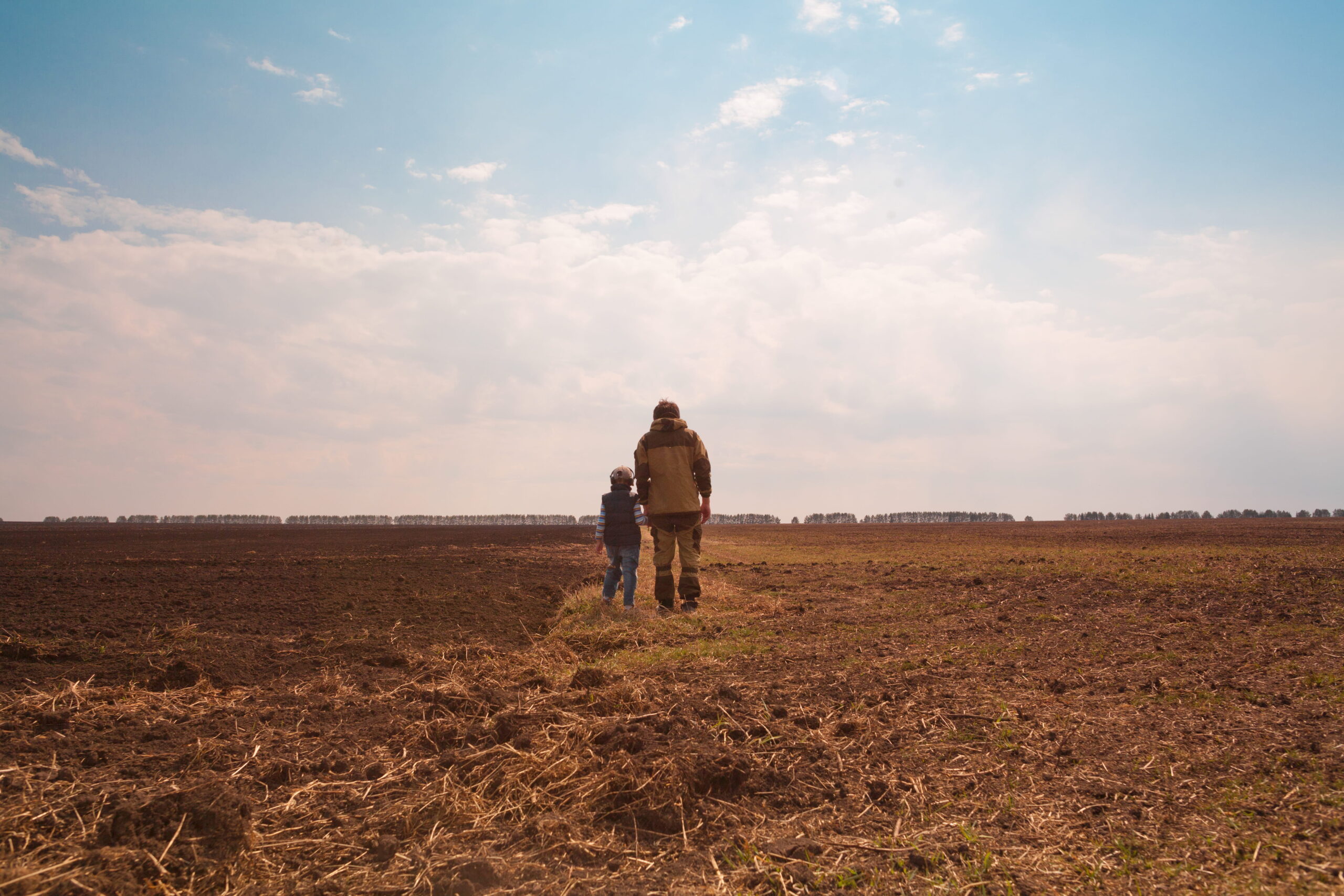

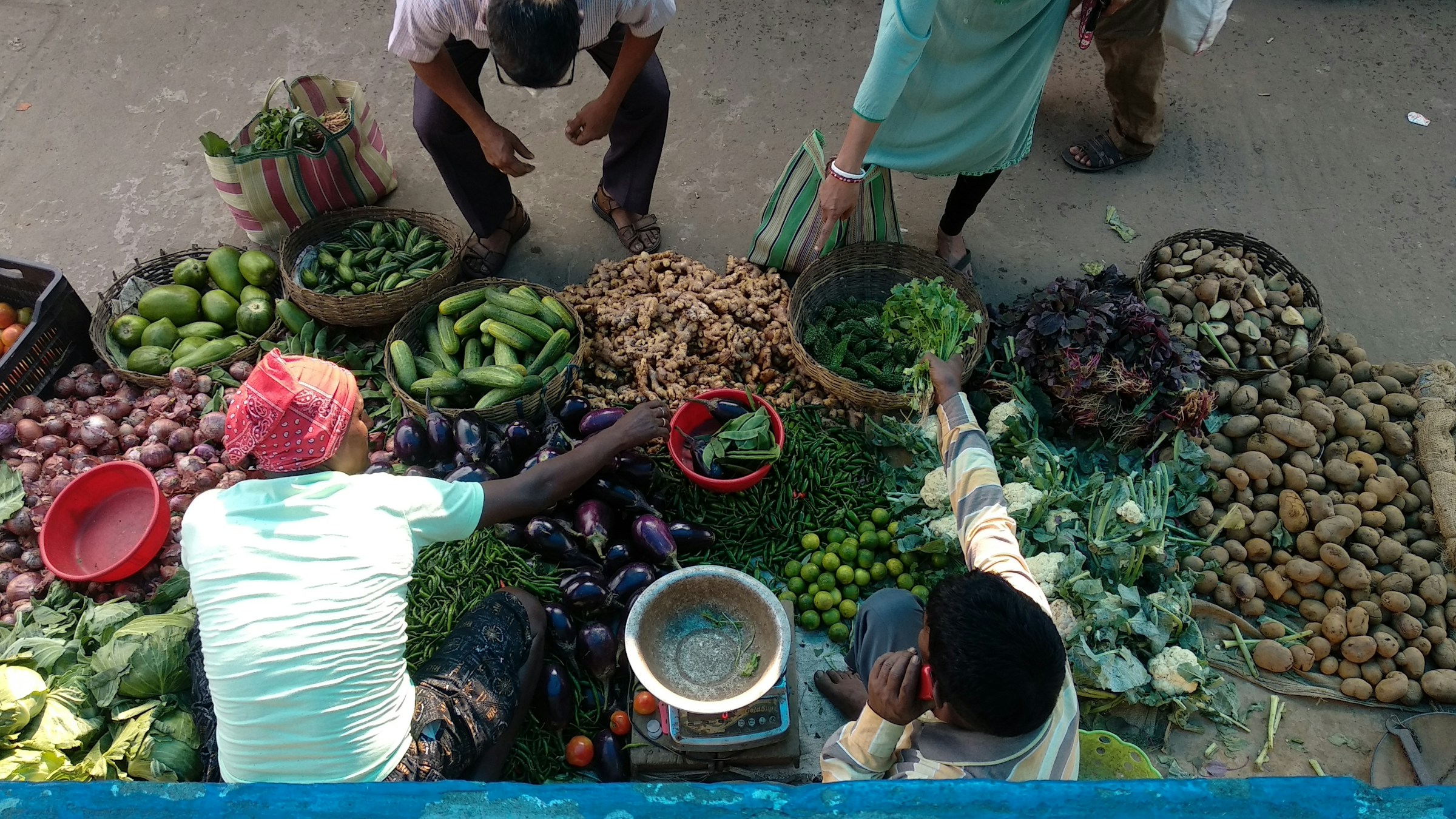
As traditional food systems have faded, our health has suffered. The foods we eat now cause chronic health problems and differ greatly from the diets that once matched our local environments. In losing these traditions, we have also lost food’s roles as medicine and as a way to bring people together.
Hailey Allen
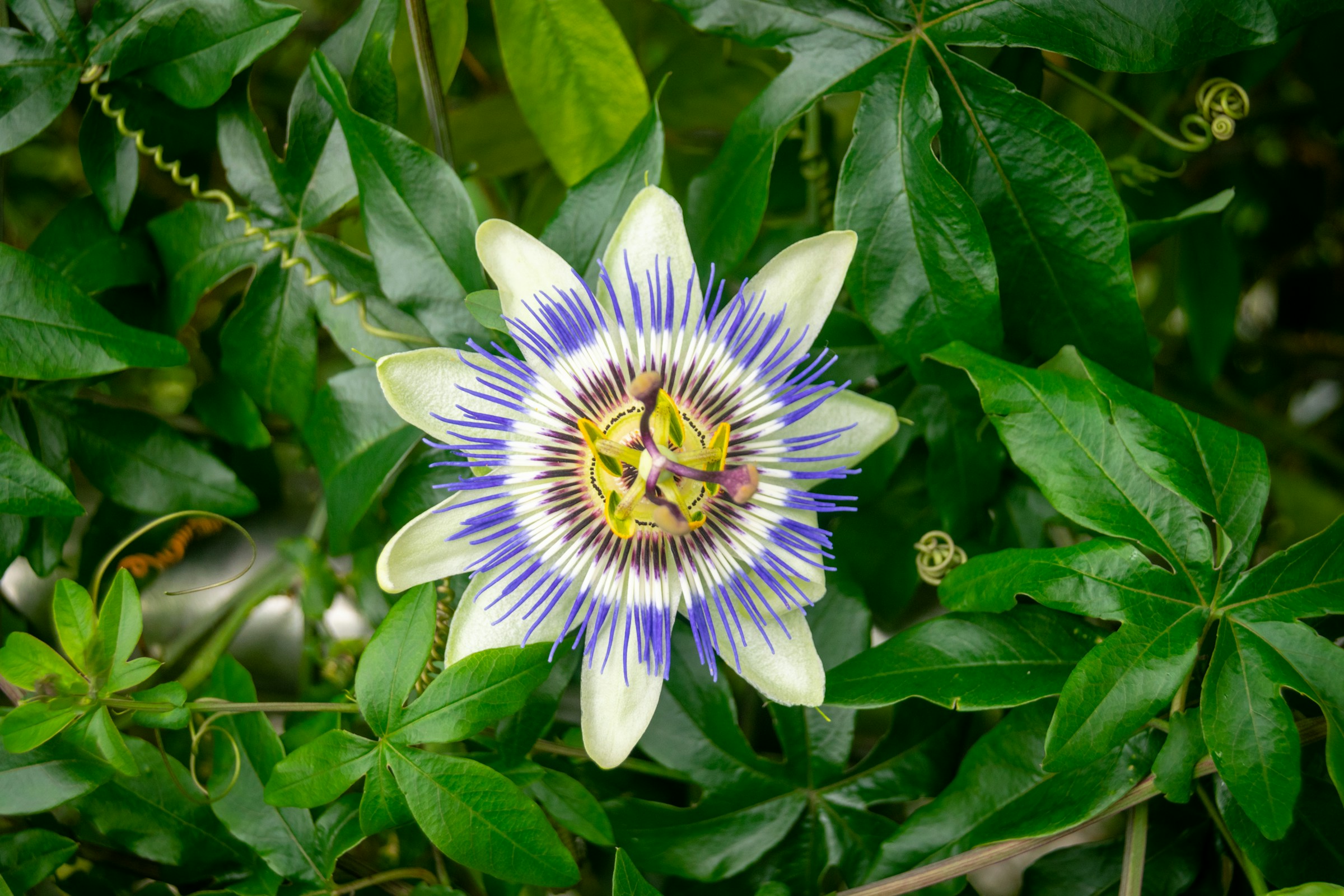
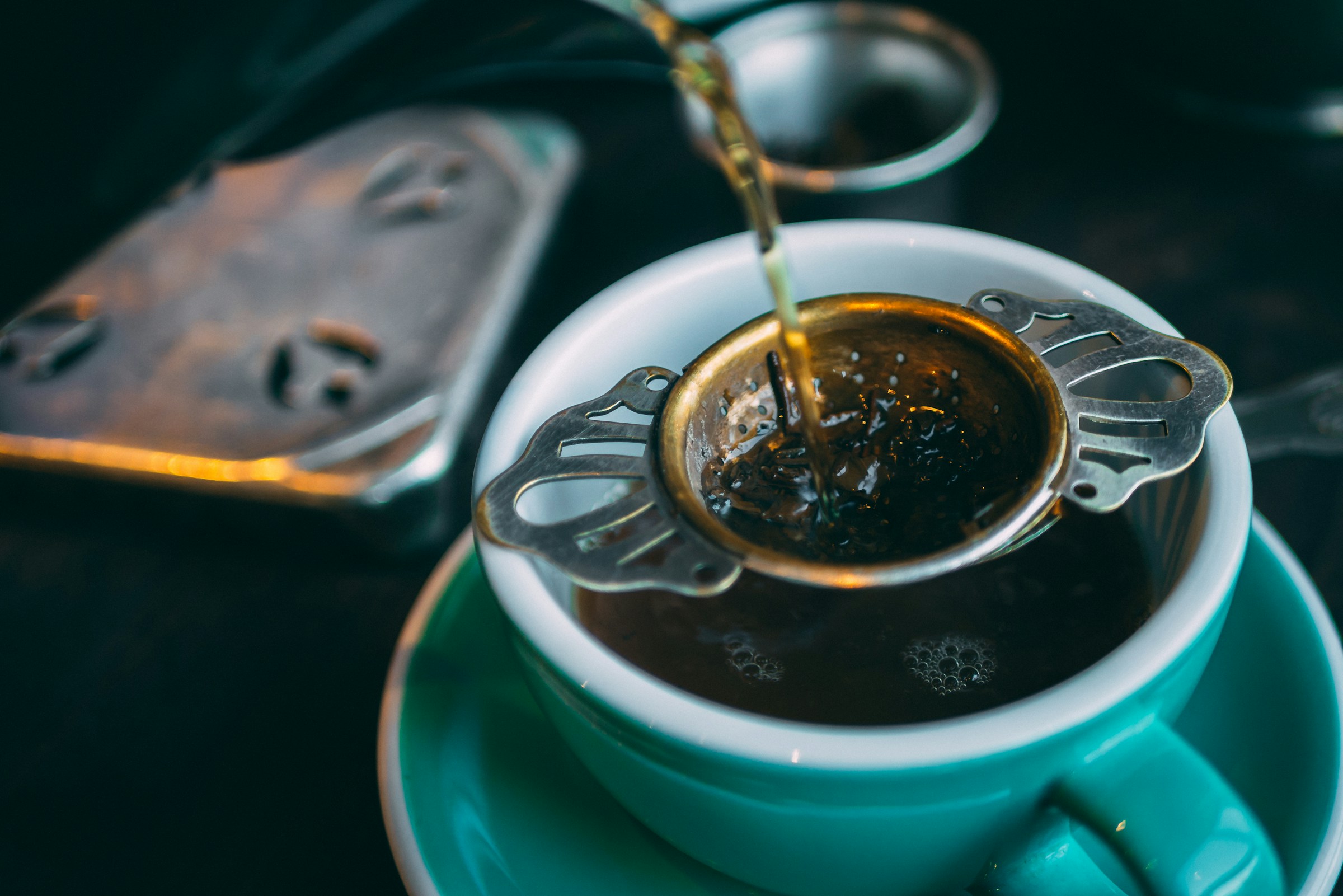
Nervine herbs are plants used to calm the nervous system, ease anxiety, support sleep, and restore emotional balance. This blog explores nervines such as kava, valerian, passionflower, skullcap, and St. John’s wort through traditional use, community knowledge, pharmacology, and contemporary research.
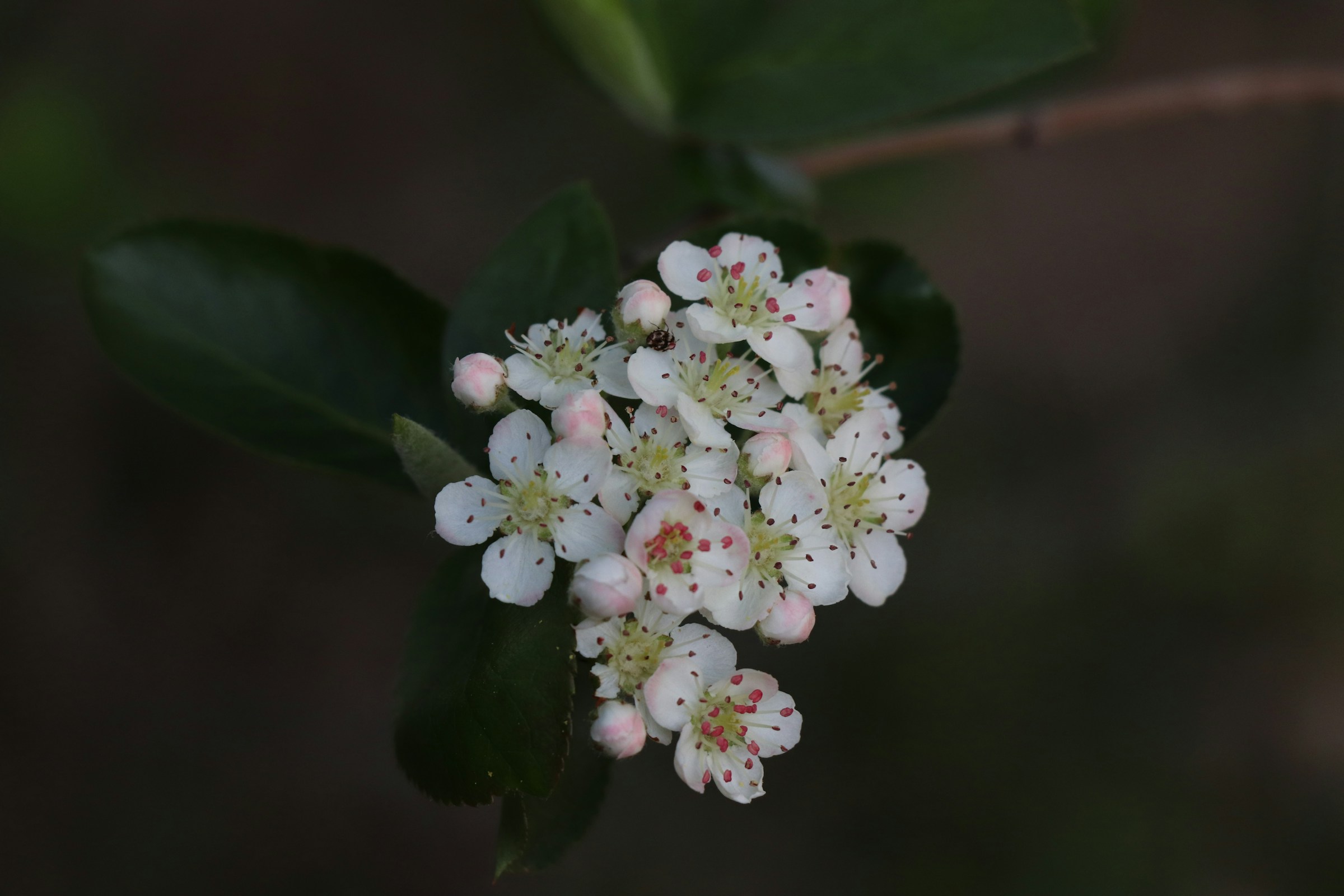
Within Indigenous traditions, dreams are sites of instruction, correction, and foresight; they also serve as a form of surveillance. As regulatory science relies on instruments and sampling, Indigenous methods utilize land-attuned, reciprocal assessment of imbalance across land, water, food, and physiology, enacted through ceremony, kinship, and vision.
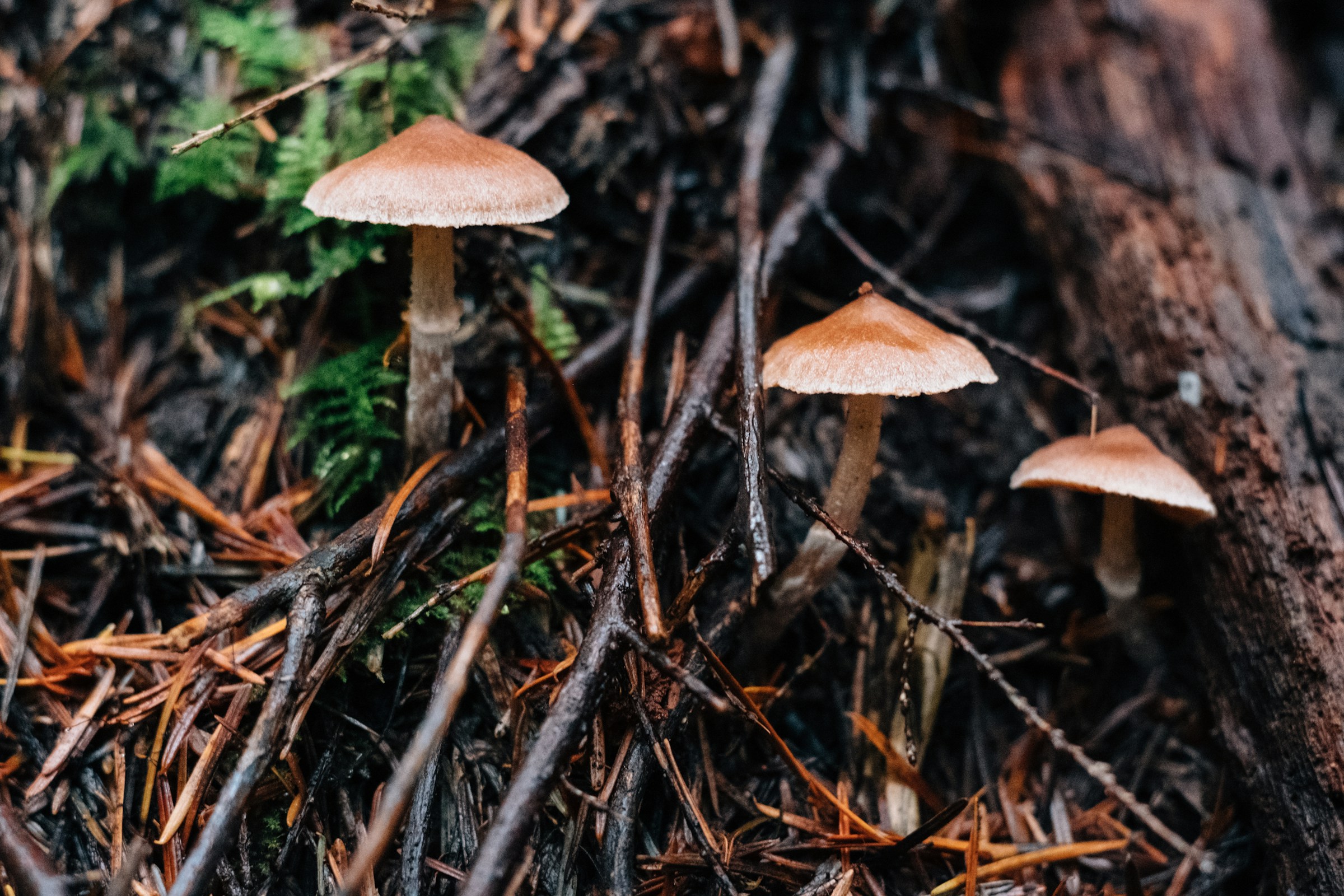
The healing capacity of fungi, such as psilocybin mushrooms, and certain plants, such as peyote cactus, is increasingly supported by a growing body of research. For thousands of years, peyote has offered a profound source of spiritual connection and healing. Within ceremonial contexts, it can serve as a gateway and a passage into altered states of consciousness that support reflection, insight, and restoration.
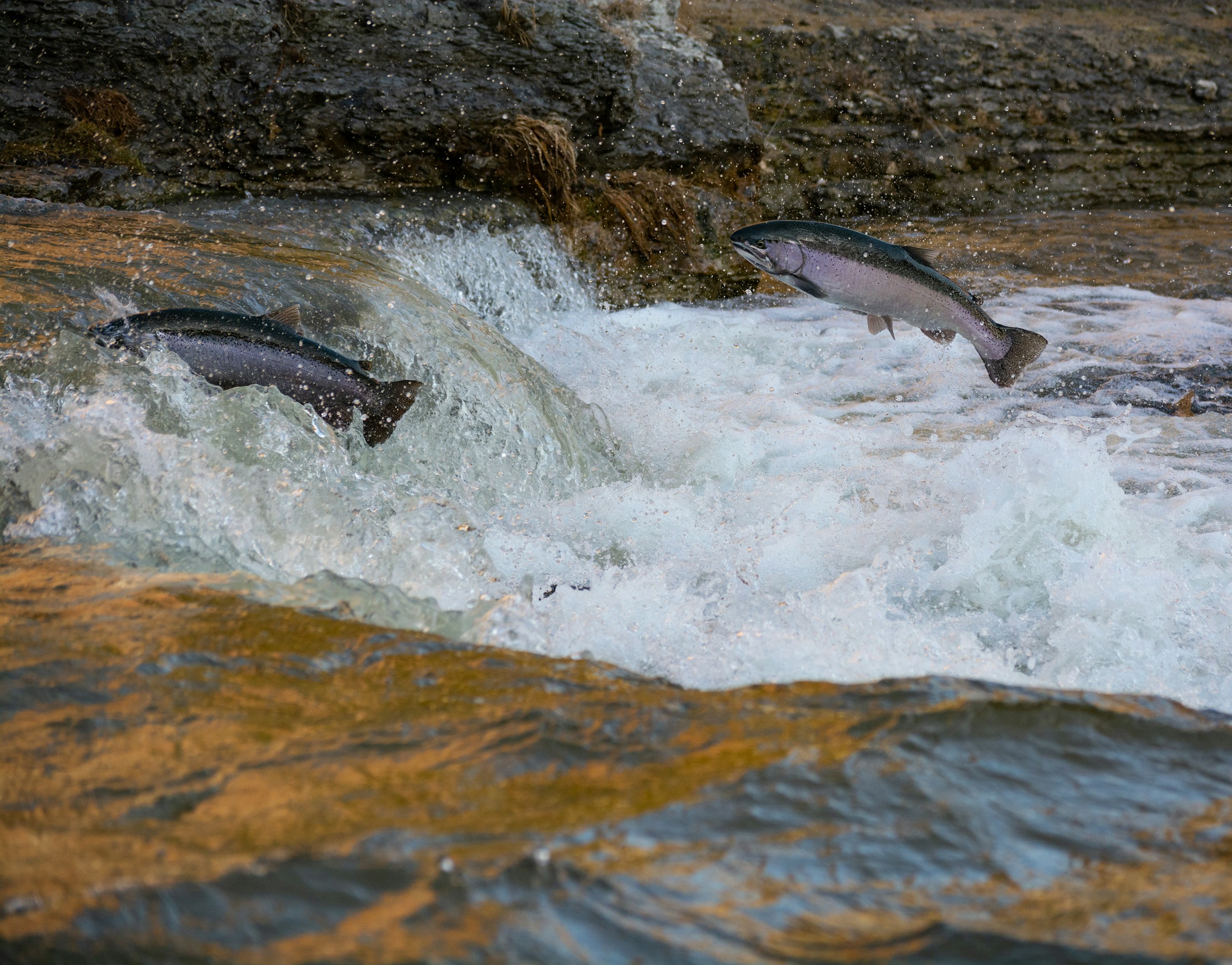
This first installment of the Hanford Series explores the lasting impacts of nuclear contamination on Indigenous health, land-based lifeways, and cultural continuity among the Sahaptin peoples. Through personal reflection, historical context, and Indigenous environmental perspectives, the article examines how contamination moves through water, food, ceremony, and community across the Columbia Plateau.