
Blog
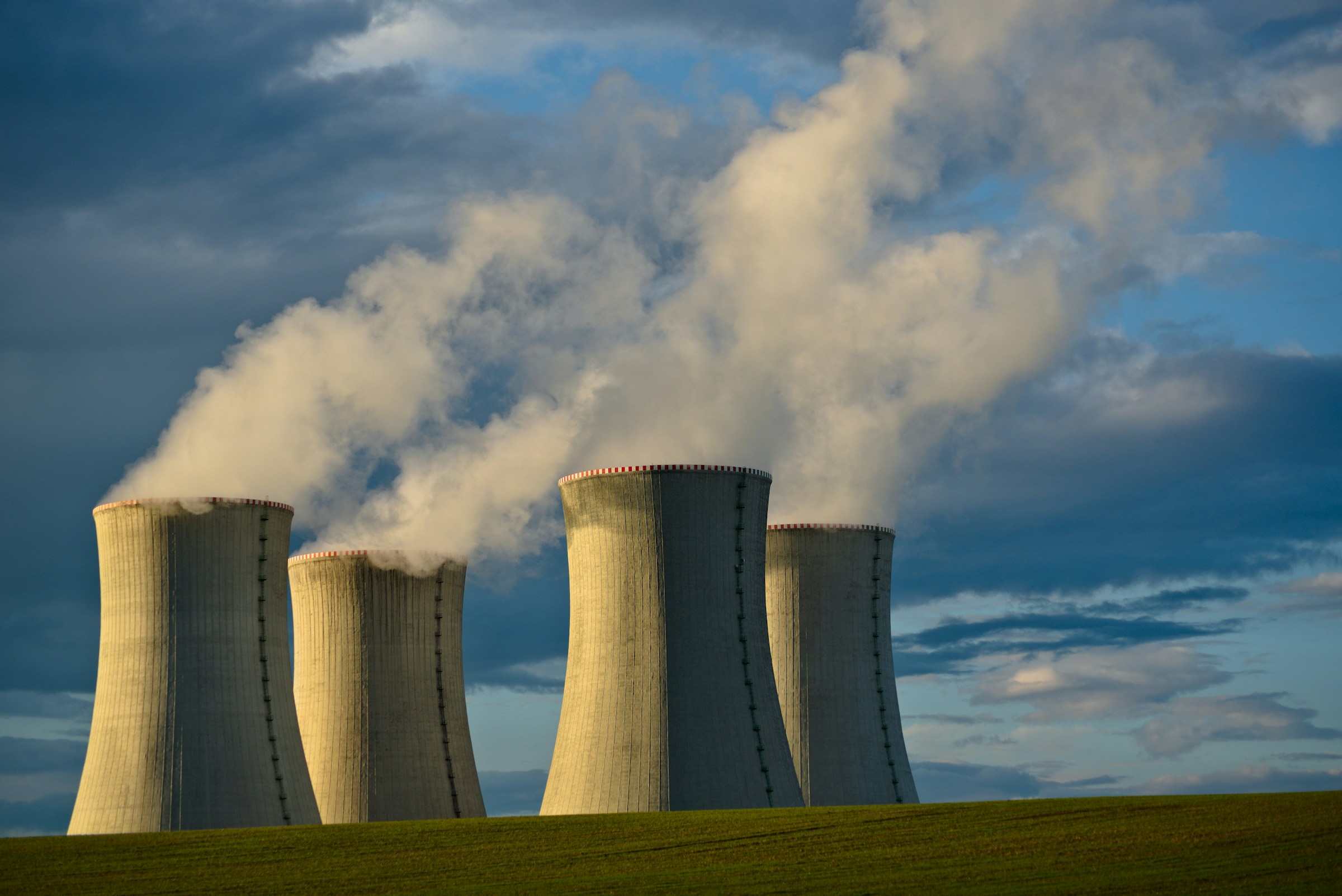
Nuclear Expansion and the Fight to Protect Our Relatives: Hanford Series Part 3
July 23, 2026
Indigenous medicine is layered, symbolic, embodied, and relational, deeply rooted in connection to land and the ecosystem. In Indigenous worldviews, pedagogy unfolds over time, through relationship and responsibility, rather than through the rapid extraction of knowledge.
Read Story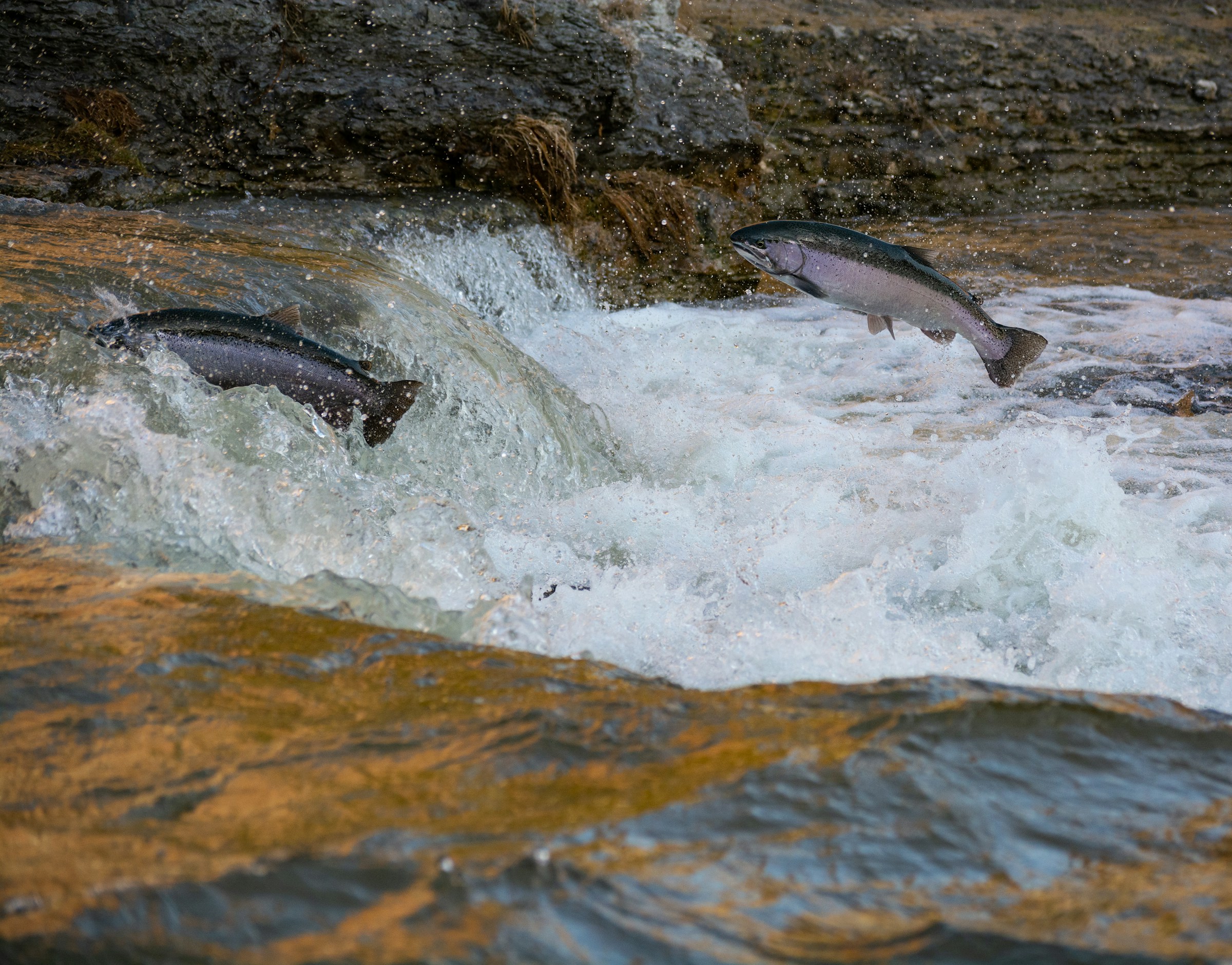
The Land as Sacred Pharmacy: Hanford series Part 2
July 16, 2026
Within Indigenous traditions, dreams are sites of instruction, correction, and foresight; they also serve as a form of surveillance. As regulatory science relies on instruments and sampling, Indigenous methods utilize land-attuned, reciprocal assessment of imbalance across land, water, food, and physiology, enacted through ceremony, kinship, and vision.
Read Story
Nuclear Contamination and Indigenous Health
May 22, 2026
This first installment of the Hanford Series explores the lasting impacts of nuclear contamination on Indigenous health, land-based lifeways, and cultural continuity among the Sahaptin peoples. Through personal reflection, historical context, and Indigenous environmental perspectives, the article examines how contamination moves through water, food, ceremony, and community across the Columbia Plateau.
Read Story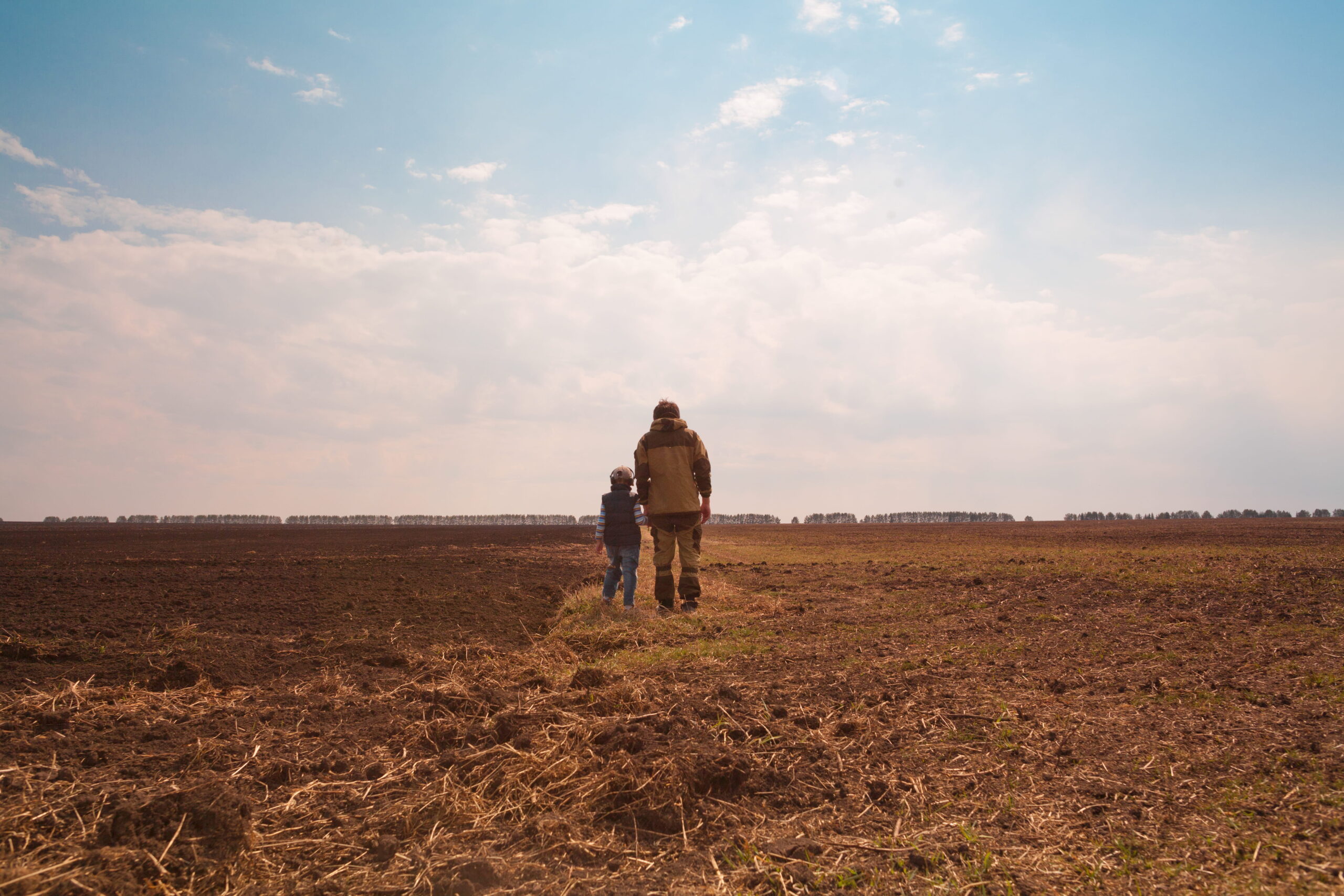
Indigenous Ways of Knowing
May 7, 2026
Explore how Indigenous health systems, grounded in relational and ecological practices, can expand evidence frameworks, advance health equity, and bridge global health research.
Read Story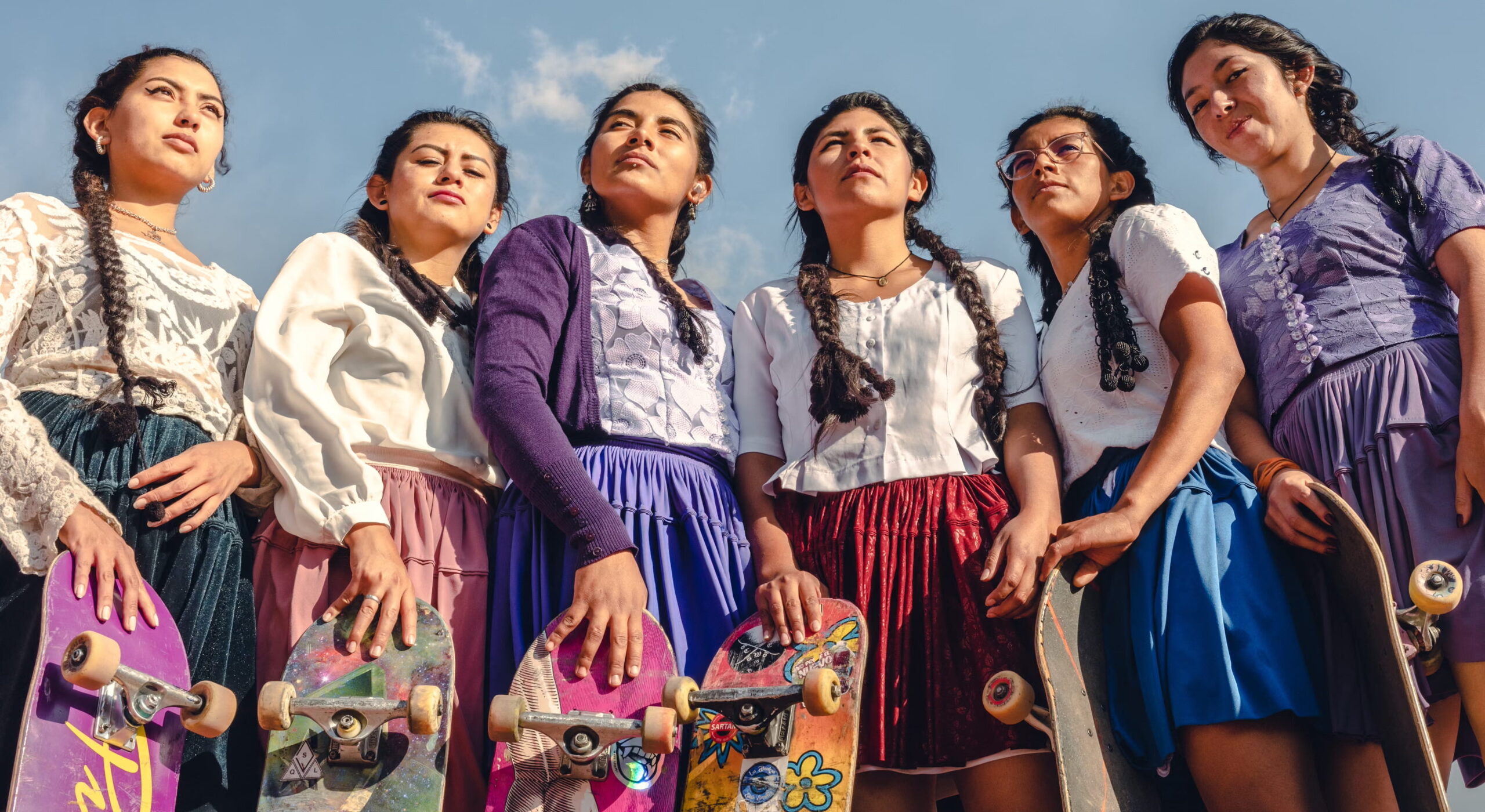
Skateboarding as Medicine for Indigenous Women
March 24, 2026
Skateboarding is emerging as a powerful form of embodied healing for Indigenous women, creating spaces for cultural reclamation, community building, and emotional resilience. From Bolivia to the Navajo Nation, movement becomes medicine—supporting self-expression, regulating the nervous system, and restoring connections between body, land, and community.
Read Story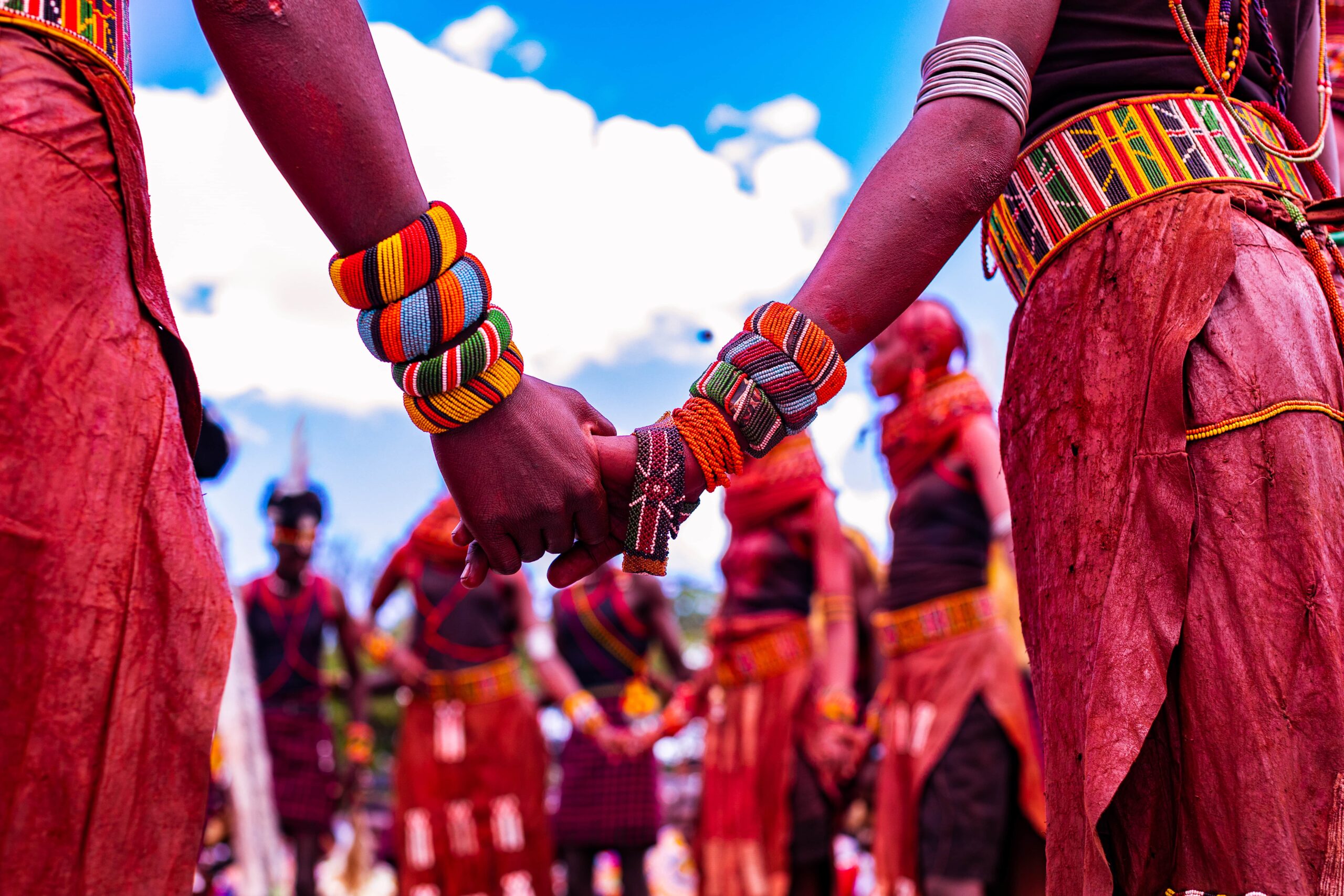
Healing the Colonized Body: From Fight or Flight to Tend and Befriend
November 14, 2025
Discover how relational healing, oxytocin, and the tend-and-befriend stress response expand traditional biomedical models and support trauma recovery, resilience, and holistic well-being.
Read Story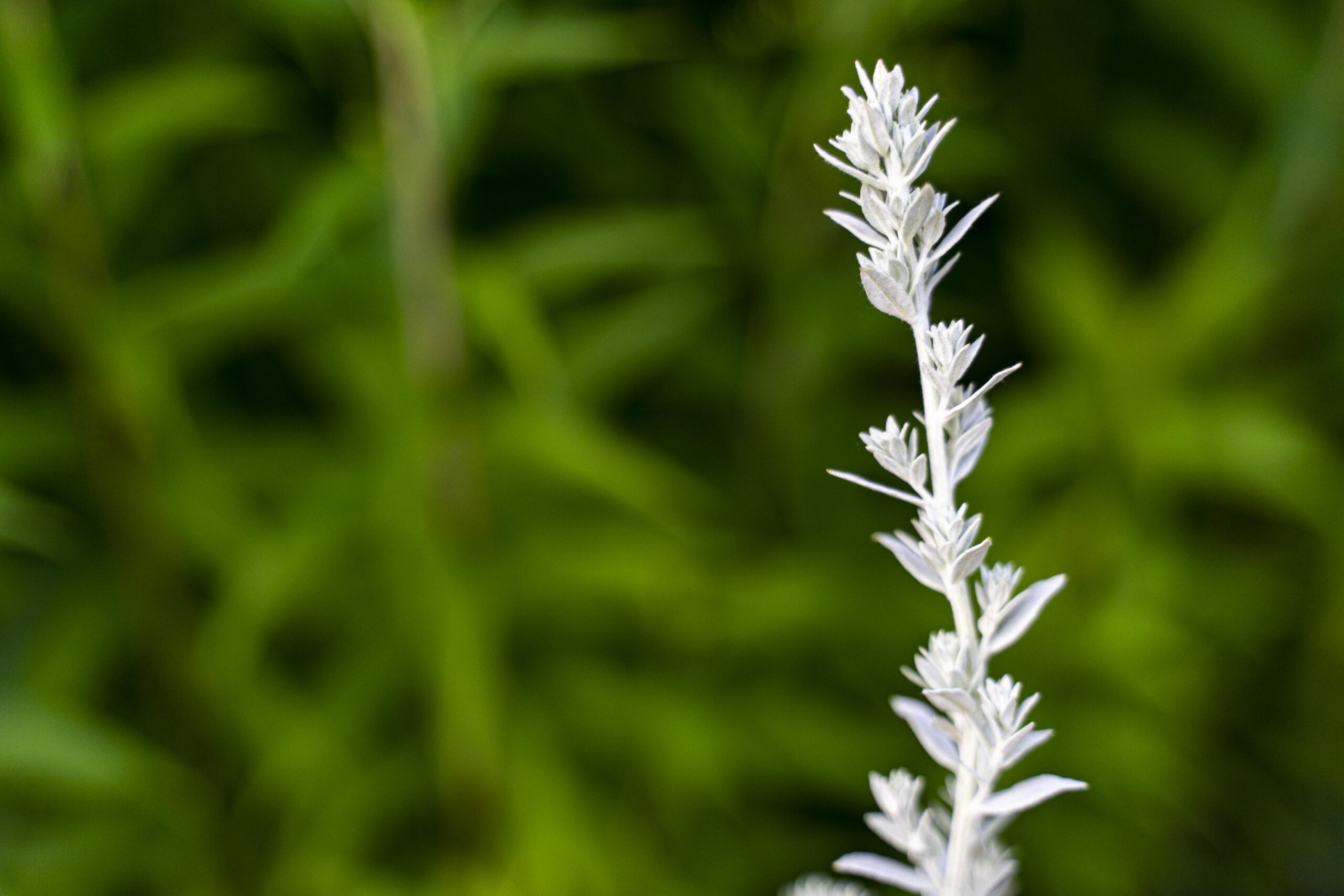
Artemisia ludoviciana (Estafiate) in Indigenous and Modern Medicine
August 28, 2025
Estafiate has long been central to Indigenous medicine in Mexico, valued for treating digestive and respiratory ailments, while also playing a key role in ceremony and cosmology. Documented in early codices and still widely used today, estafiate reflects the resilience of Indigenous knowledge and its ongoing dialogue with modern science.
Read Story
Beyond PTSD: Intergenerational Trauma and the Legacy of Colonization
August 28, 2025
Trauma is not only about events, but also about how they are understood within a culture. For Indigenous peoples, ancestral stories and communal practices can buffer the effects of disaster, while disruptions fracture lifeways and deepen loss. These contrasts reveal how meaning-making, kinship, and resilience shape the legacy of trauma.
Read StoryCategories
Trending
Thank You to Our Donors


Elina Vesara
Ostern Fund