
What are Traditional, Authentic Diets?
As traditional food systems have faded, our health has suffered. The foods we eat now cause chronic health problems and differ greatly from the diets that once matched our local environments. In losing these traditions, we have also lost food’s roles as medicine and as a way to bring people together. What defines traditional nutrition and foods? They represent centuries of wisdom about nourishment, preserved through recipes, rituals, and preparation techniques passed down through generations.
In modern society, food and diet are often separated from authentic cultural traditions. There is social pressure to conform and give up healthy cultural traditions upon arrival in the United States, among both immigrants and native populations. However, we are seeing a revitalization in modern SAD societies, reclaiming local, fresh, nutrient-dense, well-prepared traditional foods relevant to our needs in the 21st century.
Although these foods and methods remain inaccessible to many, especially the economically impoverished, this need not be the case. In this book, I explain low-cost approaches to mental health nutrition.
Food as Medicine, Culture, and Ceremony
Food is much more than nourishment: Food is medicine. Food is nutrition. Food is ceremonial. Food is sacred. Food is culture and tradition. Food anchors culture and personal well-being. Food is the direct link between the environment and human health. It is the way a healthy environment can provide complete nutrition and a sense of integration and wellness.
Yet for many, food is inaccessible, addicting, fraught with memories of harsh discipline or fights, or linked to the struggle for a certain look or body, as with body dysmorphia and eating disorders. In these cases, food becomes a metaphor as well as a substance that requires integrating nutrition and counseling to decondition negative associations and beliefs and to regulate effects that hamper health. The mental health clinician is ideally suited to this integrative partnership with the client.
Principles of Traditional or Authentic Nutrition
The traditional nutrition, also called authentic nutrition, approach to health suggests that to achieve mental and physical well-being, we should eat foods similar to those our ancestors ate. This means foods free of refined sugars and grains, with no synthetic preservatives or food coloring, and minimally processed. These foods should be prepared in their natural state.
Traditional or authentic foods are low glycemic, anti-inflammatory, and rich in omega-3 fatty acids. Depending on the region, these foods may include a low-to-moderate or high complex carbohydrate, moderate-protein, moderate-to-high-fat diet. Antioxidant-rich fruits and vegetables of all colors, and fiber sources like bark flour, psyllium, chia, cactus, bran, and oatmeal, are included. Fermented foods such as kimchi, sauerkraut, and fresh natural yogurt and kefir provide probiotics for digestion, colon health, and detoxification.
Global Dietary Diversity
There is tremendous diversity in foods, and we can adapt and use many foods from our neighbors and ancestors. Some of our ancestors ate fresh blood and raw milk; others ate lots of blubber and fish and only a few carbohydrates from berries and roots during the summer months. Traditional diets obtain dietary fats from fish, birds, plants, and wild game.
Wild animals have only one-tenth the fat of farmed cattle, contain natural essential fatty acids, and do not have the harmful antibiotics and hormones that disrupt endocrine function and gut health. Only after 16th-century colonization and 20th-century development brought refined flours, sugars, and soy protein as substitutes for traditional diets did the Inuit in the Arctic region suffer suicide, depression, and heart disease.
The diet of people in late 19th-century Scotland included oats, turnips and potatoes, leeks, cabbage and kale, bitter greens like nettles, sorrel, sulfur-rich garlic, butter and cheeses, fish, shellfish and seaweed, game, and wild berries (Czapp, 2009). This diet would still serve many people in Scotland and other northern European areas well. Oats (steel-cut, not instant) and the straw from green oats, called oat straw, are medicinal, nourishing foods with powerful anxiolytic properties that I recommend for anxious clients.
Regional Considerations in Traditional Diets
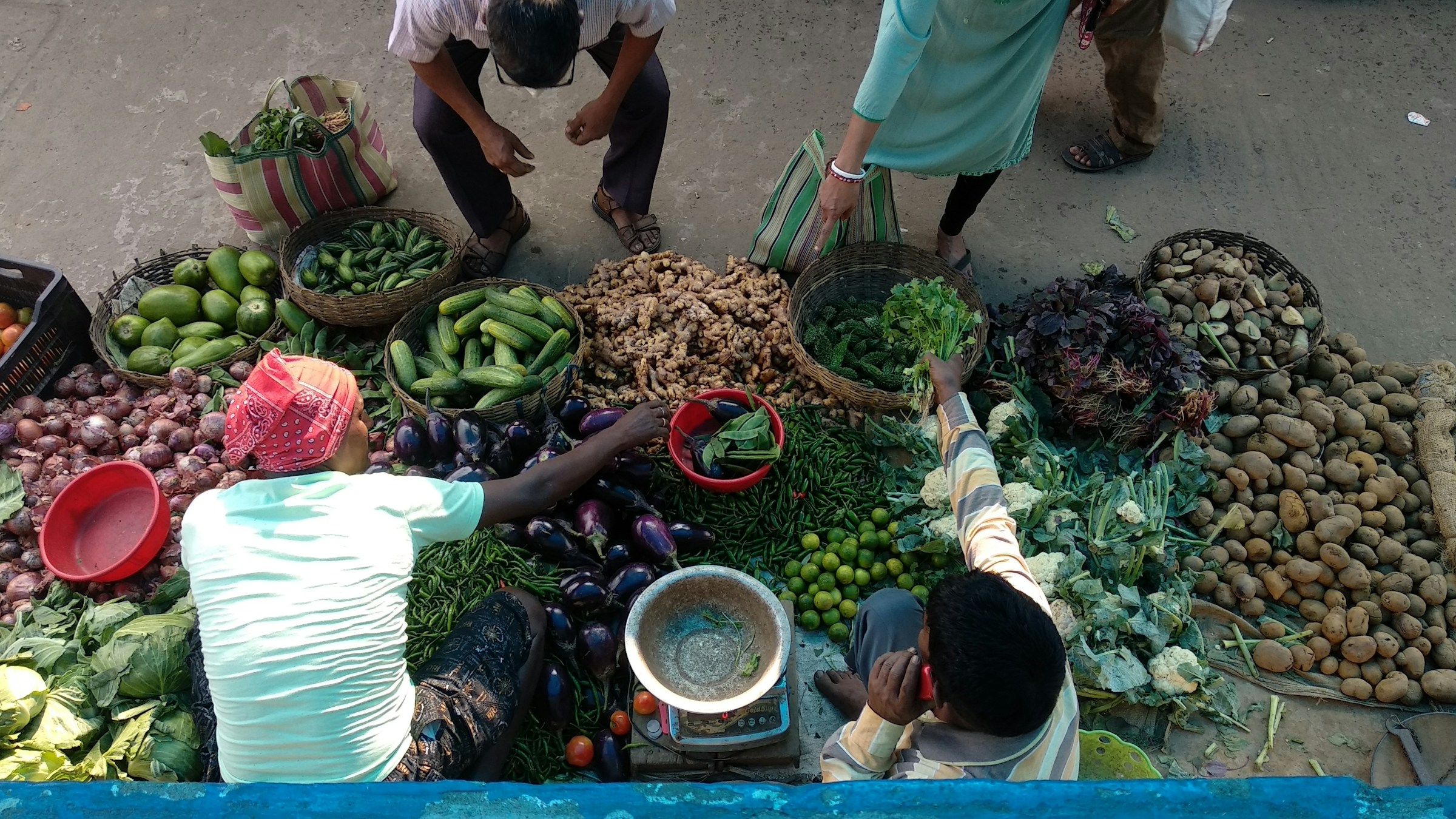
Prior to the 16th century, wheat, cattle-derived beef, milk, and pork were absent from the Western Hemisphere. Consequently, these foods may not be optimal for populations indigenous to this region. In contrast, populations in India evolved in warmer climates with diets emphasizing subtropical foods, vegetables, and carbohydrates.
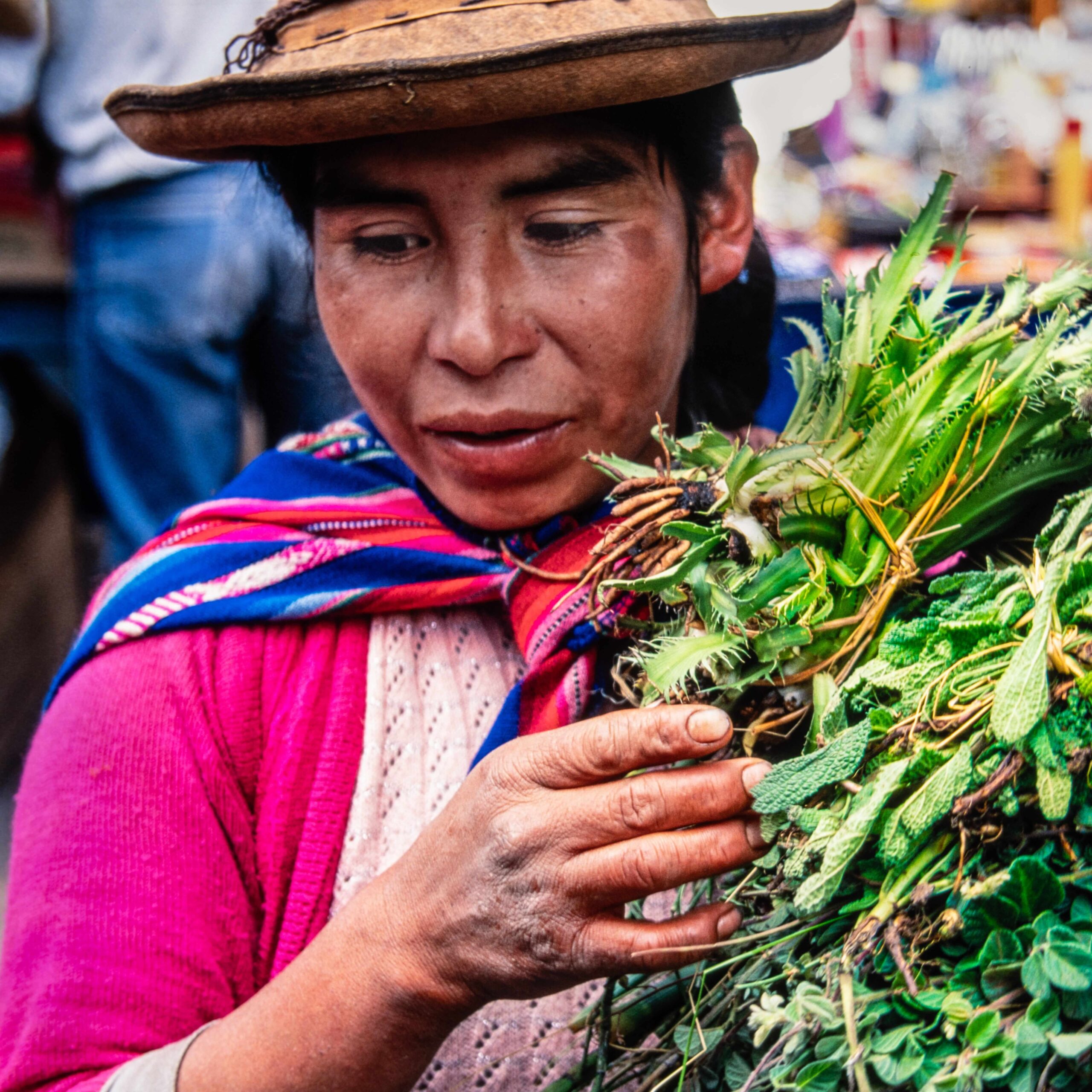
Populations in tropical Mesoamerica, Africa, and India have traditionally sourced fats from nuts, plants, ducks, insects, and turkeys, and have relied on a wide variety of regionally endemic vegetables, fruits, and grains. During his global research, Weston Price inquired, “Who is the healthiest among peoples on the planet?” He observed that all traditional societies consumed moderate amounts of saturated and monounsaturated animal fats, challenging prevailing concerns about saturated fats in modern medicine. Furthermore, Price and other researchers did not identify any entirely vegan societies, indicating that veganism is a contemporary dietary development. While veganism may offer emotional and spiritual benefits, there is limited evidence supporting its biological advantages.
Traditional Diets Across Cultures
Traditional diets exhibit significant variation. For instance, the authentic Inuit diet may consist of up to 75% dietary fat, much of which is saturated and possesses anti-inflammatory properties. In contrast, Indian diets often derive nutrients from substantial quantities of plant proteins, such as nuts and legumes, prepared with anti-inflammatory spices including turmeric, cinnamon, and ginger.
Authentic foods are those foods and medicines that naturally evolved over time within a specific human culture. These foods bring balance to the body, mind, and spirit. How does one integrate authentic foods, traditional foods, and whole foods today while living in rural or urban settings? What are the options and ideas for using food as a delicious source of nutrition and medicine?
Practical Guidance for Daily Eating
As a general rule, we all benefit when the majority of our daily food intake consists of whole, nutrient-dense foods that are freshly prepared. Some proportion of daily food should include both raw and cooked foods, and ideally some wild foods. Food that is obtained from cans or other packages should be minimized.
Many foods provide optimal nutrition and health benefits when consumed with minimal processing, while others require cooking, particularly through long, low-heat methods. Raw foods are especially rich in enzymes essential for health and digestion. Essential preparation techniques that preserve nutritional value include slow cooking in water, boiling, salting, broiling, pickling, roasting, baking, drying, steaming, fermenting, and selective smoking. Frying should be reserved for special occasions. Preparing fresh foods allows for control over ingredients such as salt and commercial fats, thereby maintaining nutritional quality and avoiding harmful preservatives.
Individualized Nutrition
One of the most important elements of successful mental health nutrition is that there is no one diet for everyone. Hence, the ancient wisdom, “One man’s meat is another man’s poison.” For nutrition to be effective, the diet must be tailored to each individual’s metabolism. Nutritional needs are determined biochemically at the individual level. This is genetically based and is culturally and environmentally linked to our ancestry. Aligning our “fuel” with the rate at which we can burn it enhances efficiency and performance. A consistent use of fuel inappropriate for the individual’s body leads to decline.
Eating in accordance with individual metabolic type involves identifying one’s physiological characteristics and understanding how the body digests and metabolizes food, or “fuel.” The rate of carbohydrate digestion, known as the “rate of glucose oxidation,” determines the optimal proportions of carbohydrates, proteins, and fats required for your “fuel mixture”.
Our bodies are determined by our cultural and genetic heritage, which developed in the environment where our ancestors evolved. Just because your people moved out of Africa 400 years ago doesn’t mean your metabolism is much different from your ancestors’. If your ancestors migrated from England to the United States 200 years ago, it doesn’t mean that you can now function as a vegetarian.
We carry the history of our ancestors, in particular our parents, in our genes, and that determines our metabolism. If your people are from Greece and thrived on a Mediterranean diet rich in plant proteins, and you have a child with someone from Greenland, your child will have a dominant metabolism and may need to eat like someone from Greece or Greenland, or perhaps enjoy a mixture.
Returning to traditional nutrition does not entail idealizing the past or rejecting modern advancements. Rather, it involves acknowledging that, in an increasingly disconnected world, food provides a tangible connection to cultural and ancestral roots. Reflecting on ancestral diets and preparation methods allows individuals to engage in a longstanding dialogue between body and environment. Revisiting family culinary traditions or exploring local, wild foods can offer new perspectives. The body embodies generational wisdom. Considering meals as sources of medicine, ceremony, and heritage may transform one’s relationship with food.
This blog was adapted from Dr. Leslie Korn’s Nutrition Essentials for Mental Health: A Complete Guide to the food–mood connection.









Leave a Comment