
A note on the audience: This series is primarily written for my people—for the Sahaptin peoples, the Yakama, Umatilla, Nez Perce, and Wanapum. It is for all those who carry the land’s memory within them. I also extend this message to those outside these traditions who are open to listening and acknowledging what has transpired here. To grasp this message, you do not need to share this worldview; the only requirement is a willingness to learn and listen with your heart.
In the Light of a Dream I Learned from Kiaux
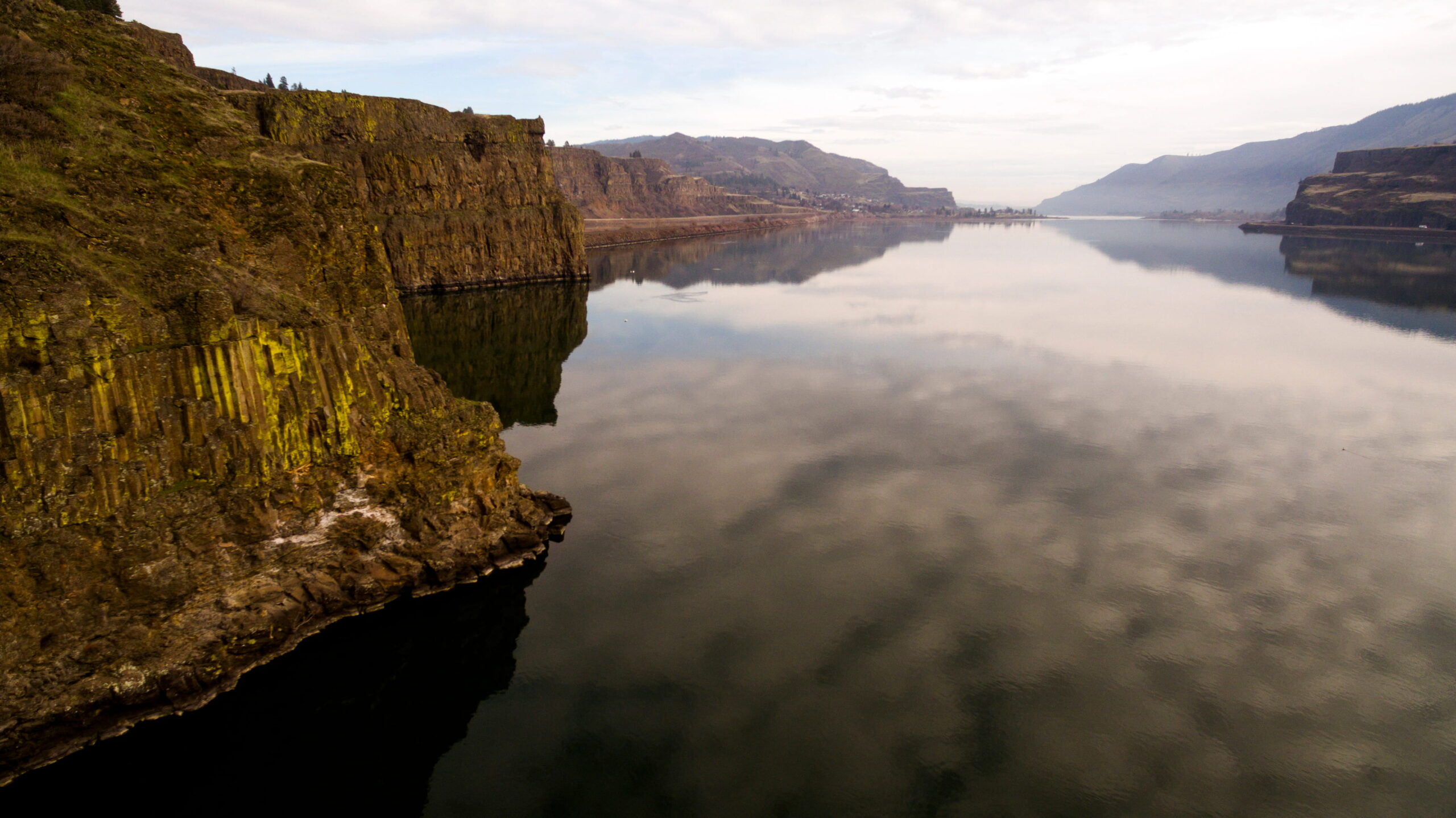
I carry a serious, deeply privileged responsibility as the great-niece of Atwai (the late) Dr. Kiaux (Russell Jim), a Yakama spiritual longhouse leader, scholar, and lifelong defender of our lands. For nearly four decades leading the Yakama Nation’s Environmental Restoration and Waste Management Program (ER/WM), Kiaux fought for the land to keep it from becoming a deep repository and for cleanup and accountability at the Hanford Nuclear Site, still the most contaminated region in the Western Hemisphere, situated on the ancestral homelands of the Sahaptin peoples (Wanapum, Yakama, Umatilla, and Nez Perce), on ceded territory, among the land, river, plants, animals, and wind, all our relatives, our kin, exposed to nuclear toxicity. Documented health consequences of exposure are severe, with radioactive and toxic chemicals released at Hanford shown to cause damage to the liver and other organs, reduced immune function, reproductive harm, and cancer. There is no safe level of radiation exposure1.
Where the Bomb Began
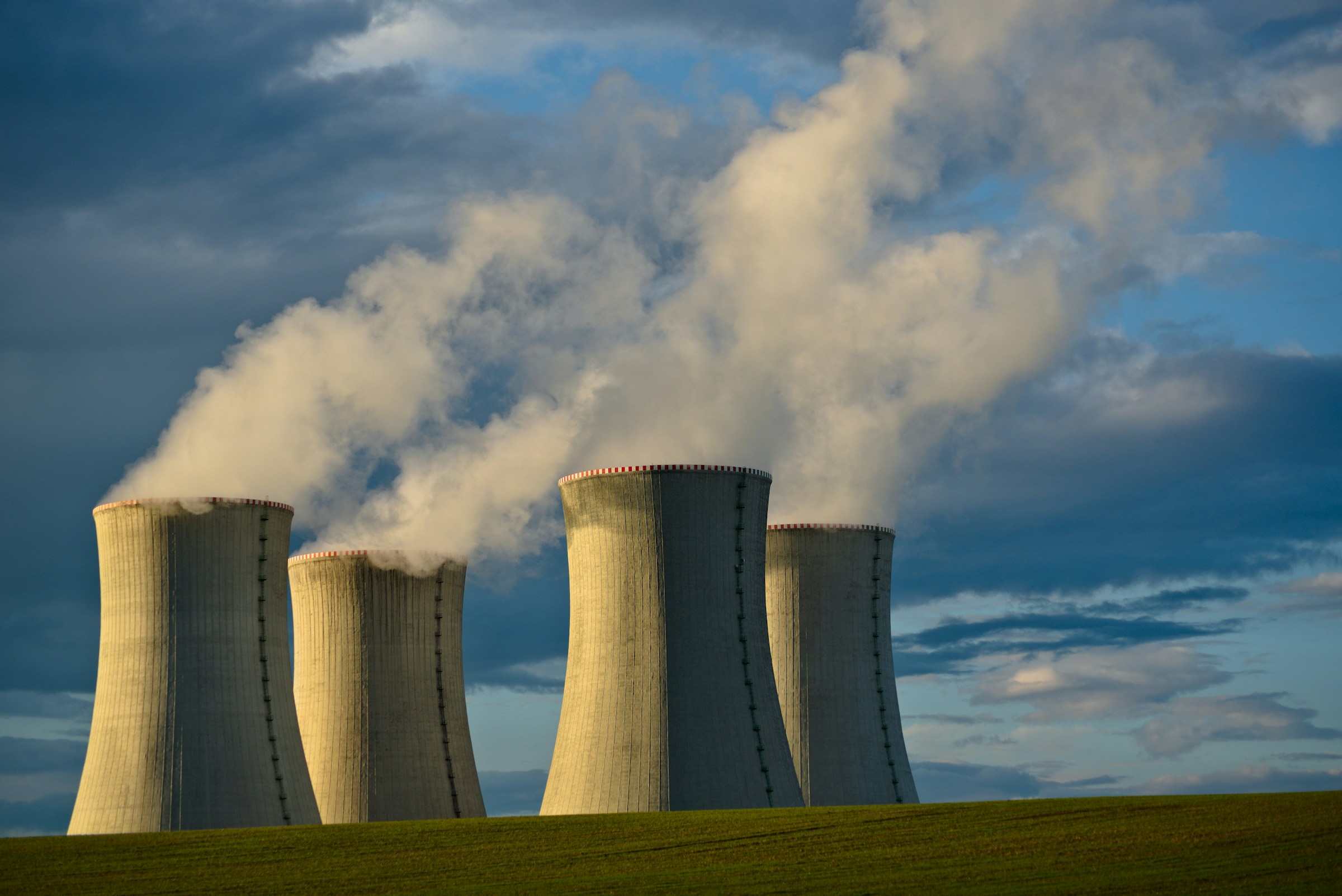
The Manhattan Project at the Hanford Site was established in 1943 to supply the plutonium for the bombs dropped on Hiroshima and Nagasaki in August 19452. The region spans over 500 square miles in southeastern Washington along the Columbia River, and after decades of weapons production, the site was decommissioned3. Left behind were 177 underground tanks containing roughly 56 million gallons of high-level radioactive waste, with dozens leaking into the surrounding soil and groundwater4. This site is now described as one of the most contaminated sites in the western hemisphere, and the largest environmental cleanup project in United States history. The US Department of Energy’s 2025 Hanford Lifecycle Scope, Schedule, and Cost Report estimates up to $ 589.2 billion, an active cleanup schedule extending to at least 2086, and long-term stewardship to at least 21005. The federal presence date is extended “well beyond” this period. Cleanup efforts have been consistently delayed, drastically reconfigured (from turning toxic waste into glass to now suggesting a cheaper alternative of grout, with less integrity and a lower likelihood of long-term storage), and have failed to keep pace with the scale and persistence of contamination6.
What Does Not Show by Taste
At the end of December 2025, I had a dream of him. In the dream, I felt the quiet authority he carried in life. We stood together in a familiar kitchen, it could’ve been my great-grandmother’s (his sister’s) house, with sunlight glowing through the window as he beamed, golden and radiant, pulling fruit one by one from a grocery bag and laying them carefully on the counter. Others were present, but distant. He felt truly here with me, more vivid, solid, slower, and more intentional than ordinary dreams. I studied his face. In awe that it was really him. I traced the resemblance to my relatives, to those who came before and those still with us, feeling warm at his energy and gratitude to share that ordinary moment of food and immense light, it was glimmering, like my Indian name, Thx, Sparkle, the name I received from him at the longhouse when I was thirteen years old.
He did not look directly at me, but he spoke with certainty. He told me there are chemicals in the water, the levels they are testing, and the things that do not show up by taste. Just before this, I had left a bedroom where a stream poured from the ceiling over rock, through a hidden closet meant for unseen storage, echoing Hanford’s underground reactors holding strontium, plutonium, and toxic waste. I told him the water tasted strange. He corrected me sternly: It is not about taste. It is the levels. It is what they test for in that water. As he laid out the fruit, I thought about how water runs through our homes in pipes and systems most people never see, how contamination moves through those hidden spaces, and how that water connects directly to food, medicine, cleansing, and life. In the dream, he was stern. It is not just the water. It is solid. It is the food. It is in the air. It is in the wind.
This dream was not symbolic so much as instructional. It clarified what our elders and tribal environmental leaders have tried to convey for decades. Contamination at Hanford is not only a technical issue but a profoundly relational rupture. It moves through water, wind, food, ceremony, and home, and it affects our bodies because we are of the land. As Kiaux taught through his work and his spiritual lessons, protecting the land is inseparable from protecting our health, our culture, and future generations.
Land as Culture, Identity, and Way of Life: Subsistence as Being, Not Poverty
As with many Indigenous people, including the tribes of the Columbia, asking what traditional medicine is is like asking what life itself is. These two cannot be separated, as natural resources (plants, animals, water, and land) are sacred relatives that sustain the delicate balance of existence in the cycle of life.
Medicines derived from native plants don’t just treat ailments; they also give themselves to support ceremonies, maintain spiritual equilibrium, and weave the fabric of community wellbeing within the ecosystem.
This knowledge is embedded in foodways, ceremony, and relationships with land and water; it cannot be separated from the health of the places where it is practiced. For Yakama and other Sahaptin peoples, a non-toxic Hanford isn’t an environmental preference or regulatory ideal; it is necessary for the continuation of subsistence practices, for ways of life.
As described, “ The subsistence lifestyle is a communal activity that is the basis of cultural existence and survival. It unifies communities as cohesive functioning units through collective production and distribution of the harvest.”7
Epistemology in Practice: Oral Tradition, Language, and Knowledge Transmission
“Oral histories impart basic beliefs, taught moral values, explained the creation of the world, the origin of rituals and customs, the location of food, and the meaning of natural phenomena.”8
This knowledge isn’t written in books. It’s preserved in language, encoded in stories, embodied in ceremonies, and lived through intimate, daily relationships with the land. It passes from grandmother to grandchild, from elder to apprentice, embraced during transformative, yet subtle and quiet moments, those tender experiences, long days gathering roots, warm summer days picking berries, roasting, baking, boiling, frying, or stewing, or for preservation by smoking, drying, freezing, or canning meat, embracing medicine in the steam-filled darkness of a sweathouse, or dancing on the line on the wash (soil center of the longhouse), healing through the beating of the drum.
“Even landmarks have oral traditions associated with them. These landmarks are tangible cultural reminders.”9
“Tribal values lie embedded within the rich traditional landscape and are conveyed to the next generation through oral tradition by the depth of the Indian languages. Numerous landmarks are mnemonics to the events, stories, and traditional practices of native peoples. Within this landscape are songs and fables associated with specific places; when access is denied a song or fable may be lost.”10
The landmarks themselves engage as the storytellers, and the knowledge they impart and hold circulates through place, shifting and guided through cycles and rhythms, through practices and traditions, anchored to specific lands and bodies, and existing along a continuum, an unbroken thread connecting these practices, the land, the elders, and the children.
Longhouse Ceremonies and Communal Religious Practices
Central to religious and healing practices is the longhouse. The religion, also known as Washat (or Washani), the longhouse is a communal and ceremonial gathering place for Sahaptin peoples. Religious services and feasts are centered around the longhouse; they involve prayer, drumming, singing, and dancing. The Hanford site is significant to religious practices:
“The Hanford Reach and the greater Hanford Site, a geographic center for regional American Indian religious activities, is central to the practice of the Indian religion of the Plateau and many believe the Creator made the first people here….Indian religious leaders such as Smoholla, a prophet of Priest Rapids who brought the Washani religion to the Wanapum and others during the late 19th century, began their teachings here. (Relander 1986). Prominent landforms such as Rattlesnake Mountain, Gable Mountain, and Gable Butte, as well as various sites along and including the Columbia River, remain sacred.”11
Within these spaces, drums play a central role in sustaining spiritual and communal life. They symbolize the heartbeat of the earth and children. “Drums are used during ceremonies, the beat of which is considered the heartbeat of the earth and the heartbeat of the children.”12 Feasts and services are also vital to the practice of the longhouse.
Sweathouses and Individual/Communal Healing Practices
Traditionally, sweathouses were mobile, but now often more permanent. Clean water is vital to ensure both physical health and the spiritual integrity and traditional purpose of the sweat ceremony. The source and preparation of water and materials reflect the deep relational ethic embedded in these practices. Water for the sweathouse should be collected from uncontaminated natural sources (springs, streams, rivers), and the materials used to build it should be gathered from the immediate natural environment, with prayers and gratitude. “The use of the sweathouse is both a cleansing and spiritual practice, promoting purification, meditation, healing, and community bonding. Sweathouse use also increases the general water consumption rate in order to replenish water loss during sweating.”13
During sweathouse ceremonies, heated porous rocks are placed inside, and water is poured over them to create steam. This process produces water vapor that is inhaled and also allows dermal contact, creating potential exposure pathways. The time spent inside the sweathouse varies among individuals, ranging from as little as 90 minutes per year to as much as 7 hours per day, with an average of 5 hours per week.14
The spiritual and communal dimensions of the sweathouse are captured in the experiences of participants: “One purpose of a sweat lodge is for purification. It is for cleansing and a time for meditation, spiritual reflection, healing, sharing oral history, and teaching.” They also provide “a place of contemplation and an opportunity to relieve stress and anxiety built up from the day’s activities. It is a place for centering your soul through prayer and meditation. It is also a place where many socialize with family and friends and learn what is happening in the community.”15 This practice links the physical, spiritual, and social dimensions of wellbeing and shows that ceremony, health, and environmental integrity are one.
What Came Before and Those Yet Born
Nearly four decades of fighting for this land, Atwai Kiaux’s life and legacy continue to shape my own journey. I do not claim to carry his work forward in any equal measure; I walk with humility, guided by ancestral instruction, by spiritual occurrences like the dream that opened this series, and by my responsibility to the generations yet to come. What moves me is what has always moved our people: the land, the water, and the obligation to protect them. If bringing attention to this place does anything, I hope it deepens public understanding of the gravity of what has happened here and what continues to happen, and that it adds even one more voice to the demand for restoration, remediation, and the upholding of treaty obligations. When the land is wounded, the harm moves through water, food, ceremony, language, sacred sites, and bodies. The longhouse, the sweathouse, the root grounds, and the river are living systems of medicine, governance, and identity, and their continuity depends entirely on the ecological integrity of the Hanford site. What happens there determines whether these systems of holistic health (cultural, physical, spiritual, ecological, and communal) can be sustained.
The regulatory frameworks that govern Hanford were not designed for the people most harmed by it. Federal guidance does not adequately reflect a Native American subsistence lifestyle, and conventional risk assessments rarely fit Native communities, whose close relationships with natural resources are often ignored16. Among many tribal members, withholding accurate consumption data is related to a lack of trust in the interviewer, and a desire to protect data from misuse, leading to systematic undercounts that could minimize the harm and justify inadequate cleanup17.
Into the Sacred Pharmacy
In Part 2 of this series, I move from these relational foundations to the specific, naming exactly what is at stake within the sacred pharmacy. From cous root and camas to salmon, elk, and sagebrush, to the water that connects us all, the conduit to healing and sustainability, I examine the species central to this region and vital to Columbia Plateau tribes’ traditional medicine, and what contamination means for each. From there, I turn to the whole system, what it means for sustenance, for medicine, and for spiritual law when exposure to harm occurs without consent, without consent from the people, and without consent from the land herself.
Endnotes
- RIDOLFI Inc. (Ridolfi), Yakama Nation Exposure Scenario for Hanford Site Risk Assessment (Richland, WA: Yakama Nation ERWM Program, September 2007).
- Carina Attanasio, “From Bombs to Glass: Hanford Site Can Now Transform Nuclear Waste,” Associated Press, October 2, 2025, https://www.apnews.com/article/5be8afc40aae87237bb36cf7fca9f46b.
- Ibid.
- Washington State Department of Ecology, “Hanford Leaking Tanks,” accessed February 17, 2026, https://ecology.wa.gov/waste-toxics/nuclear-waste/hanford-cleanup/leaking-tanks.
- U.S. Department of Energy, 2025 Hanford Lifecycle Scope, Schedule, and Cost Report (Richland, WA: Office of Environmental Management, March 2025), https://www.hanford.gov/files.cfm/HMIS_LCR_2025_Compiled_2-27-25_Public.pdf.
- Christine Attanasio, “From Bombs to Glass: Hanford Site Can Now Transform Nuclear Waste,” Associated Press, October 2, 2025, https://www.apnews.com/article/5be8afc40aae87237bb36cf7fca9f46b.
- RIDOLFI Inc. (Ridolfi), Yakama Nation Exposure Scenario for Hanford Site Risk Assessment, 131.
- Ibid., 97.
- Ibid., 98.
- Ibid., 206.
- Ibid., 115.
- Ibid., 39.
- Ibid., 37–38.
- Ibid., 38.
- Ibid., 98.
- Ibid., 17.
- Ibid., 181.






Leave a Comment