
Center for Traditional Medicine
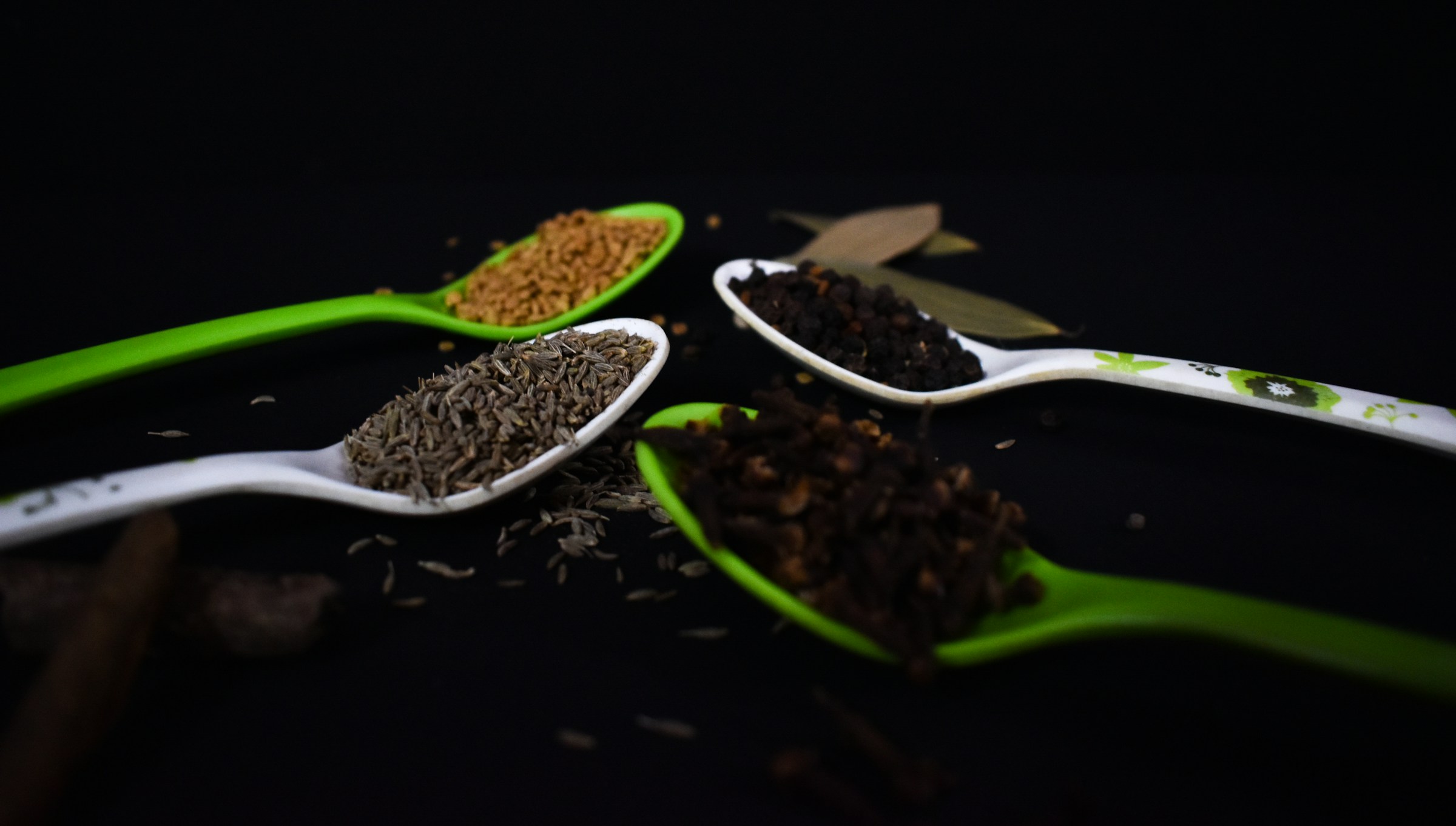
Four spoons holding unlabeled dried herbs.

Type II diabetes mellitus (T2DM) is a leading health concern, particularly for communities experiencing food insecurity and limited food sovereignty. Ethnobotanical treatment and management strategies have shown promising potential in addressing the rising prevalence of T2DM.
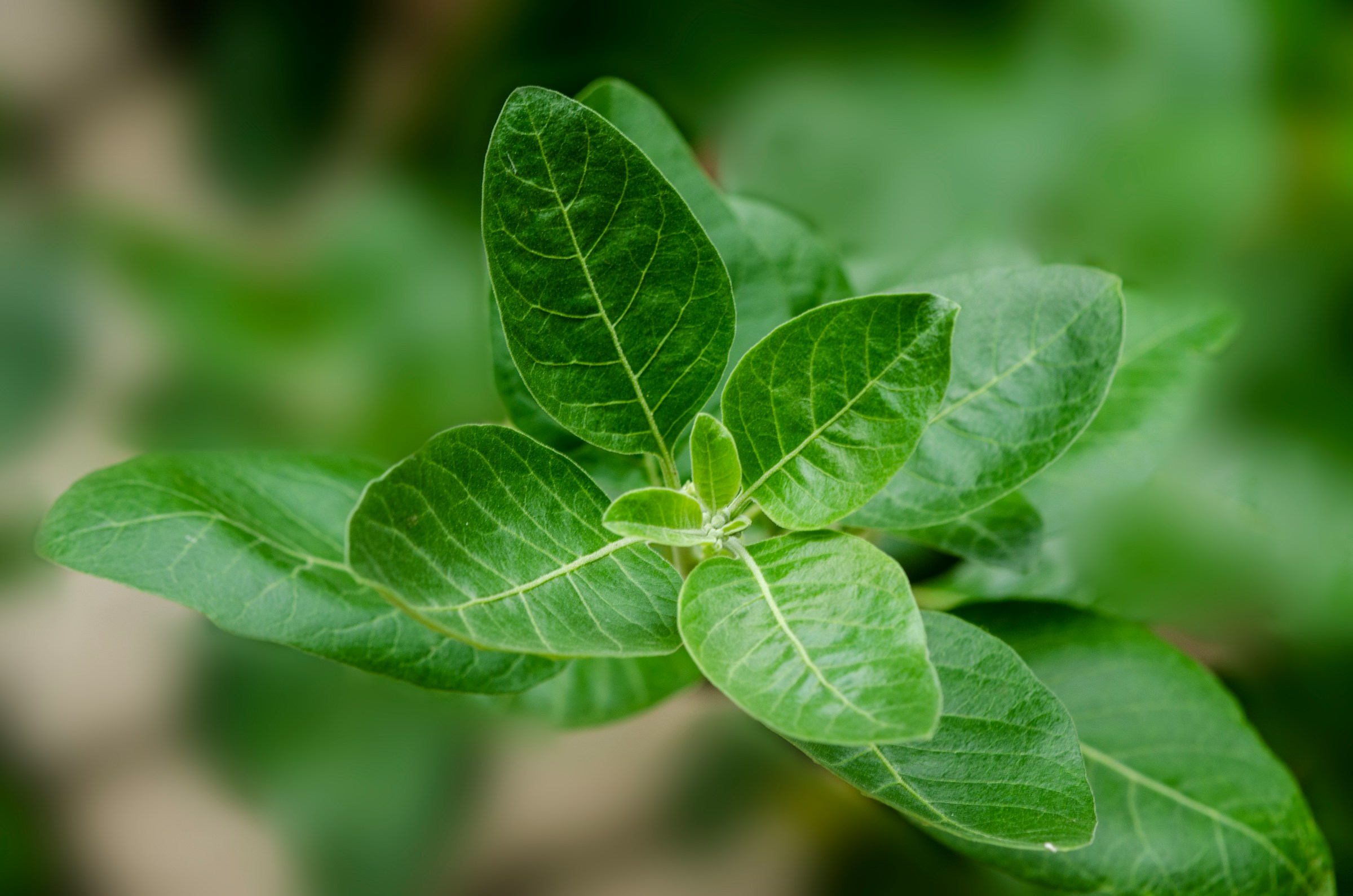
Leaves of an Ashwagandha plant.

Ashwagandha, an herb traditionally used in Ayurvedic healing, has been widely adopted and integrated into public consumption and Western medical research. In athletes, ashwagandha supplementation may support muscle recovery, reduce oxidative stress, and improve strength- and endurance-related fitness measures.

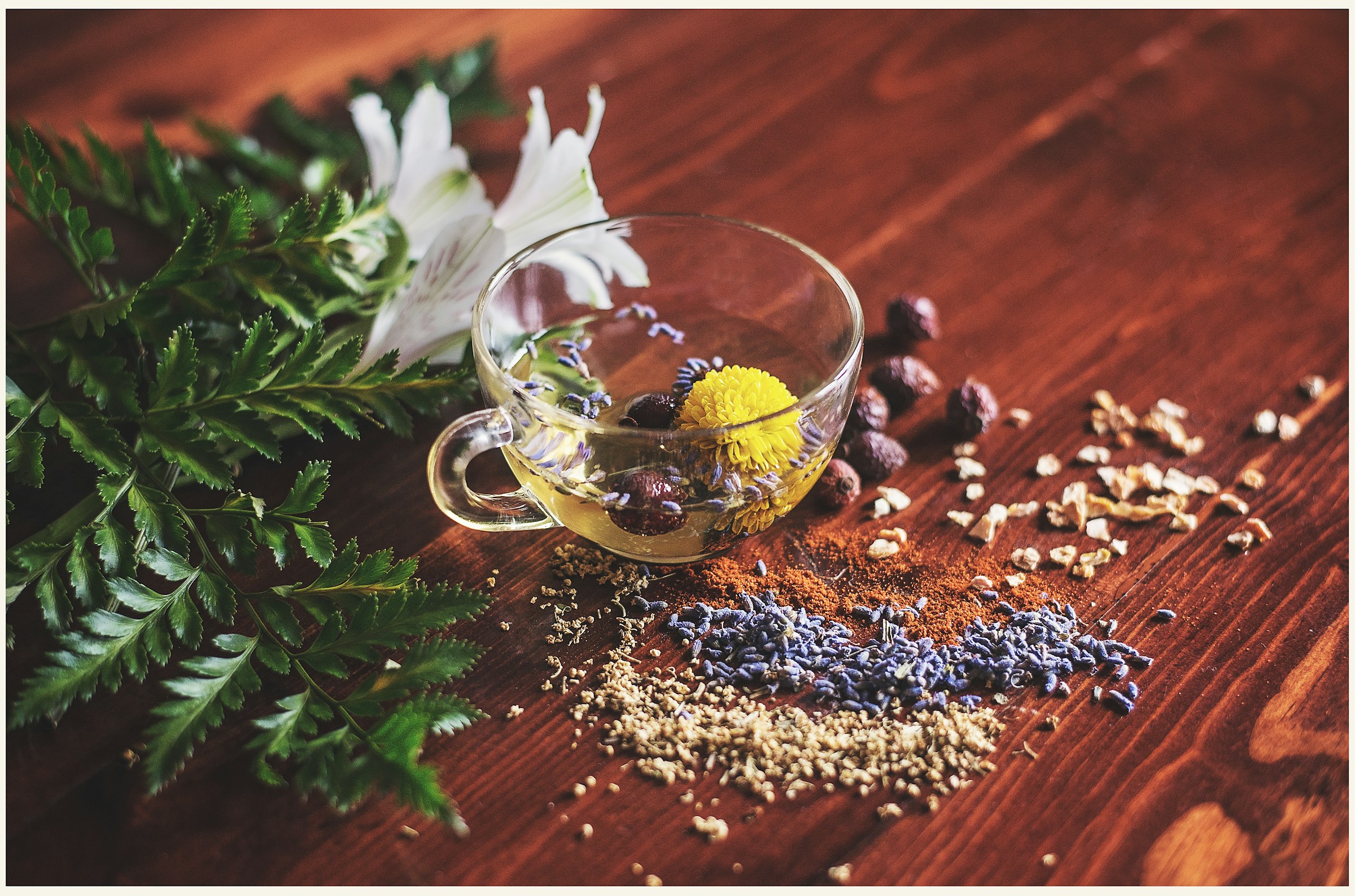
A tea cup containing various plants brewing tea.

Herbal medicine uses plants to prevent disease, treat illness, and maintain health. It developed over centuries through cultural exchange, philosophy, and experimentation with native plants.

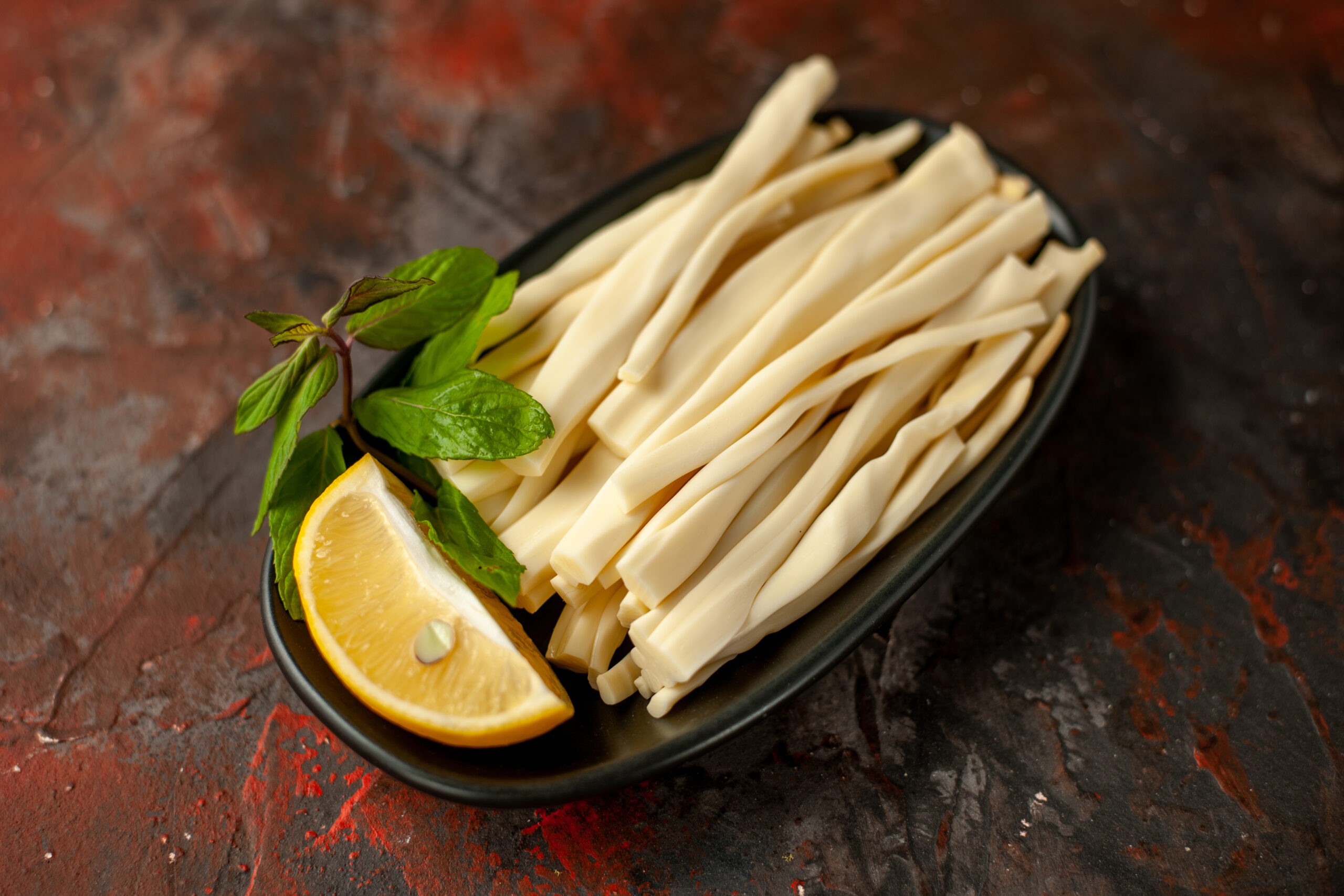
Asparagus racemosus (Shatavari) with lemon slice.

Shatavari (Asparagus racemosus) is an Ayurvedic herb used in herbal medicine for hormonal balance and stress adaptation. Although traditionally said to foster attachment and affection, Shatavari root extract is now more commonly recognized for its phytoestrogenic activity.

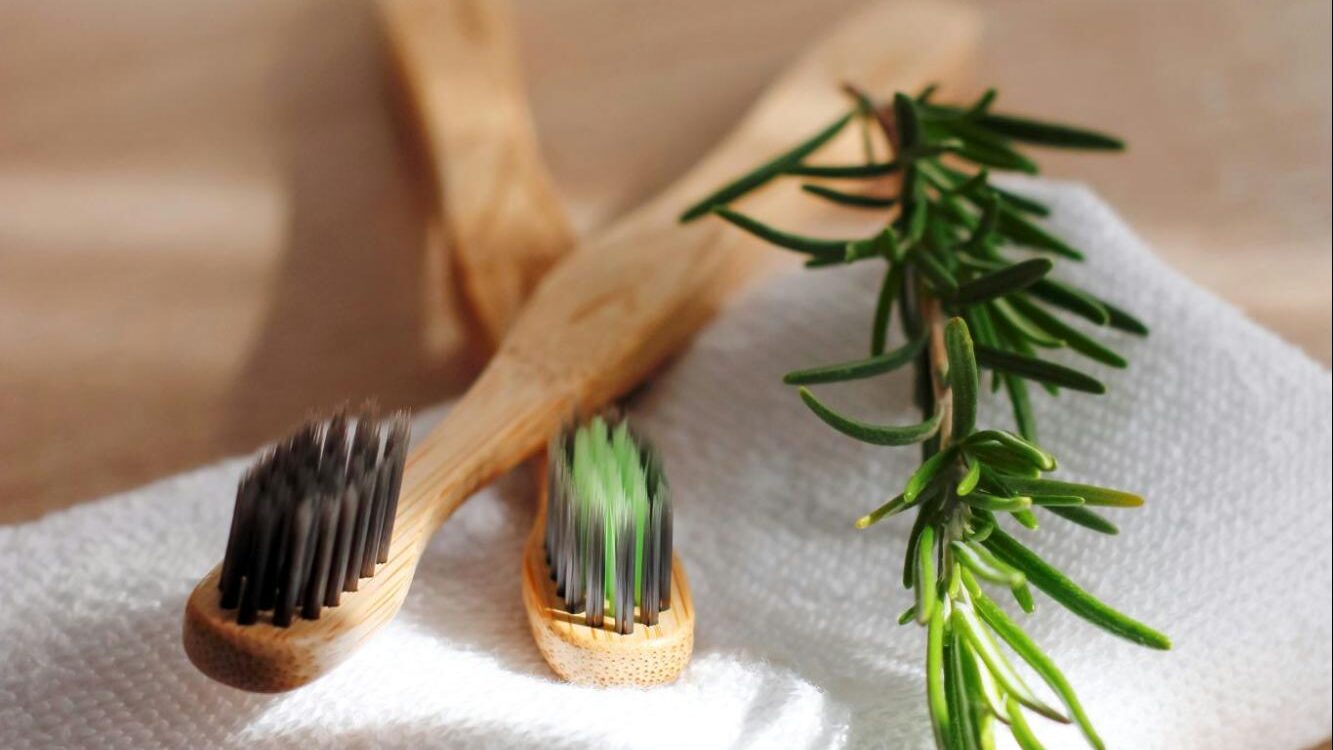
Oral diseases are a leading public health concern, affecting nearly half of the global population. In low-income countries, access to dental care is often limited due to high costs and inadequate healthcare infrastructure.