

Center for Traditional Medicine

CTM Curated Research

Traditional Medicine for Oral Health: Applications of Herbal Healing in the Prevention and Management of Dental Diseases

Oral diseases are a leading public health concern, affecting nearly half of the global population. In low-income countries, access to dental care is often limited due to high costs and inadequate healthcare infrastructure. Traditional healing practices offer both complementary and independent treatment options for the prevention and management of dental diseases.

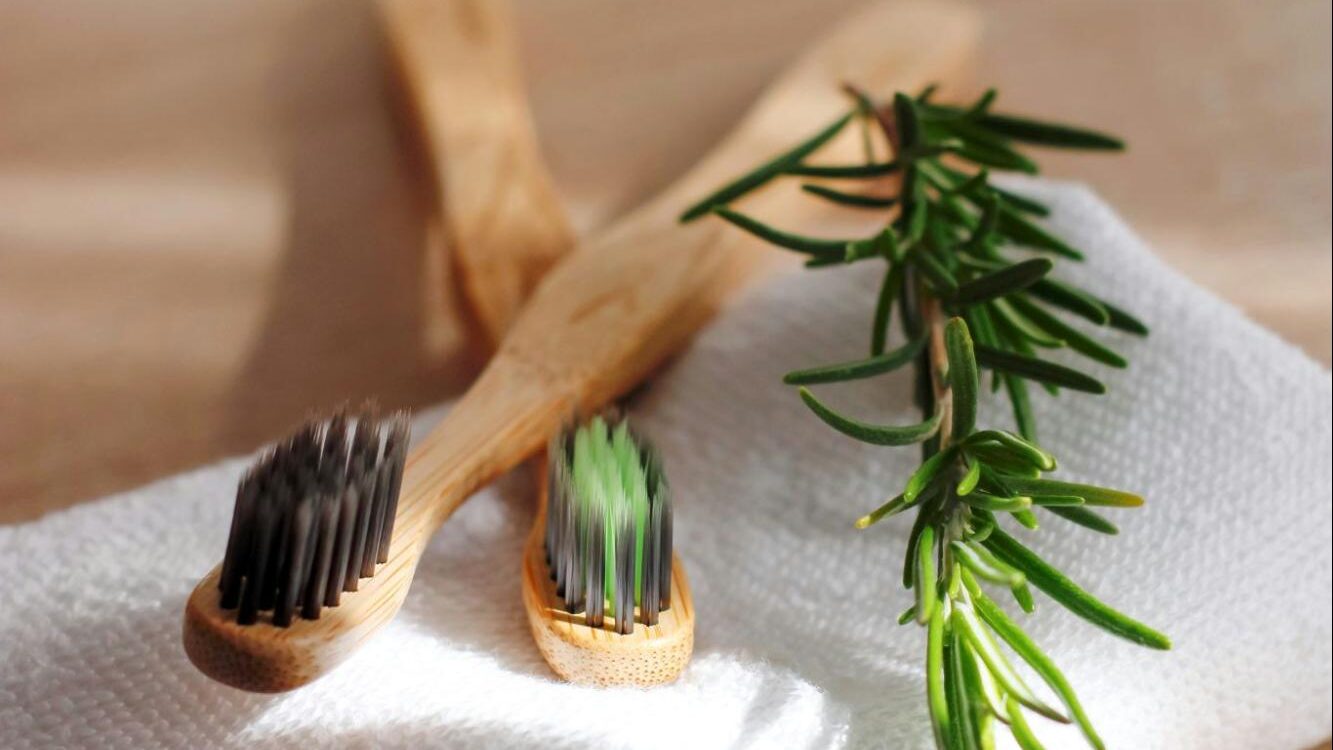
Photo: Nataliya Melnychuk at Unsplash.

Traditional medicine is often grounded in plant-based interventions, using local flora to address health concerns and maintain well-being. Approximately 80% of the world’s population uses herbal medicine, particularly individuals living in rural and low-income regions. These communities frequently experience higher rates of oral diseases and often lack access to proper healthcare services.

Natural compounds derived from plants have shown promising results in preserving dental health and reducing the prevalence of oral diseases. Their antimicrobial and antioxidant properties suggest considerable potential for controlling dental caries and serving as complementary components of routine oral care protocols. Herbal healing strategies often adopt a more holistic approach to dental health, offering accessible care services and effective dental care.

Advancing research on traditional oral health interventions could help address both the global dental public health crisis and persistent healthcare disparities. Traditional remedies are often significantly less expensive than their biomedical counterparts and may be accessible through alternative payment arrangements, including credit or labor-based compensation. As herbal healing becomes an increasingly prominent component of dental healthcare, clinical research and literature reviews continue to strengthen the evidence base supporting the efficacy of plant-based interventions. The following five studies exemplify the success of traditional healing strategies worldwide in mediating dental diseases and reducing healthcare inequality.

The first study explored whether integrating Chinese herbal medicines (CHMs) with routine treatments for Sjogren’s Syndrome (SS) could reduce the likelihood of developing dental diseases (DD). SS is a chronic autoimmune disease that increases susceptibility to dental diseases. This heightened risk stems from damage to the salivary glands, which reduces saliva production and, consequently, increases the incidence of dental caries, pulpitis, gingivitis, and other oral conditions. The study recruited 586 participants diagnosed with SS who had experienced some form of DD, alongside 586 individuals who served as non-DD controls. Results demonstrated that the addition of CHMs to routine SS treatment was significantly correlated with lower rates of DD. Participants receiving CHM treatment for over 1 year exhibited a 44% reduction in DD susceptibility, indicating a dose-dependent effect: longer treatment duration was associated with better outcomes. These findings showed that embedding CHMs into routine SS treatment may help prevent subsequent dental diseases and support the integration of diverse healing systems within existing biomedical frameworks.

The second study reviewed and critically analyzed existing research on the use of phytochemicals derived from plant-based compounds to manage dental caries. Dental caries is a noncommunicable disease and a major global public health issue, affecting approximately 3.5 billion people worldwide. This study reviewed 31 articles suggesting that several plant-based compounds exhibit notable antibacterial effects against Streptococcus mutans and other bacteria associated with dental caries. Findings indicated that herbal extracts possess significant antimicrobial and antibiofilm properties against oral pathogens, highlighting their potential integration into oral healthcare products and treatment strategies. The authors emphasized the need for further research to validate the safety and efficacy of plant extracts in clinical settings. Nevertheless, natural compounds are promising preventive agents for dental caries, offering an effective and sustainable approach to improving oral health worldwide.  

The third article explored the potential of green tea (Camellia sinensis) in managing periodontal disease, which is often characterized by inflammation, microbial imbalances, and tissue deterioration. Traditionally used in ancient Asian healing systems throughout China, Japan, Korea, and India, green tea was employed to control bleeding, aid digestion, stimulate attention, and regulate body temperature. Today, its bioactive components, particularly epigallocatechin-3-gallate (EGCG), demonstrate promising potential to inhibit bacterial adhesion and modulate inflammatory pathways involved in dental diseases. Clinical studies have found that regular consumption of green tea may serve as an effective supplement to mechanical periodontal treatment by helping maintain healthy gums and reducing periodontal pocket depth and bleeding. Despite moderate efficacy compared with established biomedical treatments, these findings reinforce green tea as a sustainable and biocompatible approach to periodontal therapy.

The fourth study reviewed scientific literature to identify Latin American medicinal plants with therapeutic potential in dental health. This review also examined the clinical and ethnobotanical applications of plant species with anti-inflammatory, healing, and relaxing properties for dental-related conditions. Among the 63 studies analyzed, Aloe vera and propolis had the strongest clinical evidence supporting their efficacy in dental care. However, rosemary, moringa, and basil were also widely represented as species with high therapeutic potential. Collectively, these medicinal plants demonstrated strong empirical support for their potential in dental therapy and the management of periodontal inflammation and oral disease. Additional research must be pursued on the latter plant species to provide stronger clinical validation. The authors concluded that advancing the understanding and application of Latin American herbal remedies in dental care requires both rigorous validation through randomized controlled trials and sustainable sourcing practices to ensure that phytotherapy remains safe, effective, and accessible.

The fifth study reviewed 13 articles concerning the use of traditional medicine for oral healthcare in Africa. The review aimed to highlight existing literature and identify knowledge gaps in oral healthcare frameworks across various African countries. All 13 studies were either experimental investigations or ethnobotanical surveys examining the effects of plants and plant extracts on cariogenic or periodontopathogenic organisms. Ethnobotanical studies, in particular, emphasized the widespread use of plant-based products, often applied topically or used as mouth rinses, to manage dental caries, caries-related conditions, and periodontal diseases. Among the compiled findings, the Solanaceae family was the most commonly used plant family for managing oral diseases. Although the study sought primarily to identify common African traditional healing strategies, researchers also concluded that these interventions were not only effective but also often more affordable than biomedical alternatives, with payment options more conducive to populations experiencing socioeconomic disparities. The study called for further development of the clinical evidence base for traditional oral healthcare practices to promote equal access to oral health services in low-income African countries.

Tags: bacterial activity, clinical trial, dental care, dental caries, dental diseases, dental health, herbal healing, integration of care, literature review, traditional healing, traditional medicine

Research Glossary

Research has its own vocabulary. To help you decipher research, we created a Glossary to ease the way.
You may access it here: Research Glossary

Referenced Research Publications

Medicina
2025, August 27

The Addition of Chinese Herbal Medicines Is Effective as a Prophylactic Treatment Against Dental Diseases for Sjögren’s Syndrome Patients: Insight from Real-World Database

Abstract

Background and Objectives: Sjögren’s syndrome (SS) is a chronic autoimmune disease that affects the salivary glands and increases the risk of developing dental diseases (DDs). Chinese herbal medicines (CHMs) represent a promising alternative strategy for SS treatment; however, the association between CHMs and DD risk has not been confirmed. In this retrospective, cohort-based, nested case-control study, we explored whether or not combining CHMs with routine treatments for SS can reduce the chance of DDs. Materials and Methods: In the beginning, we recruited subjects aged 20–80 years with newly diagnosed SS who were free of DDs between 2001 and 2009 from a nationwide insurance database. We identified DD events that occurred after SS diagnosis until 31 December, 2013. Corresponding controls were randomly selected from the remaining enrollees using a pair-matched approach. We then exploited conditional logistic regression to explore the association between CHM use and subsequent risk of DD development. Results: Based on the recruited 586 DD cases and 586 non-DD controls, we noted that adding CHMs to routine SS treatment substantially correlated with a lower risk of developing DDs (adjusted odds ratio = 0.68; 95% confidence interval = 0.52–0.90). Notably, for those receiving CHM treatment for more than 365 days, CHM use greatly reduced DD susceptibility, by 44%. Conclusions: Embedding CHMs within routine SS care can prevent subsequent DDs incidence, implying the urgent need for interdisciplinary collaboration and careful treatment planning.

Reference

Juan, C.-Y., Chen, W.-J., Livneh, H., Lu, M.-C., & Tsai, T.-Y. (2025). The Addition of Chinese Herbal Medicines Is Effective as a Prophylactic Treatment Against Dental Diseases for Sjögren’s Syndrome Patients: Insight from Real-World Database. Medicina61(9), 1537. https://doi.org/10.3390/medicina61091537

Current Issues in Molecular Biology
2024, May 26

Plant-Derived Compounds: A Promising Tool for Dental Caries Prevention

Abstract

There is a growing shift from the use of conventional pharmaceutical oral care products to the use of herbal extracts and traditional remedies in dental caries prevention. This is attributed to the potential environmental and health implications of contemporary oral products. This comprehensive review aims at the analysis of plant-derived compounds as preventive modalities in dental caries research. It focuses on data collected from 2019 until recently, trying to emphasize current trends in this topic. The research findings suggest that several plant-derived compounds, either aqueous or ethanolic, exhibit notable antibacterial effects against Streptococcus mutans and other bacteria related to dental caries, with some extracts demonstrating an efficacy comparable to that of chlorhexidine. Furthermore, in vivo studies using plant-derived compounds incorporated in food derivatives, such as lollipops, have shown promising results by significantly reducing Streptococcus mutans in high-risk caries children. In vitro studies on plant-derived compounds have revealed bactericidal and bacteriostatic activity against S. mutans, suggesting their potential use as dental caries preventive agents. Medicinal plants, plant-derived phytochemicals, essential oils, and other food compounds have exhibited promising antimicrobial activity against oral pathogens, either by their anti-adhesion activity, the inhibition of extracellular microbial enzymes, or their direct action on microbial species and acid production. However, further research is needed to assess their antimicrobial activity and to evaluate the cytotoxicity and safety profiles of these plant-derived compounds before their widespread clinical use can be recommended.

Reference

Tzimas, K., Antoniadou, M., Varzakas, T., & Voidarou, C. (2024). Plant-Derived Compounds: A Promising Tool for Dental Caries Prevention. Current Issues in Molecular Biology46(6), 5257-5290. https://doi.org/10.3390/cimb46060315

Pharmaceuticals
2025, March 14

Green Tea: A Novel Perspective on the Traditional Plant’s Potential in Managing Periodontal Diseases

Abstract

Green tea (Camellia sinensis) exhibits significant potential in oral health due to its antioxidant, anti-inflammatory, and antimicrobial properties. This review explores its role in managing periodontal disease, a common condition characterized by inflammation, microbial imbalances, and tissue destruction. The primary bioactive components, particularly epigallocatechin-3-gallate (EGCG), contribute to green tea’s therapeutic effects by inhibiting bacterial adhesion, modulating inflammatory pathways, and reducing oxidative stress. Clinical studies suggest green tea improves periodontal health by reducing pocket depth, inflammation, and bleeding. It can serve as an adjunct to conventional therapies, including scaling and root planing, and be incorporated into oral care products such as mouthwashes and dentifrices. Furthermore, green tea presents a natural alternative to chemical agents like chlorhexidine, potentially mitigating side effects and addressing concerns about antibiotic resistance. However, its efficacy remains moderate compared to established treatments, highlighting the need for further research to optimize its formulation and therapeutic applications. Green tea represents a sustainable and biocompatible approach to periodontal therapy, supporting its integration into preventive and therapeutic oral health strategies.

Reference

Paczkowska-Walendowska, M., Grzegorzewski, J., Kwiatek, J., Leśna, M., & Cielecka-Piontek, J. (2025). Green Tea: A Novel Perspective on the Traditional Plant’s Potential in Managing Periodontal Diseases. Pharmaceuticals18(3), 409. https://doi.org/10.3390/ph18030409

International Journal of Molecular Sciences
2025, November 27

Therapeutic Potential of Latin American Medicinal Plants in Oral Diseases: From Dental Pain to Periodontal Inflammation—A Systematic Review

Abstract

Oral diseases pose a major public health challenge, especially in low-income countries where dental care is limited due to high costs. In this context, phytotherapy has gained attention as a complementary approach due to its bacteriostatic, anti-inflammatory, healing, and analgesic properties. These therapeutic effects are mainly attributed to plant-derived bioactive metabolites, which interact with cellular structures, especially the plasma membrane, to modulate inflammation, stimulate tissue regeneration, and support antimicrobial defense. This review systematically examined the scientific literature to identify Latin American medicinal plants with therapeutic potential in dentistry. Based on their clinical and ethnobotanical applications, the analysis focused on species with anti-inflammatory, healing, analgesic, and relaxing effects, particularly in conditions such as dental pain, gingivitis, and periodontitis. Given the close relationship between pain, inflammation, and periodontal disease, these conditions cannot be studied in isolation. Gingivitis and periodontitis often present with painful symptoms and inflammatory responses that overlap with mechanisms of tissue damage and repair. Therefore, broadening the scope of this review allows for a more comprehensive understanding of how Latin American medicinal plants can contribute not only to pain relief but also to periodontal health, inflammation control, and wound healing. Fifty plant species were identified. Among these, 35 exhibited anti-inflammatory activity, 28 had healing properties, 20 showed analgesic effects, and 12 were associated with relaxing properties. Mexico accounted for the highest proportion of species (60%), followed by Colombia and Peru (54%) and then Brazil (32%). These percentages represent the proportion of plant species reported in studies originating from each country, relative to the total number of species identified in the review. The most studied species were Salvia rosmarinus Spenn. (Lamiaceae), Moringa oleifera Lam. (Moringaceae), Aloe vera (L.) Burm.f. (Asphodelaceae), and Ocimum basilicum L. (Lamiaceae). Latin American medicinal plants demonstrate strong potential not only in dental therapy but also in the management of periodontal inflammation and oral diseases. However, further research and clinical validation are needed to ensure their safe integration into conventional treatments.

Reference

Ramírez-Torres, V., Torres-León, C., Londoño-Hernandez, L., Gómez-García, R., & Ramírez-Guzmán, N. (2025). Therapeutic Potential of Latin American Medicinal Plants in Oral Diseases: From Dental Pain to Periodontal Inflammation—A Systematic Review. International Journal of Molecular Sciences26(23), 11502. https://doi.org/10.3390/ijms262311502

PLOS One
2024, May 28

A scoping review on the use of traditional medicine and oral health in Africa

Abstract

Background

This review aimed to chart the landscape of literature concerning the precise applications of traditional medicine in managing specific oral diseases and, in doing so, to pinpoint knowledge gaps surrounding the use of traditional medicine for oral disease management in the African context.

Methods

A systematic search of the literature was conducted on PubMed, Web of Science, Scopus, and CINAHL. The search was conducted from the inception of the database till September 2023. A search of related citations and references was also carried out. Only English language publications were included. A summary of studies that met the inclusion criteria was conducted.

Results

Of the 584 records identified, 11 were duplicates and 12 studies, published between 2006 and 2021, met the inclusion criteria. The studies were published from eight countries located in the five sub-regions on the continent. All the studies were either experimental designs or ethnobotanical surveys and they all utilized plant-based remedies. The five experimental studies aimed to assess the impact of whole plants or plant extracts on the three microorganisms responsible for dental caries and seven responsible for periodontal diseases. The number of plant species identified by the seven ethnobotanical surveys ranged from 29 to 62 while the number of plan families ranged from 15 to 29. The remedies were either topical applied, use as mouth rinses, gargled, or chewed. The systemic routes of administration identified were inhalation and drinking. The remedies were used for the treatment of hard such as dental caries and tooth sensitivity, to soft tissue lesions such as mouth ulcers, gingival bleeding, and mouth thrush. Other oral disorders managed include halitosis, jaw fracture, and oral cancer.

Conclusions

Given the increasing prevalence of oral diseases within the region, the shortage of oral healthcare professionals and limited access to financial resources, it becomes imperative to support the generation of empirical evidence to enhance the provision of traditional medicine for oral healthcare in Africa.

Reference

Foláyan, M. O., Olagunju, M. T., Abodunrin, O. R., & Alade, O. T. (2024). A scoping review on the use of traditional medicine and oral health in Africa. PLOS ONE, 19(5), e0297570. https://doi.org/10.1371/journal.pone.0297570