

Center for Traditional Medicine

CTM Curated Research

Traditional Herbal Medicine: Botanical Interventions for the Treatment and Management of Type 2 Diabetes Mellitus

Type II diabetes mellitus (T2DM) is a leading health concern, particularly for communities experiencing food insecurity and limited food sovereignty. Ethnobotanical treatment and management strategies have shown promising potential in addressing the rising prevalence of T2DM.

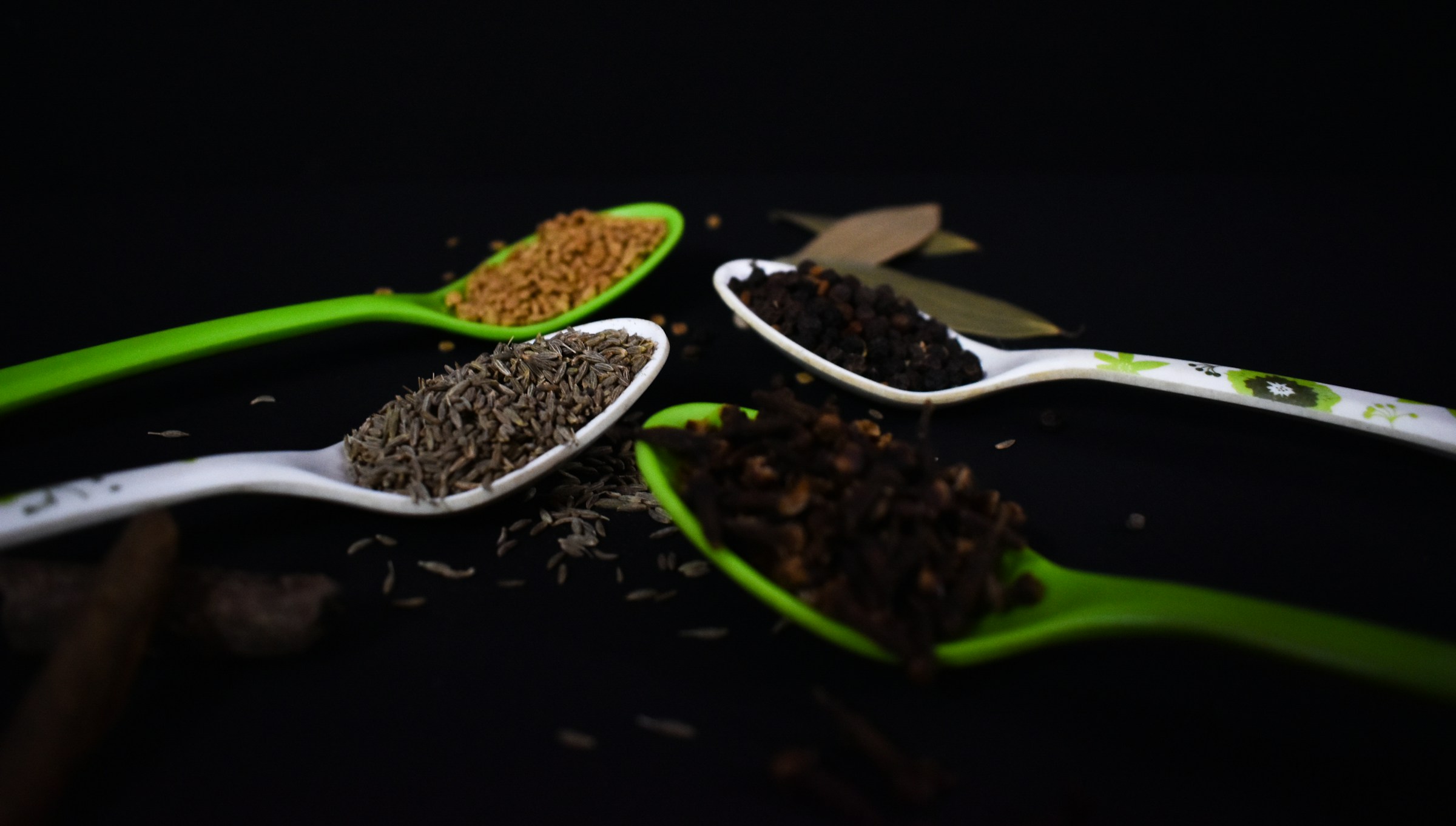
Four spoons holding unlabeled dried herbs.
Four spoons holding unlabeled dried herbs. Photo by Vipin Kumar on Unsplash.

Type II diabetes mellitus (T2DM) is becoming an increasingly prevalent public health concern, affecting an estimated 7% of the global population. This number is rising rapidly and is commonly associated with risk factors such as food insecurity, sedentary lifestyles, obesity, and elevated oxidative stress.

T2DM is a metabolic disorder characterized by high blood glucose levels resulting from either insulin resistance or defects in insulin secretion. Recent findings suggest a rising incidence of T2DM among younger populations, highlighting the need for effective and accessible care, particularly in communities with limited access to pharmacological healing.

Conventional biomedical treatment typically includes both lifestyle modifications and pharmacologic interventions aimed at reducing blood glucose levels and counteracting hyperglycemia. Medications such as Metformin, which improves insulin sensitivity in the liver, and newer therapies such as GLP-1 receptor agonists, which stimulate insulin release and regulate appetite, address many of the primary effects of T2DM. Lifestyle modifications generally prioritize dietary changes to reduce sugar intake, regular exercise, and weight loss. Although these treatment options are often effective, they may be associated with long-term side effects and remain inaccessible to many populations experiencing disproportionately high rates of T2DM.

Integrative strategies that combine herbal medicine with pharmacological therapies may offer one of the most effective approaches to T2DM management by centering a multifaceted approach that incorporates diet, lifestyle changes, and pharmacotherapy. The following four studies highlight recent findings regarding the effectiveness, safety, and clinical applications of herbal medicine in T2DM treatment and management. Grounded in holistic and integrative strategies, herbal medicine may serve as a complementary therapy to reduce both the prevalence and harmful effects of T2DM.

Khan, Moien Abdul Basith, Muhammad Jawad Hashim, Jeffrey Kwan King, Romona Devi Govender, Halla Mustafa, and Juma Al Kaabi. “Epidemiology of Type 2 Diabetes – Global Burden of Disease and Forecasted Trends.” Journal of Epidemiology and Global Health 10, no. 1 (2020): 107–11. https://doi.org/10.2991/jegh.k.191028.001.

The first study explores the literature on 16 medicinal plants to better understand their bioactive compounds and the mechanisms through which they exert antidiabetic effects.

The medicinal plants include, but are not limited to, Devil’s Horsewhip, garlic, aloe vera, Lal Chaulai, the cashew tree, and members of the Annonaceae family. Many of these plants have been administered orally as extracts or whole-plant preparations in both animal and human studies. Results commonly demonstrate reductions in blood glucose levels, oxidative stress, and cholesterol, as well as enhanced pancreatic insulin protein expression. These findings suggest broader antioxidant and antidiabetic activities, showing high therapeutic potential for the treatment of T2DM. Although existing literature is often limited by small sample sizes, short experimental durations, and a reliance on animal models, these findings highlight promising opportunities for future biotechnological applications of plant-based T2DM management.

The second study reviews the clinical potential of flavonoids, a group of bioactive compounds found in a variety of medicinal plants, in the management of T2DM. Flavonoids are widely recognized for their antidiabetic properties, including lowering blood glucose levels and enhancing insulin secretion. Compounds such as apigenin, arbutin, catechines, and cyanidin are commonly associated with metabolic regulation through pathways such as glycolysis and gluconeogenesis. Current research suggests that plant-derived flavonoids may modulate insulin pathways, GLUT-4 receptor translocation, and provide anti-inflammatory and immunomodulatory effects, addressing major contributors to T2DM, including obesity, aging, and high oxidative stress. Combination therapies appear especially promising, pairing flavonoid supplementation with conventional diabetes medications to enhance therapeutic outcomes. However, existing research lacks long-term supplementation trials and comprehensive safety data necessary to determine their sustained glucose-regulating effects. Future research should further investigate the synergistic effects of these integrative treatment approaches.

The third article compares the effectiveness of pharmacological therapies with herbal remedies in the management of T2DM. Standard pharmacological treatment relies on Metformin, a first-line medication that may produce harmful side effects. Alternatively, Moringa oleifera has emerged as a promising herbal intervention for non-insulin-dependent diabetes mellitus. Findings suggest that Moringa oleifera may improve insulin sensitivity, regulate blood glucose levels, and reduce oxidative stress. Moringa leaf extract has demonstrated fewer adverse effects than conventional pharmacological therapies, potentially providing a safer complementary treatment option. Research further indicates that moringa leaf extract is particularly effective as an adjunctive therapy, exhibiting favorable safety ratings. These discoveries suggest that herbal medicine may offer safer complementary alternatives to existing pharmacological diabetes treatments.

The fourth study examines how microbiota-short-chain fatty acid (SFCA)–G protein-coupled receptors (GPRs) signaling pathway mediates the antidiabetic effects of mulberry leaves in T2DM. In this model, mice with T2DM were assigned to receive one of four formulas for ten consecutive weeks: mulberry leaf water extract (MLWE) and ethanol extract (MLEE), metformin (Glucophage), or distilled water. Metabolic parameters were measured, and microbiota depletion experiments were conducted to confirm the antidiabetic effects of MLWE-regulated gut microbiota. This study found that the mice receiving MLWE and MLEE exhibited improved insulin sensitivity and reduced expression of pro-inflammatory factors. These outcomes provide evidence that mulberry leaf may serve as an effective antidiabetic therapy. Future studies should extend these findings through human clinical trials to evaluate the efficacy and safety of MLWE in the treatment and management of T2DM.

Tags: community healing, diabetes, diabetes mellitus, herbal healing, Herbal medicine, insulin, integration of care, naturopathic healing, traditional healing, traditional medicine

Research Glossary

Research has its own vocabulary. To help you decipher research, we created a Glossary to ease the way.
You may access it here: Research Glossary

Referenced Research Publications

Biomolecules
2025, December 1

Herbal Medicines in the Management of Diabetes Mellitus: Plants, Bioactive Compounds, and Mechanisms of Action

Abstract

In recent years, herbal medicines (HMs) have been gaining significant attention as alternative or complementary therapeutic options. This is because synthetic drugs are expensive and have side effects, but also because herbal medicines have a rich content of effective bioactive compounds. These natural agents have been widely investigated for their potential in the prevention and management of chronic diseases including cardiovascular disorders, infections, metabolic disorders, neurological disorders, inflammatory disorders digestive diseases, oxidative stress-related diseases, and diabetes mellitus. In this review, we highlight the roles and impacts of various medicinal plants originating from diverse families, showing their bioactive characteristics, and the mechanisms through which they exert antidiabetic effects by regulating insulin secretion, oxidative stress, glucose uptake, and inflammatory pathways. In contrast to previous reviews, our study highlights the role of plants that are less explored, and integrates recent findings as well as future directions and biotechnological applications in plant-based management of diabetes.In recent years, herbal medicines (HMs) have been gaining significant attention as alternative or complementary therapeutic options. This is because synthetic drugs are expensive and have side effects, but also because herbal medicines have a rich content of effective bioactive compounds. These natural agents have been widely investigated for their potential in the prevention and management of chronic diseases including cardiovascular disorders, infections, metabolic disorders, neurological disorders, inflammatory disorders digestive diseases, oxidative stress-related diseases, and diabetes mellitus. In this review, we highlight the roles and impacts of various medicinal plants originating from diverse families, showing their bioactive characteristics, and the mechanisms through which they exert antidiabetic effects by regulating insulin secretion, oxidative stress, glucose uptake, and inflammatory pathways. In contrast to previous reviews, our study highlights the role of plants that are less explored, and integrates recent findings as well as future directions and biotechnological applications in plant-based management of diabetes.

Reference

Chahrour, Jamil Atef, Zaher Abdel Baki, Dalia El Badan, Ghassan Nasser, Marc Maresca, and Akram Hijazi. “Herbal Medicines in the Management of Diabetes Mellitus: Plants, Bioactive Compounds, and Mechanisms of Action.” Biomolecules 15, no. 12 (2025): 1674. https://doi.org/10.3390/biom15121674

Chemistry & Biodiversity 22
2025, May 30

Herbal Medicine in Diabetes Treatment: An Updated Strategy With Flavonoid Compounds in Preclinical and Clinical Studies

Abstract

Diabetes is a complex and increasingly prevalent condition, affecting a significant portion of the global population and associated with multiple risk factors. Managing the disease remains a significant challenge, especially with the risks and severe side effects of current treatments, underscoring the need for safer and more effective therapies. Natural sources, particularly flavonoids, have shown considerable promise in reducing blood glucose levels. Flavonoids, a diverse group of bioactive compounds found in various medicinal plants, have demonstrated potent antidiabetic properties. Notable flavonoids, such as apigenin, arbutin, catechins, and cyanidin, have been shown to lower blood glucose and enhance insulin secretion. Their clinical effectiveness is attributed to their ability to regulate metabolic pathways, including glycolysis and gluconeogenesis. In vitro and in vivo studies reveal several mechanisms of action at the molecular, cellular, and subcellular levels, including the activation of glycolytic pathways and the inhibition of glucose synthesis and storage. This review provides an overview of the clinical potential of flavonoids in diabetes management, detailing their molecular mechanisms of action. Although flavonoids show promising results in reducing fasting blood glucose levels, most human studies have been short-term supplementation trials and lack long-term safety data and evidence for sustained glucose regulation. As research progresses, further comprehensive studies are essential to validate the efficacy, safety, and long-term benefits of flavonoids and other herbal compounds as viable treatments for diabetes.Diabetes is a complex and increasingly prevalent condition, affecting a significant portion of the global population and associated with multiple risk factors. Managing the disease remains a significant challenge, especially with the risks and severe side effects of current treatments, underscoring the need for safer and more effective therapies. Natural sources, particularly flavonoids, have shown considerable promise in reducing blood glucose levels. Flavonoids, a diverse group of bioactive compounds found in various medicinal plants, have demonstrated potent antidiabetic properties. Notable flavonoids, such as apigenin, arbutin, catechins, and cyanidin, have been shown to lower blood glucose and enhance insulin secretion. Their clinical effectiveness is attributed to their ability to regulate metabolic pathways, including glycolysis and gluconeogenesis. In vitro and in vivo studies reveal several mechanisms of action at the molecular, cellular, and subcellular levels, including the activation of glycolytic pathways and the inhibition of glucose synthesis and storage. This review provides an overview of the clinical potential of flavonoids in diabetes management, detailing their molecular mechanisms of action. Although flavonoids show promising results in reducing fasting blood glucose levels, most human studies have been short-term supplementation trials and lack long-term safety data and evidence for sustained glucose regulation. As research progresses, further comprehensive studies are essential to validate the efficacy, safety, and long-term benefits of flavonoids and other herbal compounds as viable treatments for diabetes.

Reference

Nguyen, Ngoc Hong, Thi Hong Trang Pham, Nhat Thang Thi Nguyen, Vu Khac Hoang Bui, and Giau Van Vo. “Herbal Medicine in Diabetes Treatment: An Updated Strategy With Flavonoid Compounds in Preclinical and Clinical Studies.” Chemistry & Biodiversity 22, no. 10 (2025): e02806. https://doi.org/10.1002/cbdv.202402806

Annales Pharmaceutiques Francaises 83
2025, March 12

Pharmacological and Herbal Approach to Diabetes Mellitus Type 2 Management: A Comparative Analysis of Conventional Therapy and Alternative Remedy

Abstract

Diabetes mellitus is a heterogeneous metabolic disorder that affects the metabolism of protein, fats, and carbohydrates due to the destruction of beta-cells resulting disruptions in insulin action/insulin secretion. According to International Diabetes Federation (IDF) prevalence of 90% people with diabetes has type 2 diabetes is driven by socio-economic, demographic, environmental, and genetic factors. DM type 2 sparks myriad of debilitating disease needs management to cure it. Management needs multifactorial authentication including diet, lifestyle and pharmacotherapy. Literature reveals, metformin is the first line of medication used to cure diabetes Mellitus type 2, also associated with contraindications and adverse effects which spark the interest in alternative herbal remedies. This review will compare pharmacological therapy (metformin) with alternative herbal remedies (Moringa oleifera) in the management of diabetes mellitus type 2 including in mechanism, dosing relationship consequential effect. According to various guidelines and recommendations, Moringa oleifera is herbal remedy to exhibit anti-diabetic properties by enhancing insulin sensitivity and glucose regulation, reducing oxidation stress and inhibiting free radicals. Significant outcomes suggest that moringa leaf extract is a valuable adjoining therapy with safety high profiling with fewer or no side effects as compared to metformin. There is a need for alternative approaches to diabetes management due to side effects of pharmacological therapies. This review paper will also demonstrate the potential of alternative remedy (Moringa oleifera) in the management of DM type 2 and to what extent its dosing is related to efficacy and safety as compared to the pharmacological approach (Metformin).Diabetes mellitus is a heterogeneous metabolic disorder that affects the metabolism of protein, fats, and carbohydrates due to the destruction of beta-cells resulting disruptions in insulin action/insulin secretion. According to International Diabetes Federation (IDF) prevalence of 90% people with diabetes has type 2 diabetes is driven by socio-economic, demographic, environmental, and genetic factors. DM type 2 sparks myriad of debilitating disease needs management to cure it. Management needs multifactorial authentication including diet, lifestyle and pharmacotherapy. Literature reveals, metformin is the first line of medication used to cure diabetes Mellitus type 2, also associated with contraindications and adverse effects which spark the interest in alternative herbal remedies. This review will compare pharmacological therapy (metformin) with alternative herbal remedies (Moringa oleifera) in the management of diabetes mellitus type 2 including in mechanism, dosing relationship consequential effect. According to various guidelines and recommendations, Moringa oleifera is herbal remedy to exhibit anti-diabetic properties by enhancing insulin sensitivity and glucose regulation, reducing oxidation stress and inhibiting free radicals. Significant outcomes suggest that moringa leaf extract is a valuable adjoining therapy with safety high profiling with fewer or no side effects as compared to metformin. There is a need for alternative approaches to diabetes management due to side effects of pharmacological therapies. This review paper will also demonstrate the potential of alternative remedy (Moringa oleifera) in the management of DM type 2 and to what extent its dosing is related to efficacy and safety as compared to the pharmacological approach (Metformin).

Reference

Shareef, Zahra, Afsana Murtaza, Ghousia Fatima, et al. “Pharmacological and Herbal Approach to Diabetes Mellitus Type 2 Management: A Comparative Analysis of Conventional Therapy and Alternative Remedy.” Annales Pharmaceutiques Francaises 83, no. 5 (2025): 796–809. https://doi.org/10.1016/j.pharma.2025.03.002

Phytomedicine: International Journal of Phytotherapy and Phytopharmacology
2025, June 10

Mulberry Leaf Improves Type 2 Diabetes in Mice via Gut Microbiota-SCFAs-GPRs Axis and AMPK Signaling Pathway

Abstract

Background

Mulberry (Morus alba L.) leaf is a Chinese herb used clinically to treat type 2 diabetes mellitus (T2DM) and has been proven to improve T2DM by regulating gut microbiota dysbiosis. However, it is currently unclear whether mulberry leaf can improve intestinal inflammation and metabolic dysfunction by restoring gut microbiota to promote short-chain fatty acids (SCFAs) level and thus activate relevant signaling pathways.

Purpose

This work aimed to explore the role that microbiota-SCFAs-G protein-coupled receptors (GPRs) signaling pathway plays in the anti-T2DM effect of mulberry leaf.

Methods

Mice with T2DM, induced by intraperitoneal injection of streptozotocin after four weeks of high-fat and high sucrose diet, were randomly allocated to receive mulberry leaf water extract (MLWE) and ethanol extract (MLEE), metformin (Glucophage), or distilled water for ten consecutive weeks. Changes in metabolic parameters, pro-inflammatory cytokines, fecal microbiota, and bacterial metabolites (lipopolysaccharide (LPS) and SCFAs), were detected. Furthermore, microbiota deprivation was performed to confirm the anti-diabetic effect of MLWE-regulated gut microbiota in pseudo-germ-free T2DM mice.

Results

MLWE and/or MLEE could enhance insulin sensitivity via activating GPR43/109A in colon and adenosine 5′-monophosphate-activated protein kinase (AMPK) pathway in liver, improving the expression of pro-inflammatory factors such as tumor necrosis factor α, interleukin (IL)-1β, IL-6 and IL-10 in liver, elevating intestinal barrier to decrease circular LPS level via enhancing the expression of tight junction proteins such as Zonula occludens-1 and Occludin, and decreasing intestinal inflammation via inhibiting toll-like receptor 9- myeloid differentiation primary response protein 88- interferon-γ signaling pathway in colon, accompanying by the increased abundances of beneficial bacteria, such as Akkermansia, Bifidobacterium, Dubosiella, and Muribaculaceae_unclassified, and the decreased abundances of harmful bacteria, such as Acetatifactor, Clostridiales_unclassified, Colidextribacter, Desulfovibrionaceae_unclassified, GCA-900066575, Lacchnospiraceae_unclassified, Lachnospiraceae_NK4A136_group, Oscillibacter, Murinomas, and Tuzzerella, and the corresponding elevation of fecal SCFAs levels in T2DM mice.

Conclusions

Gut microbiota-SCFAs-GPRs axis and AMPK pathway may involve in the alleviation of inflammation and insulin resistance in T2DM mice intervened with mulberry leaf, which provides new insights to elucidate the potential mechanism of mulberry leaf in the treatment of T2DM.

Reference

Zhang, Ying, Han Jiang, Xiao-Han Peng, et al. “Mulberry Leaf Improves Type 2 Diabetes in Mice via Gut Microbiota-SCFAs-GPRs Axis and AMPK Signaling Pathway.” Phytomedicine: International Journal of Phytotherapy and Phytopharmacology 145 (September 2025): 156970. https://doi.org/10.1016/j.phymed.2025.156970