
Center for Traditional Medicine
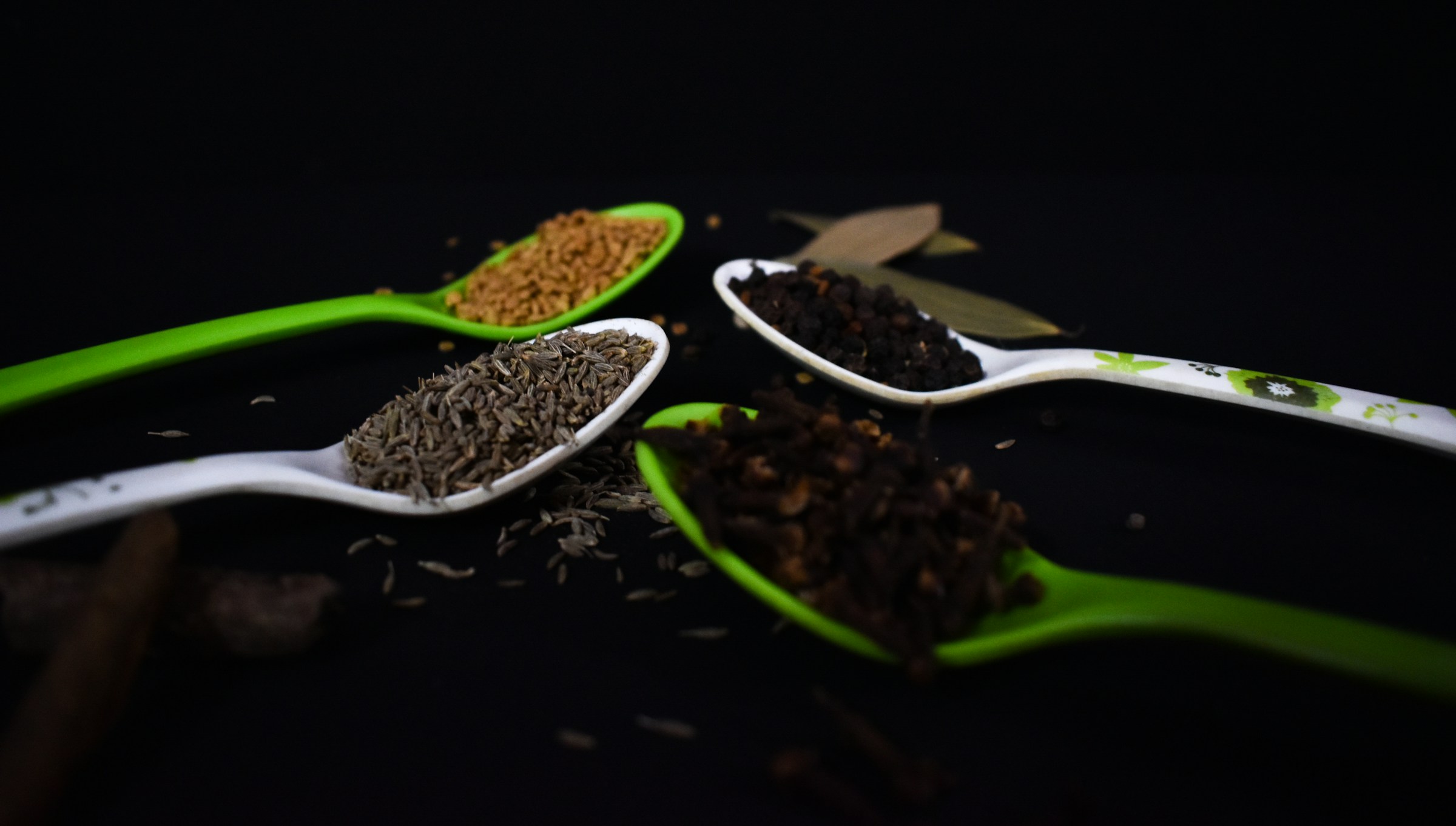
Four spoons holding unlabeled dried herbs.

Type II diabetes mellitus (T2DM) is a leading health concern, particularly for communities experiencing food insecurity and limited food sovereignty. Ethnobotanical treatment and management strategies have shown promising potential in addressing the rising prevalence of T2DM.

Punda rock art at Coondiner River, Newman, Western Australia.

Australian bush medicine is a vast pharmacopeia representing 60,000 years of healing history. Rooted in holistic wellness and incorporating nearly 1,500 native plant species, these endemic plants have demonstrated promising therapeutic potential. Clinical researchers are beginning to explore the integrative applications of Australian bush plants, particularly for their anti-inflammatory and antioxidant properties.

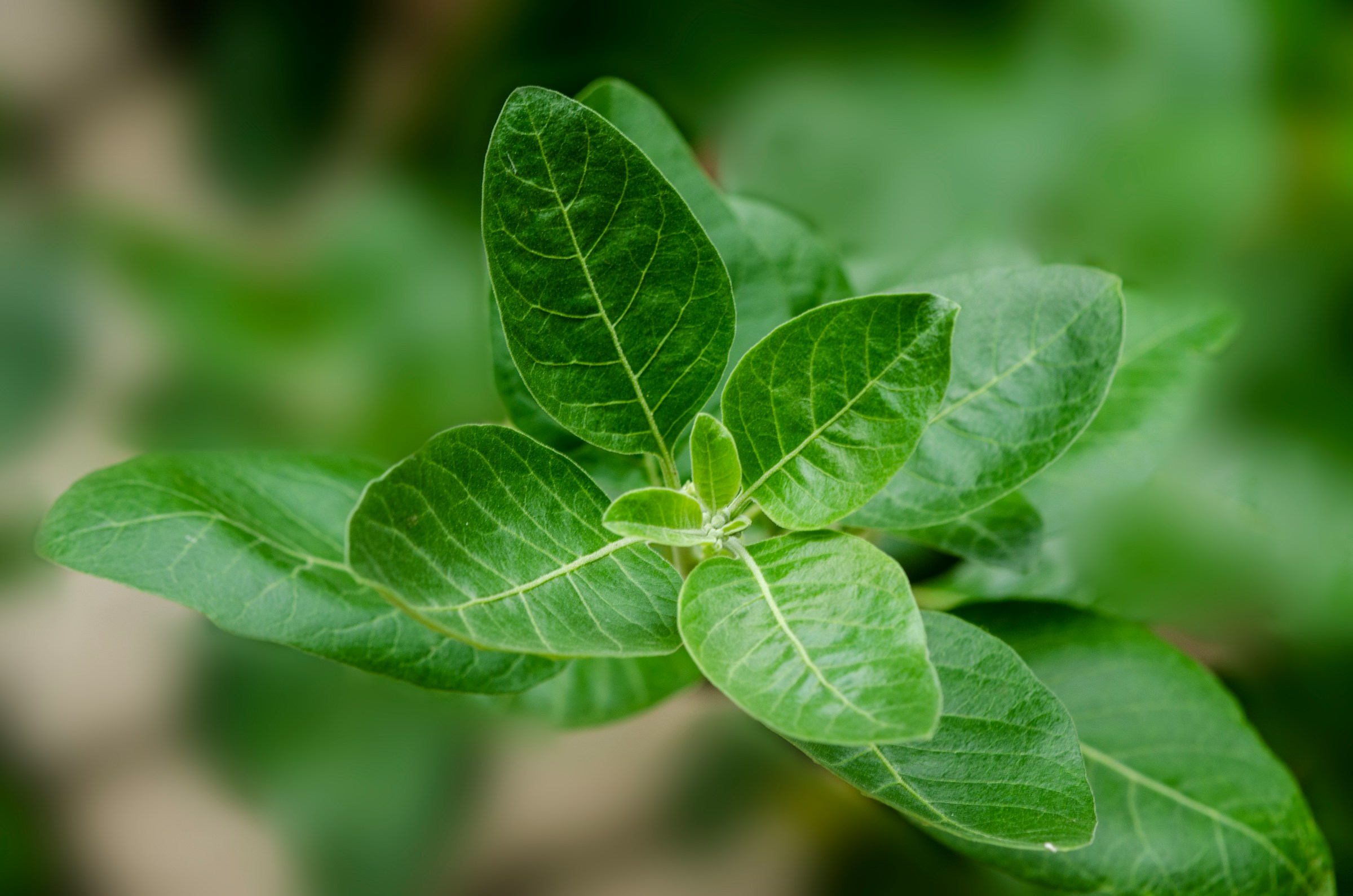
Leaves of an Ashwagandha plant.

Ashwagandha, an herb traditionally used in Ayurvedic healing, has been widely adopted and integrated into public consumption and Western medical research. In athletes, ashwagandha supplementation may support muscle recovery, reduce oxidative stress, and improve strength- and endurance-related fitness measures.

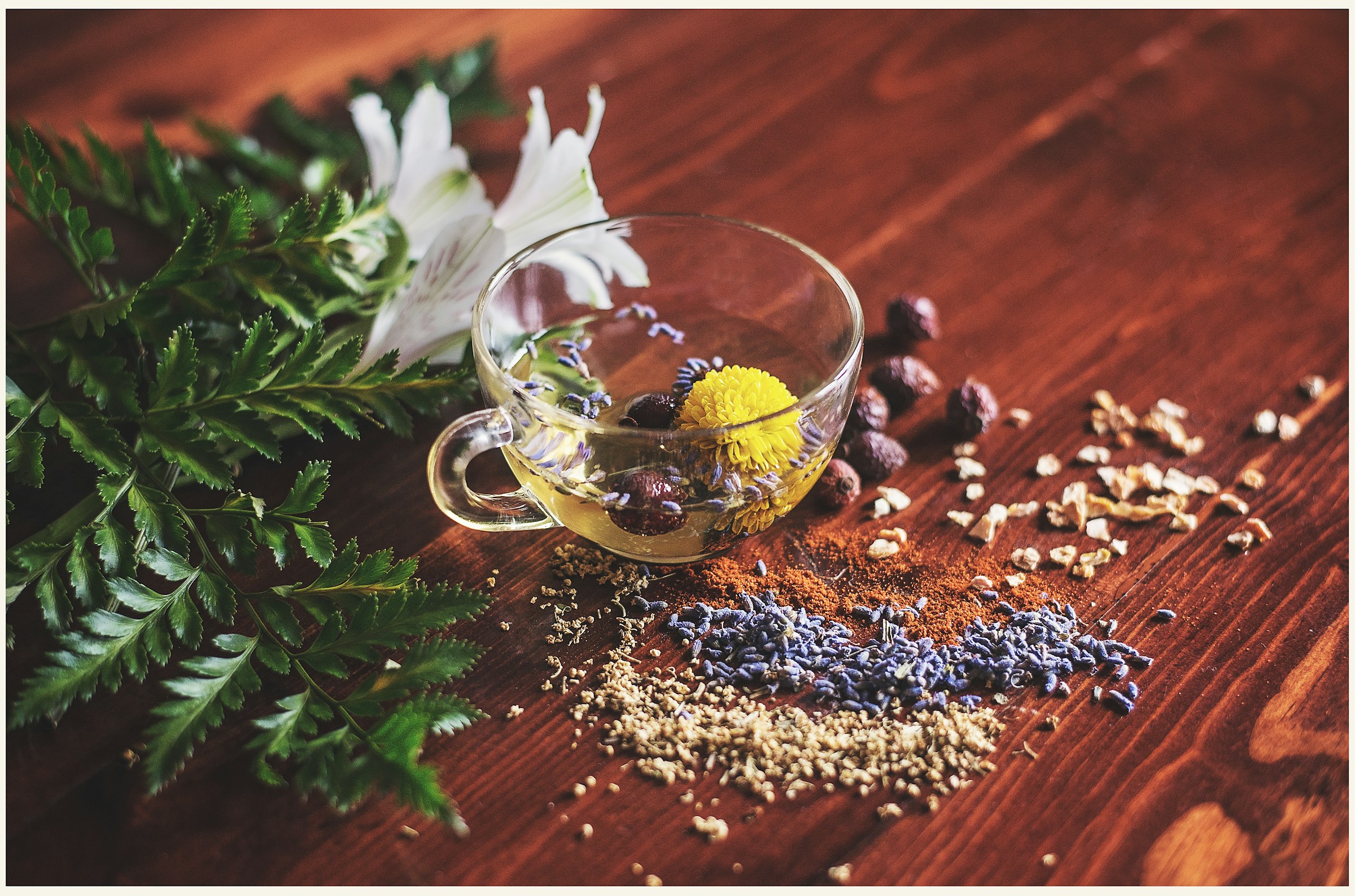
A tea cup containing various plants brewing tea.

Herbal medicine uses plants to prevent disease, treat illness, and maintain health. It developed over centuries through cultural exchange, philosophy, and experimentation with native plants.

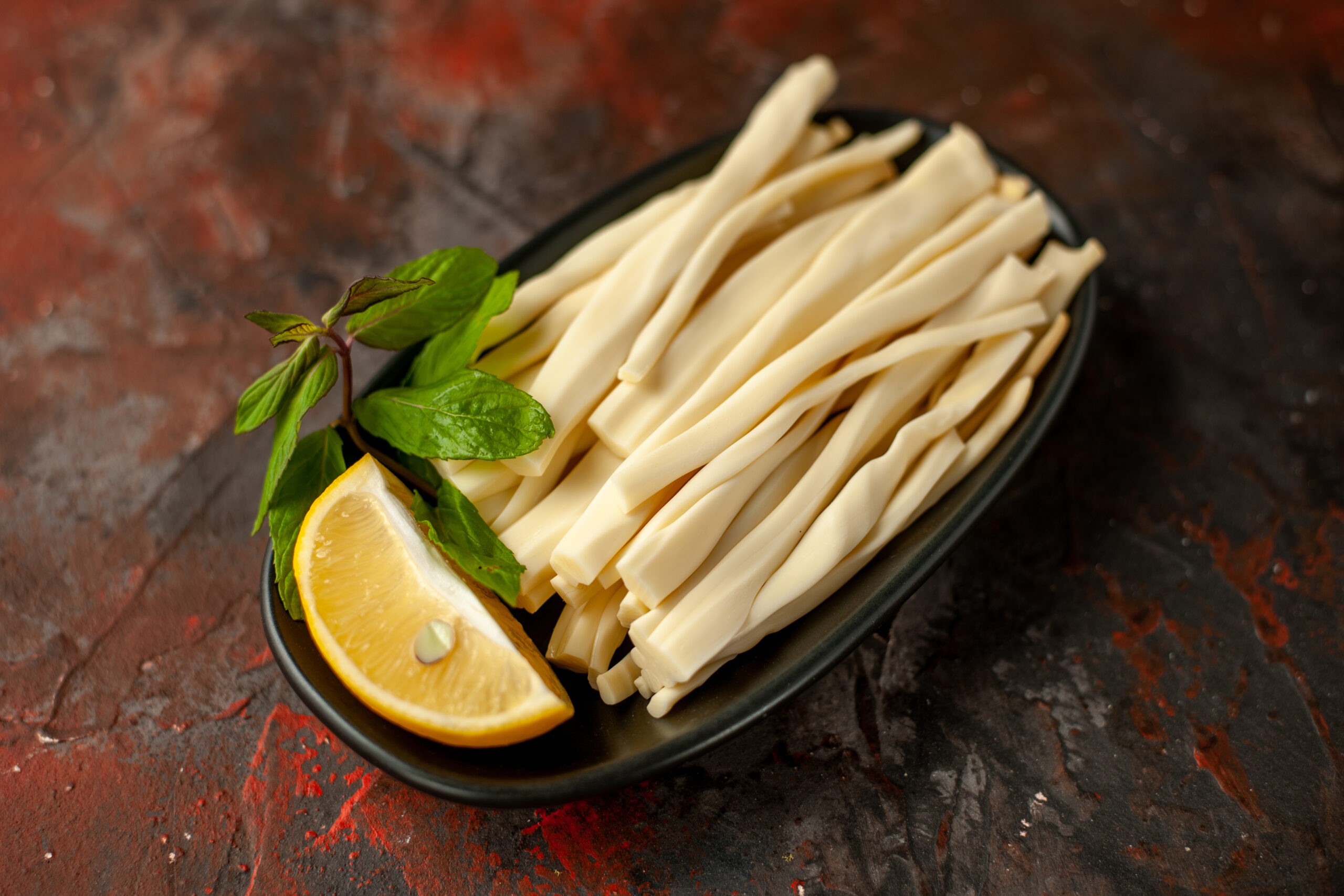
Asparagus racemosus (Shatavari) with lemon slice.

Shatavari (Asparagus racemosus) is an Ayurvedic herb used in herbal medicine for hormonal balance and stress adaptation. Although traditionally said to foster attachment and affection, Shatavari root extract is now more commonly recognized for its phytoestrogenic activity.

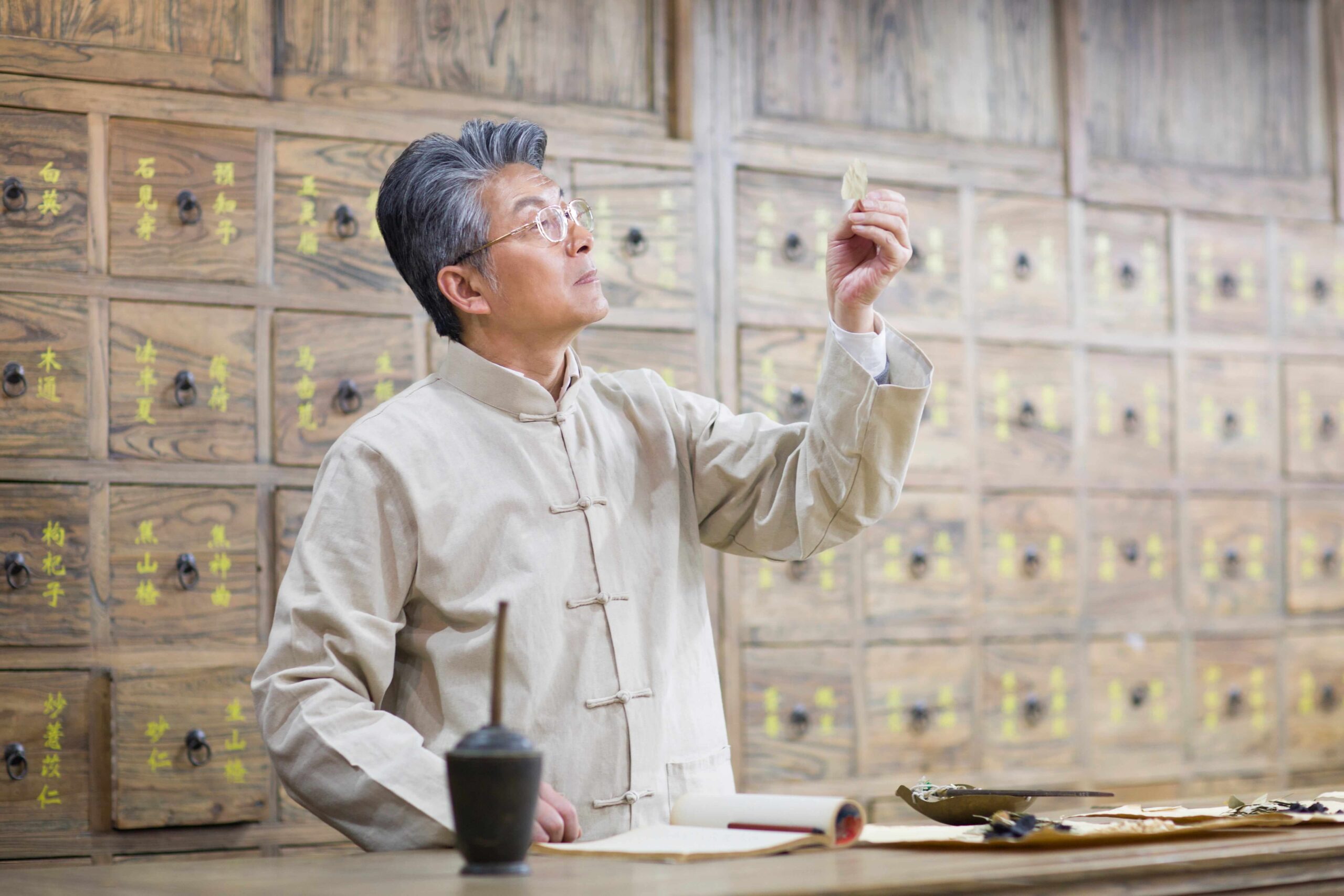
A traditional Chinese medicine practitioner examines a dried medicinal herb in a wooden apothecary with labeled drawers used for herbal medicine.

Traditional Chinese Medicine (TCM) offers a holistic, multi-target approach to gastrointestinal health and modulation of the gut microbiota. Grounded in thousands of years of clinical practice, TCM formulations have demonstrated an ability to restore intestinal barrier function, regulate immune responses, and rebalance microbial communities across a broad spectrum of conditions, from sepsis-related gastrointestinal dysfunction to ulcerative colitis and metabolic syndrome.