

Center for Traditional Medicine

CTM Curated Research

Aboriginal Australian Bush Flora: Species Composition, Anti-Inflammatory Properties, and Clinical Application

Australian bush medicine is a vast pharmacopeia representing 60,000 years of healing history. Rooted in holistic wellness and incorporating nearly 1,500 native plant species, these endemic plants have demonstrated promising therapeutic potential. Clinical researchers are beginning to explore the integrative applications of Australian bush plants, particularly for their anti-inflammatory and antioxidant properties.

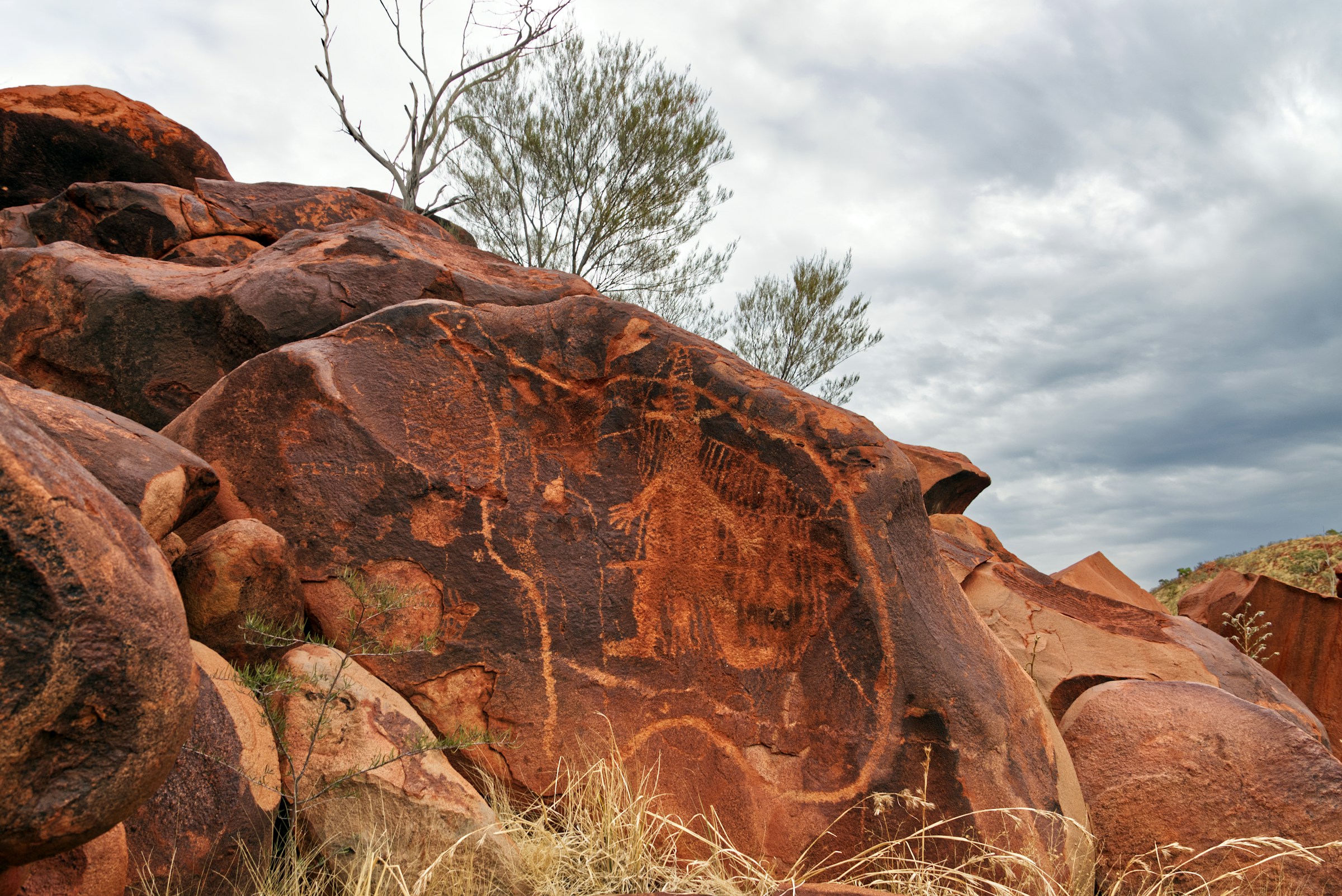
Punda rock art at Coondiner River, Newman, Western Australia.
Punda rock art at Coondiner River, Newman, Western Australia. Photo by René Riegal on Unsplash.

Aboriginal and Torres Strait Islander peoples maintain some of the world’s oldest living collections of independent knowledge and culture on the Australian continent and surrounding islands. These communities developed alongside native flora and fauna approximately 60,000 years ago, and they have carried extensive traditions and oral histories regarding bush medicine.

Yeshi, Karma, Gerry Turpin, Tenzin Jamtsho, and Phurpa Wangchuk. “Indigenous Uses, Phytochemical Analysis, and Anti-Inflammatory Properties of Australian Tropical Medicinal Plants.” Molecules 27, no. 12 (2022): 3849. https://doi.org/10.3390/molecules27123849.

Aboriginal healers, also known as traditional healers or “Ngangkari” among the Ngaanyatjarra, Pitjantjatjara, and Yankunytjatjara peoples of remote western Central Australia, utilize native plants for spiritual, physical, and community-based healing. Traditional healing knowledge is passed down through apprenticeship systems, guiding the use of medicinal plants for dietary supplementation and the treatment of ailments. Herbal medicine has enabled Aboriginal peoples to live harmoniously with their ancestral lands and thrive in the hostile climate of remote Australia.

Many native Australian plant species have recently been recognized for their unique phytochemical properties, given Australia’s isolated ecosystem and diverse abundance of endemic flora. These species are found throughout the Australian bush, the undeveloped natural landscape that includes eucalypt forests, woodlands, and scrublands. Clinical researchers have begun to investigate both Australian bush foods and native trees for their potential applications in treating and managing inflammation, wound healing, and muscle recovery. The following four studies review Australian bush medicine species identified by researchers as potentially effective, clinically supported healing interventions.

The first article examines the phytochemical properties of five medicinal plants used by the Mbabaram Aboriginal community to treat wounds and inflammation-related diseases. These plants include Breynia oblongifolia, Cajanus reticulatus, Dodonaea lanceolata, Exocarpos latifolius, and Coleus amoenus, whose antioxidant and anti-inflammatory activities were evaluated using various laboratory assays. They are traditionally used to treat inflammatory conditions such as wounds, sores, and ulcers. Findings suggest that these medicinal plants exhibit significant anti-inflammatory and antioxidant activity, supporting their traditional medicinal applications. In particular, E. latifolius stem extract demonstrated the greatest antioxidant activity, while B. oblongifolia leaf extract showed the highest anti-inflammatory activity. These results indicate that these plants may serve as promising treatment options for inflammation-related conditions.

The second study identified 45 medicinal plants used by Aboriginal peoples in Australia to treat inflammatory conditions. Among these plants, 83 compounds demonstrated anti-inflammatory properties. Most medicinal plants have been investigated in countries such as China, India, Japan, and Thailand, whereas Australia has reported only 5 anti-inflammatory species used in traditional herbal medicine. These species include Alphitonia petriei, Angophora costata, Corymbia terminalis, Dodonaea polyandra, and Excoecaria agallocha. For example, D. polyandra was found to contain a novel anti-inflammatory benzoyl ester clerodane diterpenoid, which is being explored for the treatment of skin diseases. Given the promising anti-inflammatory properties of these species, the authors call for further research on Australian medicinal plants. They argue that such research should be conducted in collaboration with Indigenous practitioners to better inform scientific understanding of traditional uses and practices.

The third article provides an overview of the phytochemical and bioactive composition of Australian native plants and explores their potential role in muscle recovery and the management of inflammation. The authors highlight that many Australian fruits and herbs contain exceptionally high levels of polyphenols, flavonoids, anthocyanins, and vitamin C, all of which possess antioxidant and anti-inflammatory properties. The article identifies several notable species, including Kakadu plum, Davidson plum, finger lime, lemon myrtle, and Tasmanian pepperberry. These native plants may help reduce exercise-induced muscle damage due to their elevated concentrations of bioactive phytochemicals. The authors propose that these findings, in conjunction with cell culture and animal studies, suggest that these plants may support exercise recovery by reducing oxidative stress, limiting excessive inflammation, enhancing antioxidant defenses, and potentially shortening recovery time. Although the bioactive properties and traditional uses indicate promising therapeutic potential for these native plants, the authors conclude that further research is needed to determine their clinical efficacy.

The fourth study examines clinical research investigating the chemical, pharmacological, and toxicological properties of Australian Indigenous plant species. This review highlights the therapeutic potential of plants such as Kakadu plum, Davidson plum, Tasmanian pepper leaf, and lemon myrtle. Evidence suggests that these species exhibit antimicrobial, antioxidant, anti-inflammatory, anticancer, neuroprotective, and antidiabetic properties. These conclusions are based on their high concentrations of bioactive compounds, which confer exceptionally strong antioxidant capacity. Existing research suggests that this activity may help reduce oxidative stress, improve glucose metabolism, and support the management of metabolic diseases. However, the authors acknowledge the lack of substantial clinical research, as most investigations have been limited to animal and laboratory studies. The study calls for rigorous human clinical trials to evaluate the safety and efficacy of these species, given their long-standing use in traditional Australian healing practices. The integration of Indigenous knowledge into future research is imperative for connecting traditional medicinal applications with modern pharmacological investigations and promoting culturally appropriate ethnopharmacological research.

Tags: aboriginal, aboriginal community, anti-inflammatory plants, australian native plants, bush medicine, community healing, Herbal medicine, Indigenous knowledge, integrative healing, traditional healing, tropical plants

Research Glossary

Research has its own vocabulary. To help you decipher research, we created a Glossary to ease the way.
You may access it here: Research Glossary

Referenced Research Publications

BMC Complementary Medicine and Therapies
2025, October 24

Bush Medicine of the Mbabaram Aboriginal Community in Far North Queensland Demonstrates Strong Antioxidant and Anti-Inflammatory Activities

Abstract

Introduction

The Mbabaram Aboriginal community lives in Atherton Tableland of Far North Queensland, Australia. While most of the knowledge had been lost due to colonial influences, this community still has remnants of traditional biocultural knowledge, which is critically endangered. They have been closely working with the Tropical Indigenous Ethnobotany Centre (Queensland Herbarium, James Cook University) in the areas of documenting traditional biocultural knowledge and biodiscovery projects. The current study investigated five medicinal plants used by the Mbabaram Aboriginal community for treating wounds, and inflammation-associated diseases.

Methods

In this study, crude extracts of five medicinal plants from the Mbabaram community (Breynia oblongifolia, Cajanus reticulatus, Dodonaea lanceolata, Exocarpos latifolius, and Coleus amoenus) were assessed for their phytochemical contents. The antioxidant activity was determined using the 2,2-diphenyl-1-picrylhydrazyl (DPPH) radical scavenging assay. Furthermore, crude extracts were evaluated for their effect on cell viability and anti-inflammatory activities using the human peripheral blood mononuclear cells (PBMC) assay.

Results

While some plants tested positive for flavonoids and saponins, B. oblongifolia and C. amoenus did not test positive for saponins. Only C. reticulatus and E. latifolius tested positive for alkaloids. The water extract of C. amoenus and the ethanol extract of B. oblongifolia exhibited the highest TPC with 99.88 ± 4.47 GAE/g extract and 128.36 ± 14.09 GAE/g extract, respectively. While the crude water extract of E. latifolius stems showed the best antioxidant activity with EC50 value of 0.024 μg/mL, the water extract of B. oblongifolia leaf showed the best anti-inflammatory activity by significantly reducing the levels of four pro-inflammatory cytokines, namely IL-1β, IL-6, IL-8, and TNF, which are known for instigating IBD pathogenesis.

Conclusions

Of the five aqueous crude extracts studied here, E. latifolius stems showed the best antioxidant activity and B. oblongifolia leaf showed the best anti-inflammatory activity. This result validated the traditional uses of medicinal plants, which is used for treating inflammation-related conditions including wounds and sores. B. oblongifolia has potential to yield drug lead molecules for developing treatment for inflammation and sores/ulcers related diseases such as IBD.

Reference

Turpin, Gerry, Karma Yeshi, Darren Crayn, et al. “Bush Medicine of the Mbabaram Aboriginal Community in Far North Queensland Demonstrates Strong Antioxidant and Anti-Inflammatory Activities.” BMC Complementary Medicine and Therapies 25, no. 1 (2025): 398. https://doi.org/10.1186/s12906-025-05042-2.

Molecules
2022, June 15

Indigenous Uses, Phytochemical Analysis, and Anti-Inflammatory Properties of Australian Tropical Medicinal Plants

Abstract

Australian tropical plants have been a rich source of food (bush food) and medicine to the first Australians (Aboriginal people), who are believed to have lived for more than 50,000 years. Plants such as spreading sneezeweed (Centipeda minima), goat’s foot (Ipomoea pes-caprae), and hop bush (Dodonaea viscosa and D. polyandra) are a few popular Aboriginal medicinal plants. Thus far, more than 900 medicinal plants have been recorded in the tropical region alone, and many of them are associated with diverse ethnomedicinal uses that belong to the traditional owners of Aboriginal people. In our effort to find anti-inflammatory lead compounds in collaboration with Aboriginal communities from their medicinal plants, we reviewed 78 medicinal plants used against various inflammation and inflammatory-related conditions by Aboriginal people. Out of those 78 species, we have included only 45 species whose crude extracts or isolated pure compounds showed anti-inflammatory properties. Upon investigating compounds isolated from 40 species (for five species, only crude extracts were studied), 83 compounds were associated with various anti-inflammatory properties. Alphitolic acid, Betulinic acid, Malabaric acid, and Hispidulin reduced proinflammatory cytokines and cyclooxygenase enzymes (COX-1 and 2) with IC50 values ranging from 11.5 to 46.9 uM. Other promising anti-inflammatory compounds are Brevilin A (from Centipeda minima), Eupalestin, and 5′-methoxy nobiletin (from Ageratum conyzoides), Calophyllolide (from Calophyllum inophyllum), and Brusatol (from Brucea javanica). D. polyandra is one example of an Aboriginal medicinal plant from which a novel anti-inflammatory benzoyl ester clerodane diterpenoid compound was obtained (compound name not disclosed), and it is in the development of topical medicines for inflammatory skin diseases. Medicinal plants in the tropics and those associated with indigenous knowledge of Aboriginal people could be a potential alternative source of novel anti-inflammatory therapeutics.

Reference

Yeshi, Karma, Gerry Turpin, Tenzin Jamtsho, and Phurpa Wangchuk. “Indigenous Uses, Phytochemical Analysis, and Anti-Inflammatory Properties of Australian Tropical Medicinal Plants.” Molecules 27, no. 12 (2022): 3849. https://doi.org/10.3390/molecules27123849.

Food & Function
2024, September 3

The Phytochemical Composition and Unexplored Potential of Australian Native Plants for Application in Physical Activity-Related Muscle Recovery and Inflammation: A Literature Review

Abstract

Native plants are adaptable in various environmental conditions in part through the production of unique phytochemicals which may have beneficial effects on human health. Native Australian fruits contain higher phytochemical and antioxidant levels than most Western fruits, suggesting potential for greater health benefits arising from their consumption. These beneficial effects, in turn, may be mediated by the inhibition of inflammatory pathways as well as oxidative stress via the regulation of reactive oxygen (ROS) and/or nitrogen (RNS) species levels. Unaccustomed or strenuous exercise causes muscle damage and soreness, that may be driven by increased ROS and inflammation. There is growing interest in the application of polyphenol-rich food supplementation for the alleviation of exercise-induced oxidative stress, for the reduction of exercise-induced inflammation and improvement of muscle recovery. Therefore, the aim of this review was to provide an overview of the phytochemical and bioactive composition of some Australian native plant foods and their potential use for functional food development in the management of muscle recovery and inflammation. Native plant foods and food products could be beneficial for reducing inflammation, though it is important to note that most of the research in this field has been conducted in animal models or in vitro, in addition to there being little data on skeletal muscle inflammation. Further studies, particularly in humans, would be needed to confirm these effects and to determine the appropriate dosages and forms of native foods and food products for consumption to reduce inflammation and enhance muscle recovery.

Reference

Harriden, Brittany, Kathryn Speer, Domenico Sergi, et al. “The Phytochemical Composition and Unexplored Potential of Australian Native Plants for Application in Physical Activity-Related Muscle Recovery and Inflammation: A Literature Review.” Food & Function 15, no. 19 (2024): 9718–33. https://doi.org/10.1039/D4FO02067G.

Biomedicine & Pharmacotherapy = Biomedecine & Pharmacotherapie
2025, September 4

A Scoping Review of Chemical, Pharmacological and Toxicological Properties and Clinical Applications of Australian Indigenous Medicine

Abstract

Indigenous Australians have long recognised and utilised the therapeutic potential of Australian native plants for generations to treat and manage various diseases. In recent years, these native plants have been explored in preclinical research for their chemical profiles and therapeutic properties for conditions such as skin disorders, colds and flu, various cancers, neurological disorders, metabolic syndrome, and other inflammatory conditions. Notable species studied include Kakadu plum, Davidson’s plum, Burdekin plum, Illawarra plum, anise myrtle, lemon myrtle, lemon aspen, quandong, muntries, and Tasmanian pepperberry. Key bioactive compounds identified in these plants include polyphenols, ellagic acid, anthocyanins, flavonoids, and hydrolysable tannins. This review aims to compile and summarise the existing preclinical and clinical research investigating the chemical, pharmacological, and toxicological properties of Australian Indigenous Medicines. It also seeks to address the challenges and obstacles encountered in Australian Indigenous Medicine research and highlight innovative methodological approaches that can be employed in the future.

Reference

Jaye, Kayla, Indeewarie Hemamali Dissanayake, Deep Jyoti Bhuyan, and Dennis Chang. “A Scoping Review of Chemical, Pharmacological and Toxicological Properties and Clinical Applications of Australian Indigenous Medicine.” Biomedicine & Pharmacotherapy = Biomedecine & Pharmacotherapie 191 (October 2025): 118503. https://doi.org/10.1016/j.biopha.2025.118503.