

Center for Traditional Medicine
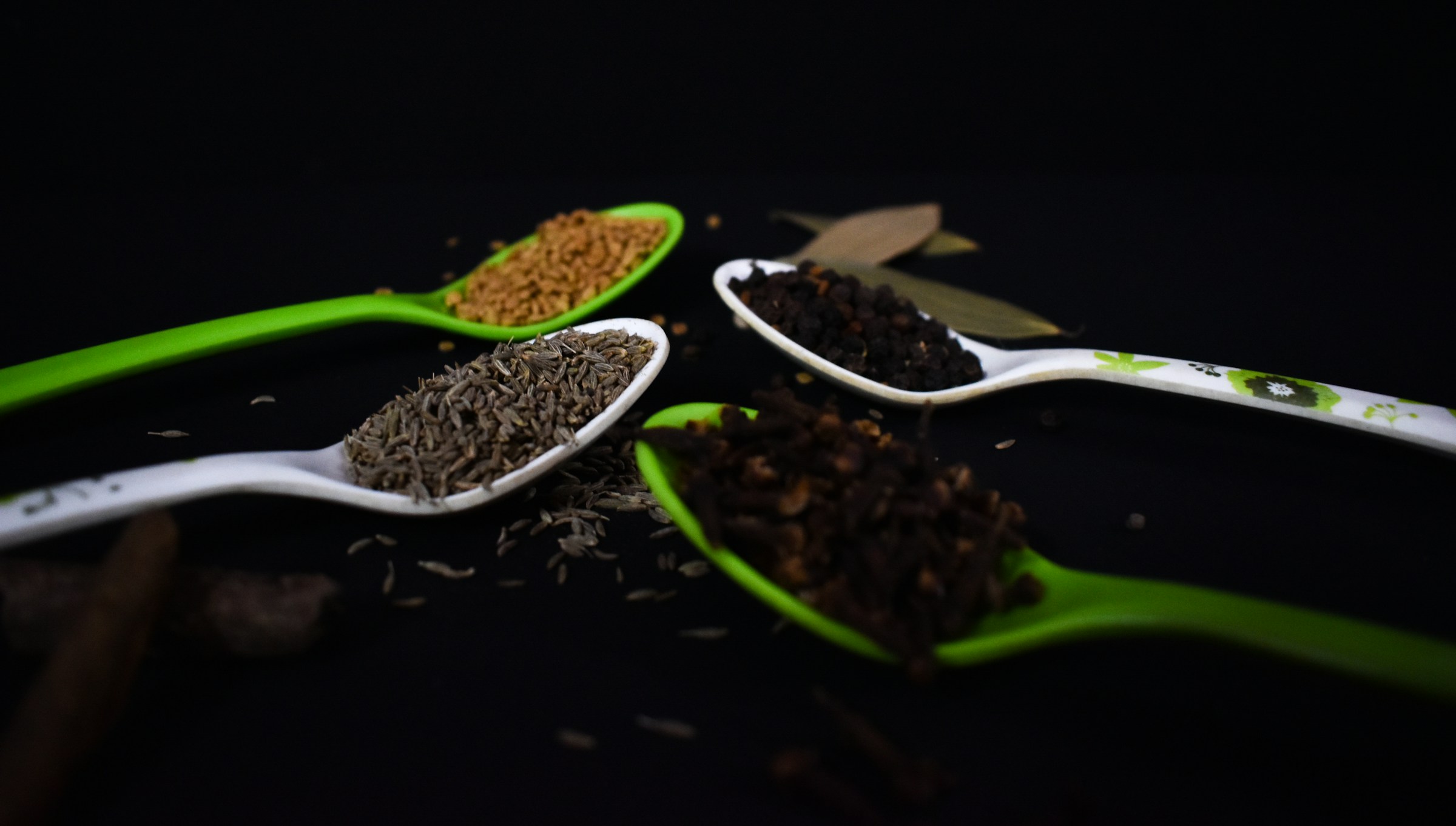
Four spoons holding unlabeled dried herbs.

Type II diabetes mellitus (T2DM) is a leading health concern, particularly for communities experiencing food insecurity and limited food sovereignty. Ethnobotanical treatment and management strategies have shown promising potential in addressing the rising prevalence of T2DM.
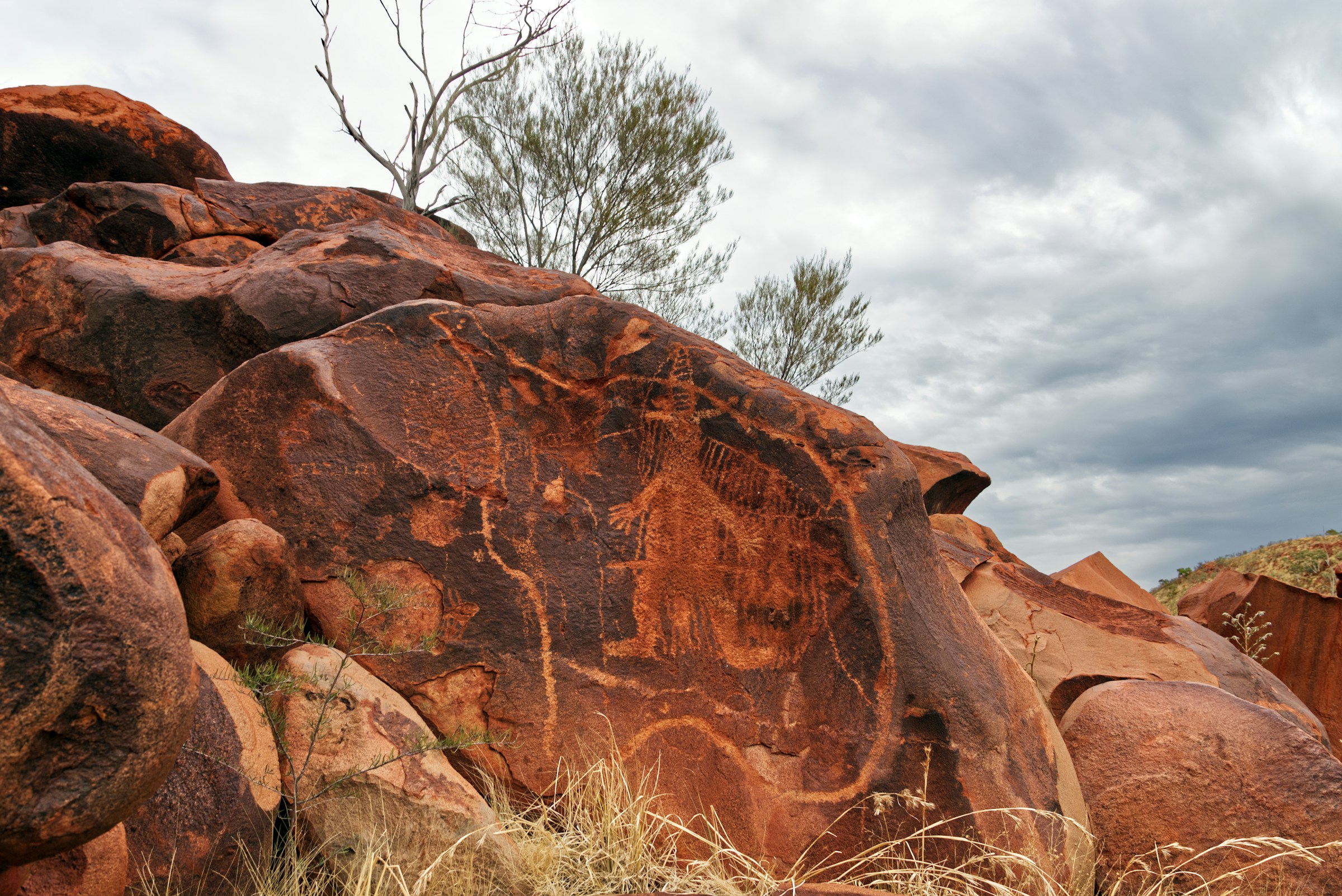
Punda rock art at Coondiner River, Newman, Western Australia.

Australian bush medicine is a vast pharmacopeia representing 60,000 years of healing history. Rooted in holistic wellness and incorporating nearly 1,500 native plant species, these endemic plants have demonstrated promising therapeutic potential. Clinical researchers are beginning to explore the integrative applications of Australian bush plants, particularly for their anti-inflammatory and antioxidant properties.

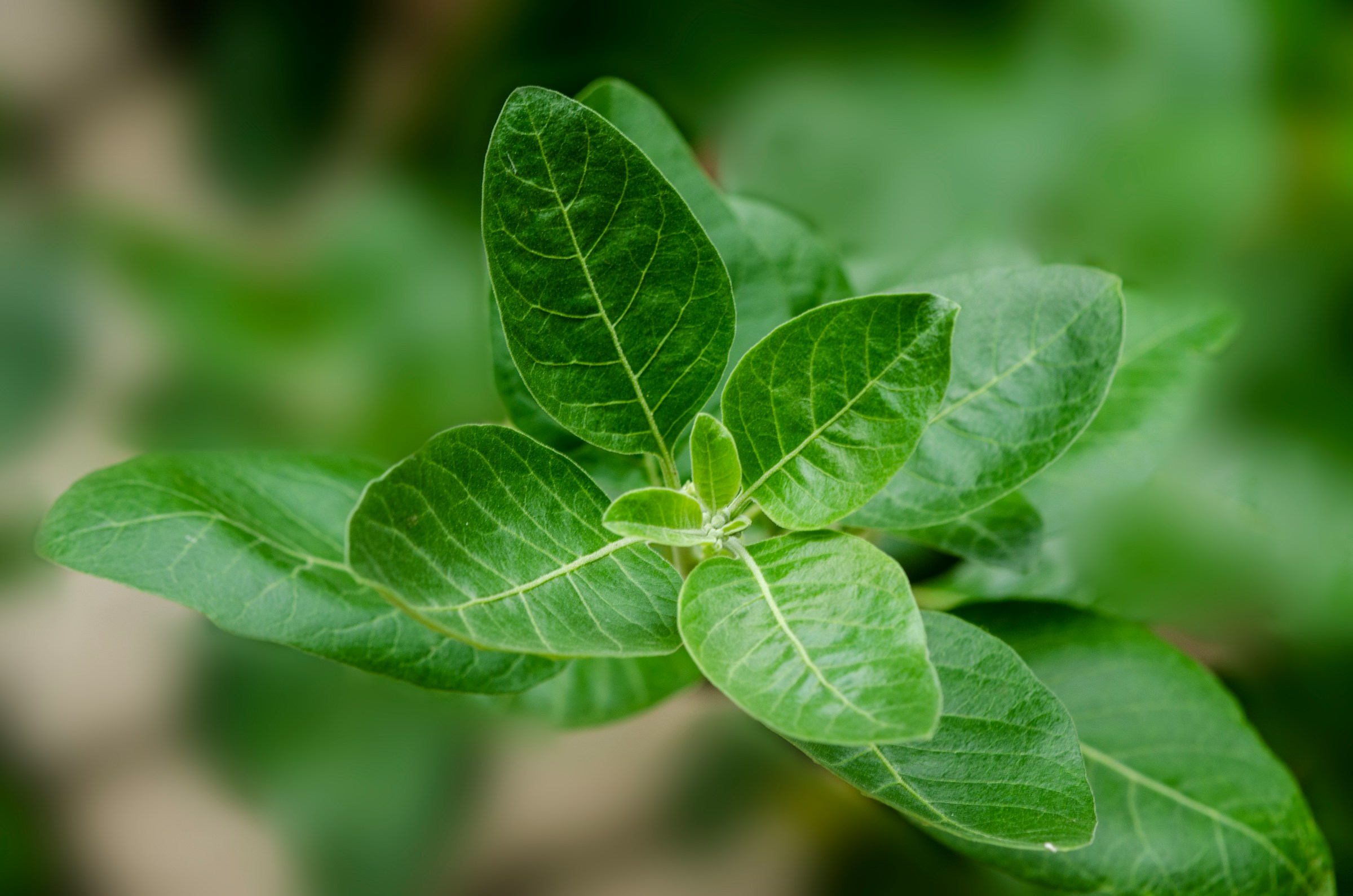
Leaves of an Ashwagandha plant.

Ashwagandha, an herb traditionally used in Ayurvedic healing, has been widely adopted and integrated into public consumption and Western medical research. In athletes, ashwagandha supplementation may support muscle recovery, reduce oxidative stress, and improve strength- and endurance-related fitness measures.

Person holding baby's feet.

The medicalization of childbirth has widely dismantled traditional healing systems and ceremonial birthing practices. Although Indigenous childbirth has historically been grounded in holistic models of care, contemporary healthcare policies in the Americas have contributed to poor healthcare outcomes for Indigenous women and perpetuated the marginalization of Indigenous midwives and community-based healing systems.

A singing bowl, candle, and incense: three items often used in Shamanic healing ceremonies.

Shamanic practices employ spiritual elements, altered states of consciousness, and culturally grounded ceremonies to perform services such as healing, divination, and guidance.