

Center for Traditional Medicine

CTM Curated Research

Ceremonial Childbirth in the Americas: Why Access to Traditional Healing Practices is Essential for Culturally Competent Maternity Care

The medicalization of childbirth has widely dismantled traditional healing systems and ceremonial birthing practices. Although Indigenous childbirth has historically been grounded in holistic models of care, contemporary healthcare policies in the Americas have contributed to poor healthcare outcomes for Indigenous women and perpetuated the marginalization of Indigenous midwives and community-based healing systems.

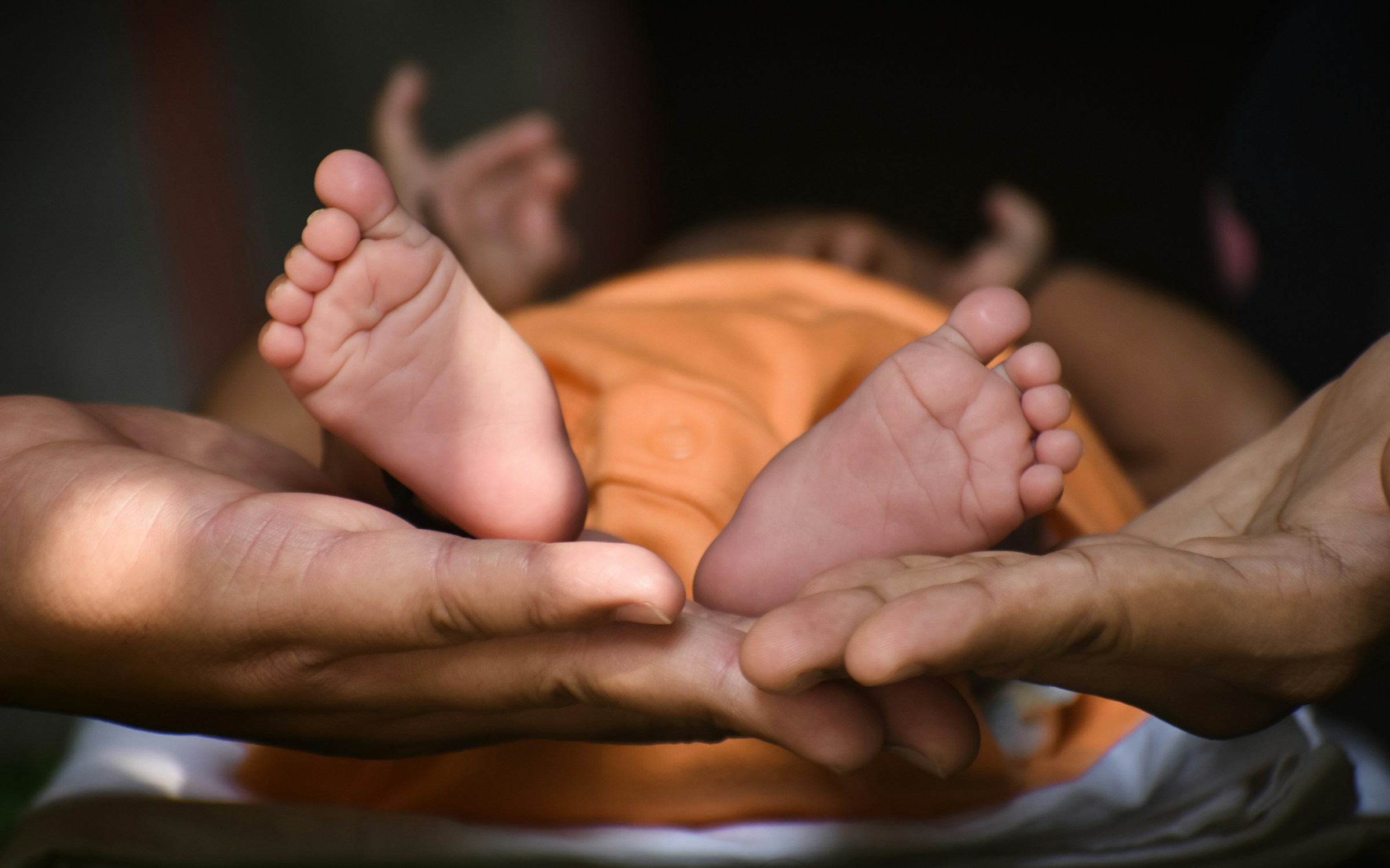
Person holding baby's feet.
Person holding baby's feet. Photo by Atharva Whaval on Unsplash.

For indigenous women throughout the Americas, childbirth is deeply rooted in spirituality, community, and connections to sacred lands. While practices vary among Indigenous nations, many communities share similar perspectives on childbearing, viewing prenatal care as a collective responsibility that supports both the pregnant person and the development of spiritual connections. Characterized by unique ceremonial traditions, culturally grounded childbirth hinges on Indigenous self-determination to ensure the preservation, implementation, and understanding of distinct cultural practices.

Today, healthcare systems such as obstetric evacuation policies in northern Canada disrupt these healing processes by separating women from their kinship networks and forcing geographic displacement, social isolation, and fragmented healthcare treatments. High perinatal and infant mortality rates have been linked to these conditions, as well as shortages of Indigenous health professionals, limited specialty healthcare infrastructure, and longstanding socioeconomic inequities. To provide culturally competent and integrated care to Indigenous patients, healthcare services must extend beyond physical health alone. They should instead include reformed healthcare policies, community-based maternity support systems, and a holistic recognition of Indigenous women’s physical, emotional, mental, and spiritual well-being.

Traditional birth ceremonies can contribute to these holistic goals by promoting healing, revitalizing cultural practices, and strengthening community connections. Recent scholarship has begun to recognize the importance of this shift. Transforming healing systems requires more than developing inclusive policies and Indigenous-led healthcare infrastructure. Rather, the reintegration of ceremonial births has the potential to support both improved health outcomes and cultural revitalization for the next generation of Native children. The following five articles examine the significance of ceremonial birthing practices and Indigenous self-determination in maternal healthcare.

The first study reviewed 37 articles to explore why birthplace choice has not yet been returned to Inuit communities. Currently, approximately 80% of pregnant people in Nunavut are evacuated to southern Canada prior to childbirth due to insufficient healthcare providers, maternity services, and medical infrastructure. While childbirth was traditionally supported by Inuit families, Elders, communities, and birth attendants, contemporary government policies and the widespread medicalization of childbirth shifted births from the home to hospitals located hundreds of miles from Inuit communities. This evacuation system can lead to social isolation, family separation, loss of community support, and disruption of cultural practices, such as traditional naming ceremonies. The geographic displacement can also reduce access to traditional foods and postpartum support while potentially triggering historical trauma. The authors argue that restoring community birthing requires addressing healthcare staffing shortages, rebuilding Inuit-led maternity services, supporting Indigenous midwifery training, and shifting policy away from solely biomedical approaches toward models that recognize and appropriately incorporate Inuit culture, knowledge, and self-determination.

The second study explores how revitalizing birth as a ceremonial practice can support culturally grounded and community-controlled reproductive healthcare systems for Indigenous and Latinx women. Historically, many Indigenous communities relied on traditional midwives, known as parteras curanderas, who provided reproductive, physical, and spiritual care. This holistic approach spanned prenatal, birth, and postpartum services, including breastfeeding support, abortion care, and the incorporation of cultural and ceremonial traditions into the birthing experience. The professionalization of obstetrics disrupted this system and marginalized traditional midwives through licensing requirements, educational standards, and hospital-based treatments. This transition disregarded Indigenous traditions and forced reliance on healthcare systems that often perpetuated racial and gender inequalities. The authors argue that this cultural disruption contributed to worsened health outcomes and to the dismantling of community healing networks. Restoring ceremonial births within Indigenous healthcare systems may help reconnect communities with ancestral knowledge while reducing adverse health outcomes.

The third article critiques the historical shift from community-based Indigenous births to hospital-based care, centering its argument in the United Nations Declaration on the Rights of Indigenous Peoples (UNDRIP), which affirms Indigenous peoples’ right to maintain traditional childbirth practices and ceremonies within biomedical healthcare systems. Inuit evacuation policies governing current healthcare systems often disrupt cultural practices and separate women from their familial supports and sacred lands. This article highlights contemporary efforts in Manitoba to “bring birth home” by supporting the development and maintenance of Indigenous, culturally grounded maternity care programs. The authors argue that providing maternity care in accordance with UNDRIP requires the recognition of Indigenous self-determination and viewing birth as both a cultural and spiritual practice. This intervention relies on the inclusion of doulas, midwives, and traditional birth attendants to provide emotional, cultural, and practical support throughout pregnancy and childbirth.

The fourth study examined Canadian obstetric evacuation policies to identify strategies for improving prenatal care for Indigenous people. This study involved academic researchers, Indigenous midwives, community organizations, and knowledge users, grounded in Gwayakgooshgwin, a theoretical framework that emphasizes balance among Indigenous methodologies, gender-based analysis, critical medical anthropology, and public health perspectives. This study used this framework to examine the economic costs and outcomes of obstetric evacuation and Indigenous midwifery, understand the experiences of Indigenous midwifery, and conduct knowledge-translation activities to inform future reproductive health policies and programs. The authors conclude that this framework can generate evidence to support future initiatives aimed at reducing disparities between Indigenous and non-Indigenous birth outcomes.

​The fifth study explores Native American maternal health disparities in the United States and proposes an integrated model of maternal care for Indigenous communities. The author presents a case study of a maternal health clinic that integrates traditional Native healing and biomedical maternal care, providing evidence for decolonializing healthcare through the reclamation of cultural healing practices. Importantly, integrative care models often struggle to fully recognize traditional birthing practices and accommodate different community teachings. Nevertheless, the incorporation of ceremonial practices can provide forms of comfort that extend beyond the capabilities of biomedical medicine, helping bridge cultural gaps and address issues of medical racism and trauma. The author asserts that Elders and traditional knowledge must be central to policy and integration decisions to ensure ceremonies are implemented respectfully.

Tags: ceremonial birth, childbirth, community healing, cultural frameworks, decolonial healthcare, Indigenous knowledge, integration of care, spiritual practices, traditional healing

Research Glossary

Research has its own vocabulary. To help you decipher research, we created a Glossary to ease the way.
You may access it here: Research Glossary

Referenced Research Publications

International Journal of Circumpolar Health
2022, May 1

Returning Childbirth to Inuit Communities in the Canadian Arctic

Abstract

While Inuit living in Nunavut have been advocating for decades for the return of birthing to their own communities, over two-third of births continue to occur outside of the territory. We conducted a literature review to answer the question, why has birthplace choice not been given back to Inuit yet. Based on our review we identified a number of factors impacting birthplace choice, including the organisation of the Nunavut medical system that is focused on primary health care and that cannot easily accommodate the potential clinical risks Western health care associates with birthing, often in isolation from socio-cultural risks; staffing vacancies and turn over in Nunavut, which creates challenges in continuity of care and in maintaining trust; and trends in Canada towards the medicalisation of birthing, which resulted in the displacement of traditional midwifery, and lately in the professionalisation of midwifery with training centres mostly located outside of Nunavut. We recognise that providing more options to birth in the north is complex. While birthing in the north as an option is a given objective, operationalising this objective in a consistent manner is likely going to be a challenge for years to come.

Reference

Lee, Erika, Bryarre Gudmundson, and Josée G. Lavoie. “Returning Childbirth to Inuit Communities in the Canadian Arctic.” International Journal of Circumpolar Health 81, no. 1 (n.d.): 2071410. https://doi.org/10.1080/22423982.2022.2071410.

AMA Journal of Ethics
2022, April 1

Why Restoring Birth as Ceremony Can Promote Health Equity

Abstract

Until the mid-20th century, birth in the United States for Latinx Indigenous peoples was an ancestral ceremony guided by midwives and traditional healers (parteras curanderas). As American physicians and nurses increasingly differentiated themselves from traditional midwives, midwives of color in particular were disparaged and excluded from helping women give birth and thus from making birth a cultural foothold in their lives. As a result, communities of Latinx Indigenous peoples were culturally and spiritually separated—via the marginalization of parteras—from important health traditions, which caused suffering and illness. Reimplementation of birth as ceremony means babies can be born (and communities reborn) into an ancestral cultural ecology characterized by safety and cultural reclamation of healing.

Reference

“Why Restoring Birth as Ceremony Can Promote Health Equity.” AMA Journal of Ethics 24, no. 4 (2022): E326-332. https://doi.org/10.1001/amajethics.2022.326.

Health and Human Rights
2021, June 1

Indigenous Birth as Ceremony and a Human Right

Abstract

Birthing can be an empowering experience for women. Within many Indigenous cultures around the world, birth is a ceremony to celebrate new life, acknowledging the passing from the spiritual world into the physical world. While initiatives to “indigenize” health care have been made, this paper argues that the United Nations Declaration on the Rights of Indigenous Peoples and the United Nations Sustainable Development Goals contain frameworks for Indigenous rights that include the right to incorporate Indigenous childbirth ceremonies into clinical practice. Examining the importance of birthplace, this paper details a current movement in Manitoba, Canada, to “bring birth home,” which recognizes that the determinants of health experienced in the early stages of a child’s development can have health implications for an individual’s future.

Reference

Hayward, Ashley, and Jaime Cidro. “Indigenous Birth as Ceremony and a Human Right.” Health and Human Rights 23, no. 1 (2021): 213–24.

BMS Pregnancy and Childbirth
2026, May 15

Reclaiming Indigenous Birth: Research Framework to Assess the Economic Costs and Outcomes of Obstetric Evacuation and Experiences of Indigenous Midwifery in Canada

Abstract

Background

Indigenous communities in Canada (First Nations, Inuit, and Métis peoples) have distinct traditional knowledge and practices for pregnancy and birth, and these have sustained healthy and thriving Indigenous communities for millennia. Indigenous midwives historically held a leading role as primary providers of sexual and reproductive healthcare. However, colonial practices severely disrupted the role of Indigenous midwives and the transfer of their knowledge from generation to generation. The obstetric evacuation policy in Canada requires people who live in rural and remote locations to leave their community to have a hospital delivery. Evidence suggests this policy negatively impacts Indigenous people who desire to give birth in their communities. To implement optimal perinatal care for Indigenous people, Indigenous midwives in Canada seek evidence to answer the following questions: (1) What is the cost of obstetric evacuation, compared to Indigenous midwifery? And (2) What are the health outcomes for obstetric evacuation versus Indigenous midwifery?

Methods

We present our framework for Reclaiming Indigenous Birth, a study using multiple methods. Our framework brought together researchers, midwives (National Council of Indigenous Midwives, Association of Ontario Midwives, and Juniper Midwives), community organizations (Native Women’s Association of Canada and Pauktuutit Inuit Women of Canada) and knowledge users (Indigenous Services Canada). We used Gwayakgooshgawin (balance) to bring four disciplines together in a theoretical framework: Indigenous methodologies, gender-based analysis, critical medical anthropology, and population and public health. We then created a relational framework with guidance of the Seven Grandparent Teachings, which taught us to nurture relations with research team members, partner organizations, and individuals whose data was included in this study. We upheld standards for Indigenous research ethics. The specific objectives of this study were to: (1) examine economic costs and outcomes of obstetric evacuation and Indigenous midwifery; (2) understand experiences of Indigenous midwifery; and (3) conduct knowledge translation activities to inform policy and programming for perinatal health in Indigenous communities.

Discussion

This research framework will contribute evidence to support calls to action to reclaim Indigenous ways of birth and address disparities between Indigenous and non-Indigenous people in birth outcomes.

Reference

Leason, Jennifer, Claire Dion, Jennifer Murray, et al. “Reclaiming Indigenous Birth: Research Framework to Assess the Economic Costs and Outcomes of Obstetric Evacuation and Experiences of Indigenous Midwifery in Canada.” BMC Pregnancy and Childbirth, ahead of print, May 15, 2026. https://doi.org/10.1186/s12884-026-09211-0.

The Stanford Undergraduate Research Journal
2025, June 3

Where Have Our Mothers Gone?’: Combating Native American Maternal Health Disparities with Traditional Birthing Practices in Southwestern Indigenous Communities

Abstract

This piece examines Native American maternal health disparities in the United States and proposes an integrated form of maternal care for Indigenous communities. Native Americans have some of the highest rates of maternal health disparities across ethnic and racial minorities, yet the underlying causes of these issues remain poorly understood. Native communities continue to endure violations to their physical, mental, emotional, and spiritual health. Drawing on traditional birth practices from these communities can alleviate these issues. Incorporating evidence from maternal health studies, personal interviews, and a case study of the first and only Native American integrative health clinic in the United States, this piece demonstrates the successful potential of Indigenous integrative health practices. It argues for the integration of traditional Indigenous birthing practices and Western forms of maternal care. This integrative approach aims to bridge cultural gaps in maternal care given to Indigenous communities and address issues of medical racism and trauma.

Reference

Reyes, Lauren. “‘Where Have Our Mothers Gone?’: Combating Native American Maternal Health Disparities with Traditional Birthing Practices in Southwestern Indigenous Communities.” SURJ: The Stanford Undergraduate Research Journal 20, no. 2 (2025): 51–56. https://doi.org/10.60690/wf9j5d54.