

This post incorporates material adapted from Dr. Leslie Korn’s Nutrition Essentials for Mental Health (2016), Rhythms of Recovery (2021), and Natural Woman (2020).
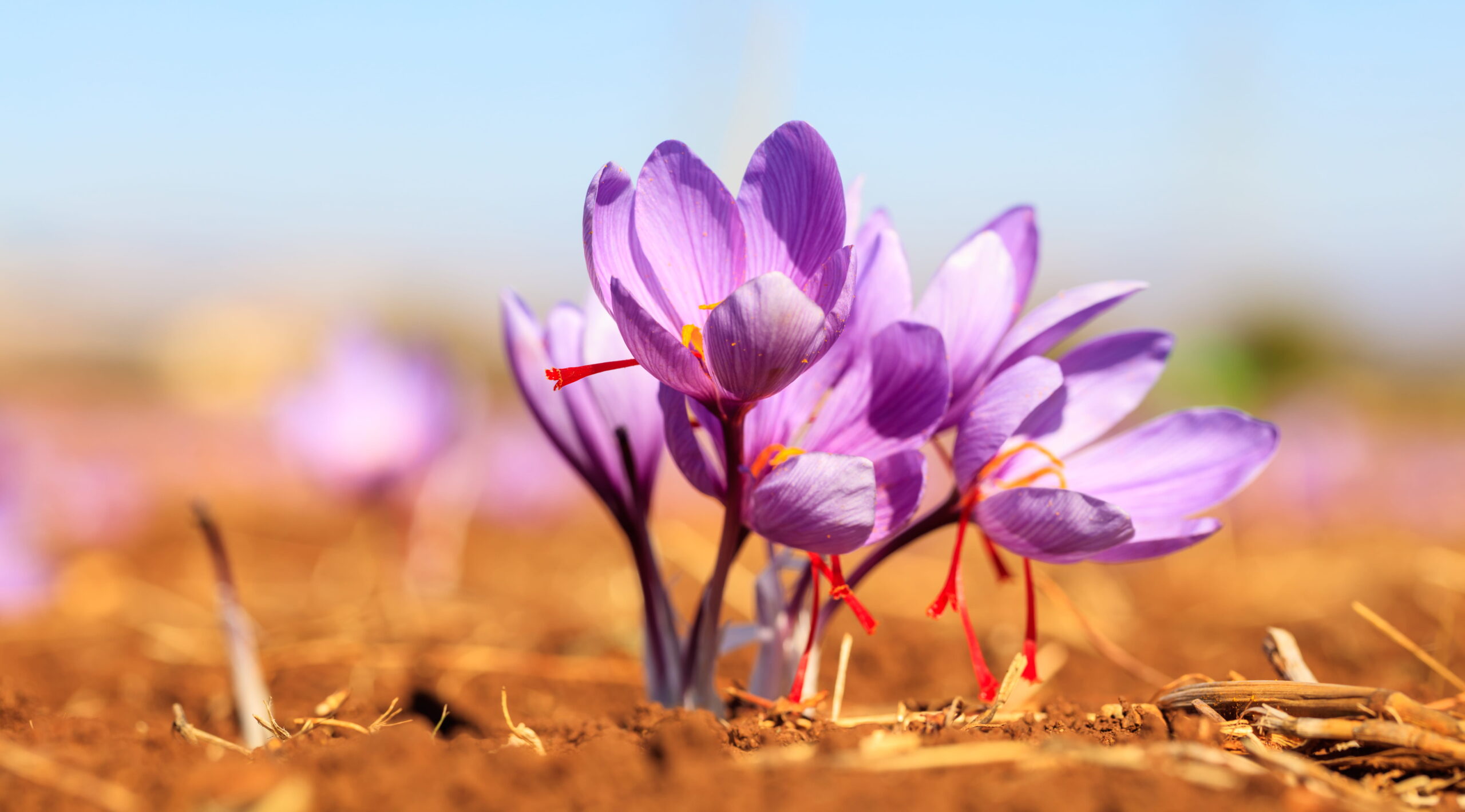
Saffron (Crocus sativus) is native to Iran and now grows throughout the Mediterranean. Its vivid yellow threads—the dried stigmas of the crocus flower—have long been valued for both culinary and medicinal use. A small amount can be added to rice or steeped in tea, offering both flavor and therapeutic properties.
Research indicates that saffron functions as an antidepressant (Hausenblas, Saha, Dubyak, & Anton, 2013), with clinical effects observed at doses of approximately 30 mg per day—about 15 threads. Beyond its medicinal properties, saffron is embedded in systems of traditional knowledge shaped and sustained through generations of women’s labor.
What Makes Saffron Medicinal? The Compounds Behind the Spice
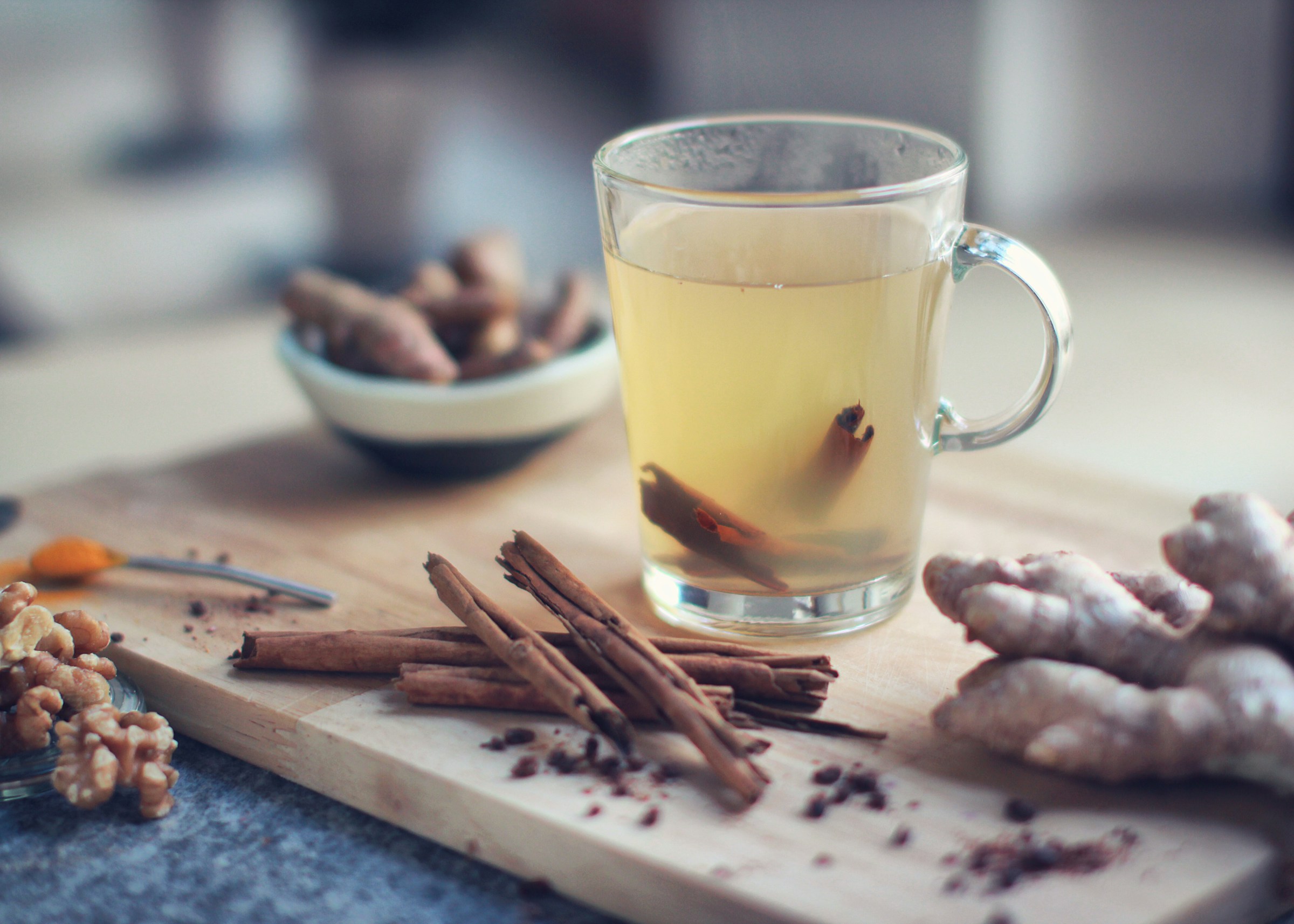
The threads of the Crocus sativus plant provide the exotic spice we call saffron. The pistils contain volatile oils and compounds responsible for imbuing the herb with antioxidant, antidepressant, and anticancer properties. Safranal and crocin are compounds that give saffron its distinct color and flavor, its medicinal qualities, and its high mineral and vitamin content. Saffron is well established as an antidepressant. In traditional medicine, saffron is used as a carminative, antispasmodic, and diaphoretic. An easy way to include saffron in your diet is to add it to rice and vegetables or make a tea by adding several threads to a ginger and honey tea. These potent medical properties are not new findings; saffron’s therapeutic usefulness has been known for thousands of years throughout Asia and the Middle East.
Saffron in Historical and Traditional Medicine Systems
Historical Contexts and Early Uses
Saffron was highly regarded in ancient Persia for its medicinal properties and was extensively used in traditional medicine. When Persian traders introduced saffron to the Indian subcontinent, the Kashmir region soon became known for producing high-quality saffron, prized for its deep color and potent aroma. Throughout Asia, saffron was widely employed in Ayurvedic medicine to address various health issues, including digestive disorders, inflammation, and mood disturbances. Historical records describe saffron serving as a preventative cure during severe plague epidemics, with people believing it could protect against contagion, and its high value led to rigorous trade regulations (Canbulat, 2025).
Saffron in Unani Medicine
Unani medicine is a traditional healing system from ancient times that takes a holistic approach, focusing on the interconnectedness of the body, mind, and environment to maintain overall health. Zafran (saffron) is a highly valued Unani medication that has been shown to improve immunological function, neuroprotection, mood enhancement, and heart health due to active components such as crocin, crocetin, picrocrocin, and safranal (Ali et al., 2024). As saffron’s health benefits inspired traditional systems of healing, its historical and commercial viability has consistently been linked to the people whom it, in particular women.
Women and the Knowledge of Saffron
The “Saffron Calendar”: A Year Guided by Women’s Traditional Knowledge
Saffron production extends beyond agriculture, as it embodies generations of maternal heritage and traditional knowledge (TK) passed down through women. With nearly 90% of the world’s saffron originating in Iran, particularly in Khorasan, families in these rural regions shape their entire yearly rhythm around what they call the “saffron calendar”.Women oversee the entire production cycle, including soil preparation, bulb selection, irrigation timing, harvesting, and the precise, delicate extraction of saffron’s valuable stigmas. An entire 40-hour work week produces only half a kilogram of saffron (Jerban, 2021). However, one of the most remarkable aspects of saffron production is not the fieldwork itself, but the highly specialized and often overlooked expertise of the women who transform each delicate flower into the world’s most precious spice.
Women as Knowledge-Holders: Labor, Expertise, and Cultural Preservation
Perhaps, one of the most important aspects of the saffron cultivation process is the labor and traditional knowledge of the women who carry out the labor-intensive steps of saffron production. They harvest the delicate stigmas at dawn, then dry, sort and store them. This work is a tedious and highly specialized body of traditional knowledge whose work is done within the households and is passed from mother to daughter is largely undervalued and the work is categorized more as domestic labor rather than the formal and specialized expertise that these women possess. The women ensure the quality and potency of the saffron; in addition, they ensure the traditional knowledge and cultural practices (harvest songs, rituals, local preparation methods) are preserved. These cultural practices are deeply embedded in the TK, but only a few elders still remember the old songs. Because compensation and stability cannot be offered through saffron fieldwork as a means of livelihood, many younger generations are leaving rural life behind, viewing the ways of life as high labor with low reward (Jerban, 2021).
Gender, Fair Trade, and the Invisibility of Women’s Traditional Knowledge
Within this mechanism of production, highly gendered aspects separate the protections from protections and fair trade practices, as the wisdom of the women saffron producers is not fairly compensated, acknowledged, respected, or protected. Without the recognition or legal protection, women’s TK in saffron production and cultivation remains invisible, impacting national policies and global markets (Jerban, 2021).
Cardamom Saffron Coffee

This is an adaptation of a popular Middle Eastern preparation, combining warming spices with saffron’s mood-supportive properties.
Ingredients
- Fresh coffee beans (for 1 serving)
- 3 green cardamom pods
- 2 whole cloves
- A few saffron stigmas
- Cream or almond milk
- Optional: a small amount of vanilla
Preparation
- Add the cardamom pods and cloves to your coffee beans and grind them together.
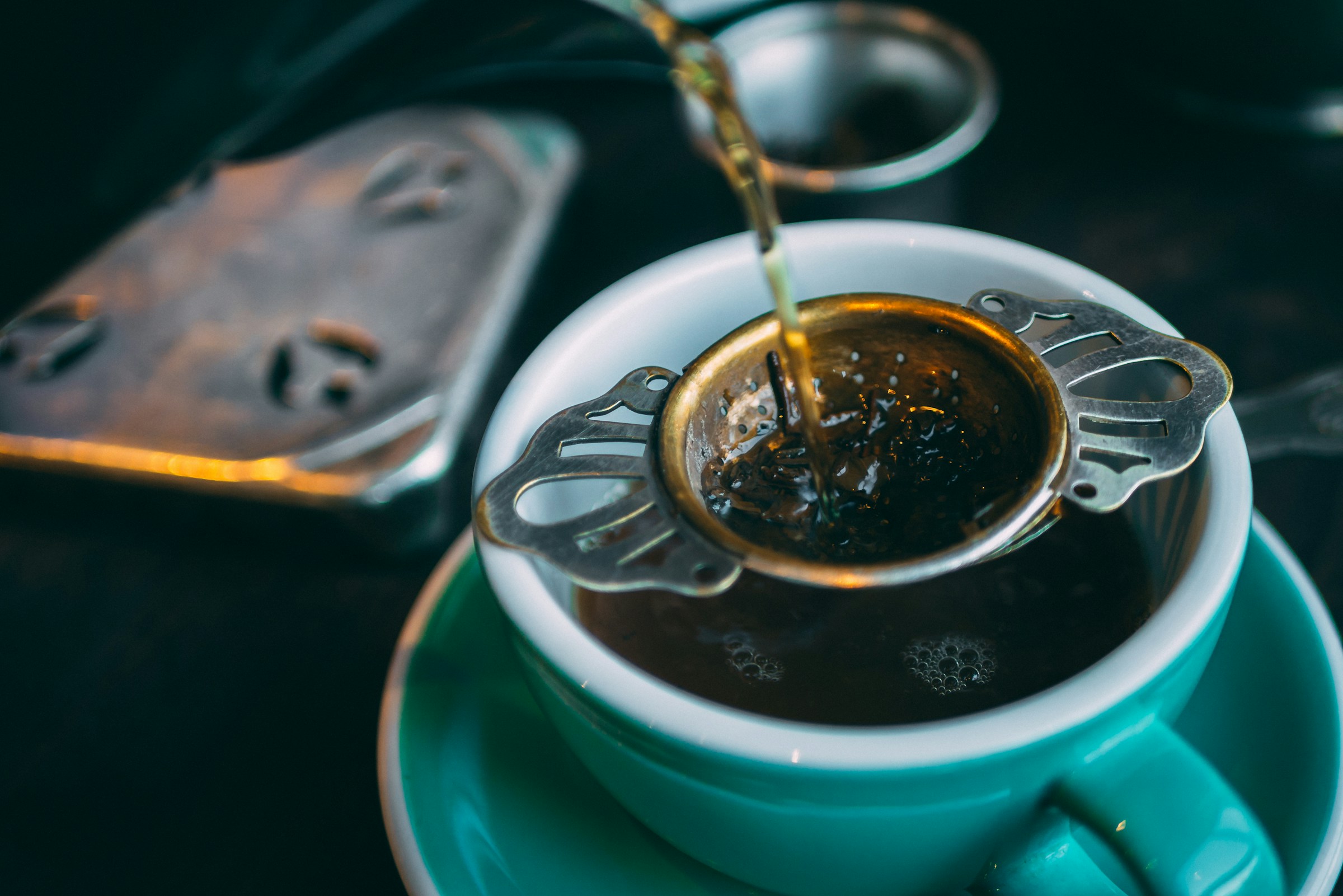
- Prepare the coffee using a drip method or a French press.
- In a small saucepan, gently heat the cream or almond milk and add a few saffron stigmas.
- Allow the saffron to infuse, then froth the milk.
- Pour the coffee and saffron-infused milk together and serve warm.








Leave a Comment