
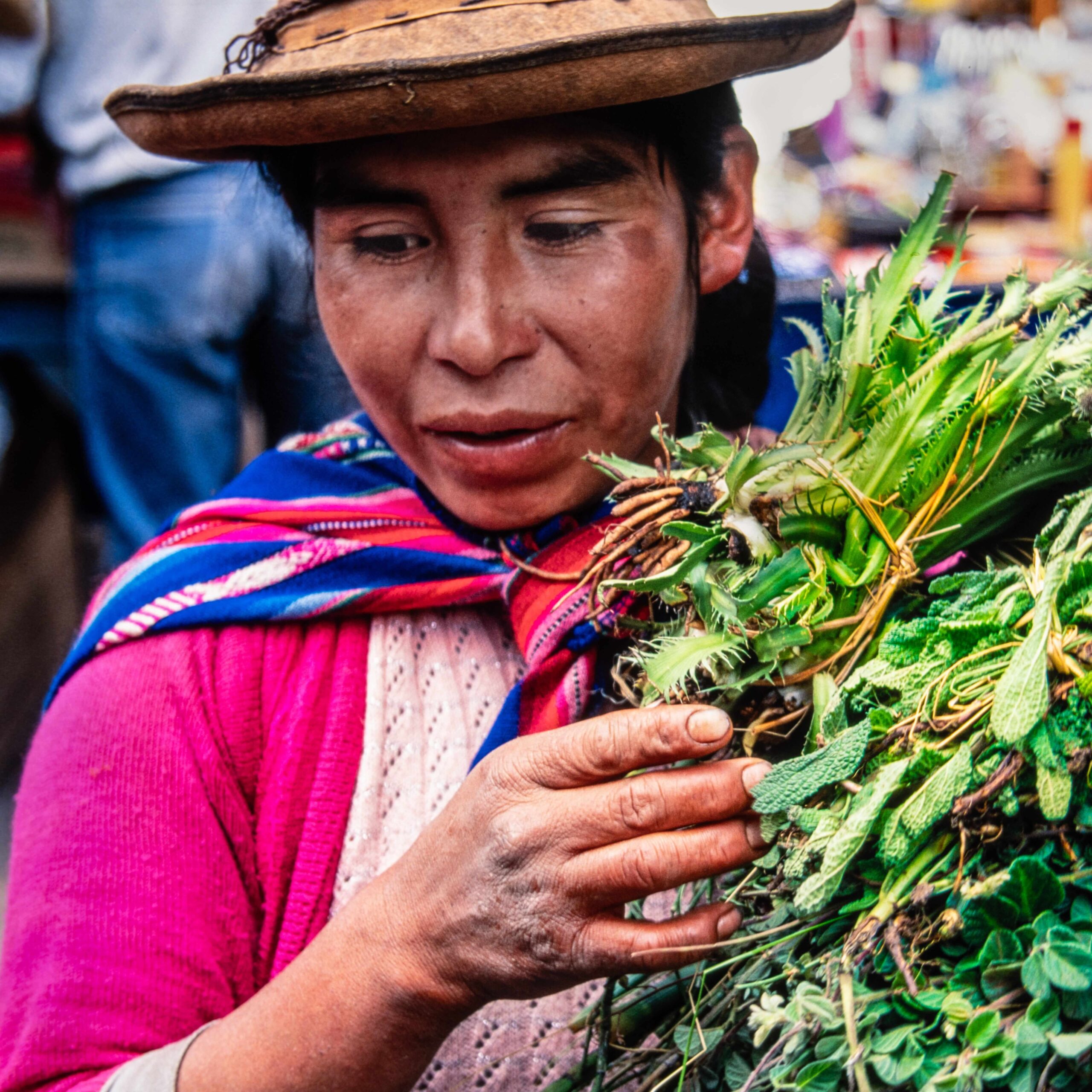
As we open this issue of the Fourth World Journal, we highlight “Bridging Worldviews: Integrating Indigenous Medicine into Clinical Practice,” by Sandi Löytömäki. This contribution examines the ethical and clinical integration of Indigenous healing knowledge within contemporary healthcare, grounded in Indigenous Research Methodologies and personal reflexive ethnography. Drawing on her Sámi and Italian lineage, Löytömäki situates identity as central to healing and challenges dualistic frameworks, proposing a multifocal perspective that weaves Indigenous teachings, narrative, and Western biomedical science.
Positioned within the World Health Organization’s Global Traditional Medicine Strategy (2025–2034), the article explores practical pathways for integration that prioritize cultural safety, sacred space, informed consent, and practitioner responsibility. Through clinical experience and critical analysis, Löytömäki emphasizes the role of Indigenous women, the plurality of medical systems, and the importance of ethical collaboration—setting the stage for the issue’s broader exploration of Indigenous knowledge, sovereignty, and integrative healthcare futures.
Bridging Worldviews: Integrating Indigenous Medicine in a Clinical Practice
A Multicultural, Multifocal Perspective
By Sandi Löytömäki, MOMSc
Abstract
Within the context of the World Health Organization’s new Global Strategy on Traditional Medicine (2025–2034), this article employs Indigenous Research Methodologies to examine the integration of Indigenous medicine into contemporary clinical practice. Drawing on personal reflexive ethnography, the author proposes moving beyond a dualistic framework and the notion of “second sight” toward a multifocal perspective that weaves together narrative, Indigenous teachings, and scientific discourse. This approach emerges from a mixed Indigenous and multicultural identity that articulates Indigenous medical practices, integrative medicine, and Western biomedical science. The analysis includes a critical review of traditional, integrative, and complementary medicine, biomedicine, gender disparities in healthcare, and the historical role of women, with particular emphasis on Sámi traditional medicine. Finally, the article discusses clinical experiences that engage with the four objectives of the WHO strategy: evidence, safety and efficacy, integration into health systems, and community empowerment.
About the Author

Sandi is an Indigenous and Integrative Medicine, and Osteopathic Manual Therapy Practitioner with over 40 years of experience supporting individuals in restoring balance within their body, mind, and spirit. She holds a Joint BSc in Kinesiology and Psychology, with a specialization in neurobehavioral studies, from the University of Waterloo (Canada); a Certificate in Traditional Sandi Löytömäki, MOMSc Medicine from the Center for Traditional Medicine (Washington State); and a MSc in Osteopathic Manipulative Sciences from the Canadian Academy of Osteopathy. She served as a Research Associate on the National Institutes of Health–funded study examining polarity therapy for Native dementia caregivers. Grounded in her Indigenous Sámi lineage and Italian ancestry, Sandi bridges Indigenous knowledge systems with Western scientific thought. Her mixed heritage informs a cross-cultural approach to healing that integrates allopathic, Indigenous, traditional, and complementary practices. Following malaria-related multi-organ failure, Sandi experienced clinical death and later made a full recovery. This transformative experience continues to inform her work as a healer-scientist in integrative and Indigenous medicine.
Read the article and access the complete Special Edition issue.







Leave a Comment