

Yakima River flowing through dry golden hills in fall, Washington State, USA)

This post is a preview of “Yakama Women at the Longhouse, Part 1,” by Hailey Allen (Yakama). Centering Yakama women as carriers of medicine and ceremonial knowledge, the article explores how First Foods, land-based practices, and the metaphor of Huli (wind) sustain intergenerational continuity and cultural resilience within the Longhouse tradition.
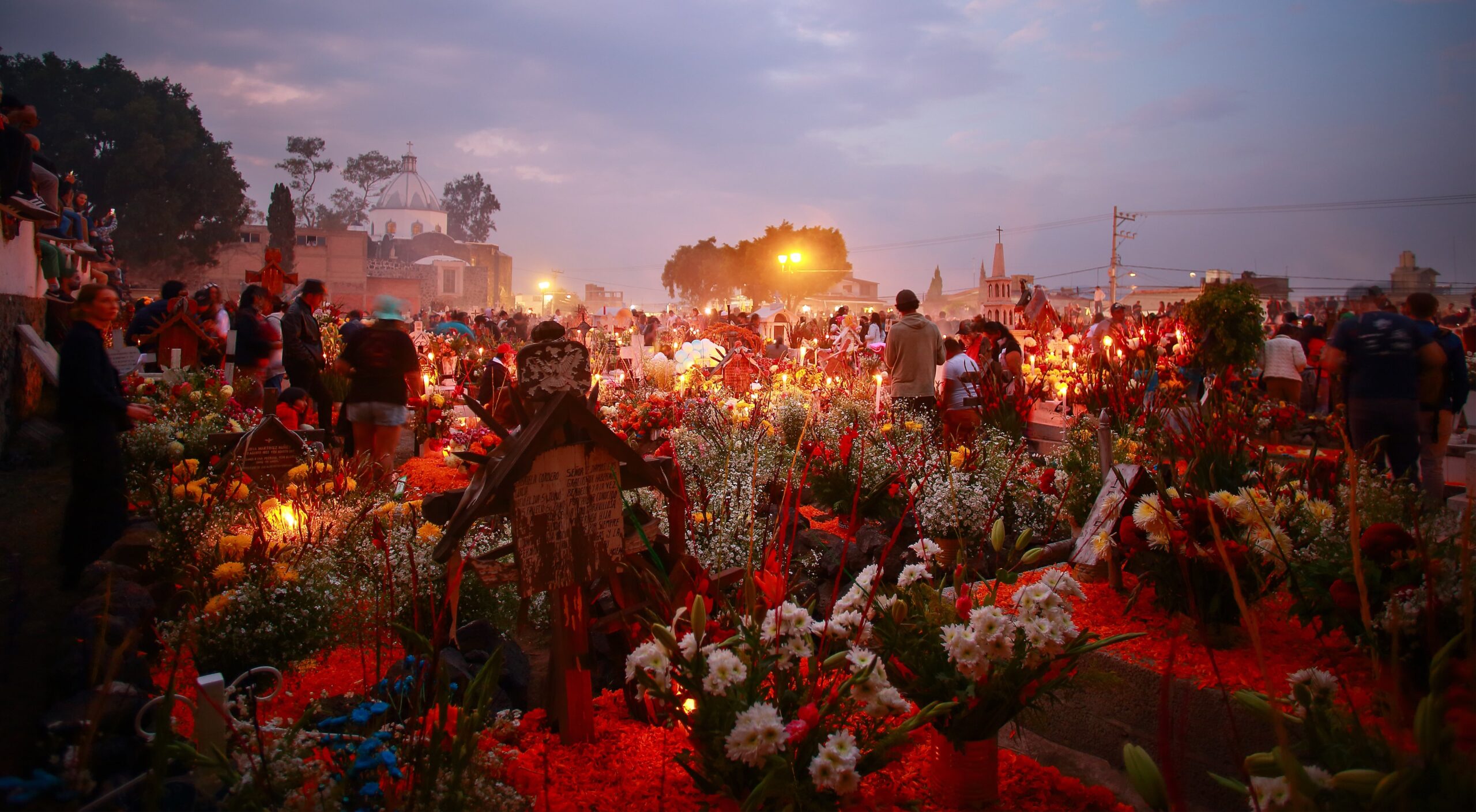
Night view of the Mixquic cemetery during the traditional celebration of the Day of the Dead)

An exploration of how death, grief, and mourning are experienced across religions and cultures, examining customs, protocols, and healing practices, and highlighting the ways people find comfort and restoration through support and ceremonial rites that revere the cycle of life.

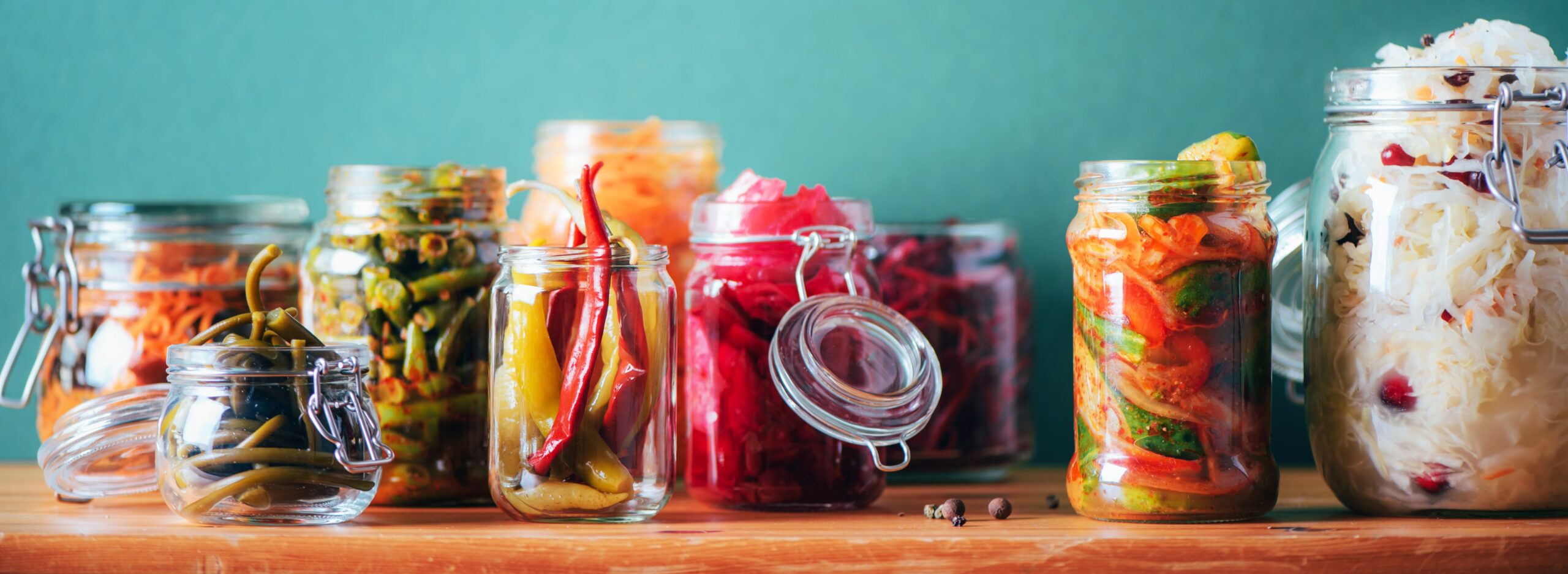
Assorted fermented vegetables in glass jars, including kimchi, pickled peppers, and other probiotic-rich foods.

Fermentation is a time-honored practice used across traditional medicine systems to enhance digestion, nutrient absorption, and therapeutic effects of foods and herbs. This article explores research evidence on fermented foods, probiotics, and psychobiotics, alongside cultural knowledge and a practical herbal tepache recipe.

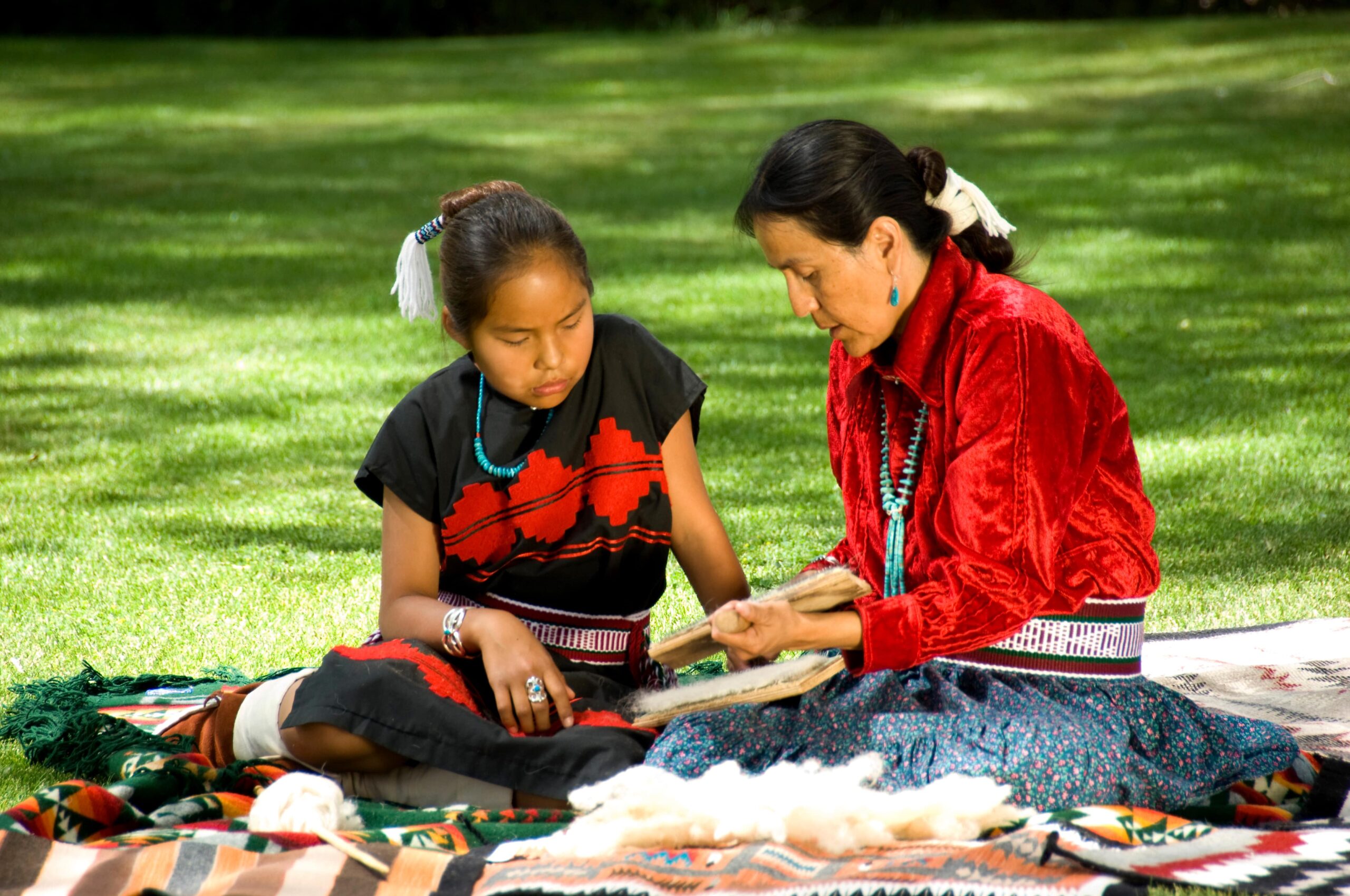
Indigenous elder teaching a young girl traditional weaving outdoors, illustrating intergenerational learning and cultural resilience

Explore how intergenerational trauma affects Indigenous communities, the biological imprint of historical trauma, and the transformative role of collective healing, cultural connection, and resilience across generations.

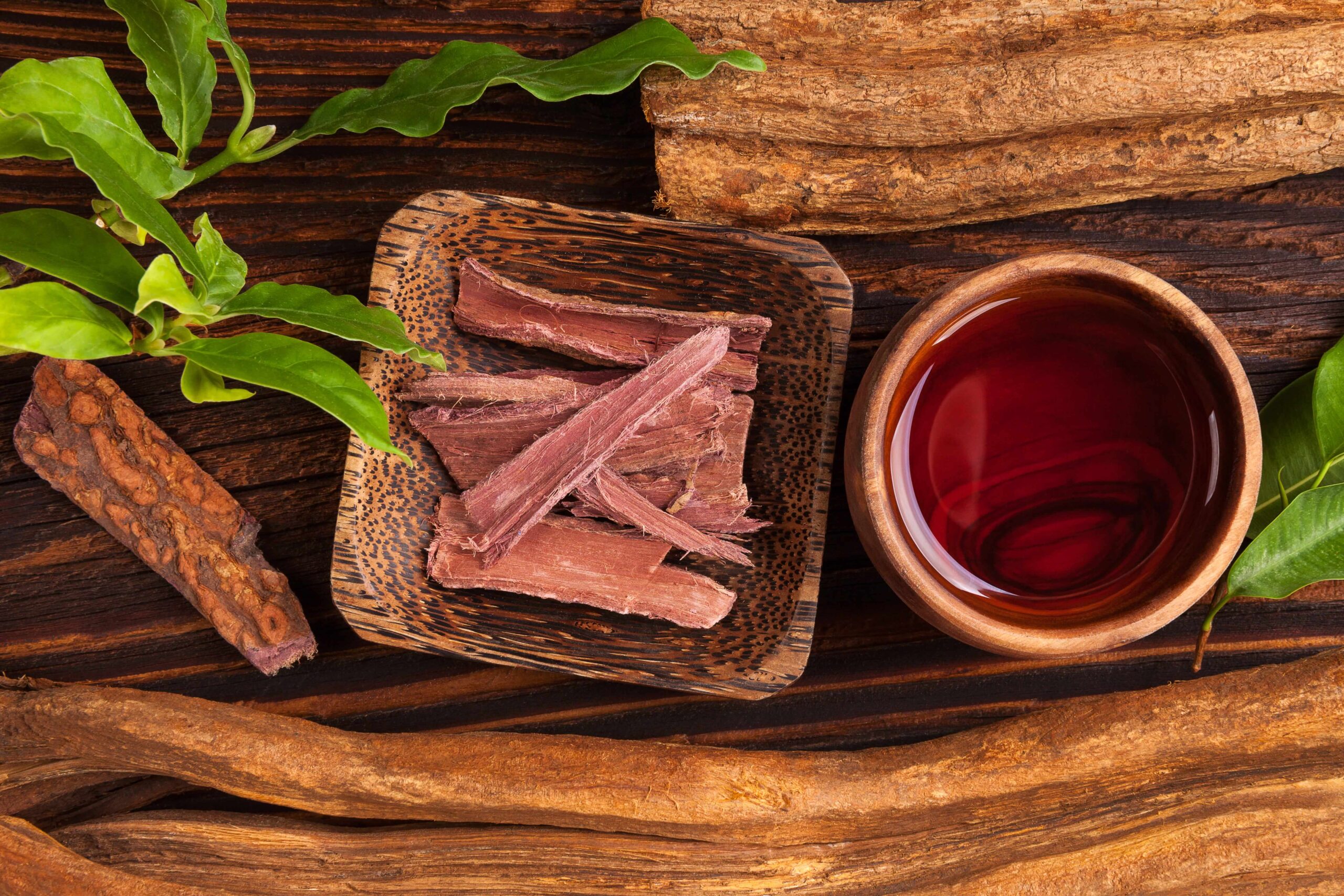
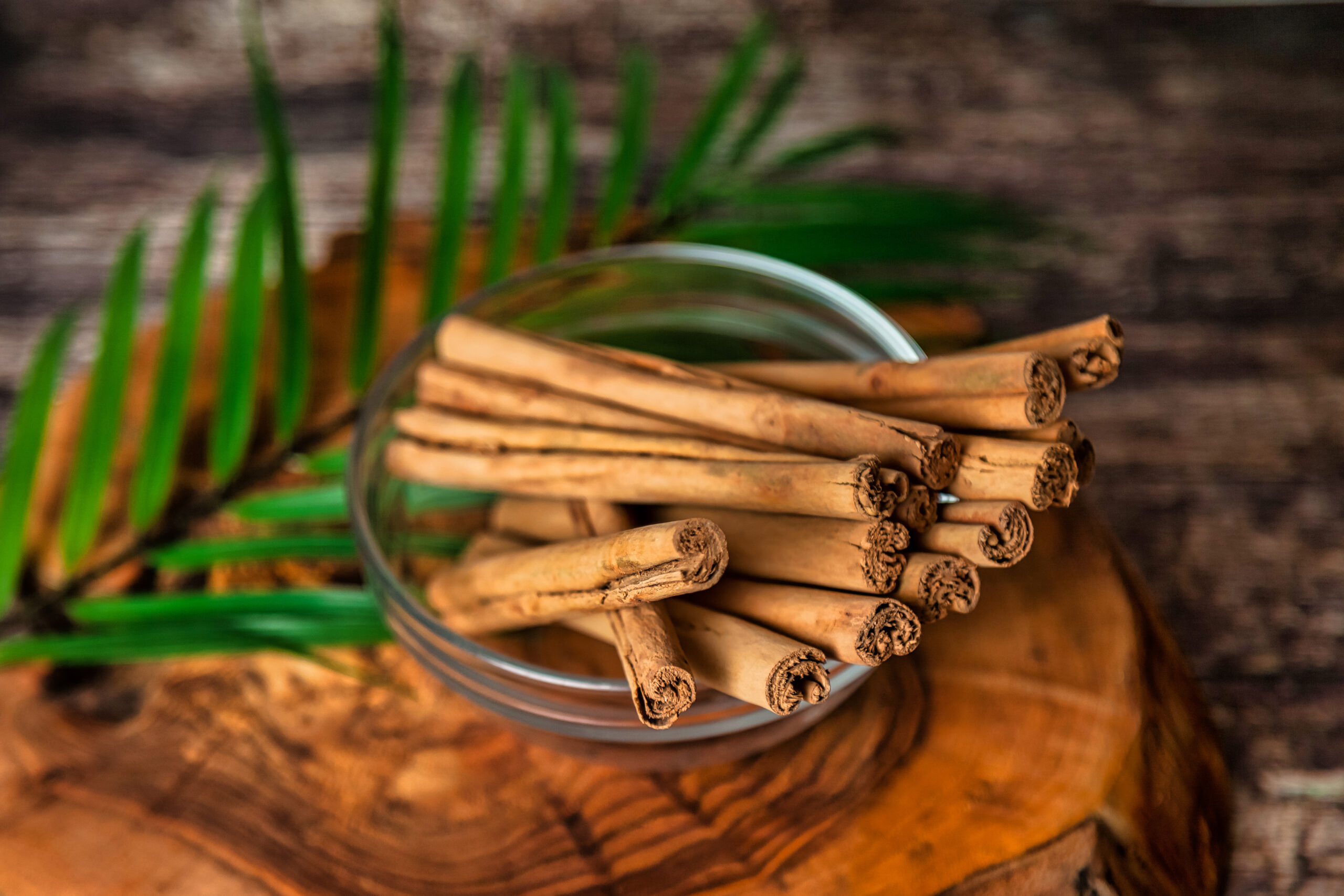
Traditional practices, such as drinking cinnamon tea, once helped protect against diabetes in Mexico; however, modern diets have shifted these traditions. Managing blood sugar is essential for well-being, and herbs such as ginseng, bitter melon, fenugreek, and neem continue to offer support, reflecting the wisdom of ancestral plant medicine.