
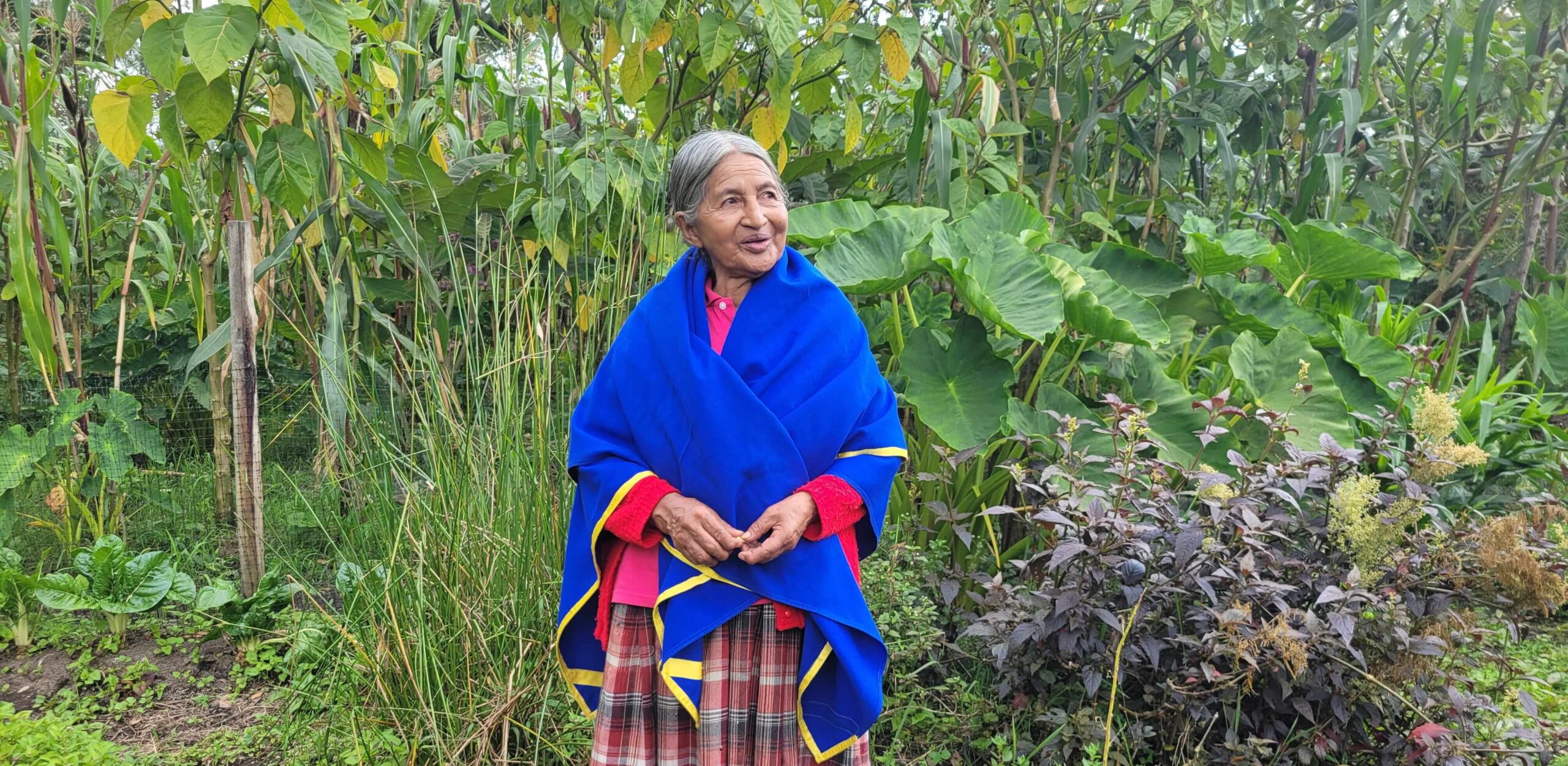
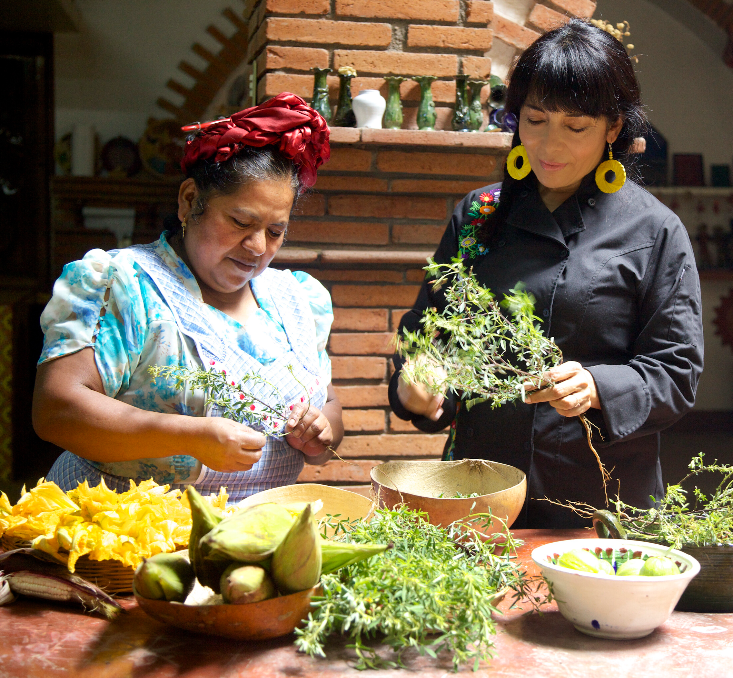
Continuing this issue’s conversation on Indigenous women, community care, and traditional healing, “Revitalizing Kichwa Midwifery: Medicinal Plant Knowledge for Pregnant Women in San Martín, Peru”, by Conzuelo Tapullima de Tuanama Tuanama and Laura Corradi, MA, explores the vital role of Kichwa midwives in sustaining community health and cultural continuity. Centering Mamá Conzuelo’s lived experience, the article highlights her knowledge of pregnancy, childbirth, and medicinal plants, revealing a practice where care for the body, the spirit, and the land are inseparable. Through detailed accounts of four essential plants and their applications, readers gain insight into how midwives guide adolescent mothers, support families, and transmit ancestral knowledge across generations.
Laura Corradi situates Mamá Conzuelo’s teachings within the broader context of intercultural health in Peru, showing how Indigenous midwifery has survived historical stigmatization, structural discrimination, and the marginalization of traditional care. The article demonstrates that midwifery is not only a health practice but also a cultural and spiritual one, forming a foundation for resilience, community well-being, and intergenerational knowledge.
Listen to Mamá Conzuelo as she reflects on the importance of preserving this living knowledge:
Revitalizing Kichwa Midwifery: Medicinal Plant Knowledge for Pregnant Women in San Martín, Peru
Abstract
This article shares the traditional knowledge of Kichwa midwife Conzuelo (“Mamá Conzuelo”) Tapullima de Tuanama Tuanama about pregnancy, childbirth, and the use of medicinal plants in the community of Chirik Sacha, San Martín, Peru. Through interviews and visits to her garden, the text highlights four essential plants and the teachings that accompany them. Laura Corradi wrote the premises, acknowledgments, introduction, and conclusions, situating Mamá Conzuelo’s knowledge within the broader context of the stigmatization of Indigenous midwifery and the cultural revitalization efforts taking place in the region. The article aims to support the preservation of this knowledge and underscores its importance for community health and for recognizing the central role of midwives within an intercultural framework.
About the authors

Conzuelo Tapullima de Tuanama Tuanama is a Kichwa midwife from the community of Chirik Sacha in the province of San José de Sisa in the San Martín region of Peru. She has deep knowledge of medicinal plants, which is why people refer to her as a “wise woman.” She also works as a midwife and traditional masseuse, and she serves as president of the Association of Women Victims of Forced Sterilization of San Martín.

Laura Corradi holds a master’s degree in International Cooperation for the Protection of Human Rights from the University of Bologna, with a focus on the economic anthropology of Indigenous peoples in Latin America. She has lived in several Latin American countries, worked with Quichua, Cofán, and Siekopai communities in Ecuador, and conducted her master’s thesis research in six Mocoví communities in Argentina. In 2024–25, she collaborated with the Amazonian Center for Anthropology and Practical Application (CAAAP) in Peru, focusing on strengthening women’s leadership, promoting empowerment, and addressing women’s roles, ancestral knowledge, gender-based violence, and territorial property rights among the Awajún, Kichwa, and Shawi Peoples.
Read the article and access the complete Special Edition issue.






Leave a Comment