
Blog
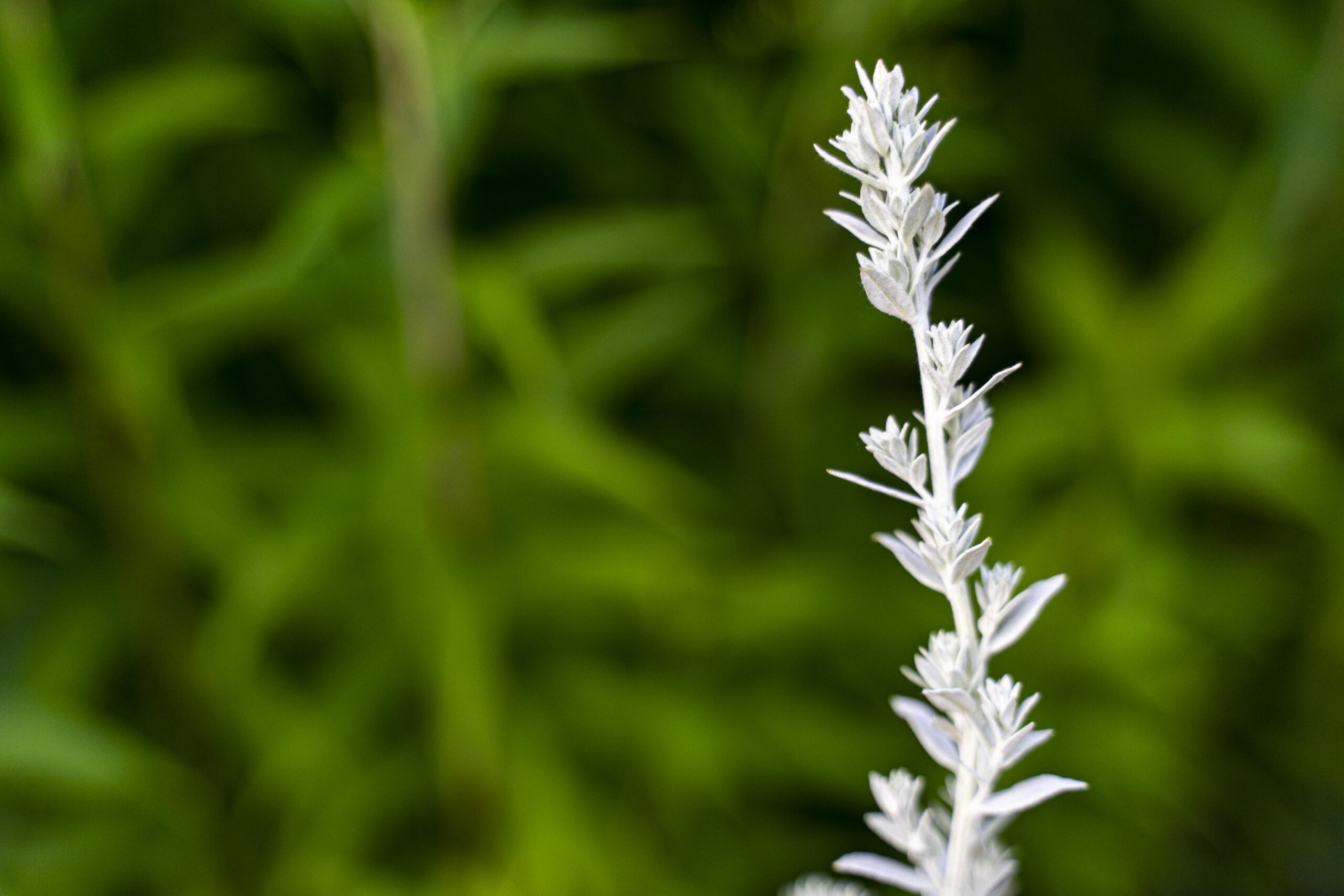
Artemisia ludoviciana (Estafiate) in Indigenous and Modern Medicine
August 28, 2025
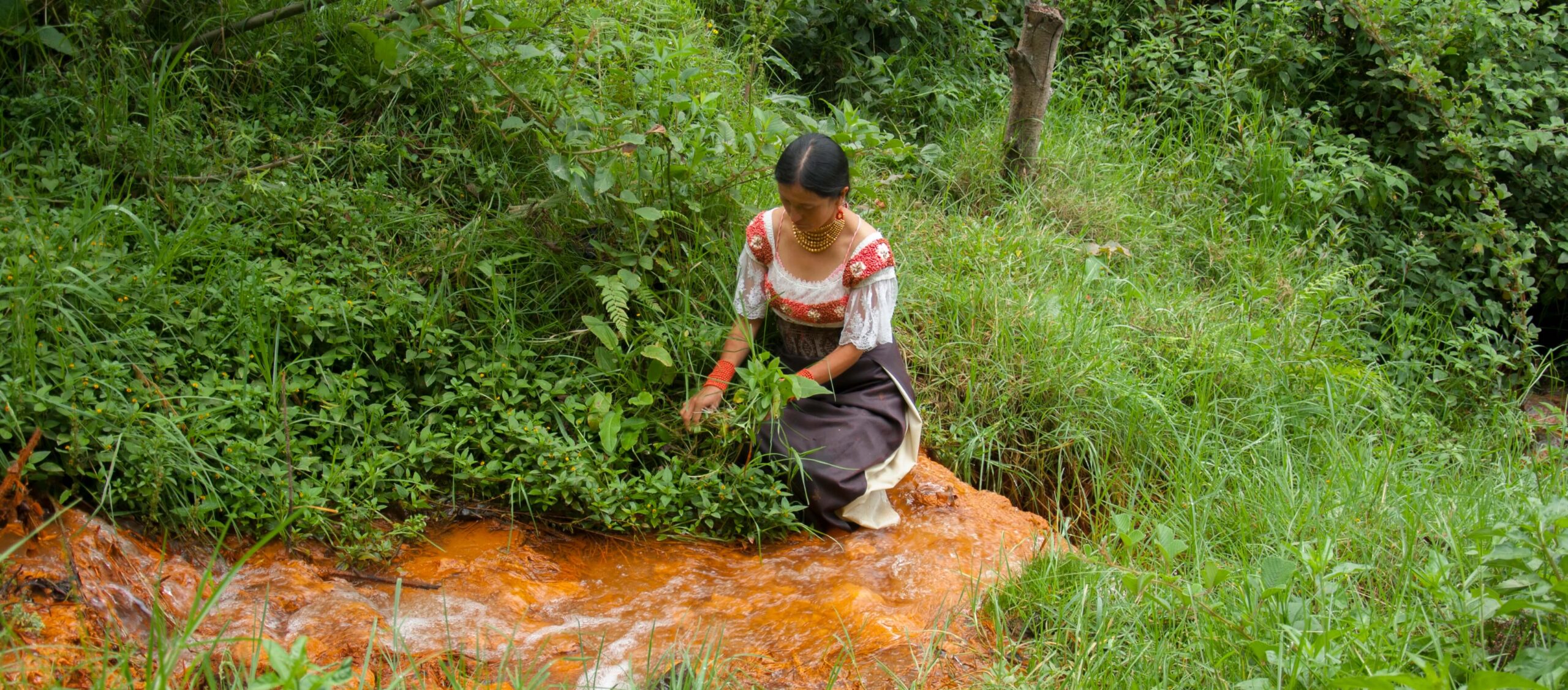
Estafiate has long been central to Indigenous medicine in Mexico, valued for treating digestive and respiratory ailments, while also playing a key role in ceremony and cosmology. Documented in early codices and still widely used today, estafiate reflects the resilience of Indigenous knowledge and its ongoing dialogue with modern science.
Read Story
Beyond PTSD: Intergenerational Trauma and the Legacy of Colonization
August 28, 2025
Trauma is not only about events, but also about how they are understood within a culture. For Indigenous peoples, ancestral stories and communal practices can buffer the effects of disaster, while disruptions fracture lifeways and deepen loss. These contrasts reveal how meaning-making, kinship, and resilience shape the legacy of trauma.
Read StoryCategories
Trending

Thank You to Our Donors


Elina Vesara
Ostern Fund