
The modern approach to healing uses many treatments, clinical therapies, and prescriptions. Such interventions often serve as temporary fixes rather than addressing root issues. In the past, we relied on rhythm and community. Healing was not about repairing something broken but restoring connection and balance, both within ourselves and with the natural world. This approach remains core to Indigenous communities. Ceremonies and rituals offer deep healing and balance. Research links such practices to nervous system regulation and stronger social bonds. Through ritual, the body’s healing capacity is activated in harmony with community and nature. Practices like sweat lodges and ceremonial movements have lasted for millennia, demonstrating the enduring power of ritual and healing in rhythm.
Healing in Rhythm
The perceptual skills and biochemical substrates required to survive the traumas of prehistory developed hand-in-hand with rituals of healing. Where external nature could not be tamed, ancient peoples learned to use natural forces to control the wild forces within themselves. The ancient (and contemporary) requirement to survive and flourish by identifying with nature (including animals) was achieved by rituals that resonated with reverence. In response, nature’s gifts were revealed. Rituals became a way to cradle illness and ignite medicine, thereby balancing the nerves, altering mental states, and aligning humans with the sacred. The practice of healing becomes a ritual when the sacred is embraced and therapeuticos , the act of worship, is enacted. Ritual behavior is patterned, repetitive and rhythmic (D’Aquili and Laughlin, 1975). Group ritual engages the whole being and synchronizes the rhythms within the individual, entraining her to the community’s nervous system; together they then align with the cosmic pulse bringing coherence, meaning, and healing for the seekers (Korn, 2021)
Society and Ritual
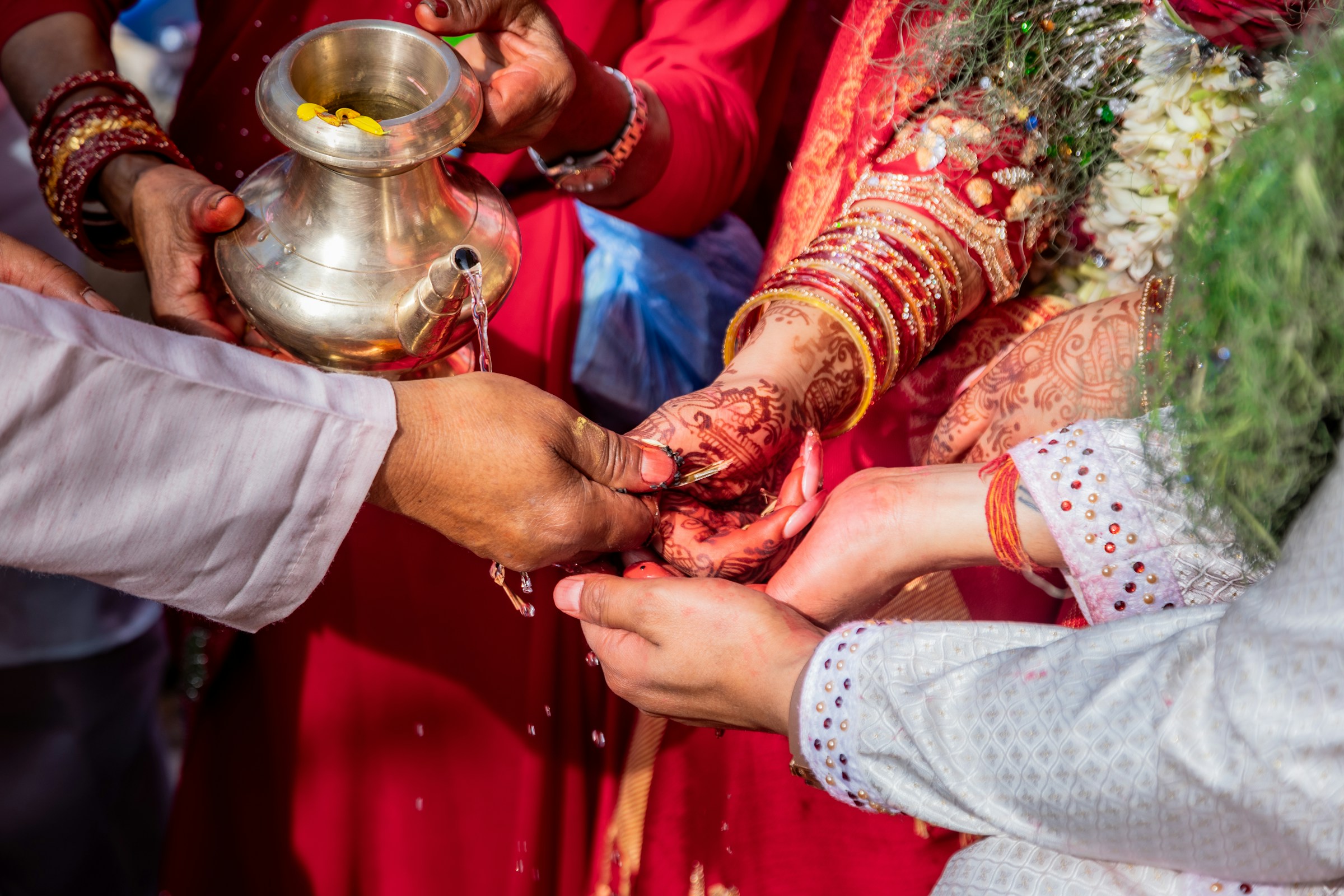
Rituals are practiced in every society and are among the longest-standing practices and traditions, even in secular settings. They help to build collective identity and help communities process change and loss. This includes weddings, funerals, graduations, memorials, monuments, and collective symbols like flags. They mark life transitions such as birth, puberty, rites of passage, and death and mourning. All of these help provide structure or communal support during times of uncertainty and help individuals adjust to and shift into new roles or identities (Elendu et al. 2024).
Symbolic Rituals
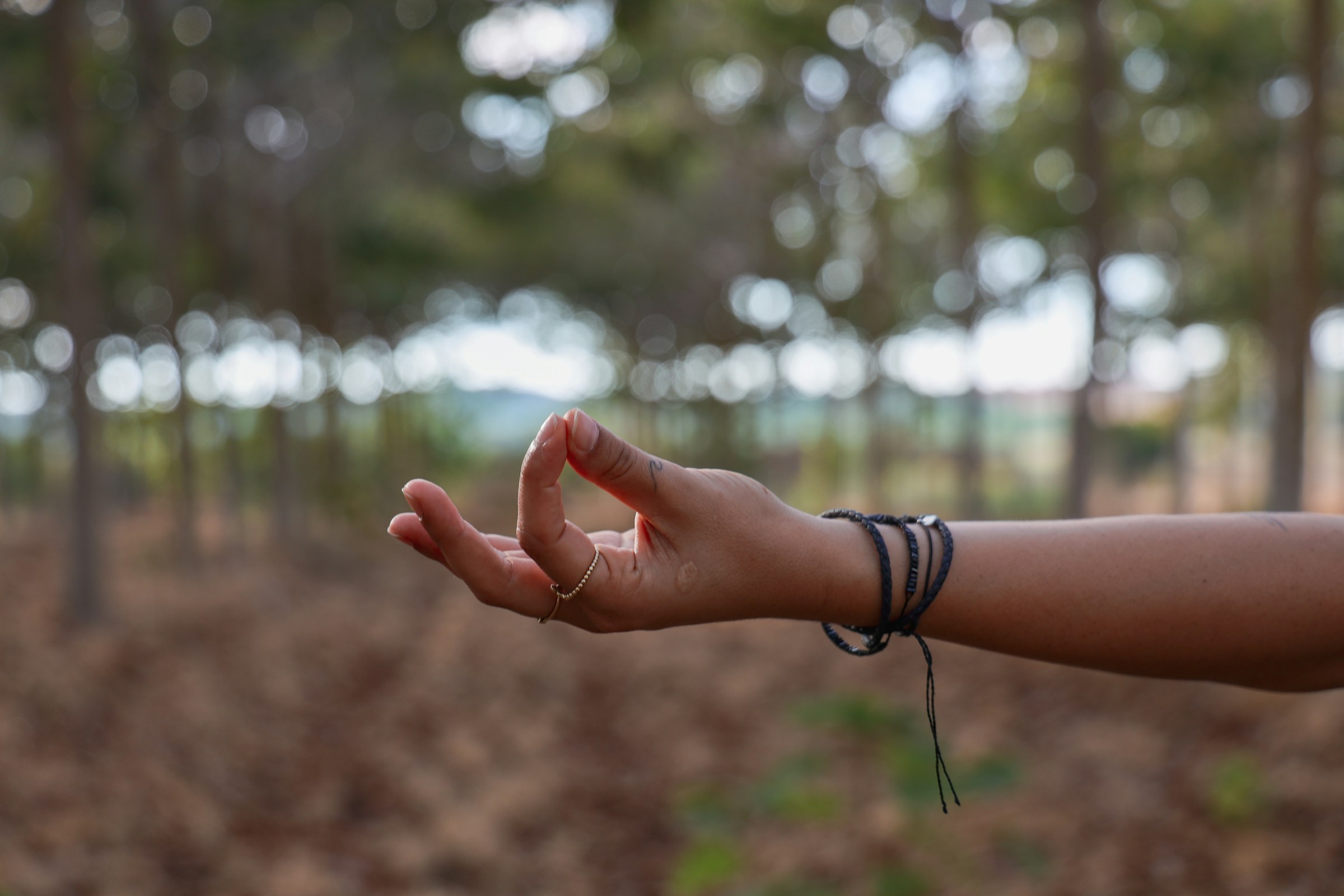
Symbolic rituals, including gestures, objects, sounds, and words, help to regulate emotions, anchor attention, and foster communal and sacred connections. Examples include lighting candles, burning incense, praying, making offerings, or using sacred objects and repeating movements. Rituals provide support across domains and facilitate healing through emotional expression and through meaning-making. Other ways they provide support are through providing closure or nurturing integration. Through guided imagery, storytelling, myths, and creative and expressive practices, the therapeutic process of healing is implemented (Elendu et al. 2024). Symbols function as carriers of meaning, providing emotional support during times of illness or grief, strengthening resilience, and providing an anchor. Examples of these expressions across traditions include the cross in Christianity, which symbolizes sacrifice, redemption, or healing, and the Lotus in Buddhism, which conveys rebirth, purity, and enlightenment (Elendu et al. 2024).
Rituals as Cultural Healing
Cultural healing activities, undertaken in the context of a safe group ritual at appropriate stages, promote the healing process. Group cohesion supports the individual’s renewed capacity for social bonds. Therapeutic rituals are intentionally designed to enhance self-esteem; provide specific times for spontaneous, individual actions, or comments by members; and allow for greater arousal of the disturbing situation and therefore for greater emotional catharsis. Ceremonies should allow for the expression of distressing emotions within a safely contained structure; help to recontextualize the experience of trauma victims; engage the patient in utilizing social defenses; promote the experiencing of emotions within a communal ritual; encourage identification and attachment with the group; and alleviate pressure on the individual (Johnson,Feldman, Lubin, & Southwick, 1995).
Communal Healing
Through communal rituals, community members strengthen social and family bonds, often with spiritual or cultural foundations rooted in cosmology and ancestral guidance. They strengthen community identity, fostering belonging, resilience, and protective mental health qualities through practices, collective engagement, and embedded social-ecological systems that reflect kinship and ancestral ties linked to place and ecolocational relationships. All dimensions are addressed; it’s a holistic approach, simultaneously healing all dimensions of health, physical, emotional, social, and spiritual (Ting et al., 2025).
The Lakota Sweat Lodge
The Lakota sweat lodge is a culture-specific traditional healing ritual that is used by American Indians and non-Indians alike. The Lakota sweat lodge ceremony offers a traditional medicine approach to healing where the group participates cooperatively to build a sweat lodge, including construction and gathering the stones for the fire. During the prolonged exposure (several hours) to intense heat, prayers are offered to the earth and the ancestors for self-purification and healing. Afterwards, a meal is prepared and shared (Wilson, 1989). Sweats are most often gender-specific. The Veterans Administration and the Indian Health Service organize such rituals, as do women’s healing groups. One can also gain benefits from sweating in a sauna. However, when one is participating in a complex ritual ceremony such as a sweat lodge, one must seek out trained practitioners or guides who understand the preparation required before, during, and after the ceremony.
Evidence from Ritual Healing
Research validates the therapeutic efficacy of sweat lodge ceremonies, which have become central to the Indigenous resurgence movement among Mexican Americans seeking to reconnect with their ancestral heritage and Indigenous identity through traditional rituals and ceremonies. One study found that among Mexican Americans, sweat lodge participation enhanced Indigenous identity and cultural connection, with symbolic elements like singing and drumming activating positive emotions and coping mechanisms that reduced stress and promoted sustained well-being (Zermeño & Laster Pirtle, 2021).
Through ancestral healing rituals, results show a measurable biological process and not only a symbolic one. They found that practices such as meditation, fasting, rhythmic movements, and ceremony help regulate communication among the nervous, immune, hormonal, and metabolic systems. They found that rhythmic and intentional practices support energy balance, inflammation regulation, and enhance neuroplasticity and metabolic flexibility (Gaspary et al., 2025).
Portions of this blog were adapted from Dr. Leslie Korn’s Rhythms of Recovery: Trauma, Nature, and the Body.






Leave a Comment