

Portions of this blog were adapted from Nutrition Essentials for Mental Health: A Complete Guide to the Food–Mood Connection (Korn, 2016), Rhythms of Recovery: Trauma, Nature, and the Body (Korn, 2021) and Natural Woman (Korn, 2019)
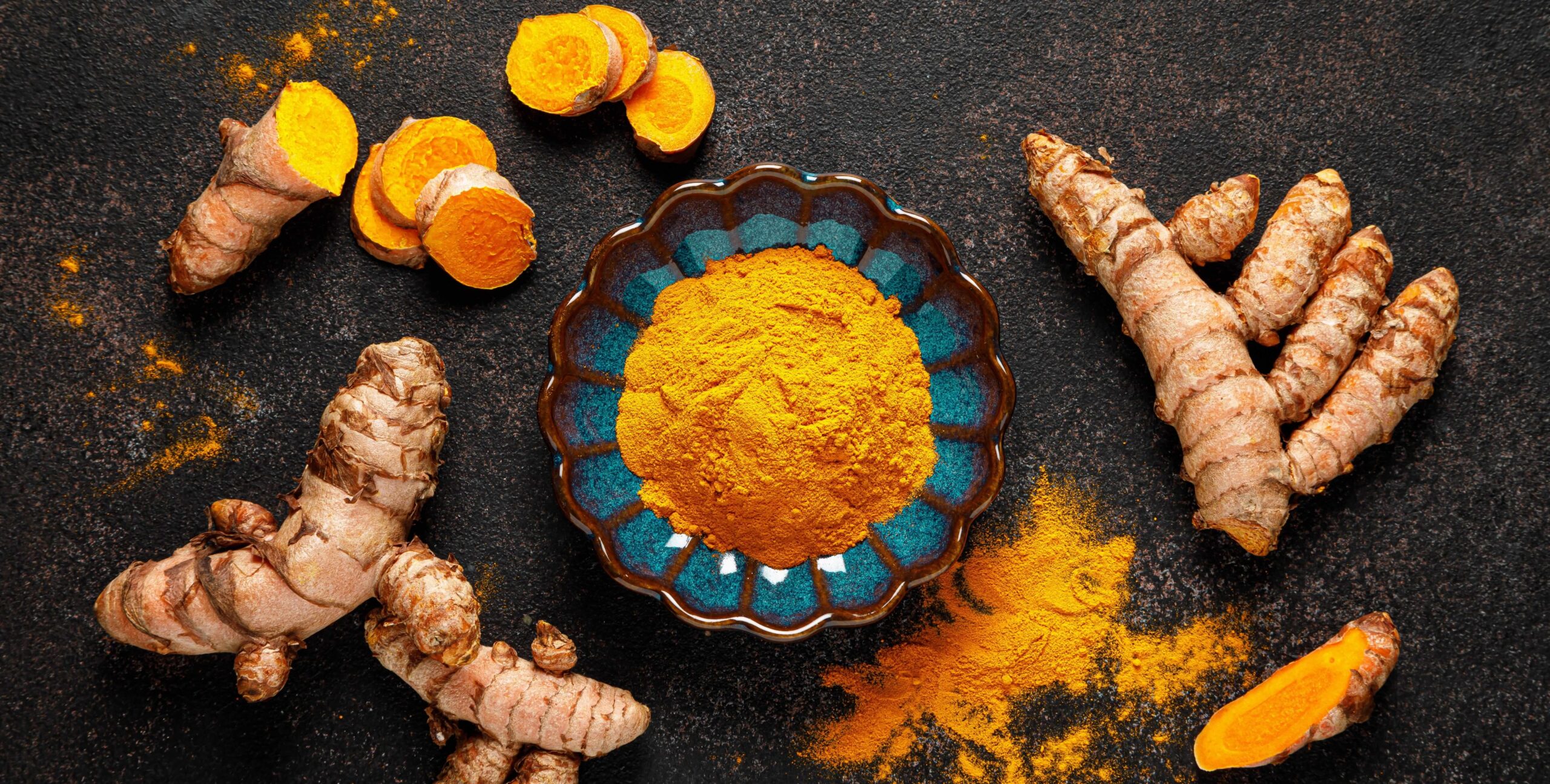
Ginger (Zingiber officinale) and turmeric (Curcuma longa) are noteworthy rhizomatous herbs and spices that merit further discussion due to their significant properties as powerful antioxidants and potential antidepressants. Rhizomes are underground stems that can store nutrients and energy, allowing the plant to endure adverse conditions. Research shows that they can make up a substantial portion of a plant’s total biomass while growing in proportion with the leaves. This indicates that rhizomes are not just extra roots, but they possess major energy stores that grow in balance with the rest of the plant. This balanced, mutually dependent relationship helps herbs like ginger and turmeric survive, regrow seasonally, and stay resilient (Harris et al., 2023).
Both ginger and turmeric belong to the Zingiberaceae family (also known as the ginger family) and have a long history of use in traditional medicinal systems. This includes Ayurveda and Traditional Chinese Medicine (TCM), and Unani (Kadam & Shahi, 2025). Their pharmacological properties confer a range of therapeutic benefits, including immune modulation, gastrointestinal health, anti-inflammatory effects, and neuroprotection. These compounds are incorporated into culinary practices, ceremonial applications, and as integral components in various dietary supplements. Ginger and turmeric have long been celebrated for their medicinal properties, yet research suggests that underexplored relatives like Thikur could also provide therapeutic benefits (Kadam & Shahi, 2025).
Ginger: Nature’s Panacea
Ginger is an all-around panacea and the fresh root, powder, and candy are all essential ingredients to have in your herbal medicine cabinet. Ginger reduces nausea, vomiting, inflammation, and the frequency of colds, as well as lowering cholesterol and improving metabolism.
It is a powerful digestive aid and reduces intestinal gas. Ginger aids with protein digestion and reduces problems associated with uric acid in the body. It soothes the gastrointestinal tract and is beneficial for gastrointestinal disorders. Ginger has anti-inflammatory and antioxidant effects, relieving pain and spasms, as well as nausea and menstrual cramps. It aids circulation and helps to reduce stress.
Ginger and turmeric are also COX and LOX inhibitors. They are cost-effective medicinal rhizomes that can easily be integrated into daily tea or food or taken in capsules. Ginger root is especially effective for joint and muscle pain, in part due to gingerols (relatives to capsaicin and piperine found in chilies and black peppercorns), which inhibit the COX and LOX inflammatory enzymes. Both of these rhizomes are available in liquid extracts or capsules.
Adding a little fresh-grated ginger to orange juice makes a healing drink for the liver, and it’s an easy-to-take anti-inflammatory and spicy addition to any dish. Ginger adds heat to food without burning the way a chili might, and it’s a major ingredient of Bengali curry, which is always worthwhile spending an afternoon making.
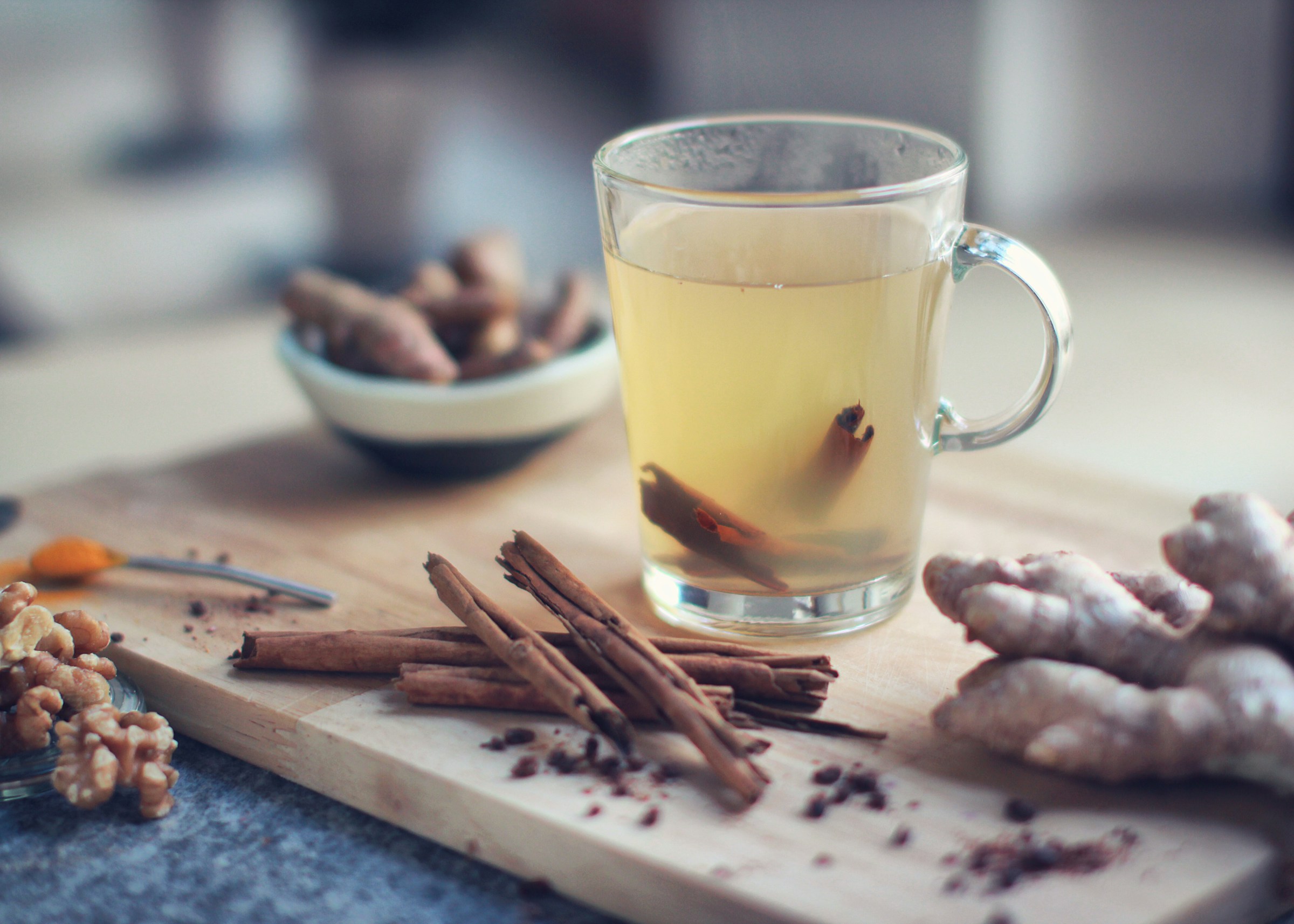
Ginger, as a rhizome, is the best form to use. It is best to use fresh ginger root to receive the most benefit. Many recipes call for ginger as a flavor enhancer. It is excellent sauteed for several minutes and added to stir-fries, sauces, and marinades. A delicious and slightly spicy tea can be made with ginger by simmering 1 – 2 tablespoons of the fresh root in 2 cups of water for 10 – 15 minutes, then steeping and drinking with a natural sweetener, such as stevia.
Tulsi ginger tea is available to buy and includes tulsi, an antioxidant-rich and adaptogenic (increases the body’s resistance to stress) herb, also known as holy basil, with organic Indian ginger. It is a delicious and convenient way to incorporate these two powerful medicines into your diet.

Spicy Lemongrass Ginger Ale
SERVES 8
Ingredients:
- 1 pound fresh ginger, peeled and chopped
- 3 lemongrass roots, each about 4 inches long, chopped
- ½ small serrano chili, seeds removed (optional)
- ½ cup raw local honey
- 4 cups water
- Juice of ½ lime
- Sparkling mineral water
Instructions
Blend the ginger and lemongrass (*optional add chili) until smooth. Transfer to a saucepan, add the honey and water, bring to a boil, then simmer for 10 minutes. Cool, strain into a glass jar, and chill.
To serve, combine ½ cup syrup with lime juice, ice, and sparkling mineral water.
Turmeric: The Golden Anti-Inflammatory
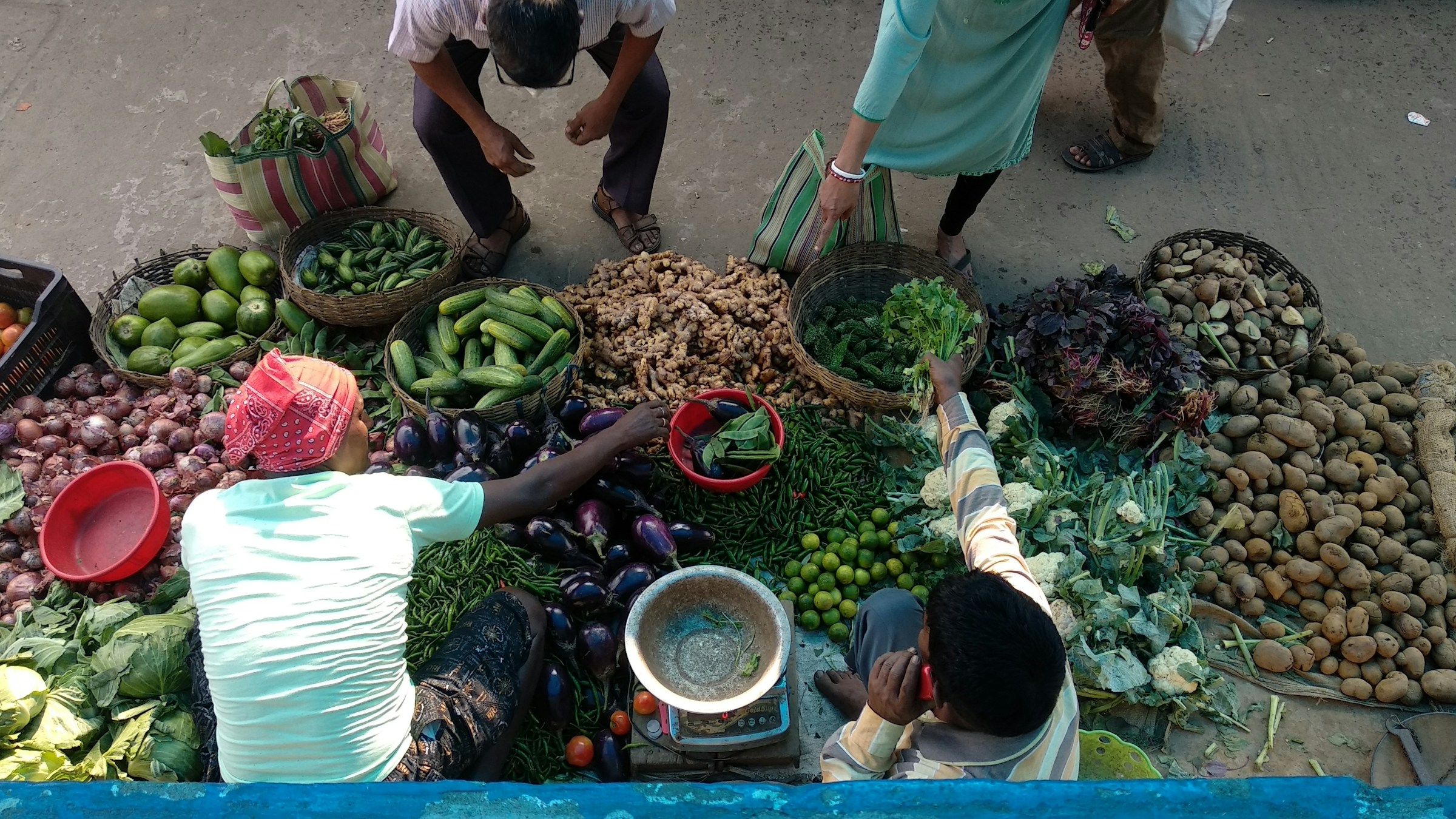
Turmeric is sold in powdered form and as a fresh root in Asian food markets and some grocery stores with an extensive selection of roots. Both forms can be used for cooking and for making tea. It is also available in capsules, as a powder, and as a liquid extract. Some people may choose to use capsules or a compounded extract.
Combined with ginger root for flavor in a tea, its anti-inflammatory benefits are nearly immediate. One way to benefit from the synergistic effects of turmeric and ginger is to obtain both fresh roots (generally found at Indian, Asian, or health food stores) and cut up about 2 inches of each and boil in water for 15 minutes until it’s a nice bright orange. Drink 2 cups a day. Try adding turmeric to curries, stir-fries, and sauces. A pinch added to any dish will impart a bright yellow color. Cooking with herbs and spices, especially fresh ginger, turmeric, and rosemary, is stimulating to the mood and also anti-inflammatory, but cooking with these herbs alone is not enough. A pharmaceutical-quality dose of these plants is required (Korn, 2021)
The active ingredient curcumin is a powerful anti-inflammatory, and this “root” can be added to food or may also be used as a supplement. Turmeric and its anti-inflammatory chemical curcumin require black pepper or piperine, a constituent of black pepper responsible for its pungency, to be absorbed (bioavailable) by the body. Piperine is required for the optimal absorption of curcumin, and it is often added to curcumin products. Whether cooking with turmeric or taking it as a supplement, black pepper should be one of the ingredients to achieve absorption. When shopping for turmeric supplements, make sure that the brand you choose contains black pepper extract or piperine.
Turmeric is a powerful antioxidant and anti-inflammatory used for rheumatoid arthritis, menstrual cramps, digestive complaints, musculoskeletal pain, and dementia prevention. Turmeric root is protective for the brain and may serve as a preventative for Alzheimer’s and Parkinson’s disease. It reduces headache pain and supports liver, gallbladder, and digestive health by stimulating bile flow. It is also used for gallbladder health and pancreatitis.
The bioavailability of curcumin, the primary active substance of turmeric, is potentiated by piperine, a compound found in black pepper and fat, so the use of turmeric should combine both. The fresh root can be juiced and added to smoothies or used in daily cooking. Curcumin, the major constituent in turmeric, has been shown to be protective against the development of diabetes due to its effect on lowering glucose, improving insulin tolerance and reducing obesity-associated inflammation (Weisberg, Leibel & Tortoriello, 2008)
Turmeric is useful in preventing bad cholesterol and reducing kidney inflammation. Cooking with turmeric, ginger, and rosemary is also stimulating to mood. In a study of 1,000 elderly Asian subjects, those who consumed curry had significantly better scores on their mini-mental status exam than those who never consumed curry (Ng et al., 2006). A large double-blind study demonstrated that curcumin was as effective as the powerful anti-inflammatory drug phenylbutazone in reducing pain, swelling, and stiffness in rheumatoid arthritis patients (Meschino, 2001).
Combine 100 to 200 milligrams of turmeric with 5 grams of glutamine daily for the treatment of ulcerative colitis. If you’re taking a pill form of turmeric, the standard dosage for an adult is 1,500 to 3,000 mg per day. Making simple additions to one’s daily self-care regimen is a good way to start a nutritional program and can make a significant difference, serving as a first step.
Turmeric is safe to use, but should be avoided if you have gallstones or if you are pregnant.

Golden Milk
MAKES 1 SERVING
Ingredients:
- 1 teaspoon coconut oil
- ¾ teaspoon ground turmeric
- ⅛ teaspoon freshly ground black pepper
- ¼ teaspoon ground ashwagandha
- 2 drops vanilla extract, or ⅛ teaspoon ground vanilla
- ⅛ teaspoon ground cardamom
- ⅛ teaspoon ground cinnamon bark
- ¼ teaspoon ground dried dates
- Pinch of sea salt (optional)
- 1 cup coconut, cashew, or almond milk
Instructions
Mix all the dry ingredients together and then warm the milk in a small saucepan over low heat. Add the mix to the warm milk and froth it to ensure a blend. When it is hot, pour and enjoy.
This healing beverage is a variation on the traditional Ayurvedic recipe. I drink it hot in the winter and over ice during the summer.
The Power Beneath the Soil
Ginger and turmeric demonstrate how enduring and impactful health solutions can begin with simple, practical modifications that encourage optimal health over time. Their anti-inflammatory, digestive, and neurological features align with key preventive health goals, providing affordable, culturally relevant solutions that individuals and communities might implement into their everyday routines. These roots demonstrate the significance of bridging traditional medicine and incorporating simple nutritional solutions. These healing qualities reinforce what numerous cultures and global healing systems have consistently recognized: readily available herbal remedies can reduce disease risk, boost health, and empower people to take charge of their health on their own. Whether in daily meals or in broader nutritional and medical initiatives, ginger and turmeric offer potent, earth-grown medicine.









Leave a Comment