
From Land-Based Knowledge to Embodied Risk
In the first part of this series, atwai (late) Kiaux, my great-uncle, longhouse leader, environmental protector, and scholar, arrives in a dream, standing in a kitchen with fruit in his hands, carrying an early warning: poison moving unseen through the sacred relatives that sustain us, the water, the food, the wind.
Within Indigenous traditions, dreams are sites of instruction, correction, and foresight; they also serve as a form of surveillance. As regulatory science relies on instruments and sampling, Indigenous methods utilize land-attuned, reciprocal assessment of imbalance across land, water, food, and physiology, enacted through ceremony, kinship, and vision. Both approaches identify risk, yet only one has been codified within institutional frameworks, while the other has been systematically excluded from the regulatory apparatus that governs the land it has tended for millennia.
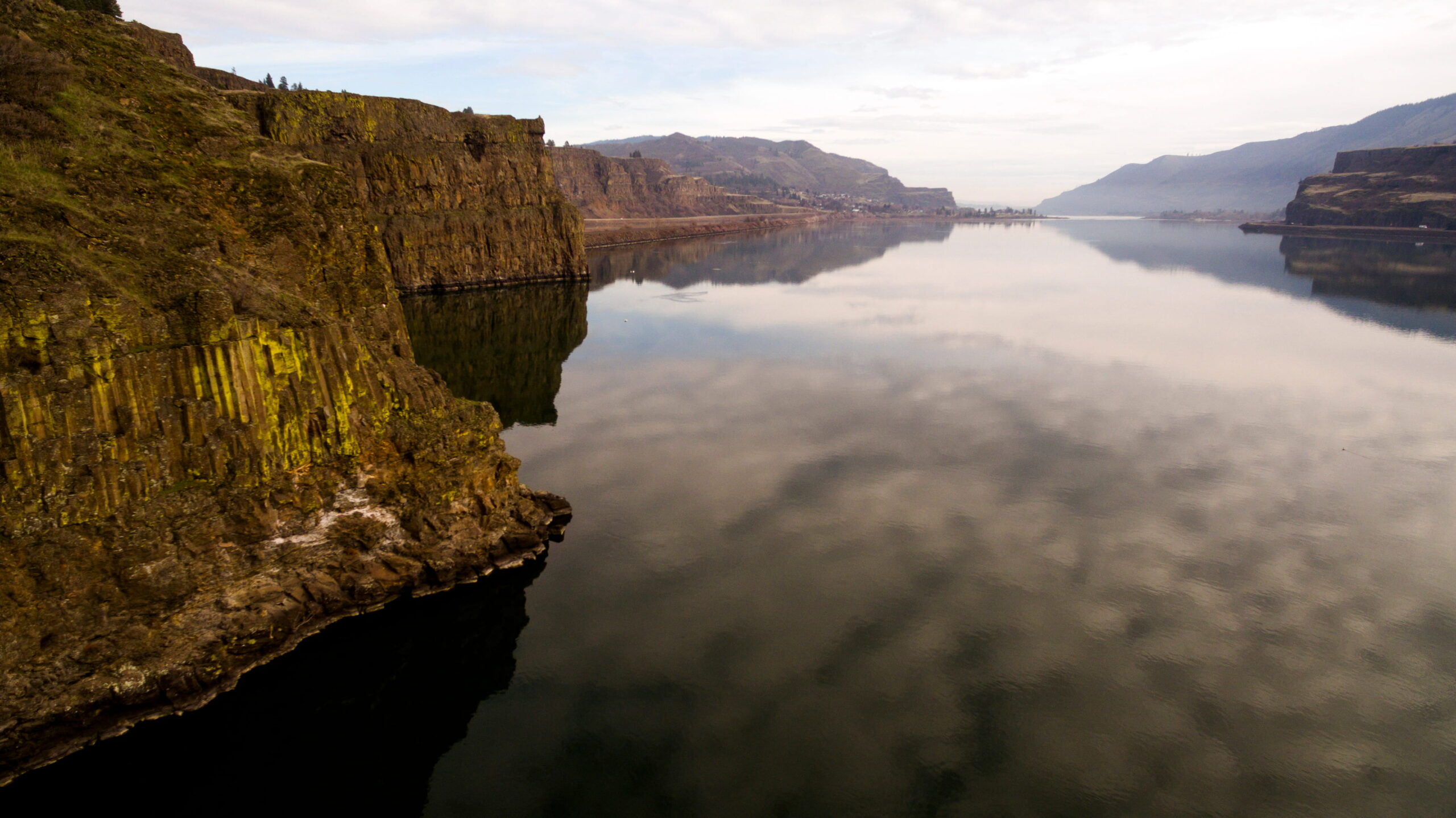
Since its establishment in 1943, the Hanford Site has produced and disposed of large volumes of radioactive and chemical waste. These materials have been released intentionally and unintentionally, contaminating soil, groundwater, and the surrounding environment, including the Columbia River. This situation raises significant environmental safety and public health concerns and violates treaty-protected rights, impacting the ability of future generations to safely access and use their ancestral lands.
The first part demonstrates how these teachings establish Hanford as deeply relational: a place that sustains culture, health, and identity, rather than a contaminated site considered in isolation. Here, I am naming what is specifically at stake within the Hanford landscape itself (the sacred pharmacy that exists there): the water, roots, plants, berries, salmon, and game that nourish our bodies and sustain our ceremonial and medicinal practices.
What follows is arranged in the order of the first food ceremonies, because the land itself dictates the sequence.
The Source of All Relations
Water is honored first. From water, all things came. Life and land arose from it and made a promise to one another, a vow to sustain and protect what the other needed to survive. The Sahaptin and many other Indian peoples have carried that same commitment across generations, pledging themselves to the care and protection of the land. Water is honored first in ceremony because it is first in everything: the source of life, the purifier of the spirit, and the element that keeps people anchored to the sacred understanding established at the moment of creation.
Salmon as Medicine, Law, and Relation
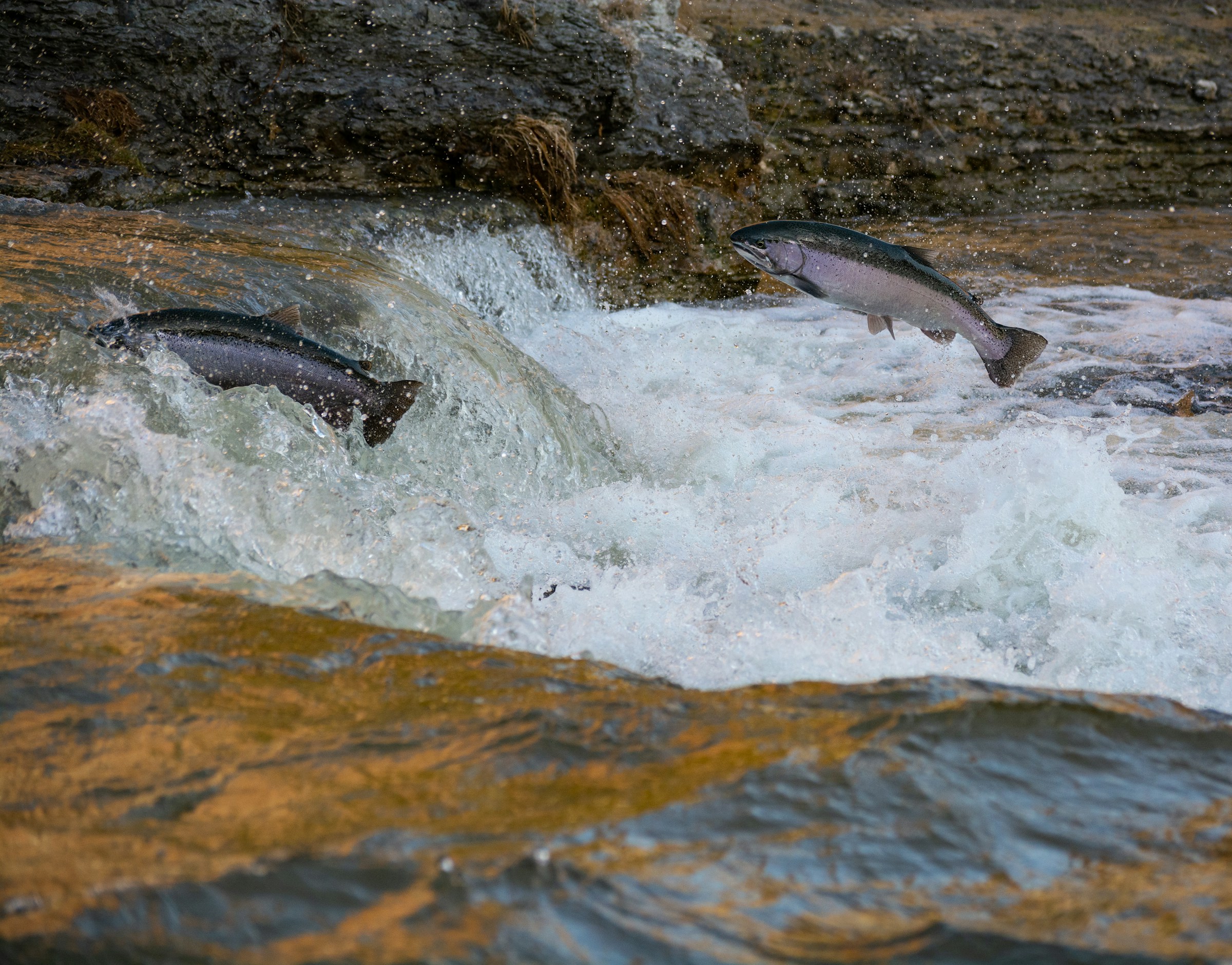
As the Umatilla describes, “The Columbia River, which cuts through the Hanford site, is the lifeblood of the region, with rich, diverse fisheries delicately balanced on thriving aquatic ecosystems.” They have relied on resident and anadromous fish in the Columbia River and its tributaries “for at least 10,000 years.” The Nez Perce also consider the Columbia the lifeblood of the Nez Perce people, with “salmon a large part of [their] spiritual and ceremonial identity”, and without them, all the Columbia River tribes would lose that identity. The Nez Perce honor salmon with the lre’uyit ceremony, meaning “first bite”, and are central to the returning spring, the ceremony held to honor the sacred relationship. Among the Yakama tribes, harvesting and preservation are foundational to the “Yakama lifestyle”, with the Yakama fishing year-round, depending on the reproductive cycles, and also using it as a special first-food ceremony in the Spring.
Oncorhynchus spp., a genus within the family Salmonidae (salmonids), includes Pacific salmon and steelhead; within Sahaptin lifeways, Chinook and steelhead are recognized as sacred kin, central to ceremonial practice, governance (law), and spiritual and cultural sustenance. Their return governs the ritual calendar and anchors ceremonies for all Columbia Plateau tribes. They fulfill the relational obligation among people, water, and the creator, as they were the first to offer themselves to feed people. Rich in protein and omega-3s, they nourish the body physically and spiritually through ceremony, and communally through cultural traditions and practices. Thus, a threat to the salmon is a threat not only to the food source, but also to the living bond and relationship between the tribes and the creator.
Game Animals and Strength, Repair, and Responsibility
Game animals of the Columbia Plateau are medicines that strengthen and repair, and they exist in a reciprocal relationship with the tribes in the area. Cervus canadensis (elk) provides meat, marrow, and organs as a strengthening medicine, and its hides and antlers are prepared for ceremonial regalia. Odocoileus hemionus, the mule deer, is another staple food, with organs that are strengthening and provide materials for essential everyday tools. Eagles, hawks, ducks, and geese contribute feathers, bones, and meat for ceremonial services and regalia. Their presence is deeply spiritual and is part of the material aspects of culture.
Hunting exists as part of a web of relations that sustains physical vitality and ceremonial life. This ethic was not incidental but transmitted through oral instruction across generations, as recorded in the tribal perspectives assessment: “Young hunters were taught to shoot an animal so that it would be killed as quickly and limit the animal’s suffering as much as possible”. This practice constitutes an ethical obligation, carried out with responsibility and care, in which precision and restraint ensure swift death, and gratitude and respect are offered to the animal’s spirit in acknowledgment of the gift of life.
Roots, the Foundation of Indigenous Medicine
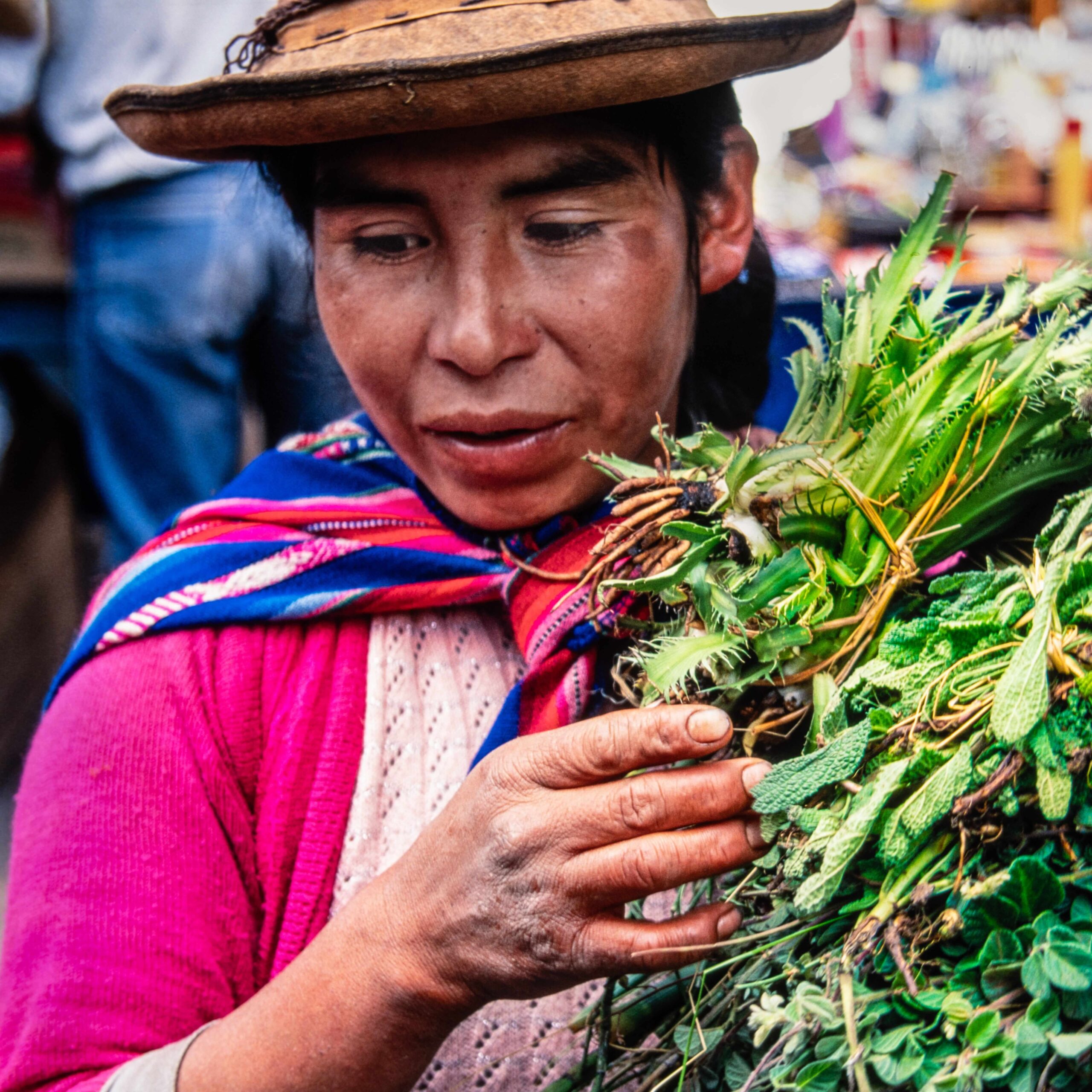
Among the most foundational medicines of the Columbia Plateau are root foods, which are gathered, prepared, ingested, and ceremonially distributed through specific land-based practices. Harvesting roots is a relational tradition that is guided by spiritual commitments and dependent on seasonal signs and knowledge; reciprocity is foundational. The ecological timing is precise, and gathering periods are “extremely important to the Nez Perce”. They occur during specific seasonal windows; the month of ‘Apa’aal (roughly May or June) marks the key root gathering period specifically designated as the “Time for digging roots and making them into small cakes called ‘Apa”.
Lomatium cous, known in Sahaptin as xáws, or couse, and biscuitroot serve as staple foods, respiratory medicines, and general tonics. Lewisia rediviva, bitterroot, holds particular ceremonial significance as one of the first foods; this root is used for strengthening and as a digestive tonic. Camassia quamash, camas, is a major starchy bulb also important for first-food ceremonies and spiritual sustenance. Balsamorhiza sagittata, arrowleaf balsamroot, is gathered as both a root food and a medicine for respiratory ailments and wound care.
Berries and Fruits, Nourishment of Blood and Heart
Gathered seasonally, berries and fruits are harvested and celebrated as part of the First Food ceremonies. Recognized as our sisters, alongside roots. They are eaten weekly during Washat services, and introduced last in a specific ceremonial order: water, salmon, deer/elk, roots, berries, water again. Gathering practices are passed down through generations, and there is an emphasis on respecting the plant’s cycle to ensure its thriving. During harvesting, each berry is accompanied by a special prayer song, strengthening the spiritual connection to the plants. Berries and fruits are nourishing to the blood. Prunus virginiana, known in Sahaptin as tmísh, or chokecherry, is one of the foundational foods, part of the first foods, and a cardiovascular and blood tonic. Its bark is prepared as a remedy for coughs. Ribes app., currant, and gooseberry are gathered in spring and used as a tonic and food. These signal the return of abundance after winter. Sherperdia argentea, buffalo berry, serves as food and a cleansing tonic. It also holds ceremonial significance in community practices.
Plants of Purification and Healing
Many plants in the Hanford area are used for purification, ceremonies, and breath. Artemisia tridentata, big sagebrush, is one of the most sacred plants and is used for smudging and cleansing. It is also used for respiratory and digestive remedies. Chrysothamnus nauseous, rabbitbrush, is prepared as tea to treat colds and fevers, and applied to the skin as medicine and ritual dye. Populus trichocarpa (cottonwood) provides bark and buds used for pain relief and in salves, and holds significance in ceremonies. Salix app., willow, provides relief from pain and fever and also supplies materials for basketry and rituals. Achillea millefolium, yarrow, is applied to wounds, used as an antiseptic, and also in ceremonial cleansing. Erigonum app., sulfur buckwheat is used as a tea for colds and as a digestive tonic.
Looking Forward
The Hanford site imperils a living, interdependent pharmacy that functions simultaneously as a spiritual, legal, and bodily system. That web of relations holds through every form of movement and arrest, through the reactors that entomb waste in concrete and corroding steel, and through every leak and emission. Contamination permeates water, enters salmon, ruptures ceremony, traverses bodies, and severs cultural continuity. It fractures the bonds of responsibility and dissolves the teachings that constitute the living, embodied existence of language and culture, teachings directly inseparable from the practice of subsistence lifeways: to fish, hunt, gather, sweat, and pray across all usual and accustomed areas.
These lands and waters absorb not only toxic chemicals but also the corrosive residues of institutional greed, recklessness, and regulatory estrangement. The fragmentation enacted by the EPA and other governing bodies separates the pharmacy from its relational responsibility to the region and refuses to acknowledge the region’s animate vitality, its animals, plants, elements, and Native peoples, whose intertwined existence sustains ecological and cultural continuance.
Contested Ground
The dream initiated a process of assessment and inquiry. I was prompted to learn as much as I could about Hanford’s history and the Yakama Nation’s response. This led to an exposure assessment, developed to systematically characterize risk exposure, ensure accountability to parameters specific to the Indigenous peoples of the region, and address exposure related to traditional practices. Dominant regulatory frameworks (e.g., CERCLA, EPA) set quantifiable exposure limits along predefined pathways, emphasizing individual health outcomes while largely ignoring cultural, spiritual, and social aspects of harm. The tribal perspectives report, in contrast, reconceptualizes exposure as relational, cumulative, and culturally embedded, accounting for disruptions to ceremonial practices, interruptions to subsistence lifeways, and intergenerational transmission of harm. Part 3 examines what happens when that reconceptualization meets the political structures that have long determined whose knowledge counts and whose land merits protection.







Leave a Comment