

Indigenous medicine is layered, symbolic, embodied, and relational, deeply rooted in connection to land and the ecosystem. In Indigenous worldviews, pedagogy unfolds over time, through relationship and responsibility, rather than through the rapid extraction of knowledge. Because the elements are understood as animate, plants, animals, water, wind, and land act as teachers rather than objects of study. Learning occurs through slow observation, seasonal return, and embodied practice, with understanding arriving in fragments that deepen through repetition and care.
Within this pedagogical tradition, storytelling becomes the form through which learning takes shape. Stories are not merely illustrative or symbolic; they are methodological. They hold multiple meanings at once and create a spectrum of understanding that unfolds across a lifetime. The land itself speaks through these stories, offering teachings that are revealed gradually and only when the listener is prepared to receive them. Meaning is not fixed or immediately accessible. It emerges relationally, through ethical attention, lived experience, and a heart oriented toward responsibility. In this way, knowledge remains alive, adaptive, and accountable to place.
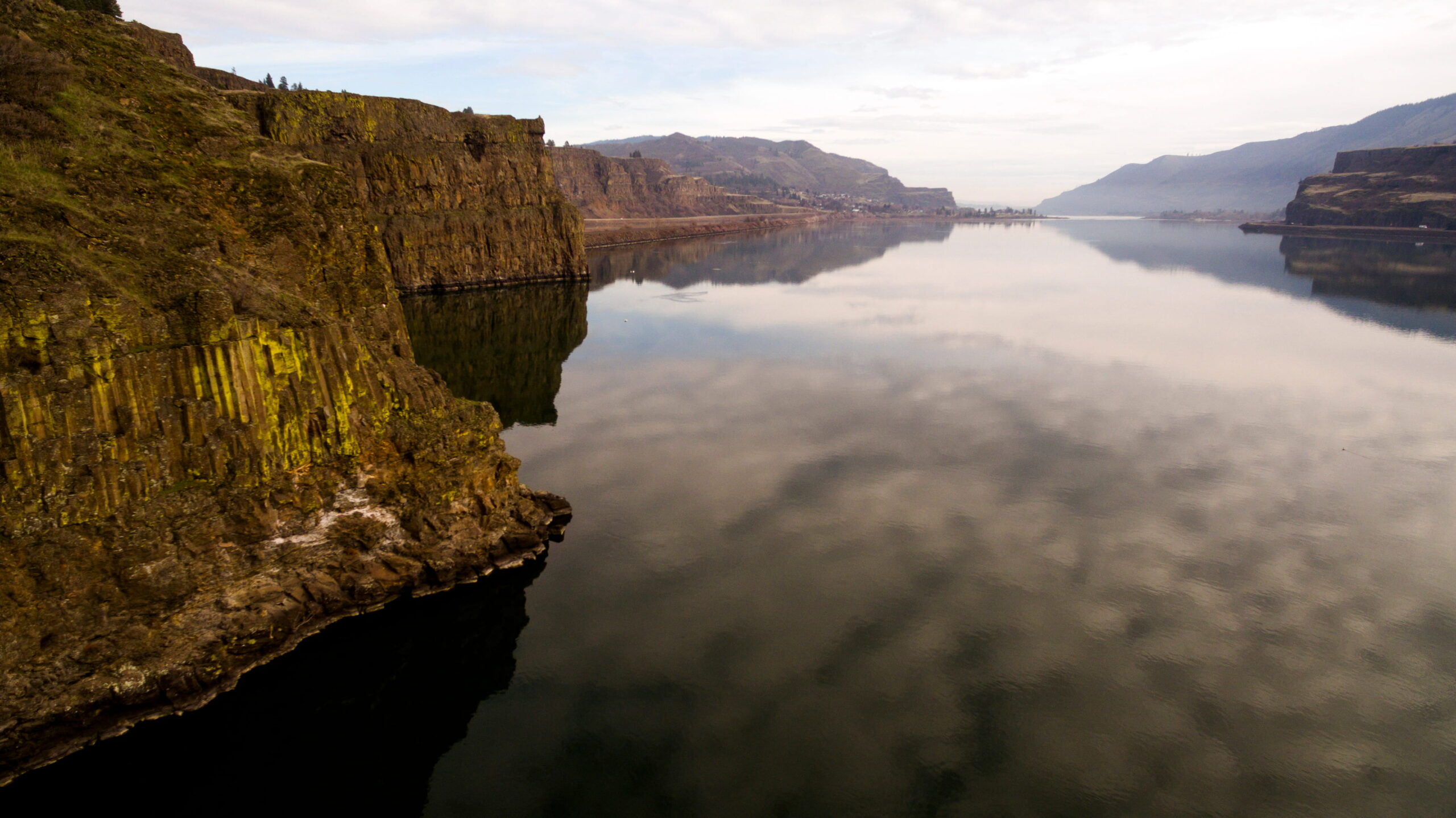
Chawnápamípa, the ancestral lands of Hanford and White Bluffs, generates the authority that Winaawayáy (South Wind) wields in Anakú Iwachá (The Way It Was). The story does not describe the land; the land articulates itself through the story. Here, the land narrates. The land teaches. The ancestral lands of Hanford and White Bluffs, a fertile, medicine-rich territory stewarded by Tick and Louse, give rise to Winaawayáy, from whom he descends. The story follows his battle against Atyayáaya (North Wind), who seeks to freeze and conquer the land and its inhabitants. Winaawayáy prevails not through individual force but through the medicinal knowledge his grandmother, Pityachíishya (Ocean Woman), transmits to him, preparing him through years of ceremony, discipline, and relational practice. Her medicines, drawn from the sea’s most formidable beings, carry the duality intrinsic to this landscape: capable of both healing and harm. His triumph rebalances the natural world, and the land itself bears witness, its canyons, ridges, and springs inscribed with the memory of that struggle. The legend closes with a vow: if the land faces harm again, Winaawayáy will return. That vow is not a metaphor; it is an enduring relational obligation, the same one that orients this series.
Dreams reveal other lessons; they, too, provide Indigenous medicine. They function as lessons and as messages, not meant to be understood all at once. As this blog series unfolded, the dream from atwai Kiaux began to scatter flickering sparks, minute glimmers of insight hitting from different angles, illuminating subtle shifts in meaning, working through the heart. In dreaming, fragments emerge gradually rather than as a complete revelation.
Amongst all Columbia Basin tribes, Spilyay (Coyote) emerges as a main character, although themes, characters, language, and lessons may differ slightly, his presence is consistent through many Sahaptin stories “because he exhibits all the good and bad traits of human beings.” (p.97) . He is considered sacred and is not hunted.”The Coyote is the only mammal commonly found on the Hanford Site and Surrounding areas that the Yakama do not hunt because this animal is considered a sacred brother to the people.” (p.31)
Looking at Spilyay’s presence across Sahaptin oral legends offers a methodological lens, as he embodies human virtue and flaw and teaches ethical discernment, patience, and relational responsibility. Like dreams, Spilyay’s stories convey lessons incrementally and sometimes paradoxically, modeling the careful attention required to navigate land, its medicines, and its ethical obligations—the binding we have lived by and continue to follow. At Hanford, Spilyay’s sacred status reminds us that even amid contamination and regulatory opacity, ethical relationships with the land are both necessary and fragile, revealing the power of dutiful engagement.
By now, in part 3, what once appeared as instruction now reveals itself as urgent, insidious, and operational: the closet may represent what is not being shown to us as the public, what is hidden and concealed, yet still moving forward. Decisions continue to be made as secrecy veils the decision-making process, with obscured language and policy mechanisms advancing an agenda that cloaks itself in progressive aspirations while relying on greenwashing tactics promoted by venture capital and extractive industries seeking to capitalize despite the consequences and treaties. The lack of early consultation with tribal communities on nuclear policy delivers another stark warning: our environment, our sacred water, faces yet another nuclear threat.
Washington State (United States) is pushing nuclear-promoting bills—HB 2090/SB 5821 and HB 2103/SB 6004—that would count nuclear energy as a “qualified alternative resource” for clean energy and offer tax incentives for nuclear projects. At the same time, the Trump administration has quietly rewritten nuclear safety rules to fast-track the development of at least three experimental commercial reactors, backed by billions in private equity, venture capital, and public funds, by July 4, 2026.
These changes put our water, our land, and our people at risk. Protections for groundwater and the environment are being weakened, with decisive language such as “prohibited” or “must” replaced by softer terms like “should be” or “can be.” Key safety oversight roles are eliminated, record-keeping requirements are slashed, and radiation limits for workers are raised.
In Oregon (United States), the priority is the nuclear-promoting “study” bill HB 4046. Masked as a neutral review, this bill is a strategic maneuver intended to open the door for future legislation that would erode Oregon’s longstanding moratorium on nuclear power.
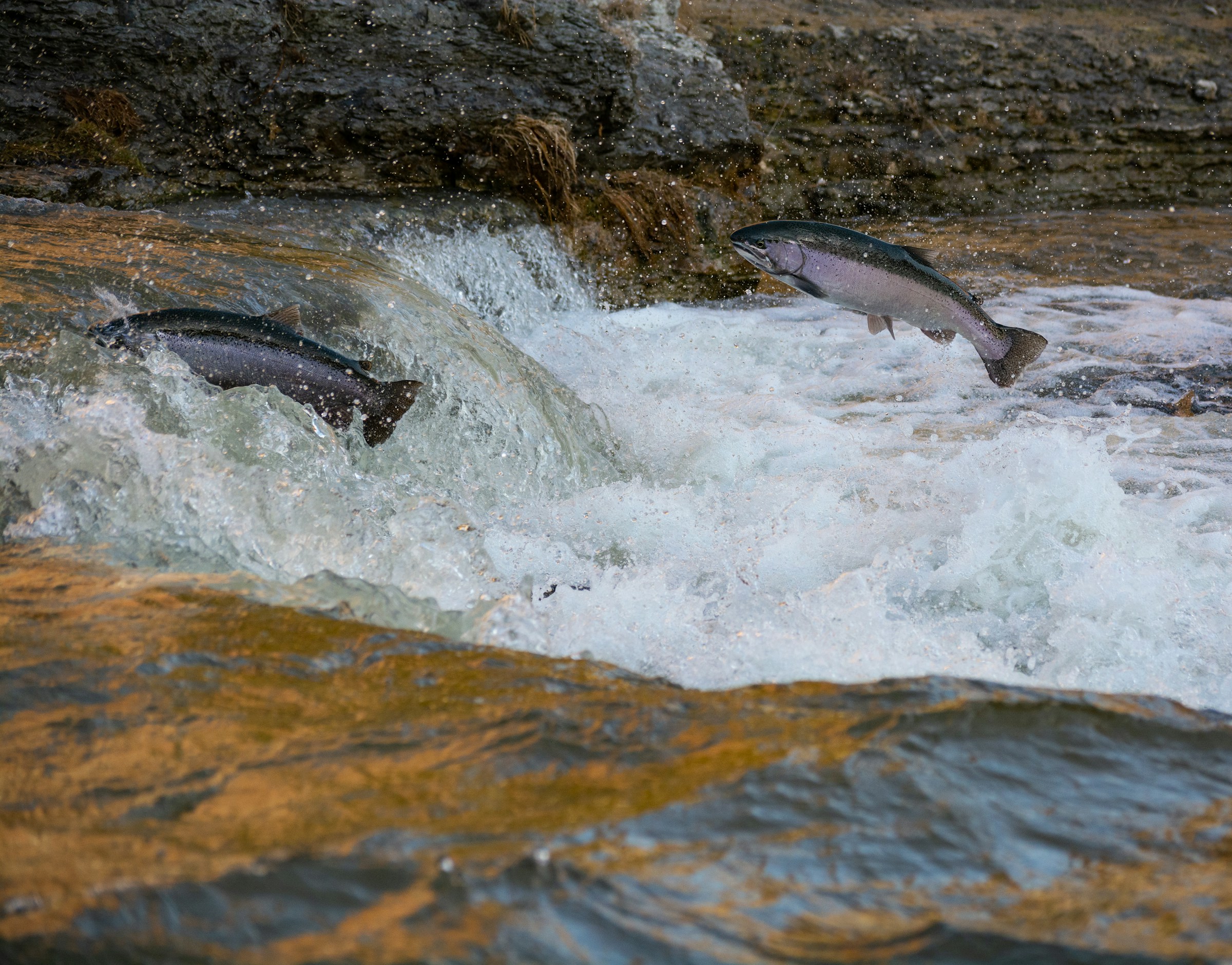
This all returns to the land—our teacher, our relative, our sacred pharmacy—and to our right to walk in balance with it, to practice Indigenous medicine, to dream with it, and to care for it so it may continue to give life. It is the right to a land that is healthy, thriving, and alive, and the responsibility to learn from it, to listen to its teachings, and to protect its sacred places for the ones yet born. This responsibility is a gift, a privilege, a song of honor: to hold and tend the ways of our ancestors is to open the path for the next generation, so that they, too, may walk, gather, heal, and dream as we have been taught.
The dream from atwai Kiaux, first introduced in Part 1, continues to cast tiny specks of light across my understanding, glimmering from unexpected angles and revealing, in subtle fragments, the relational and ethical responsibilities embedded in Hanford’s land, water, and medicines. Like my Indian name, Thx̱, given to me by atwai Kiaux and meaning Sparkle, the dream offered moments of light, glimmers, and fragments that shift with one’s positionality, the angle of illumination, and what is revealed or obscured. Sparkle is this reflection, breathtaking, otherworldly, a radiance I saw in him as he beamed with golden light. Within that light, I glimpsed pieces of myself and tiny reflections of my daughter, who also received the name Thx̱ through longhouse ceremony, small specks of hope, inspiration, heart, and deep commitment that I can carry forward.






Leave a Comment