

This post incorporates adapted material from Dr. Leslie Korn’s Nutrition Essentials for Mental Health: A Complete Guide to the Food–Mood Connection (2nd ed., 2026).
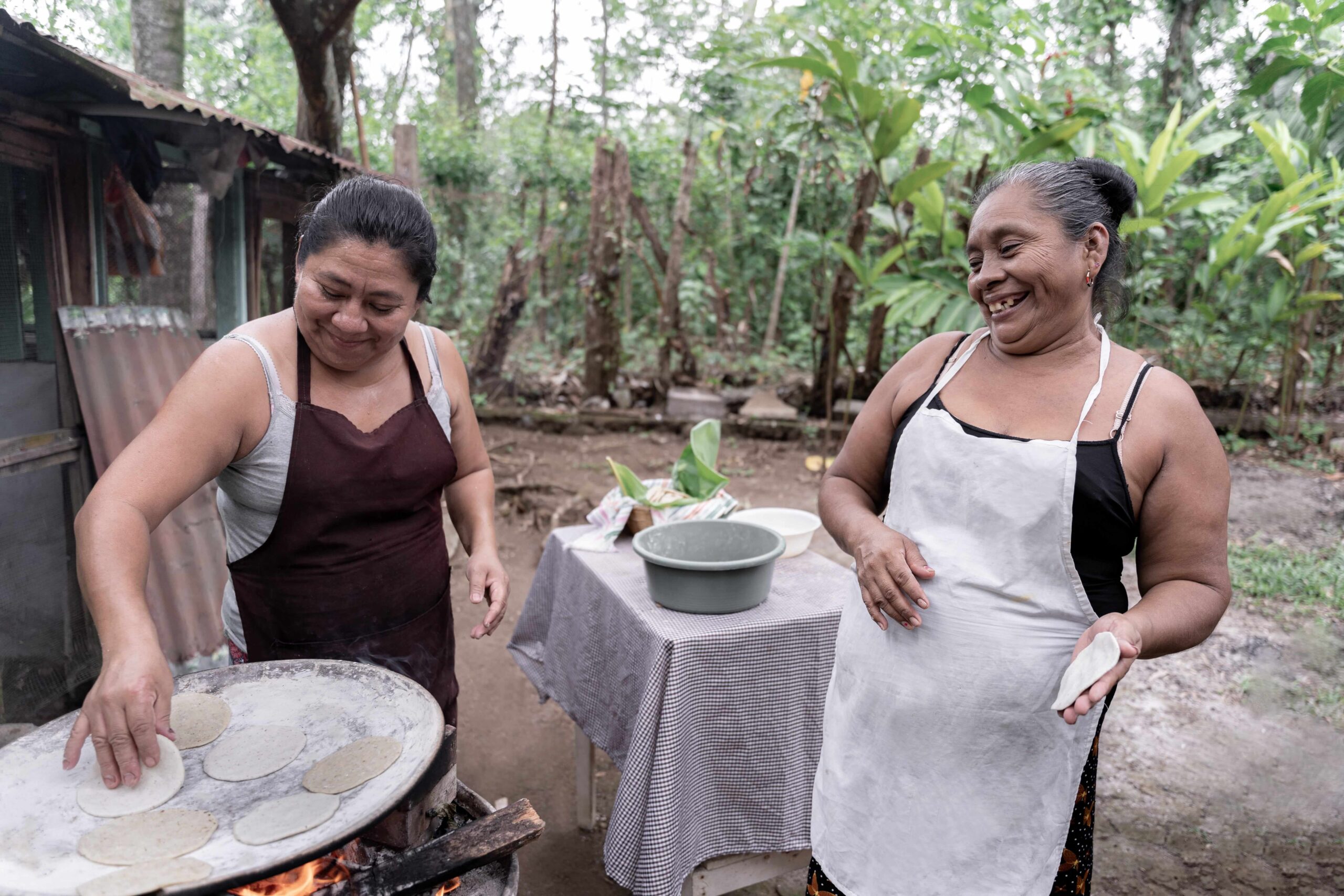
Across the globe, food is far more than sustenance—it is culture, history, and identity. Yet for many communities, historical trauma, colonization, and globalization have disrupted traditional food systems, replacing them with diets misaligned with biology and cultural practices. This disruption has led to nutrition trauma (Korn & Rÿser, 2006): physical, psychological, and cultural harm stemming from the loss of ancestral food knowledge and reliance on highly processed diets. Reclaiming cultural diversity in food systems is not only about cultural preservation—it is a critical pathway to nutritional justice, community resilience, and health equity.
Understanding Nutrition Trauma: How Food Systems Become Sites of Harm
Understanding the vital act of cultural revitalization as resistance, integral to advancing health equity, necessitates examining the fundamental disruptions that have historically altered Indigenous food systems.
Nutrition trauma is the physical, psychological, and cultural harm that occurs when communities are separated from their traditional food systems and encouraged to adopt diets that are not aligned with their biology, often shaped by ongoing post-colonial and globalization forces. These harms intersect with long-standing policies and social shifts that disrupt cultural continuity, limit access to health-promoting resources, and foster reliance on the Standard American Diet of ultra-processed foods.
This shift is by design, and it reflects structural violence—a term describing the way social, political, and economic systems limit access to resources, rights, and self-determination—embedded within modernization and agro-industrial globalization, systematically harming and weakening Indigenous food systems. Structural violence is often invisible, with built-in policies, laws, and institutions creating barriers (Lemke & Delormier, 2017). Examples include boarding schools severing intergenerational food knowledge, land dispossession removing access to traditional ecosystems, federal commodity programs replacing nutrient-rich Indigenous foods with processed items, and reservation poverty and food deserts further restricting access to fresh and culturally meaningful foods.
Instead of supporting local harvesting practices, seed stewardship, and centuries of ancestral ecological knowledge, these global food regimes promote standardized, imported food markets that displace traditional foodways (Farfán et al., 2023). This results in nutritional trauma emerging as a complexly stratified assault, not only on dietary changes themselves but also on the erosion of cultural identity, autonomy, and community governance over food. Acknowledging that nutrition trauma stems from systemic rather than individual factors stresses the value of cultural recovery as a vital corrective mechanism.
Cultural Recovery as a Multilevel Corrective
In a time when celebrating and incorporating cultural diversity is increasingly challenged in the United States, efforts that prioritize the recovery and elevation of cultural identity, healing wisdom, and ancestral knowledge related to food systems and behaviors offer an important multilevel corrective. In practice, these approaches also push back against the standard expectation that individuals must manage their chronic health conditions in isolation, in contrast to traditional approaches that engage the community and shared cultural practices to support well-being. These contexts more accurately reflect the social, historical, and relational factors that influence health.
Indigenous communities emerge as resilient and adaptive in their refusal and strategic assertion of sovereignty; these communities already practice cultural recovery as a corrective through sovereignty movements, ritual food systems, and the governance of their own nutritional environments. As evidenced by expressions of resistance to globalization through strengthening traditional food knowledge, indigenous worldviews, and seed sovereignty, and through practices such as harvesting local produce, seed exchange programs, and protecting traditional foodways as a cultural act of survival (Farfán et al., 2023). Cultural recovery is not an abstract idea; rather, Indigenous nations worldwide reinforce it as a global, evidence-based movement.
Models and Frameworks for Cultural Food Practices
This orientation aligns with frameworks such as the CWIS/CTM Culture Foods and Medicines workshops and publications, and the Cultural Connections model, which holds that all peoples—whether Indigenous nations, settlers, refugees, or immigrants—can strengthen their physical and mental well-being by engaging their ancestral knowledge and culturally grounded traditions.
These frameworks lend themselves to consideration and evaluation through various theoretical lenses, including agroecology, which emphasizes sustainable, culturally rooted food practices; decolonization, which seeks to dismantle imposed food systems; and the Dialogue of Indigenous knowledge, which advocates for the integration of Indigenous science alongside Western scientific paradigms as equally significant. Additionally, the concept of Buen Vivir/good living emphasizes that collective wellbeing arises from harmonious and reciprocal dynamics between land and the pursuit of balance within ecosystems and communities (Farfán et al., 2023). These cultural food revitalization efforts and practices complement CWIS/CTM models as they are rooted in community self-determination, culturally grounded nutrition, and Indigenous values around balance, reciprocity, and stewardship.
Research shows that cultural food practices influence nutrition, chronic disease, mental health, and community well-being, yet currently, few public health initiatives, while correctly focused on food access and security, have incorporated the powerful motivator of cultural identity. Food insecurity will continue for the foreseeable future and worsen because, despite growing evidence of the benefits of cultural food practices, mainstream public health responses often overlook the essential element of cultural identity.
Cultural Identity as a Foundation for Health Equity
Within this framework, elevating cultural identity and traditional food practices serves both as a response to nutrition trauma and as a foundation for improving health equity and collective empowerment. As cultural identity is a critical health determinant — just as foundational as social or environmental determinants — it shapes mental, physical, and social wellbeing. Indigenous research reveals how vital country (Land), culture, and Indigenous knowledge systems are to health and wellbeing, as engaging with ancestral lands, participating in traditional ceremonies, and maintaining culturally grounded food practices support mental health, intergenerational resilience, and community cohesion (Biles et al., 2024).
Toward Nutritional Justice Through Cultural Reconnection
Reclaiming cultural diversity in food systems offers more than a return to traditional diets—it provides a framework for healing, empowerment, and collective health. By restoring ancestral knowledge and culturally grounded practices, communities can confront nutrition trauma, strengthen well-being, and advance health equity. Nutritional justice requires embracing diversity, honoring cultural heritage, and designing interventions that reflect the lived realities, values, and wisdom of the communities they serve.








Leave a Comment