

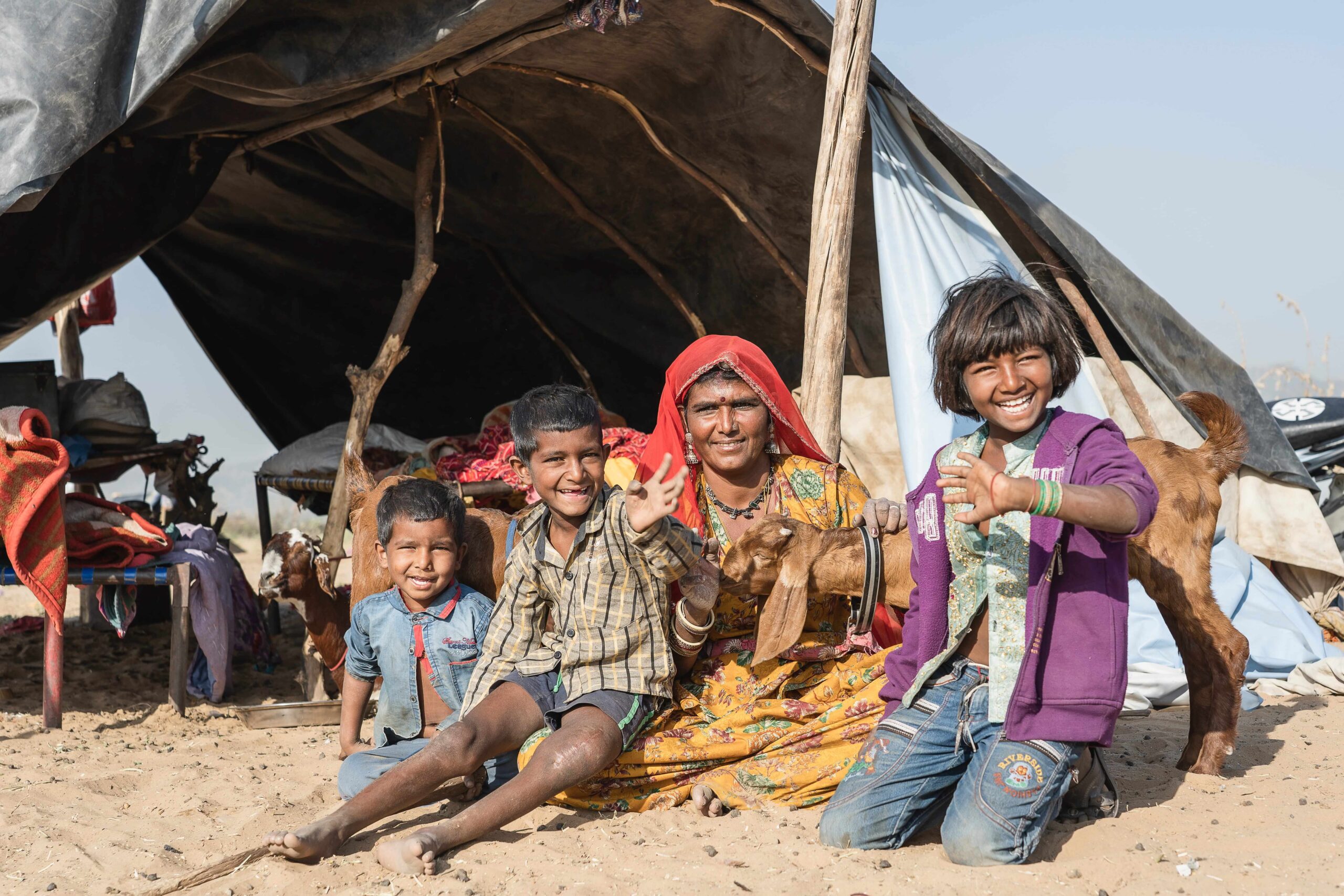
Continuing this issue’s exploration of Indigenous knowledge systems and community-centered healing, Nomadic Tribes and the Integration of Health, Wellness, and Traditional Ecological Knowledge in India, by Amit Rawat, Ph.D., examines how nomadic and denotified communities sustain culturally rooted health practices shaped by mobility, ecological relationships, and intergenerational knowledge transmission. Drawing on critical ethnography and feminist analysis, the article highlights the central role of Traditional Ecological Knowledge (TEK) in maintaining wellness among the Raika, Van Gujjar, and Sansi communities.
The study also reveals how historical criminalization, legal invisibility, and sedentary public health frameworks continue to exclude nomadic peoples from formal healthcare systems. By foregrounding women as key custodians of healing knowledge and calling for pluralistic, culturally responsive health models, Rawat offers a compelling rethinking of public health that recognizes ecological knowledge, social context, and epistemic diversity as essential to inclusive care.
Nomadic Tribes and the Integration of Health, Wellness, and Traditional Ecological Knowledge in India
By Amit Rawat, Ph.D.
Abstract
This paper examines the intersection of health, wellness, and traditional ecological knowledge (TEK) among nomadic and denotified tribes in India through a critical ethnographic and feminist lens. Drawing on fieldwork conducted with the Raika, Van Gujjar, and Sansi communities, the study highlights how these groups sustain culturally rooted health systems that are deeply embedded in ecological relationships, seasonal rhythms, and gendered knowledge transmission. Despite possessing rich medicinal and healing traditions, these communities remain excluded from formal healthcare due to historical criminalization, legal invisibility, and policy designs that favor sedentary populations. The research underscores the need for pluralistic, mobile, and culturally respectful health models that integrate traditional healers, recognize women’s roles as health custodians, and protect indigenous knowledge through legal and institutional frameworks. Through thematic analysis, the study proposesa reimagining of public health in India—one that is inclusive, decolonial, and responsive to the lived realities of nomadic peoples. The findings advocate for policy transformation rooted in participatory governance, ecological justice, and epistemic plurality.
About the author
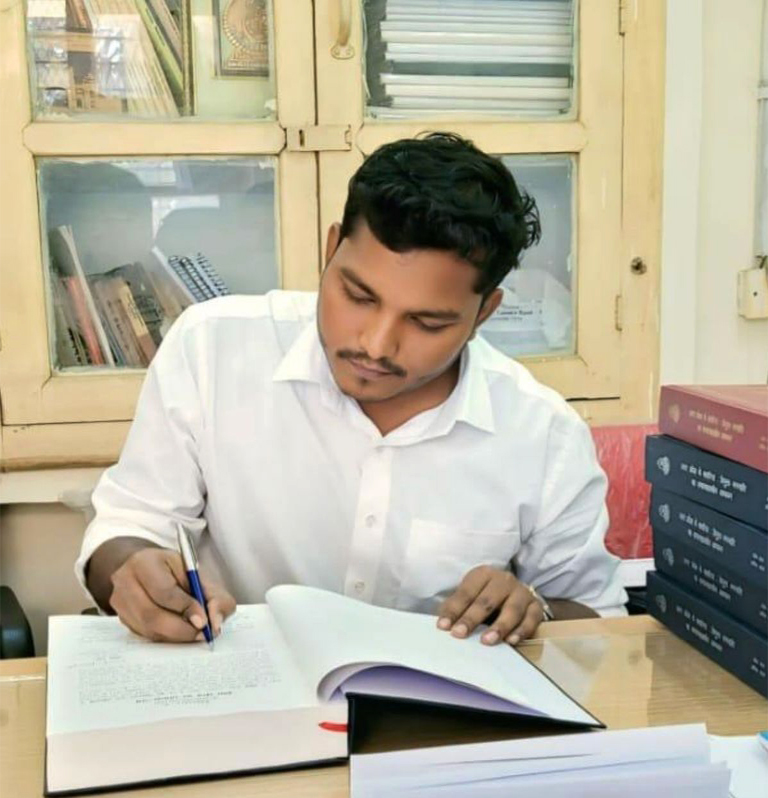
Dr. Amit Rawat is a former Research Scholar in the Department of Sociology at Banaras Hindu University (BHU), Varanasi, India. His research focuses on marginalized and nomadic communities, particularly the Bawariya tribe, historically stigmatized under the Criminal Tribes Act of 1871 during British colonial rule. His work examines how colonial classifications, police surveillance, and persistent social stereotypes continue to shape identity, access to education, livelihoods, and social dignity in postcolonial India. Through ethnographic fieldwork, Dr. Rawat highlights the enduring impacts of structural violence and exclusionary policies. He has published on tribal issues, caste inequality, education, and social discrimination. His research also explores the integration of traditional ecological knowledge and indigenous health practices into culturally responsive public health frameworks for nomadic populations.
Read the article and access the complete Special Edition issue.









Leave a Comment