
Across traditional herbal medicine systems worldwide, plants have long been demonstrated to accelerate wound healing. Scientific investigations substantiate the efficacy of these medicinal plants. From Sri Lankan and South Indian classical traditions to Brazilian folk medicine and Japanese Kampo, plant-based wound-healing represents a vast yet largely undervalued body of therapeutic knowledge. This review examines four recent studies to examine cellular mechanisms, ethnobotanical foundations, nanotechnology-enhanced delivery, and microbiome interactions. The findings across these studies validate the therapeutic foundations of traditional herbal medicine in wound care and signal the need for integrative research frameworks that bridge empirical tradition and clinical evidence.
The first study is an in vitro/ex vivo preclinical study. Researchers used two plants from Sri Lankan traditional medicine, Vernonia zeylanica and Mallotus repandus, to determine whether they facilitate accelerated cellular and molecular processes in wound healing. They used primary fibroblasts (cells that help rebuild the structural integrity of skin) derived from human tissue. They confirmed that the cells were fibroblasts using flow cytometry (which identifies cells based on proteins) and trilineage differentiation (confirming the cells could develop into fat, bone, or cartilage). They compared the plant extract with β-fibroblast growth factor (bFGF, also known as FGF2), a well-known synthetic signaling protein that triggers fibroblast proliferation. Results revealed that these traditional remedies actively upregulated specific gene networks that drive all three phases of healing, outperforming the synthetic growth factor in cell viability and wound closure rate, with no cytotoxicity or DNA damage observed. This indicates that ADVM may play a significant role in the future of cell therapy by enabling the ex vivo cultivation of fibroblasts for applications in skin grafting and regenerative medicine.
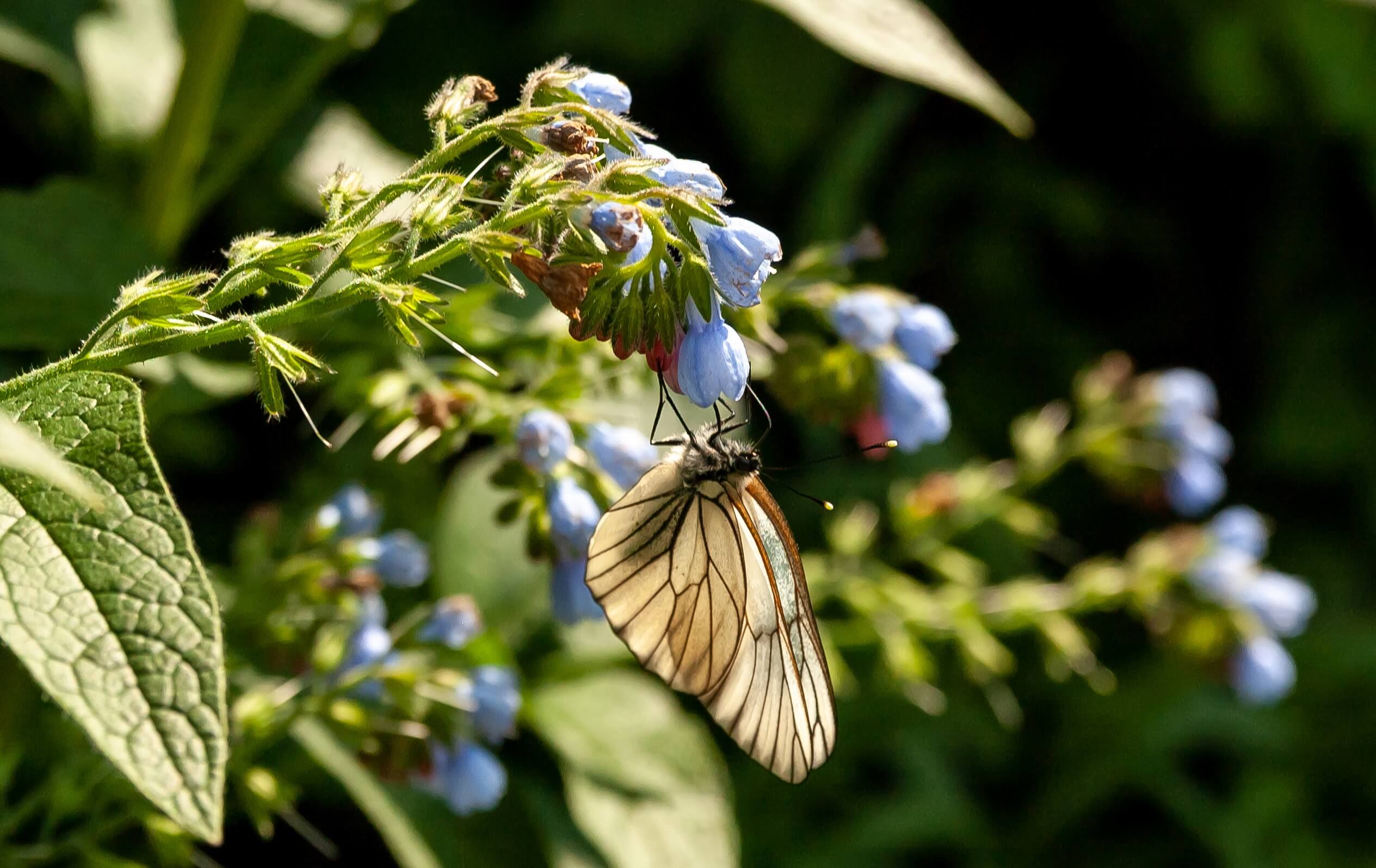
The second study is a systematic ethnobotanical review with a focus on Southern Brazil (a region with an exceptionally robust tradition of plant-based medicine and high biodiversity). They surveyed the existing literature across two categories: ethnobotanical studies (documenting the plants local communities have used for traditional wound healing) and pharmacological studies (lab-based research examining the efficacy of the plants, how they work, and why). They found 73 medicinal plants across 39 botanical families, and of those, 15 were cited across surveys, indicating the consensus around use, a factor considered in ethnobotany as reliability. Symphytum officinale L. (comfrey) was most frequently cited, consistent with its well-documented global history of use in wound healing. The active compounds include allantonin (a promoter of cell proliferation) and rosmarinic acid (an anti-inflammatory). The pharmacological aspect examined 44 studies demonstrating wound-healing effects in plants. Limitations include that many traditional plants have not been pharmacologically studied, creating a gap in what communities have used and how they work. The specific compounds (phytochemical profiles) are not well characterized, and the mechanisms underlying their molecular interactions, concentrations, and receptor pathways are largely unexplored. This research offers a comprehensive framework that outlines the areas where scientific inquiry has yielded significant findings and highlights existing gaps in knowledge. The results affirm that Southern Brazil’s ethnobotanical traditions provide a meaningful but non-validated source of wound-healing remedies, with research still needed.
The third study is an in vivo preclinical investigation utilizing the Siddha system, recognized as one of the oldest classical medical traditions globally. Researchers reformulated Paccai eruvai, a traditional remedy for treating ulcers, into a nanogel. The gel-based delivery method increases bioavailability and tissue penetration by using particles reduced to a nanometer scale. Using two standard animal and wound models, they developed an incision model to assess tensile strength (the structural integrity of healed tissue) and an excision model to assess wound contraction and epithelialization (the speed and completeness of healing). Findings showed that the nanogel outperformed both the original formulation and the traditional formulation, as well as the synthetic bacterial treatment. The key findings demonstrated that the nanogel performed significantly better across all three phases of wound healing, with greater wound contraction, higher hydroxyproline content (a direct indicator of collagen synthesis), and greater tensile strength in the healed tissue.
The fourth study utilizes a narrative review to address the persistent challenge of chronic wound healing by examining three interconnected domains: the wound microbiome, immune response regulation, and topical herbal medicine delivery. The authors integrate a biomedical reductionist approach that isolates individual compounds, systematically fragmenting traditional herbal medicine’s mechanisms of action by failing to study whole-herb effects within their full biological context. They review how the skin microbiome contributes to wound healing and how traditional medicines modulate immune signaling, particularly during the transition from the inflammatory to the proliferative phase of healing. They also review how drug delivery technologies (ie, nanoparticles and hydrogels) can be formulated to deliver herbal compounds more effectively to wound sites. The authors assert that advancement of traditional herbal medicine in wound care requires an integrated framework that accounts for microbiome dynamics, immune modulation, and improved delivery responses. Future research should aim to bridge the gap between traditional practice and clinical evidence by adopting holistic, integrative models.