

Center for Traditional Medicine

CTM Curated Research

Traditional Chinese Medicine: An Alternative Approach to Treat Type 2 Diabetes

Traditional Chinese Medicine (TCM) has been used for thousands of years to treat not only symptoms, but also the underlying ailments that cause them. Type 2 diabetes is one such condition. Studies are now being carried out to identify and document potential benefits of various TCM methods in hopes that effective approaches could one day become mainstream.

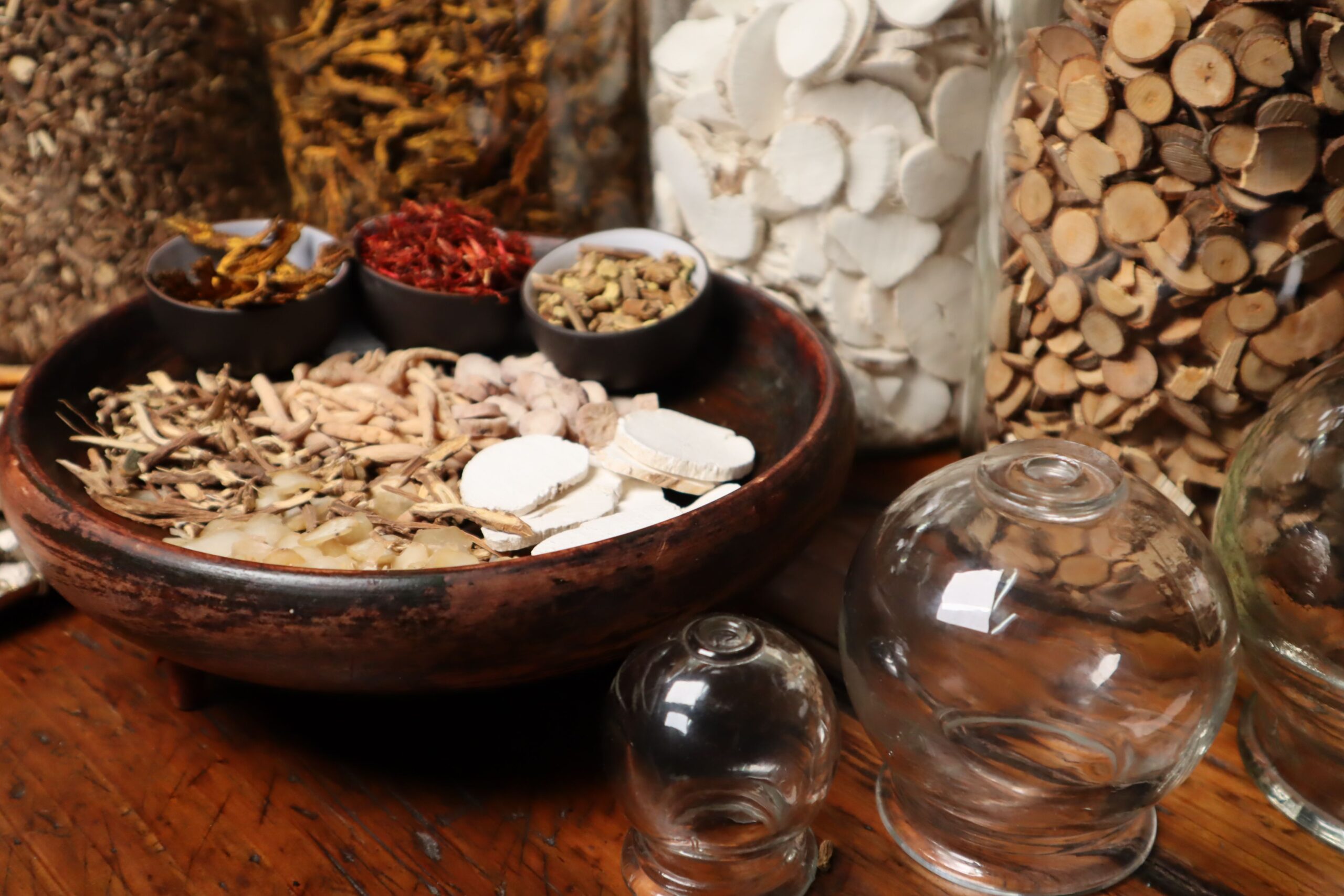
Close-up of herbal ingredients and glass jars used in traditional Chinese medicine therapy.
Close-up of herbal ingredients and glass jars used in traditional Chinese medicine therapy. Image by Chinese Medicine Podcast Podcast on Pexels.

Type 2 diabetes is a condition characterized by chronically high blood sugar due to the pancreas not producing enough insulin and/or insulin resistance. This condition is on the rise due to poor diet, lifestyle choices, and environmental or genetic factors. It can result in a host of complications such as neuropathy and respiratory disorders.

Currently, the mainstream treatments for type 2 diabetes are injectable insulin and antidiabetic medication. However, these treatments can’t prevent or always treat every complication. This has led scientists to investigate alternatives to current treatments.

One alternative is Traditional Chinese Medicine. Using herbal mixtures to treat the underlying causes of ailments, scientists have been studying their effects to determine their potential benefits.

Let’s review together five recent studies that explore how Traditional Chinese Medicine is being studied in terms of type 2 diabetes treatments:

The first study is a review article that analyzes the potential of Traditional Chinese Medicine to help people with type 2 diabetes regulate glucose, glp-1, and gut flora levels, to name a few. One study cited in the review demonstrated TCM’s effectiveness when combined with on-the-market drugs after 12 weeks of treatment. Another study showed evidence of a possible link between diabetes and maintaining healthy gut flora. However, it was emphasized that these are only initial results and that more studies are needed to make progress.

The second article discusses a possible link between type 2 diabetes and gut flora and how a Chinese medicine prescription, Jiang-Tang-San-Huang, could rebalance the gut flora. Researchers tested this concept in rats by feeding a control group standard rat food and an experimental group a high-fat diet plus an STZ injection to model type 2 diabetes. Then, the experimental group received a diluted form of the prescription for four weeks. The treatment resulted in improved gut flora, reduced insulin resistance, and reduced hyperglycemia, among other outcomes. However, the article emphasized that because the experiment was conducted on animals, additional research is needed before this treatment becomes mainstream in medical practice.

The third article describes how neuropathy, a nervous system disorder and complication of type 2  diabetes, is often only diagnosed at an irreversible stage. However, before diabetes had a name, TCM, identified one form of it, xiaoke disease, by studying a person’s tongue. This method was combined with an algorithm to identify the risk of diabetic neuropathy early. Researchers took multiple pictures of people’s tongues and fed them to the algorithm to find patterns. The study identified twelve associated characteristics, such as a dark red tongue, a yellow coating, and dryness. However, the study emphasized its limitations because it was conducted at a single medical center in Tianjin. More data are needed before this becomes a standardized method.

The fourth article is a systematic review that discusses the prospect of using Jinlida as an add-on treatment based on 22 randomized controlled trials (RCTs).  Previous studies have suggested that Jinlida is associated with reductions in HbA1c, FPG, and 2h-PG. However, the trials presented different outcomes. Jinlida was associated with reduced HbA1c levels during the trials, but FPG and 2h-PG levels did not change significantly. Since the results did not match previous studies, the article emphasized the need for higher-quality RCTs.

The fifth study analyzed a potential link between type 2 diabetes and respiratory disorders and how Traditional Chinese Medicine can help reduce them. The study showed that TCM is associated with reduced inflammation, which could reduce hospitalizations due to respiratory complications. TCM was associated with a 26 percent decrease in COPD hospitalizations and a 41 percent decrease in asthma hospitalizations. However, the study acknowledged drawbacks such as comorbid conditions and unmeasured lifestyle factors and emphasized the need for more research.

Tags: herbal, respiratory, Traditional Chinese Medicine, Type 2 diabetes

Research Glossary

Research has its own vocabulary. To help you decipher research, we created a Glossary to ease the way.
You may access it here: Research Glossary

Referenced Research Publications

Pharmaceutical biology
2024, July 19

Evidence of traditional Chinese medicine for treating type 2 diabetes mellitus: from molecular mechanisms to clinical efficacy

Abstract

Context

The global prevalence of type 2 diabetes mellitus (T2DM) has increased significantly in recent decades. Despite numerous studies and systematic reviews, there is a gap in comprehensive and up-to-date evaluations in this rapidly evolving field.

Objective

This review provides a comprehensive and current overview of the efficacy of Traditional Chinese Medicine (TCM) in treating T2DM.

Methods

A systematic review was conducted using PubMed, Web of Science, Wanfang Data, CNKI, and Medline databases, with a search timeframe extending up to November 2023. The search strategy involved a combination of subject terms and free words in English, including ‘Diabetes,’ ‘Traditional Chinese Medicine,’ ‘TCM,’ ‘Hypoglycemic Effect,’ ‘Clinical Trial,’ and ‘Randomized Controlled Trial.’ The studies were rigorously screened by two investigators, with a third investigator reviewing and approving the final selection based on inclusion and exclusion criteria.

Results

A total of 108 relevant papers were systematically reviewed. The findings suggest that TCMs not only demonstrate clinical efficacy comparable to existing Western medications in managing hypoglycemia but also offer fewer adverse effects and a multitarget therapeutic approach. Five main biological mechanisms through which TCM treats diabetes were identified: improving glucose transport and utilization, improving glycogen metabolism, promoting GLP-1 release, protecting pancreatic islets from damage, and improving intestinal flora.

Conclusions

TCM has demonstrated significant protective effects against diabetes and presents a viable option for the prevention and treatment of T2DM. These findings support the further exploration and integration of TCM into broader diabetes management strategies.

Reference

Ni, Y., Wu, X., Yao, W., Zhang, Y., Chen, J., & Ding, X. (2024). Evidence of traditional Chinese medicine for treating type 2 diabetes mellitus: from molecular mechanisms to clinical efficacy. Pharmaceutical biology, 62(1), 592–606. https://doi.org/10.1080/13880209.2024.2374794

Phytomedicine : international journal of phytotherapy and phytopharmacology
2023, February 26

Jiang-Tang-San-Huang pill alleviates type 2 diabetes mellitus through modulating the gut microbiota and bile acids metabolism

Abstract

Background

Jiang-Tang-San-Huang (JTSH) pill, a traditional Chinese medicine (TCM) prescription, has long been applied to clinically treat type 2 diabetes mellitus (T2DM), while the underlying antidiabetic mechanism remains unclarified. Currently, it is believed that the interaction between intestinal microbiota and bile acids (BAs) metabolism mediates host metabolism and promotes T2DM.

Purpose

To elucidate the underlying mechanisms of JTSH for treating T2DM with animal models.

Methods

In this study, male SD rats received high-fat diet (HFD) and streptozotocin (STZ) injection to induce T2DM and were treated with different dosages (0.27, 0.54 and 1.08 g/kg) of JTSH pill for 4 weeks; metformin was given as a positive control. Alterations of gut microbiota and BA profiles in the distal ileum were assessed by 16S ribosomal RNA gene sequencing and ultra-high performance liquid chromatography-tandem mass spectrometry (UPLC-MS/MS), respectively. Additionally, we conducted quantitative Real Time-PCR and western blotting to determine the mRNA and protein expression levels of intestinal farnesoid X receptor (FXR), fibroblast growth factor 15 (FGF15), Takeda G-protein-coupled receptor 5 (TGR5) and glucagon-like peptide 1 (GLP-1) as well as hepatic cytochrome P450, family 7, subfamily a, poly-peptide 1 (CYP7A1) and cytochrome P450, family 8, subfamily b, poly-peptide 1 (CYP8B1), which are involved in BAs metabolism and enterohepatic circulation.

Results

Here, the results revealed that JTSH treatment significantly ameliorated hyperglycaemia, insulin resistance (IR), hyperlipidaemia, and pathological changes in the pancreas, liver, kidney and intestine and reduced the serum levels of pro-inflammatory cytokines in T2DM model rats. 16S rRNA sequencing and UPLC-MS/MS showed that JTSH treatment could modulate gut microbiota dysbiosis by preferentially increasing bacteria (e.g., Bacteroides, Lactobacillus, Bifidobacterium) with bile-salt hydrolase (BSH) activity, which might in turn lead to the accumulation of ileal unconjugated BAs (e.g., CDCA, DCA) and further upregulate the intestinal FXR/FGF15 and TGR5/GLP-1 signaling pathways.

Conclusion

The study demonstrated that JTSH treatment could alleviate T2DM by modulating the interaction between gut microbiota and BAs metabolism. These findings suggest that JTSH pill may serve as a promising oral therapeutic agent for T2DM.

Reference

Tawulie, D., Jin, L., Shang, X., Li, Y., Sun, L., Xie, H., Zhao, J., Liao, J., Zhu, Z., Cui, H., & Wen, W. (2023). Jiang-Tang-San-Huang pill alleviates type 2 diabetes mellitus through modulating the gut microbiota and bile acids metabolism. Phytomedicine : international journal of phytotherapy and phytopharmacology, 113, 154733. https://doi.org/10.1016/j.phymed.2023.154733

BMC medical informatics and decision making
2025, February 18

Diabetic peripheral neuropathy detection of type 2 diabetes using machine learning from TCM features: a cross-sectional study

Abstract

Aims

Diabetic peripheral neuropathy (DPN) is the most common complication of diabetes mellitus. Early identification of individuals at high risk of DPN is essential for successful early intervention. Traditional Chinese medicine (TCM) tongue diagnosis, one of the four diagnostic methods, lacks specific algorithms for TCM symptoms and tongue features. This study aims to develop machine learning (ML) models based on TCM to predict the risk of diabetic peripheral neuropathy (DPN) in patients with type 2 diabetes mellitus (T2DM).

Methods

A total of 4723 patients were included in the analysis (4430 with T2DM and 293 with DPN). TFDA-1 was used to obtain tongue images during a questionnaire survey. LASSO (least absolute shrinkage and selection operator) logistic regression model with fivefold cross-validation was used to select imaging features, which were then screened using best subset selection. The synthetic minority oversampling technique (SMOTE) algorithm was applied to address the class imbalance and eliminate possible bias. The area under the receiver operating characteristic curve (AUC) was used to evaluate the model’s performance. Four ML algorithms, namely logistic regression (LR), random forest (RF), support vector classifier (SVC), and light gradient boosting machine (LGBM), were used to build predictive models for DPN. The importance of covariates in DPN was ranked using classifiers with better performance.

Results

The RF model performed the best, with an accuracy of 0.767, precision of 0.718, recall of 0.874, F-1 score of 0.789, and AUC of 0.77. With a value of 0.879, the LGBM model appeared to be the best regarding recall Age, sweating, dark red tongue, insomnia, and smoking were the five most significant RF features. Age, yellow coating, loose teeth, smoking, and insomnia were the five most significant features of the LGBM model.

Conclusions

This cross-sectional study demonstrates that the RF and LGBM models can screen for high-risk DPN in T2DM patients using TCM symptoms and tongue features. The identified key TCM-related features, such as age, tongue coating, and other symptoms, may be advantageous in developing preventative measures for T2DM patients.

Reference

Tian, Z., Zhang, J., Fan, Y., Sun, X., Wang, D., Liu, X., Lu, G., & Wang, H. (2025). Diabetic peripheral neuropathy detection of type 2 diabetes using machine learning from TCM features: a cross-sectional study. BMC medical informatics and decision making, 25(1), 90. https://doi.org/10.1186/s12911-025-02932-w

Frontiers in endocrinology
2022, October 17

Treatment of type 2 diabetes mellitus using the traditional Chinese medicine Jinlida as an add-on medication: A systematic review and meta-analysis of randomized controlled trials

Abstract

Background

Numerous randomized controlled trials (RCTs) conducted in China have shown that jinlida granules are a promising traditional Chinese medicine (TCM) for the treatment of persons with type 2 diabetes mellitus (T2DM). Controversial results have been reported in different RCTs. The aim of our study was to evaluate the adjuvant hypoglycemic effect of jinlida granules on persons with T2DM and to explore the source of heterogeneity between these RCTs.

Materials and methods

Medical article databases were individually searched by two authors for RCTs that provided data regarding the effect of jinlida granules in the treatment of T2DM before 1 June 2022. The methodological quality of the included RCTs was comprehensively assessed by two authors. Data from RCTs with low risk of bias were pooled using Stata SE 12.0 (random-effects model). Evidence derived from the meta-analysis will be assessed according to the GRADE system.

Results

Twenty-two RCTs were eventually included in the systematic review and three RCTs with low risk of bias were analyzed in the meta-analysis. Compared with the control groups, significant changes were found in lowering glycosylated hemoglobin a1c (mean difference -0.283 with 95% CI -0.561, -0.004; P=0.046), and were not found in lowering 2-hour postprandial glucose (mean difference -0.314 with 95% CI -1.599, 0.972; P=0.632) and fasting blood glucose (mean difference -0.152 with 95% CI -0.778, -0.474; P=0.634) in the jinlida groups. The GRADE-assessed evidence quality for the outcomes was moderate.

Conclusion

The adjuvant hypoglycemic effect of jinlida granules on adult Chinese persons with T2DM was statistically found in lowering HbA1c and was not statistically found in lowering FPG and 2h-PG. Evidence grading should be considered moderate, and the results should be interpreted cautiously. Whether the efficacy of HbA1c-lowering related to clinical significance remains to be investigated in future RCTs. Differences in HbA1c, FPG and 2h-PG at baseline and high risk of bias were important source of heterogeneity between these RCTs. In order to objectively evaluate the efficacy of jinlida granules on T2DM, it is urgently needed that high-quality RCTs evaluating the hypoglycemic effect of jinlida granules in the treatment of qi-yin deficiency pattern T2DM.

Reference

Zhao, X., Liu, L., & Liu, J. (2022). Treatment of type 2 diabetes mellitus using the traditional Chinese medicine Jinlida as an add-on medication: A systematic review and meta-analysis of randomized controlled trials. Frontiers in endocrinology, 13, 1018450. https://doi.org/10.3389/fendo.2022.1018450

Medicine
2023, March 24

TCM as adjunctive therapy improves risks of respiratory hospitalizations in persons with type 2 diabetes: A retrospective cohort study

Abstract

Patients with type 2 diabetes are at a higher risk of chronic obstructive pulmonary disease (COPD) and asthma than the general population. In addition, emerging evidence suggests that traditional Chinese medicine (TCM) might be beneficial for patients with type 2 diabetes. We investigated whether TCM use was associated with a reduced risk of respiratory hospitalizations in patients with type 2 diabetes. Conducting a retrospective cohort study, we used data retrieved from the NDCMP database. Among 56,035 patients, 5226 were classified as TCM users; 50,809 were classified as TCM nonusers. Both groups were analyzed until the end of 2011 to examine the incidence of respiratory hospitalizations by using a Cox proportional hazards model to evaluate effects of TCM use on respiratory hospitalizations. During the 6-year study follow-up period, the incidence density rates of COPD- and asthma-related hospitalization were estimated to be 13.03 and 4.47 per 10,000 patient-years for TCM nonusers and 10.08 and 3.28 per 10,000 patient-years for TCM users, respectively. The HR of COPD-related hospitalization in TCM users was 0.88 (95% CI = 0.79-0.99); and the HR of asthma-related hospitalization in TCM users was 0.81 (95% CI = 0.66-1.00). Stratified analyses revealed that effects of TCM use were stronger among individuals who had diabetes for <3 years. As a part of Integrative Medicine, our study results demonstrate that TCM use was associated with a significant reduced risk of respiratory hospitalizations, especially in patients with diabetes for <3 years.

Reference

Lin, P. C., Lin, C. C., Li, C. I., Wang, T. C., Peng, Y. H., Chang, T. T., Lin, C. Y., Li, T. C., & Hsieh, C. L. (2023). TCM as adjunctive therapy improves risks of respiratory hospitalizations in persons with type 2 diabetes: A retrospective cohort study. Medicine, 102(12), e33318. https://doi.org/10.1097/MD.0000000000033318