
CTM Research Library
Traditional Medicine, Indigenous Knowledge Systems and Integrative Healing
Categories
The Latest Research
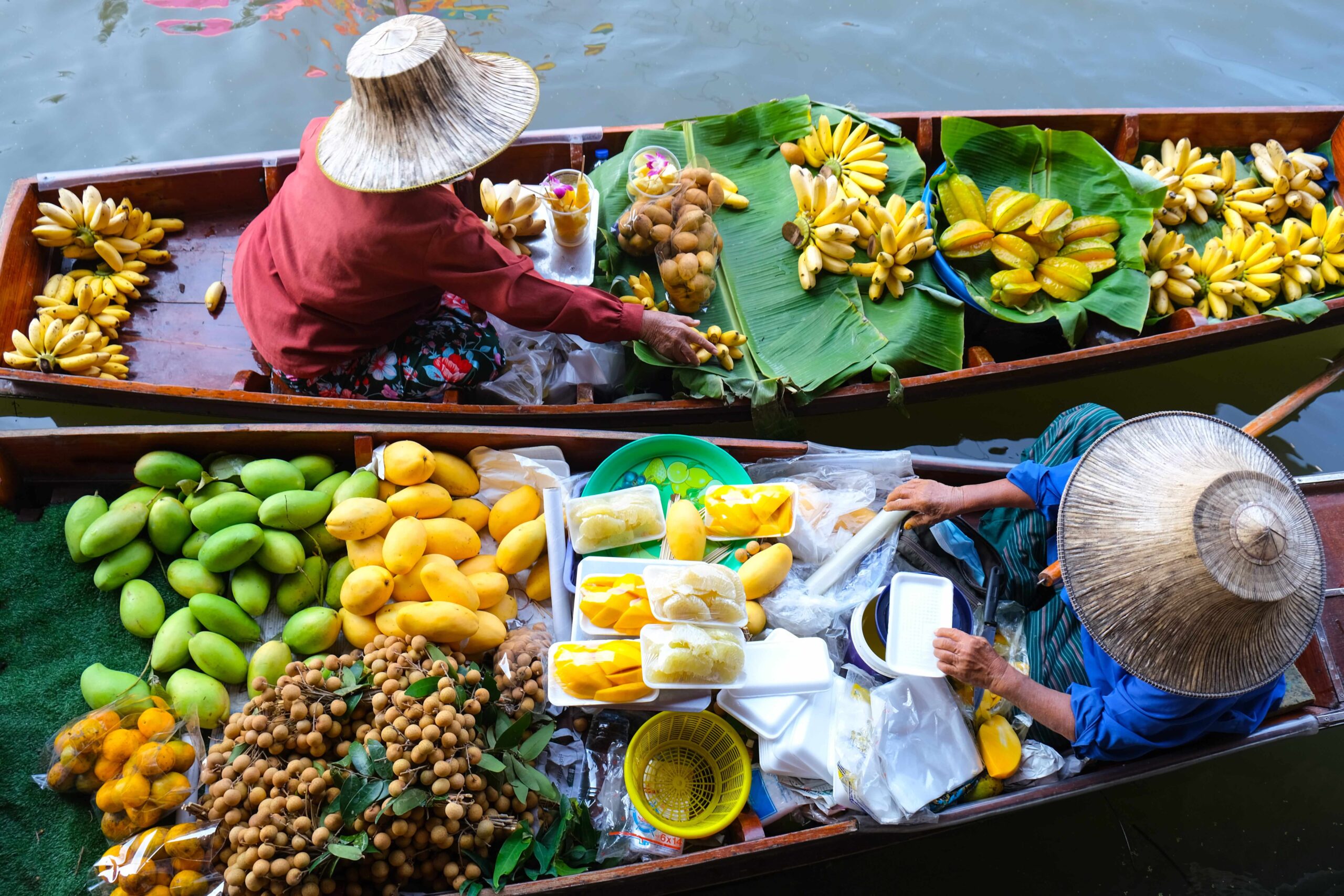
From Traditional Foods to Modern Diets: Understanding This Nutrition Transition
The shift away from Indigenous traditional food systems has been accompanied by rising rates of diet-related chronic disease. As nutrient-rich diets based on fish, game, and wild foods are replaced by processed alternatives, consistent changes in metabolic health are emerging across diverse contexts.
Welcome to the CTM Research Library
Across cultures, healing has always been more than treating symptoms. It is rooted in relationships to the body, the land, the community, and ancestral knowledge. This understanding of health as relational is central to Indigenous knowledge systems, where well-being is shaped by connection, balance, and context.
Conventional biomedical scientific research is increasingly engaging with Indigenous sciences and ways of knowing by integrating language and methods that traditional systems have long employed.
This library combines conventional science and Indigenous sciences, highlighting Indigenous practices, integrative approaches to healing, traditional medicine in its many forms, and community perspectives often overlooked in mainstream research.
Why Research Matters
Research can help you better understand how different healing approaches work, when they may be helpful, and how to use them safely and respectfully. We also critique poorly conducted research and identify high-quality research and its implications for well-being.
As you explore your own health, research offers context and clarity. For practitioners, it can support more thoughtful and informed care. For your community, it can help protect, recognize, and carry forward knowledge that is often overlooked or undervalued.
This approach also means recognizing that not all knowledge fits neatly into research studies. Some forms of healing are lived, practiced, and passed down through generations. As you move forward, remember that this library holds space for both what can be measured and what must be experienced.
A Few Questions to Keep in Mind
Not all research asks the same questions, and not all questions reflect the realities of the communities they are meant to serve.
As you explore this library, we invite you to consider:
- What kinds of knowledge are being studied?
- Whose voices are included—and whose are missing?
- How does a relational understanding of health change the way we interpret findings?
- What relationships to the land and culture are visible, and which are not named?
- What cannot be easily measured, but still matters in healing?
- Who benefits from this research?
By reflecting on these questions, you can begin to see research as part of a broader conversation about how we understand healing in our lives.
Knowledge Beyond Time
You may notice that the library includes both contemporary research and enduring knowledge, recognizing that healing practices evolve while remaining deeply rooted in tradition.
In many academic spaces, only the most recent studies are considered valuable. But traditional medicine does not follow the same timeline. It is built on generations of observation, experience, and relationships. Older knowledge is foundational.
Our Aim
This space is here to support learning, reflection, and connection.
Whether you are a practitioner, student, or simply curious, we hope this library helps you engage with diverse understandings of health that honor relationality, culture, community, and the many forms healing can take.