

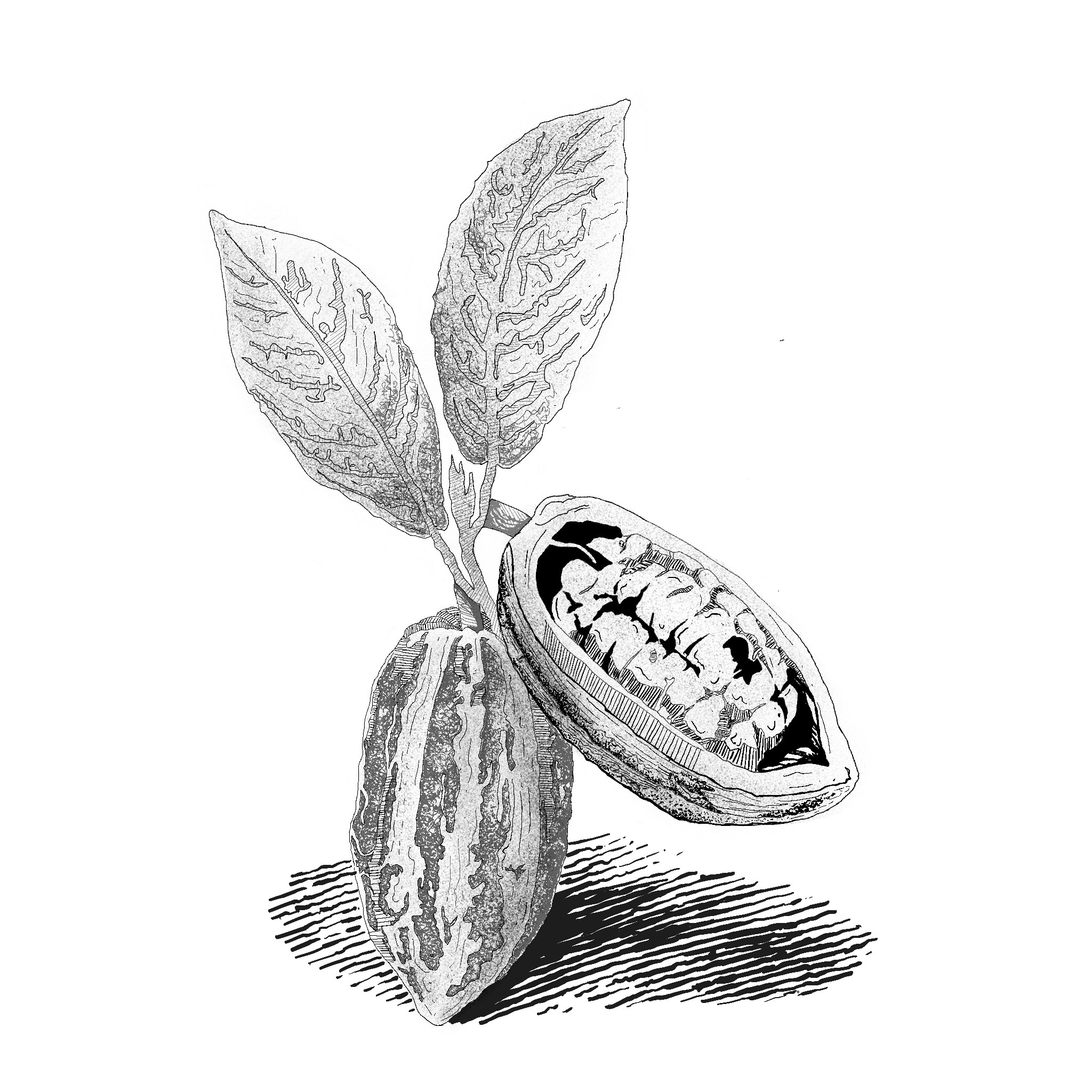
Cacao
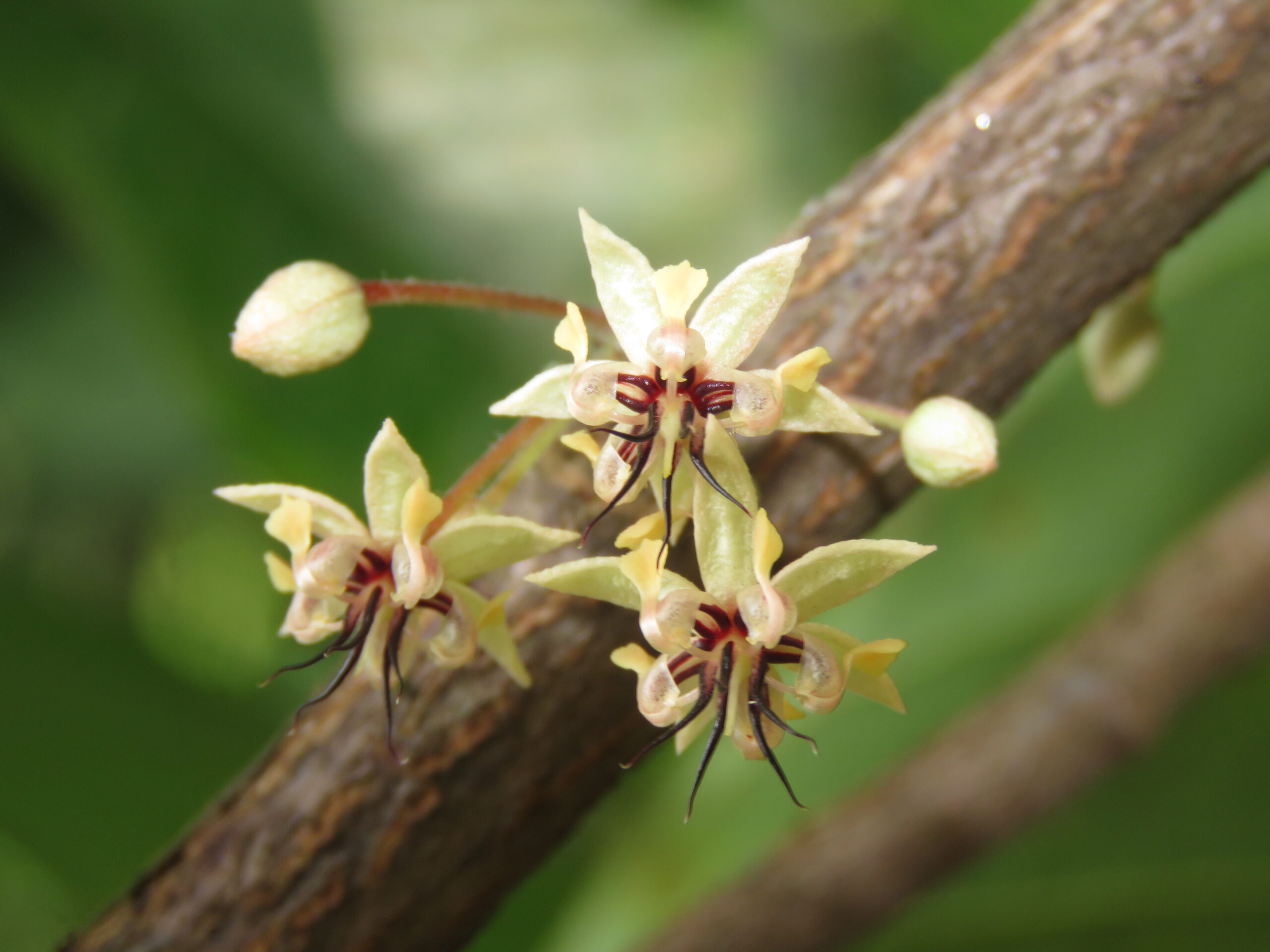
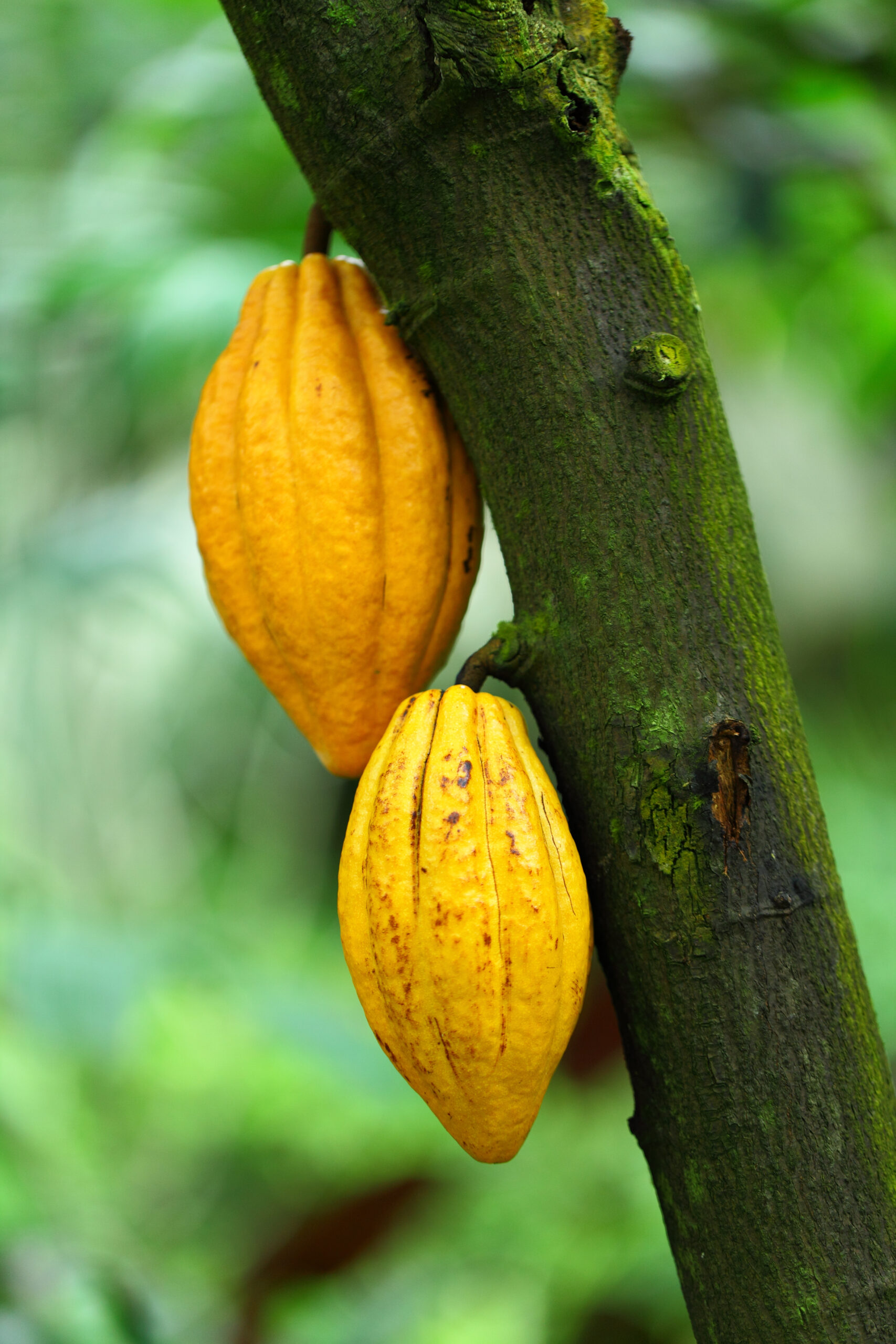
Theobroma cacao
The Latin name Theobroma, meaning ‘food of the gods,’ reflects cacao’s status as a sacred plant which gave access to the divine during rituals.
Archaeobotanical and iconographic evidence indicates that the Olmec and Maya peoples revered this plant as early as 600 BCE, using cacao in ritual practices, elite consumption, and long-distance trade. By the 14th century CE, the Mexica had also adopted cacao, associating it with elite status and ceremonial importance, valuing its characteristically bitter taste, and using its beans as a form of currency. Following Spanish colonization in the 16th century, cacao was taken to Europe, where its bitterness and long-standing prestige spurred interest, encouraged the addition of sweeteners, and supported its incorporation into expanding colonial trade systems.
Today, chocolate cultivation faces significant challenges, including climate vulnerability, soil degradation, and concerns about labor conditions within major cacao-producing regions.
Chocolate has become secularized and commercial, largely disconnected from the cultural and spiritual meanings that shaped its use for millennia.
Local Indigenous Knowledge
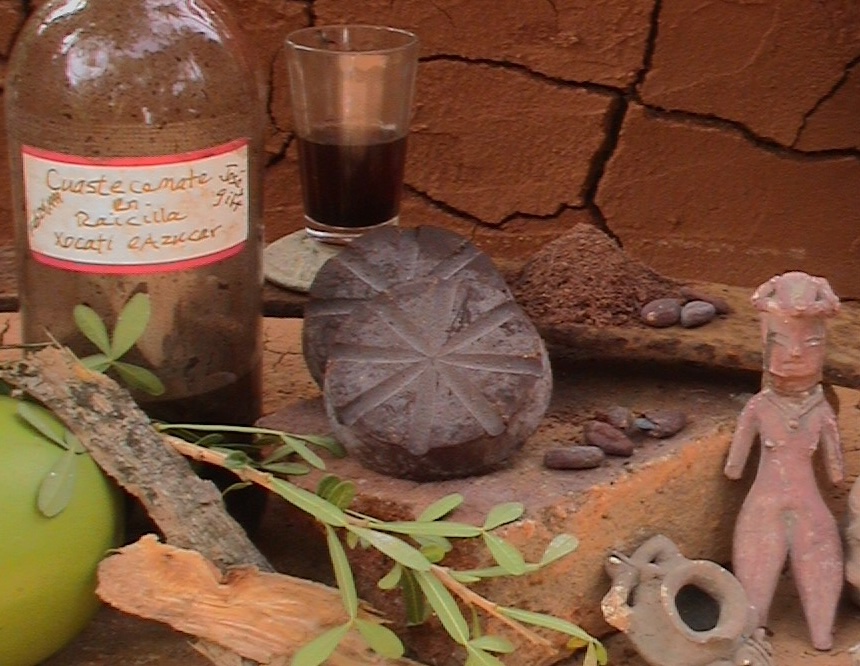
A drink made of a mix of chocolate, cuastecomate, raicilla, honey, and cinnamon is considered medicinal, traditionally taken in the morning for bronchitis, colds, and as a cough aid.
More Facts
In ancient Mexico, cacao assumed an importance nearly as great as that of gold to the Europeans, and eventually to a high level of importance to the peoples of the world.

Did you know?
In ancient Mexico, cacao was used as currency.
Uses
Drink
Symptoms / Illness
Bronchitis, colds, cough
Biomedical Science
Cacao contains phenolic compounds with bioactive properties that support inflammation regulation and overall cardiovascular, neurological, and immune health (Baharum et al., 2014). It also exhibits anti-carcinogenic, anti-inflammatory, anti-microbial, and analgesic effects, and its antioxidant capacity exceeds that of teas and red wine (Hii et al., 2009). High-quality dark chocolate is rich in theobromine and flavanols, including epicatechin, which demonstrates strong antioxidant activity that helps reduce low-density lipoprotein (LDL) activity (Baba, Natsume, Yasuda, et al. 2007)
Flavanol-rich cocoa has been shown to increase cerebral blood flow, indicating potential cognitive benefits. Chocolate may also influence mood through compounds such as phenethylamine, anandamide (the “bliss chemical”), and serotonin. In addition, cacao offers topical benefits: it moisturizes the skin, improves texture and appearance, and provides photoprotection from UV exposure (Kim et al., 2011).
Contraindications
In general, cacao is safe for consumption. However, it should be used cautiously in individuals with caffeine sensitivity, as it contains theobromine, a stimulant. Overconsumption may lead to insomnia, jitteriness, or increased heart rate. People with chocolate allergies should avoid it. Pregnant women should limit intake due to caffeine and theobromine content, which may affect fetal development in high doses. Cacao may interact with stimulants or medications affecting blood pressure; always seek advice from your prescriber.
Biomedical Research Papers
Baba, S., Natsume, M., Yasuda, A., Nakamura, Y., Tamura, T., Osakabe, N., Kanegae, M., & Kondo, K. (2007). Plasma LDL and HDL cholesterol and oxidized LDL concentrations are altered in normo- and hypercholesterolemic humans after intake of different levels of cocoa powder. The Journal of nutrition, 137(6), 1436–1441.
Baharum, Z., Akim, A. M., Taufiq-Yap, Y. H., Hamid, R. A., & Kasran, R. (2014). In vitro antioxidant and antiproliferative activities of methanolic plant part extracts of Theobroma cacao. Molecules (Basel, Switzerland), 19(11), 18317–18331. https://doi.org/10.3390/molecules191118317
Hii, C. L., Law, C. L., Suzannah, S., & Cloke, M. (2009). Polyphenols in cocoa (Theobroma cacao L.). Asian Journal of Food and Agro-Industry, 2, 702–722. https://doi.org/10.1016/B978-0-12-375688-6.10042-8
Kim, J., Lee, K. W., & Lee, H. J. (2011). Cocoa (Theobroma cacao) seeds and phytochemicals in human health. In R. V. Preedy, R. R. Watson, & V. B. Patel (Eds.), Nuts and seeds in health and disease prevention (pp. 351–360). Elsevier/Academic Press. https://doi.org/10.1016/B978-0-12-375688-6.10042-8
Thank You to Our Donors


Elina Vesara
Ostern Fund