

Expanding the Biomedical Model of Stress
The Western Biomedical understanding of stress has long been dominated by assessment models rooted in the “fight-or-flight” paradigm, positioning stress responses as a physiological survival mechanism. This concept describes how the body reacts to perceived threats through physiological changes that either evoke an escape response or a confrontational response to danger. In response to these triggers, the release of hormones such as epinephrine (adrenaline) and cortisol increases heart rate and blood pressure (Harvard Health Publishing, 2024). Although this model has contributed to understanding neuroendocrine regulation, it has not expanded in scope, often isolating biological functions from the emotional, social, and relational dimensions of stress.
In contrast, traditional medicine frameworks conceptualize healing as a multidimensional process. Traditional healers offer rationales for therapeutic interventions that include biological justifications but also recognize that healing exists on a continuum encompassing psychological and sociocultural dimensions. Within these modes of healing, stress is understood as a state of physiological and psychosocial disequilibrium, necessitating interventions to reestablish balance, or, in other words, restore homeostasis across the interconnected elements of the biological, social, emotional and spiritual systems.
This post goes beyond typical assessments of stress response hormones to explore how the science of oxytocin reveals a feminine model of stress known as the tend-and-befriend response, which reflects a wisdom that traditional healing systems have known for centuries: that care, touch, and connection are fundamental to recovery and well-being.
“Understanding the complex role of oxytocin as a neurohormonal mediator of attachment and social bonding can reveal strategies for helping people heal from trauma.”
The Tend-and-Befriend Model and Relational Healing
The tend-and-befriend model expands this view by showing how social connection shapes the body’s long-term adaptation to adversity. Allostatic load—the cumulative physiological cost of chronic stress—helps explain why disruptions in care, belonging, and relational safety can translate into measurable health consequences over time (McEwen & Seeman, 1999). Research also shows that discrimination and socioeconomic inequities heighten this burden, not only by increasing exposure to stressors but by limiting access to the protective relationships that buffer the nervous system. In this light, minority health disparities reflect both biological wear and the erosion of relational supports that are essential for recovery and resilience.
Conversely, social relationships mitigate the effects of allostatic load (Seeman et al., 2004). Historically, stress research has been dominated by Hans Selye’s fight-or-flight model, which conceptualizes stress as a biological survival response. This intersects with a newer model of stress response called “tend and befriend.” Whereas Selye’s model has shaped much of the scientific understanding of stress, Taylor et al. (2000) posit a complementary female stress response model, which they call tend and befriend. This model adds a dimension to the fight-or-flight/freeze concept and suggests that women (and other female animals) respond to stress by engaging in activities of care and connection—that is, tending to offspring and forming social bonds through affiliation and attachment.
Oxytocin is considered to mediate this response biologically; it is the main neurohormone responsible for social behaviors and empathy. It is produced primarily in the hypothalamus and is associated with the thymus and immune function (Carter et al., 2005) and has been shown to promote trust and well-being while reducing fear and blood pressure (Ishak, Kahloon, & Fakhry, 2011; Olff, Langeland, Witteveen, & Denys, 2010). Dysfunction of the oxytocin system may be involved in the development of PTSD (Ishak et al., 2011), and combining nasal administration of oxytocin with cognitive behavioral therapy may be useful in reducing fear, enhancing safety and trust, and supporting social engagement (Ishak et al., 2011; Olff et al., 2010).
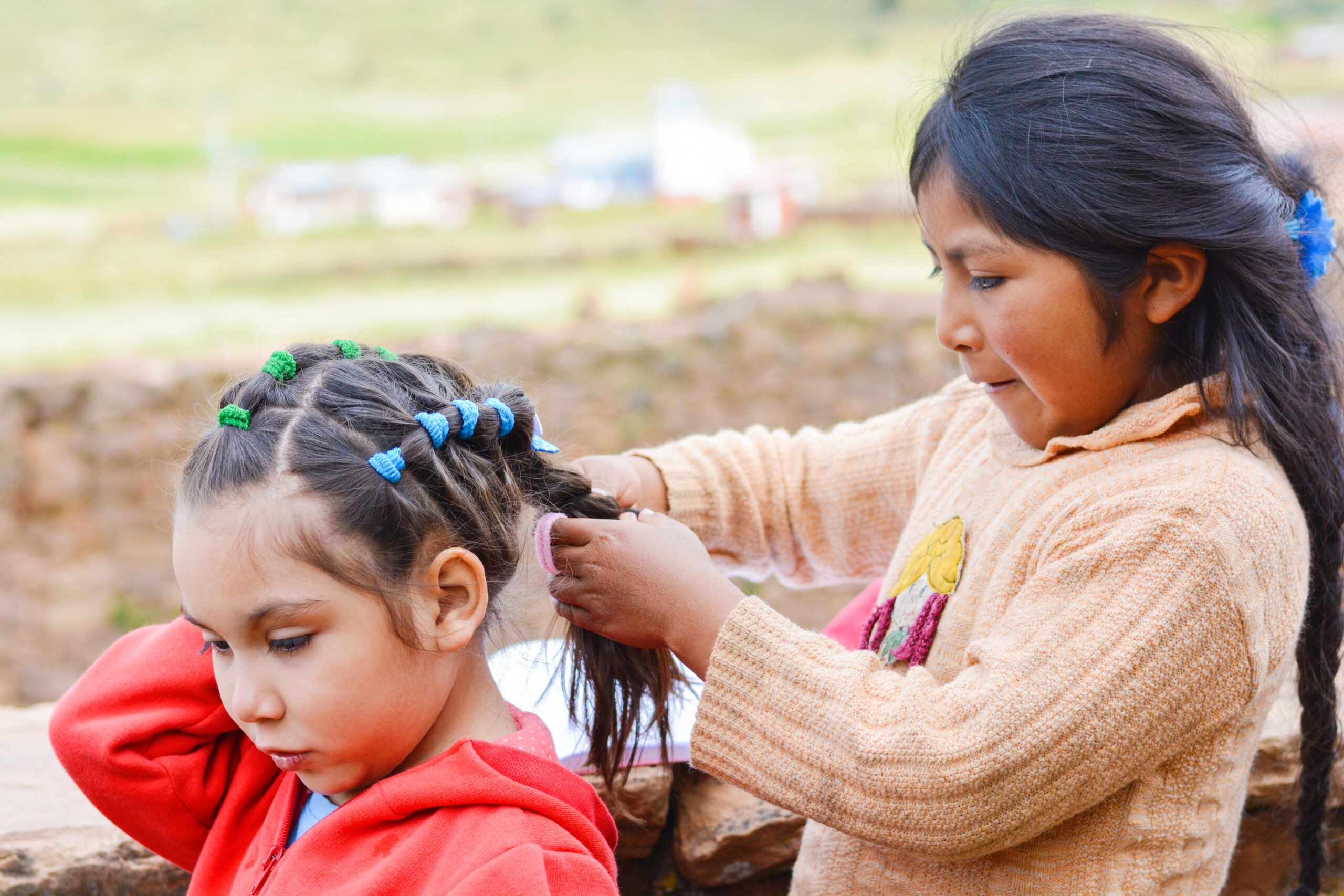
The Healing Qualities of Touch
Additionally, the role of touch therapies and massage and interaction with animal companions has many positive effects for treatment, including the increase of oxytocin levels. This research reinforces the importance of integrating psychological, biological, and physiological methods and their role in establishing and maintaining strong social connections for the recovery of physical and psychological health after trauma.
Understanding the complex role of oxytocin as a neurohormonal mediator of attachment and social bonding can reveal strategies for helping people heal from trauma. Oxytocin, also called the “love hormone,” is released in response to both stress and touch.
This activation of oxytocin through touch shows how somatic interventions can modulate stress, enhance emotional regulation, and foster attachment and relational healing.
How Touch Heals:
- Touch arouses, desensitizes, and transduces state-dependent memory; it also facilitates consciousness states associated with alpha, beta, theta, and delta brainwaves.
- Touch can induce trance and simultaneously provide the grounding rod to gain control over dissociative processes.
- Touch is anxiolytic and soporific; it also stimulates circulatory, lymphatic, and immune responses and regulates the primary respiratory mechanism (the cranial-sacral rhythm).
- Touch activates assorted neurohormonal responses, including the release of beta-endorphins, oxytocin, and serotonin; it improves cortisol levels and stimulates the endocannabinoid system.
- Touch provides a nonverbal form of biofeedback, allowing for the simultaneous retrieval of somatosensory memory, body sensations, articulation of associative feelings, and cognitive reframing.
- Touch changes body image and improves body concept, including the exploration of kinesthetic and proprioceptive boundaries as it reduces autonomic hyperactivity.
- Touch reduces lactic acid, thereby reducing the chemistry feedback loop of anxiety.
- Touch facilitates somatic empathy, a psychobiological attunement that is a prerequisite for attachment and bonding.
- Touch alters favorably the subtle human biofields that are the foundation of healthy functioning of the human organism.
Collective and Cultural Healing
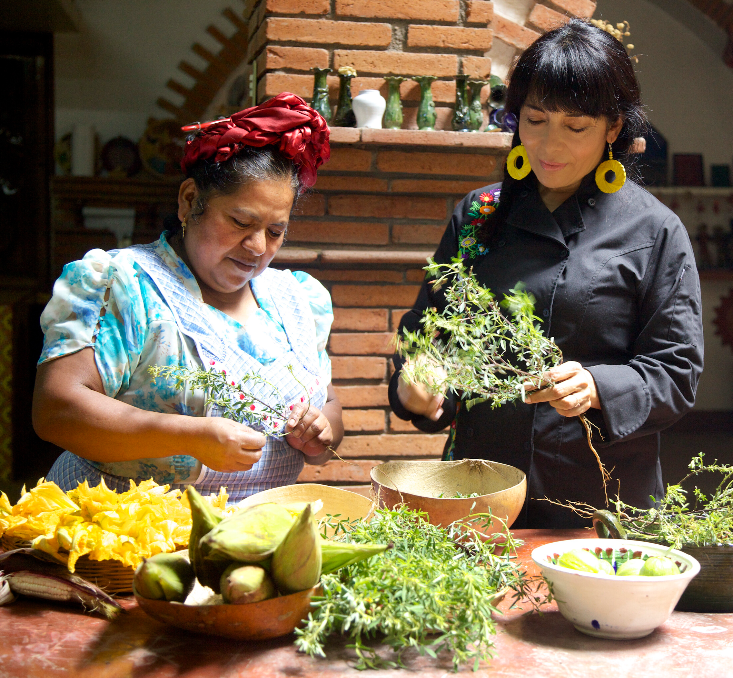
The reframing of healing from a purely biomedical individualistic standard to one that acknowledges the interconnected, cultural, and social dimensions of health proposes an alternative to medicine and a pathway to authentic decolonizing of health care. The healing neurohormones activated through touch, social connection, and caregiving demonstrate how recovery is a deeply communal process.
The tend-and-befriend model challenges the narrow, mechanistic view of stress by uncovering the protective biological forces that arise through care, connection, and kinship, principles integral to Indigenous ways of healing. Contrasting with the isolating effects of chronic stress as solely an individual experience, these reciprocal models offer healing that emphasizes wellness as a relational process rooted in mutual exchange and interpersonal restoration.











Leave a Comment