
Center for Traditional Medicine

CTM Curated Research

What Indigenous Perspectives Teach Us About Palliative and End-of-Life Care

End-of-life and palliative care for Indigenous peoples are influenced by deep structural inequities and cultural disconnects, reflecting the lasting impacts of colonization and systematic racism. Among First Nations, Inuit, Métis, and Australian Aboriginal communities, there is a strong preference for community-centered, spiritually integrated end-of-life care. However, documentation consistently highlights how systemic barriers prevent these preferences from being realized. This review examines five recent studies that investigate Indigenous palliative care needs, the limitations of current systems, and culturally aligned solutions that can serve as interventions, providing a pathway toward more culturally respectful and aligned care during a particularly significant period of life. Across Indigenous communities, end-of-life care is tied to ceremony, spiritual practices, and a collective responsibility, each shaped by region-specific traditions. Many Indigenous beliefs around death are linked to transition and require community presence and particular protocols, and are deeply embedded in the connection to land. When care falls outside these practices, they are not only falling short of cultural respect; the disruption ripples into the relational and spiritual domains, interrupting the sacred processes that give death such deep significance within these communities. 

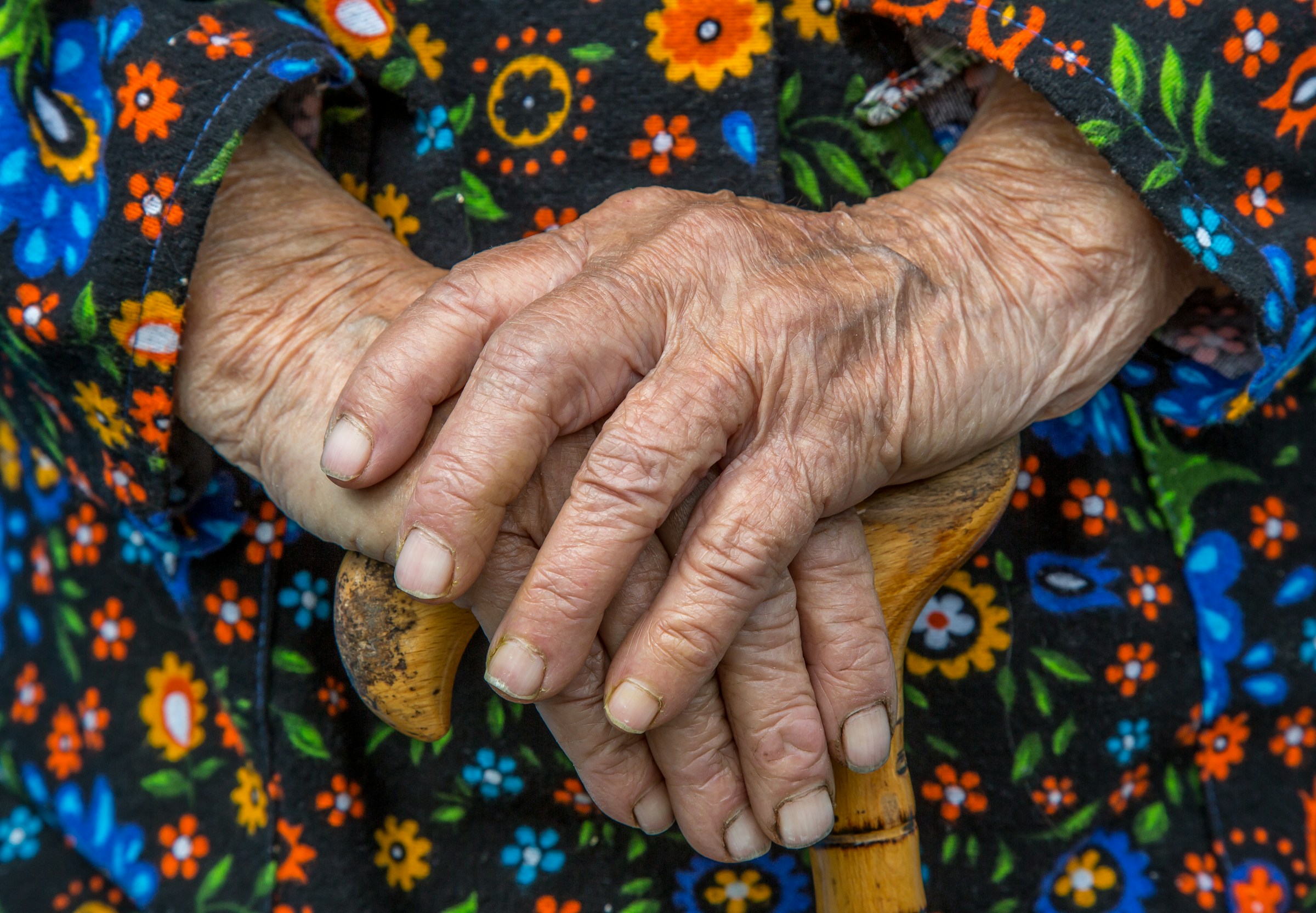
Person holding brown wooden stick.
Person holding brown wooden stick. Photo by Valentin Balan on Unsplash.

The first study is a scoping review aimed to synthesize existing research on Indigenous peoples’ experiences with palliative and end-of-life care (PEOLC) in Canada. Across First Nations, Inuit, and Métis communities, the findings revealed shared relational and spiritual frameworks that influence end-of-life experiences. Death is viewed as a collective social and spiritual transition, and often involves community and ceremony. There was a consistent preference for receiving care in the home and community, as well as for culturally grounded relationships with care providers. However, this preference was often undermined by structural inequities, such as limited service availability in rural and remote Indigenous communities. Many individuals are relocated to institutional care settings, causing disruption to family and support systems that nurture customary death practices. Findings also revealed that care for the body and associated practices are highly diverse and vary across communities and families, which stresses the inadequacy of standardized biomedical approaches to end-of-life care. The key priorities include strengthening community-based capacity for care delivery, expanding access to culturally-aligned and community-specific services, and integrating holistic models of care. Lastly, the findings show the need to improve communication processes and to enhance education for healthcare providers regarding Indigenous worldviews and end-of-life practices. 

The second study was an integrative interview review, examining studies with a focus on Indigenous palliative care needs and challenges in rural and remote settings. While the study was global in scope, it emphasized Canada. The overarching themes identified within this study included the importance of respecting Indigenous cultural beliefs surrounding death and dying, the connection to the land, the necessity for culturally responsive care, and the presence of institutional and systemic barriers. Most studies were qualitative and involved mixed teams of Indigenous and non-Indigenous researchers. The findings indicated that historical trauma and colonization impacted healthcare access and resulted in later diagnoses and shorter survival rates for Indigenous populations compared to their non-Indigenous counterparts. A call to address systemic racism serves as a fundamental and overarching premise to guarantee equitable care for Indigenous populations. This requires a decolonial transformation of healthcare systems to promote community-led, culturally aligned Indigenous knowledge and practices.

The third study was a qualitative research project using semi-structured focus groups and interviews that examined the experiences and perspectives of various health professionals (medicine, nursing, allied health, and Indigenous hospital liaison officers) in providing palliative care for Indigenous Australians. They found four overarching themes:

  • Intersection of cultures: A cultural disconnect in care delivery arises from fundamental differences between Indigenous peoples’ health perspectives and biomedical approaches to palliative care.
  • Critical role of Indigenous Hospital Liaison officers (IHLOs): They serve as a crucial bridge between the two cultural systems, working at the intersection to facilitate communication and understanding between patients/families and healthcare providers, and to help ensure cultural needs are met.
  • Devolution of responsibility: Health professionals tended to delegate responsibility for providing culturally appropriate care, with a likely over-reliance on IHLOs rather than developing personal cultural competence.
  • Need for holistic and culturally-aware care: The study described opportunities to build more comprehensive and culturally-responsive palliative care approaches.

The study highlights that achieving cultural safety in palliative care for Indigenous people necessitates systemic change, shared responsibility among healthcare providers to develop cultural competence, increased flexibility in healthcare policies, adequate support for Indigenous Health Liaison Officers (IHLOs), and a holistic approach that incorporates cultural and spiritual dimensions of health, while addressing institutional racism and structural barriers to care.

The fourth study was a program evaluation that tracked the work of individual Indigenous 

palliative care nurse navigators. Moreover, these nurse navigators supported Indigenous patients with life-limiting illnesses. The major findings were that the navigator’s responsibilities were organized into three domains: social vulnerabilities, mainstream palliative care navigation, and barriers to palliative care for Indigenous people. And then 16 categories captured the scope of their responsibilities and demonstrated effectiveness in addressing multiple barriers to care. This model integrates patient navigation, which has been proven effective in both Indigenous and palliative contexts. The key takeaway was that Indigenous palliative care navigation is an effective intervention, and it addresses numerous barriers experienced by Indigenous individuals facing life-limiting illnesses. However, further research is needed on quality outcomes and cost-effectiveness.

The fifth study was an integrative interview review that examined 7 studies on the use of traditional therapies in palliative care for Australian First Nations peoples. The major findings were five themes that supported a holistic approach, developing culturally appropriate care, conflict with the Western medical model, regulatory issues, and geographical barriers. The dearth of the current literature on traditional therapies in palliative care, and the benefits of including traditional therapies are positive, although significant barriers exist, including conflict with Western medicine and regulation. The key takeaway here is the critical need for more research on the integration of traditional therapies into palliative care with attention to resolving conflicts between Western and Indigenous care models.

Tags: community-based care, cultural safety, decolonial healthcare, end-of-life care, First Nations, holistic care, Indigenous palliative care, Inuit, Métis, nurse navigator, rural and remote care, traditional healing

Research Glossary

Research has its own vocabulary. To help you decipher research, we created a Glossary to ease the way.
You may access it here: Research Glossary

Referenced Research Publications

Journal of Advanced Nursing
2025, May 15

Indigenous Peoples' Experiences in Palliative and End-of-Life Care in Canada: A Scoping Review

Abstract

Aim

This scoping review aimed to explore what is known about Indigenous peoples’ experiences with palliative and end-of-life care in Canada.

Design

A scoping review.

Data Sources

A systematic search was performed from database inception to May 2022: CINAHL, Academic Search Complete, ERIC, Cochrane, Medline, PsychINFO, Indigenous Collections, Indigenous Peoples of North America and EMBASE. No date limitations were applied. Unpublished and grey literature was searched using the Google search engine. A search update was conducted in April 2024.

Methods

This scoping review was conducted in accordance with the Joanna Briggs Institute methodology for scoping reviews. Titles, abstracts and full text were screened for inclusion by two reviewers. Mapping and thematic analysis were used to analyse, collate and summarise extracted data.

Results

Fifty-three sources were included in the review. While the methods, locations and context vary across the literature, common themes emerged: Disparities in Indigenous representation in palliative and end-of-life care literature, challenges in accessing palliative and end-of-life care, priorities related to palliative and end-of-life care and experiences specific to end of life.

Conclusions

This scoping review revealed several key insights into Indigenous peoples’ experiences with palliative and end-of-life care.

Impact

Findings identify the need to enhance cultural safety in palliative and end-of-life care and support community capacity to develop and lead palliative and end-of-life care research and initiatives. Furthermore, findings suggest the need for palliative and end-of-life care initiatives that are Indigenous-led, grounded in Indigenous research methods and distinctions-based.

Reporting Method

We have adhered to relevant EQUATOR guidelines. We followed the PRISMA-Scr in the reporting of this scoping review.

Patient or Public Contributions

No patient or public contribution. This study did not include patient or public involvement in its design, conduct or reporting.

Reference

Weisgerber, L., Bassah, N. and Santos Salas, A. (2026), Indigenous Peoples’ Experiences in Palliative and End-of-Life Care in Canada: A Scoping Review. J Adv Nurs, 82: 1091-1104. https://doi.org/10.1111/jan.17019

Journal of Advanced Nursing
2022, May 16

Integrative Review of the Needs and Challenges of Indigenous Palliative Care in Rural and Remote Settings

Abstract

Aims

To appraise and synthesize the empirical literature on the needs and challenges of Indigenous peoples’ accessibility to palliative care in rural and remote settings.

Design

Whittemore and Knafl’s updated approach to integrative reviews, PRISMA guidelines and CASP (2020) checklists for narrative analysis were followed.

Data Sources

A systematic search of the published empirical literature from 1 January 2015 to 31 December 2021 was undertaken in five databases.

Review Methods

Twenty-four studies met the research question and the inclusion criteria.

Results

Four themes describe the findings: Respect of Indigenous cultural beliefs on death and dying, connection to the land, needs for culturally responsive care and presence of institutional and systemic barriers. These themes indicate a pressing need to increase the accessibility and utilization of palliative care. Most of the studies were qualitative and conducted by teams of Indigenous and non-Indigenous researchers.

Conclusion

Integrating Indigenous knowledge and providing culturally responsive palliative care are steps towards achieving the decolonization of palliative care and responding to Indigenous people’s needs of palliative care services. Institutional and systemic racism affect Indigenous peoples’ access and delivery of palliative services in Canada and globally.

Impact

The review highlights the need for establishing partnerships and building local capacity with Indigenous communities to develop and implement culturally responsive palliative care programmes in remote locations.

Reference

Racine, L., Fowler-Kerry, S., & Aiyer, H. (2022). Integrative review of the needs and challenges of indigenous palliative care in rural and remote settings. Journal of advanced nursing, 78(9), 2693–2712. https://doi.org/10.1111/jan.15287

Palliative Medicine
2023, January 16

Bridging Cultures in Palliative Care: A Qualitative Study of the Care of Indigenous Australians with Advanced Illness

Abstract

Background

Lack of access, late engagement and limited referral for palliative care remain critical issues in supporting Indigenous Australians with life limiting illness.

Aim

To explore the experiences and perspectives of Indigenous and non-Indigenous health professionals regarding the provision of palliative care for Indigenous people with advanced disease.

Design

Qualitative study involving semi-structured focus groups/interviews with analysis following an inductive thematic approach.

Setting/participants

A purposive sample (n = 54) of medical, nursing, allied health and Indigenous Hospital Liaison Officers engaged in caring for Indigenous patients at a metropolitan teaching hospital in Australia.

Results

Four overarching themes were identified regarding provision of palliative care for Indigenous patients. These were (1) the intersection of cultures – Indigenous peoples, health and palliative care, (2) bridging the cultural divide: the integral role of Indigenous Hospital Liaison Officers, (3) health professionals devolve their responsibility to provide culturally appropriate care and (4) building towards a more holistic, culturally aware provision of palliative care.

Conclusions

For many Indigenous people, the health system may be experienced as inflexible, narrowly focused and even prejudiced and traumatising. For Indigenous patients at the end of life, these challenges are heightened. The Indigenous Hospital Liaison Officers, working at the intersections of these two cultures, are key to negotiating such challenges as they seek opportunities to facilitate communication and understanding between firmly held cultural needs.

Reference

Panozzo, S., Bryan, T., Mason, T., Garvey, G., Lethborg, C., Boughey, M., & Philip, J. A. (2023). Bridging cultures in palliative care: A qualitative study of the care of Indigenous Australians with advanced illness. Palliative medicine, 37(4), 498–507. https://doi.org/10.1177/02692163221137929

Palliative Medicine Reports
2025, October 15

Assessing the Impact of an Indigenous Palliative Care Nurse Navigator: A Program Evaluation

Abstract

Introduction

Indigenous peoples in Canada face significant health disparities rooted in colonization and experience inequitable access to palliative care. Patient navigation has proven effective in both Indigenous and palliative contexts, but integration of these roles has not been studied. This evaluation defines the scope of a patient navigator specializing in palliative care for Indigenous peoples and explores how it addresses service gaps.

Methods

A program evaluation tool was developed to track key performance indicators (KPIs) of an Indigenous Palliative Care Nurse Navigator (IPCNN) over six months. Responsibilities were organized into three domains: (1) social vulnerabilities, (2) mainstream palliative care navigation, and (3) barriers to palliative care for Indigenous peoples. Sixteen categories further captured the scope of responsibilities. KPIs were classified as either “working” indicators, reflecting activities undertaken for future outcomes, or “outcome” indicators, which tracked the achievement of results. A single IPCNN provided care to 164 Indigenous patients across Alberta, Canada with a prognosis of less than 24 months, conducting initial assessments and maintaining ongoing contact through home visits, clinic appointments, and phone calls every two to four weeks. KPIs were tabulated and analyzed by frequency (low, moderate, and high), domain, category, and classification.

Results

One IPCNN logged 714 activities across three domains: social vulnerabilities (191), mainstream palliative care navigation (394), and barriers to palliative care for Indigenous peoples (129). Most KPIs (77%) were “working” activities, reflecting upstream tasks required to achieve outcomes. The majority of KPIs addressing barriers to palliative care for Indigenous peoples were high-frequency activities.

Discussion

The IPCNN role supports Indigenous patients to navigate gaps in palliative care delivery, including distrust of health care providers, jurisdictional challenges, and incongruencies between Indigenous culture and Western medicine. These findings underscore the potential of Indigenous palliative care navigation as an effective intervention to improve the accessibility and quality of palliative care for Indigenous peoples.

Reference

McInnis, I. J., Bablitz, C. A., Foster, J., Morey, T., Gougeon, N., & Quinn, R. (2025). Assessing the Impact of an Indigenous Palliative Care Nurse Navigator: A Program Evaluation. Palliative medicine reports, 6(1), 485–493. https://doi.org/10.1177/26892820251385777

Journal of Clinical Nursing
2021, October 6

Use of Traditional Therapies in Palliative Care for Australian First Nations Peoples: An Integrative Review

Abstract

Aims and objectives

To conduct an integrative review of the literature to understand how the incorporation of traditional therapies affect First Nations people’s utilisation of palliative care services.

Background

First Nations peoples face many barriers related to accessing and utilising specialised health services such as palliative care. Whilst culturally appropriate care has been shown to improve these outcomes, there is little evidence regarding how this may be achieved.

Design

Integrative review.

Methods

A systematic search was conducted using electronic databases CINAHL, Joanna Briggs, Medline, Scopus, ScienceDirect InformitHealth and ProQuest between the years of 2005urn:x-wiley:09621067:media:jocn16070:jocn16070-math-00012021 databases were searched for papers with full text available and published in English. Papers were included if they were primary-based research and focused on the topics of the use of traditional therapies in a palliative care context by First Nations persons. The Critical Appraisal Skills Programme principles were used to assess the methodological quality of the selected articles.

Results

Seven studies met the inclusion criteria and were included in the review. The review included six qualitative studies and one quantitative study. From these studies, five themes were identified in the literature: supporting a holistic approach, developing culturally appropriate care, conflict within a Western medical model, regulatory issues, and geographical barriers.

Conclusion

There is a dearth of current literature available discussing the utilization of traditional therapies in palliative care. From the literature analysed, the benefits of including traditional therapies are overall positive, however, there are barriers including conflict with the Western model of medicine and regulation. More research is required in the provision of traditional therapies in palliative care.

Relevance to Clinical Practice

The incorporation of traditional medicines within a palliative care setting could help nurses provide holistic and culturally appropriate care, especially in rural and remote areas where they make up the majority of the healthcare force.

Reference

Rooney, E. J., Johnson, A., Jeong, S. Y., & Wilson, R. L. (2022). Use of traditional therapies in palliative care for Australian First Nations peoples: An integrative review. Journal of clinical nursing, 31(11-12), 1465–1476. https://doi.org/10.1111/jocn.16070