
Center for Traditional Medicine

CTM Curated Research

Herbal Medicine for Obesity Management: A Global Review of Five Traditional Medical Systems

Herbal medicine uses plants to prevent disease, treat illness, and maintain health. It developed over centuries through cultural exchange, philosophy, and experimentation with native plants. Despite distinct origins, many traditions share a foundation of balance and holistic healing. Unlike biomedical techniques, herbal medicine emphasizes a whole-body approach to support natural healing, both as a complementary and independent treatment. With obesity rising as a public health concern and pharmacological interventions limited by adverse effects and variable effectiveness, traditional herbal medicine may offer additional treatment options for those with obesity.

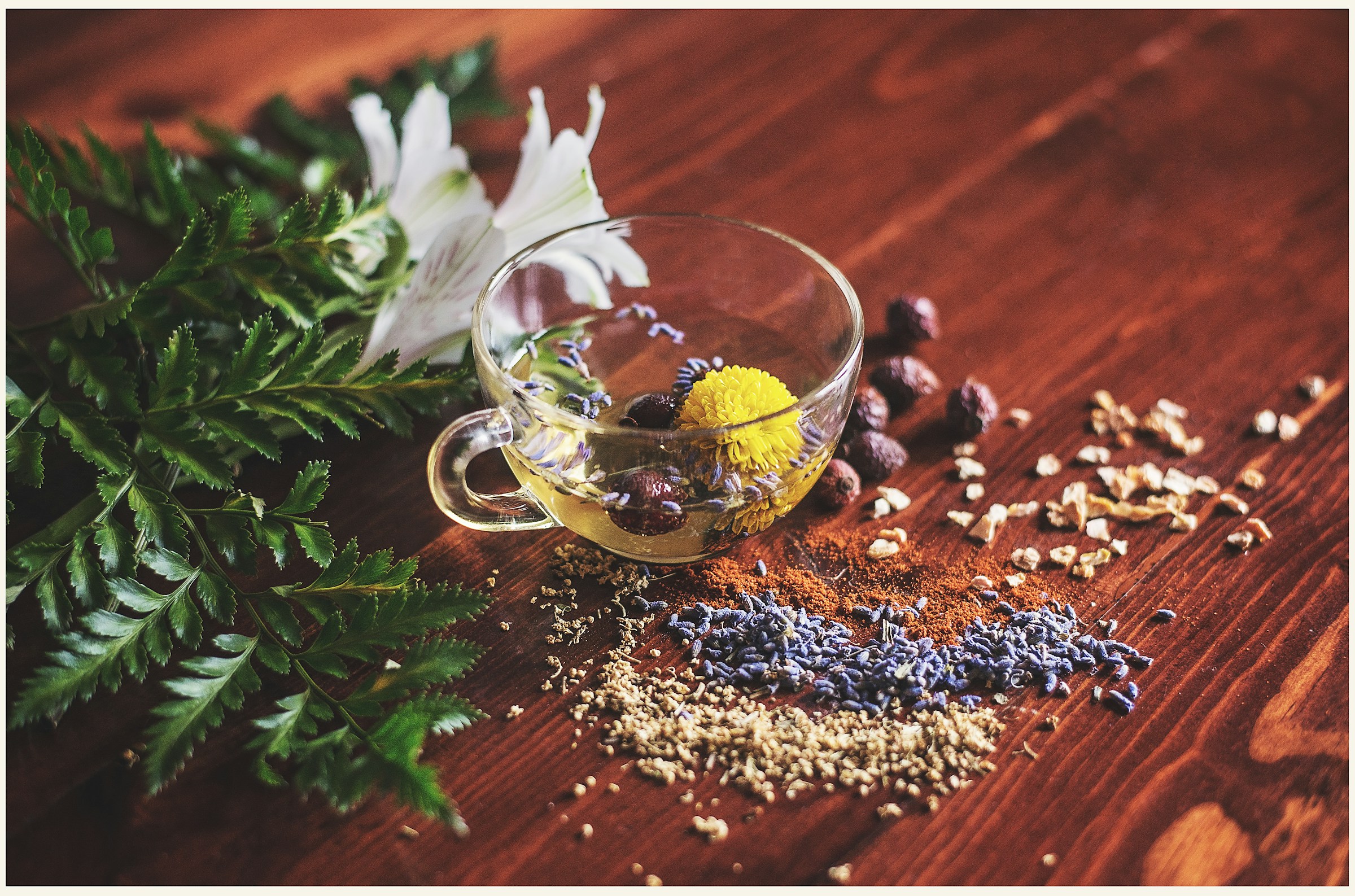
A tea cup containing various plants brewing tea.
A tea cup containing various plants brewing tea. Photo by Lisa Hobbs on Unsplash.

Herbal medicine frames the human body as a complex yet interconnected whole, with disease and illness understood as the result of imbalances among bodily functions. Obesity, for instance, is not seen simply as a consequence of dietary and lifestyle habits, but rather as a form of systemic disequilibrium. This article explores herbal treatments for obesity from five traditional medical systems: Traditional Chinese Medicine (TCM), Traditional Palestinian Medicine, Integrative Korean Medicine (IKM), Ayurveda, and Traditional Kampo Medicine. To contextualize their botanical formulas and treatment approaches, this discussion first examines the historical foundations and medicinal principles of each system.

Archaeological evidence, such as acupuncture needles and traces of herbal treatments, suggests that TCM dates back 4,000-8,000 years. Classical texts such as the Yijing and the Huangdi Neijing discuss core philosophical and medicinal theories of TCM, such as Yin-Yang and the Five Phases. TCM is centered on the belief that qi, the body’s vital energy, flows along meridians to maintain spiritual, emotional, mental, and physical balance. Health interventions therefore, aim to restore harmony between opposing forces, Yin and Yang. Within this framework, obesity is understood not simply as overeating, but as a complex constitutional imbalance. Treatments focus on harmonizing internal organ function, improving metabolism, and regulating qi, blood, and body fluids.

Traditional Palestinian herbal medicine developed through centuries of migration, cultural exchange, and experimentation with native flora. Early physicians documented medicinal plants and substantiated the evolving body of knowledge established through trial and error. Traditional Arab medicine was also influenced by the Sunnah, the teachings of Prophet Muhammad, which integrate spirituality with herbal healing. This philosophy underscores holistic care and the belief that nature provides balanced remedies for the body.

IKM combines herbal medicine and traditional therapies with contemporary Western biomedical diagnostics. Traditional Korean Medicine (TKM) is rooted in the diverse use of native plants like wormwood and garlic, alongside spiritual rituals. While influenced by Chinese medicine and Buddhist medical knowledge, TKM has evolved independently through texts such as Hyangyak Gugeupband, which emphasized local flora and emergency medicine. IKM observes a whole-person-centered approach, classifying patients into four body constitutions: Taeyangin, Soyangin, Taeeumin, and Soeuin. These classifications support patient-centric treatment plans that combine acupuncture and herbal medicine with Western diagnostic technologies such as MRI, X-rays, and blood panels.

Ayurveda is an ancient Indian system of medicine, traced to early schools of Hindu philosophical teachings, Vaishesika, and logic, Nyaya, from the second century B.C.E. Ayurveda understands health using three basic elemental humors, or doshas: Vata (circulation and digestion), Pitta (digestion and metabolism regulation), and Kapha (moisture and heaviness). In Ayurveda, obesity corresponds to imbalances among these forces, often associated with metabolic conditions such as Sthaulya or Medoroga, poor diet, sedentary behavior, and impaired digestive fire, the accumulation of toxins and fat deposits in the digestive system. Ayurvedic herbal remedies, traditionally described in poems called Shlokas, are intended to restore balance and improve metabolic function. 

Traditional Kampo medicine developed in Japan during the Edo period around 1600 A.D. Kampo medicine is defined by herbal formulas derived from plants, animals and minerals. Although rooted in Chinese tradition and East Asian natural philosophy, Kampo evolved independently due to Japan’s geographic and political seclusion. Kampo emphasizes symptom-based diagnosis while focusing on correcting systemic imbalance rather than suppressing symptoms. This holistic foundation supports therapeutic approaches aimed at correcting overall imbalances.

All five traditional systems of medicine share intertwined cultural, spiritual, and philosophical foundations. Many of their herbal healing formulas also overlap in purpose, particularly in the treatment of metabolic disorders such as obesity. 

Obesity is a chronic disease affecting around 135 million individuals worldwide. Increasing rates of obesity reflect lifestyle transitions, including sedentary habits, processed foods, and economic shifts that prioritize convenience over nutritional value. Although obesity is a physical condition, it is often accompanied by social and psychological consequences such as stigma, decreased productivity, and financial strain due to health-associated consequences. While pharmaceutical treatments provide an alternative to caloric deficits and excessive exercise, they pose their own set of adverse consequences. Instead, traditional herbal methods offer potential complementary and autonomous treatment options through formulas designed to moderate metabolic conditions. The following research examines five herbal treatment approaches for obesity from these five distinct traditional medical systems.

The first study introduces five TCM herbal formulas that show promising effects in obesity management, including support for weight loss, lipid metabolism, modulation of the gut microbiota , and antioxidant and anti-inflammatory effects. The first formula, lotus leaf charcoal, is composed of carbonized lotus leaves, which are believed to improve digestion, promote urination, and lift Yang to stop diarrhea. Carbonization also enhances the leaves’ astringent and absorptive properties, aiding gastrointestinal metabolism and fat excretion. The second formula, Qing Shen San, combines herbs to improve spleen and stomach function, eliminate dampness and phlegm, replenish qi and blood, and regulate metabolism. The third formula, Da Chai Hu Tang, is traditionally used to soothe the liver, relieve stagnation, reduce internal heat, and improve bowel function. Research suggests it may also reduce hepatic fat accumulation and inflammation by remodeling the gut microbiota. The fourth formula, seaweed slimming decoction, serves to soften masses, resolve phlegm, promote urination, and reduce swelling. Lastly, the Qing Dynasty Imperial Slimming Tea blend supports digestion and gastrointestinal function, regulates qi, and boosts metabolism. These formulas all show promising effects for obesity management and pharmaceutical supplementation. Researchers also identified five recurring herbs across the formulas, including lotus leaf, poria, hawthorn, astragalus, and alisma. 

The second study assessed the biological activity and toxicity of two traditional Palestinian herbal blends used for anti-obesity purposes. The first herbal blend included tea, ginger, cumin, stinking chamomile, cinnamon, and natural apple cider vinegar, while the second included cinnamon, turmeric, garlic, and black pepper. Researchers evaluated the blends for antioxidant, anti-fibrotic, anti-obesity, anti-diabetic, and cytotoxic properties. Both blends demonstrated potent anti-fibrotic, anti-oxidant, and anti-cancer activities, although the second herbal blend produced significantly more potent effects. The blends also showed moderate activity against digestive enzymes α-amylase and lipase, suggesting limited anti-obesity effects. The authors cautioned individuals to use these herbal blends under professional supervision due to the possible cytotoxic effects of some anti-cancer herbs. 

The third article presented an observational study examining the efficacy and safety of IKM treatments for weight loss. Treatments combined herbal medicine with lifestyle modification and therapies such as pharmacopuncture, thread embedding acupuncture, and detoxification therapy. Researchers reviewed 3,161 patients with obesity (BMI> 30 kg/m²). Among these patients, 2,146 experienced at least 5% weight loss. Researchers further analyzed 24 “best case” patients who reduced their BMI to below 23 kg/m² to evaluate ongoing weight-loss maintenance. All patients received the herbal decoction Daeat-tang, while 83.33% also received a personalized formula, commonly including Fangji Huangqi-tang, Daeat-tang, and Wuling Zhengqi-san. The researchers concluded that these treatments were successful and safe strategies for obesity management, particularly for individuals who struggled with conventional nondrug treatments. Despite these positive outcomes, the study lacked a placebo control group and relied heavily on a “best-case-scenario” model of success. The study also struggled to isolate the effects of herbal treatments from those of the lifestyle modifications. 

The fourth study evaluated the safety and efficacy of two different Ayurvedic herbal blends, Vidanga Churna (VDC) and Vyoshadi Guggulu (VSG), using a prospective, open-label, multicenter clinical design. This study included 100 obese patients, 86 of whom completed the 12-week trial. Participants were administered the VSG formula three times daily and the VDC formula twice daily. VDC has been associated with reductions in serum lipase activity, cholesterol, and triglycerides, suggesting potential benefits in preventing lipid abnormalities, insulin resistance, and obesity. Similarly, VSG contains ingredients that target digestion, metabolism, and anti-inflammatory activity. Researchers observed significant reductions in waist circumference and a slight decrease in BMI, alongside improvements in sleep quality, bowel habits, pulse consistency, physical health parameters, and urine output. The findings suggest that these Ayurvedic formulas may enhance metabolism and systemic balance without caloric restriction or high-intensity exercise, producing a safe, effective, and viable complementary treatment option for obesity. 

The fifth study reviewed the literature on the role of gut microbiota in the pharmacological effects of Kampo herbal medicine formulas, particularly Bofutsushosan (BTS), Daiokanzoto, Daikenchuto, and Hangeshashinto. Among these, BTS demonstrated the most notable anti-obesity potential, attributed in part to its ability to increase energy expenditure by activating uncoupling protein 1 in white adipose tissue while limiting intestinal lipid absorption. Its effects were also associated with modulation of the gut microbiota. Additionally, BTS may promote the proliferation of Akkermansia Muciniphila, a beneficial bacterium that resides in the human intestinal lining and is associated with improved metabolic health and reduced obesity. Together, these findings highlight the growing importance of modulating the gut microbiota in understanding the therapeutic efficacy of Kampo herbal medicine for obesity.

Tags: Ayurveda, herbal healing, Herbal medicine, Integrative Korean Medicine (IKM), metabolic condition, Obesity, Palestinian herbal medicine, Traditional Chinese Medicine (TCM), Traditional Kampo Medicine, traditional medicine

Research Glossary

Research has its own vocabulary. To help you decipher research, we created a Glossary to ease the way.
You may access it here: Research Glossary

Referenced Research Publications

Natural Product Communications
2026, February 8

Mechanistic Insights into Selected Traditional Chinese Medicine Formulas and Their Key Herbs for Weight Management

Abstract

With the global prevalence of obesity continuing to rise, there is increasing interest in weight-loss strategies that are both effective and associated with minimal side effects. Compared to conventional pharmacological treatments, which often involve adverse effects, Traditional Chinese Medicine (TCM) emphasizes holistic regulation and con-stitution-based therapy, offering a gentler approach to weight management. This review integrates insights from classical texts and modern scientific research to introduce five classic TCM weight-loss formulas: Lotus Leaf Charcoal FormulaQing Shen SanDa Chai Hu TangSeaweed Slimming Decoction, and the Qing Dynasty Imperial Slimming Tea. Their compositions, traditional indications, and pharmacological mechanisms are discussed. Representative herbs, such as Lotus leaf, Poria, Hawthorn, Astragalus, and Alisma, have been further examined for their regulatory effects on lipid metabolism, insulin sensitivity, gut microbiota, and adipocyte differentiation. Evidence suggests that these herbs may exert anti-obesity effects by modulating key signaling pathways, including PPAR-α, SREBP-1c, and AMPK. The alignment of traditional herbal formulations with modern biomedical mechanisms provides a scientific basis for developing integrated therapeutic strategies in obesity management.

Reference

Liao, Y.-H., Wang, L.-K., & Tsai, F.-M. (2026). Mechanistic insights into selected traditional chinese medicine formulas and their key herbs for weight management. Natural Product Communications, 21(2), 1934578X261418804. https://doi.org/10.1177/1934578X261418804

Scientific Reports
2024, January 22

Assessing the therapeutic potential and safety of traditional anti-obesity herbal blends in Palestine

Abstract

The use of traditional herbal remedies has been a common practice for centuries across different cultures to treat various ailments. In Palestine, traditional herbal medicines are widely used, but their efficacy and safety have not been thoroughly investigated. Therefore, the purpose of this study was to assess the biological activity and toxicity of two traditional herbal blends often used to treat obesity in the West Bank region of Palestine. Two herbal blends with a total of eight plants were chosen based on their historic use and availability. The plant aqueous extracts were evaluated for their antioxidant, anti-fibrotic, anti-obesity, anti-diabetic, and cytotoxic activities. The results showed that these blends have potent antifibrotic, antioxidant, and anticancer activities. While their activities on α-amylase and lipase enzymes (main targets) showed moderate activities. Therefore, our results showed that Herbal Blend 2 was more potent than Herbal Blend 1 on all investigated targets. Herbal Blend 2 showed significant activities as an antioxidant, antifibrotic, and anticancer activities with IC50 values of 68.16 ± 2.45, 33.97 ± 1.14, and 52.53 ± 0.78 µg/mL against DPPH, LX-2, and MCF-7 cell lines, respectively. While it is IC50 values on α-amylase and lipase enzymes were 243.73 ± 1.57 and 1358.39 ± 2.04 µg/mL, respectively. However, the use of anti-cancer plants can be challenging due to their cytotoxic effects on the body. We urge individuals to exercise caution when using natural remedies and to seek medical advice before incorporating them into their health regimens. This study provides valuable insight into the potential health benefits of traditional herbal remedies and emphasizes the importance of responsible usage.

Reference

Hawash, M., Jaradat, N., Salhi, N. A., Shatreet, B., Asbah, A. A., & Hawash, Y. H. (2024). Assessing the therapeutic potential and safety of traditional anti-obesity herbal blends in Palestine. Scientific Reports, 14(1), 1919. https://doi.org/10.1038/s41598-024-52172-7

Pharmaceuticals
2025, September 17

Herbal Medicine and Lifestyle Modifications for People with Obesity: A Single-Center, Retrospective, Observational Study

Abstract

Objectives

Conventional Western treatments for obesity are associated with various adverse events (AEs). This study aimed to determine the treatment response and safety assessment of an integrative Korean medicine treatment (IKMT), consisting of herbal medicine (HM) and lifestyle modification (LM), for weight loss (WL) in people with obesity.

Methods

The electronic medical records of outpatients from July 2021 to May 2023 at a Daeat Korean medicine clinic in Seoul were retrospectively reviewed. A total of 3161 patients were evaluated using bioelectrical impedance analysis (BIA) and blood pressure (BP) index. Moreover, the treatment response to IKMT in the 24 best cases (WL within BMI < 23 kg/m2) was evaluated using BIA and BP index, and the safety profile was determined by analyzing AEs.

Results

The mean age was 38.2 ± 11.39 years, and the mean duration of treatment was 142.62 ± 104.92 days (approximately 20 weeks). The mean WL was 8.02 ± 6.67 kg (change from the baseline, 8.71%). Of the 3161 participants, 2146 had a WL of ≥5%. The best-case subgroup (n = 24; age 36.54 ± 11.64 years) achieved 23.02 ± 4.07 kg WL and reached BMIs < 23 kg/m2 in 7.83 ± 2.54 months; among those with BP indices available (n = 21), reductions were statistically significant. In this subgroup, the mean treatment duration was 8.71 ± 2.46 months (range, 5–15), exceeding the 6-month safety guideline for Ephedrae Herba-containing HM, and no serious AEs were observed. At the 7-month follow-up, 11 patients maintained a statistically significant WL.

Conclusions

This is the first Korean study to apply the professional collaboration of IKMT and dietician-led LM to people with obesity. IKMT combined with LM appears to be a safe and effective approach for obesity management. Prospective studies are needed to confirm these findings and establish standardized treatment protocols.

Reference

Bang, M., Shin, S., Kim, J., Kang, M., Lee, D., Kim, J., Kim, C., Son, J., Choi, S., Jeon, S., Park, D., Kang, B., & Leem, J. (2025). Herbal medicine and lifestyle modifications for people with obesity: A single-center, retrospective, observational study. Pharmaceuticals, 18(9), 1396. https://doi.org/10.3390/ph18091396

Global Advances in Integrative Medicine and Health
2025, July 2

Clinical Safety and Efficacy of Ayurveda Multi-Herbal Formulation in the Management of Obesity

Abstract

Background

Obesity is a medical condition characterized by the excessive accumulation of body fat, which adversely impacts health. It is primarily caused by a combination of overeating, physical inactivity, and genetic predisposition. In Ayurveda, obesity corresponds to conditions such as Sthaulya and Medoroga. Ayurvedic formulations like Vyoshadi Guggulu (VSG) and Vidanga Churna (VDC) are commonly prescribed for managing obesity despite limited scientific validation. This study aimed to evaluate the safety and efficacy of VSG and VDC in individuals with obesity.

Methods

A prospective, open-label, multicenter clinical study was conducted at 2 peripheral centres of the Central Council for Research in Ayurvedic Sciences (CCRAS). A total of 100 obese patients who met the selection criteria were recruited from outpatient departments and administered VSG (1 gm thrice daily after meals with lukewarm water) and VDC (3 gm twice daily after meals) for 12 weeks. Participants were followed up for an additional 2 weeks without medication.

Results

Statistically significant improvements were observed in key symptoms, including polyphagia, polydipsia, excessive sweating, excessive sleep, body fatigue, and dyspnea on exertion (DOE), which was initially reported by 36 participants but reduced markedly over the study period. While most participants had moderate physical activity capacity (Vyayama Shakti), some experienced exertional breathlessness, which improved with intervention. Significant reductions were also noted in BMI (P = 0.016), waist circumference (P = 0.043), and serum cholesterol levels (P = 0.002), with no adverse drug reactions reported.

Conclusion

This study demonstrates that the combination of VSG and VDC is effective and safe for managing obesity. Statistically significant improvements in anthropometric parameters and clinical symptoms highlight the potential of these Ayurvedic formulations as complementary therapies for obesity management.

Reference

Giri, S. K., Vedi, S. K., Doddamani, S., Naik, R., Sharma, S., Gavali, K., Sharma, B. S., Khanduri, S., Mahajon, B., Tripathi, A., Rana, R. K., Rao, B. C. S., & Srikanth, N. (2025). Clinical safety and efficacy of ayurveda multi-herbal formulation in the management of obesity. Global Advances in Integrative Medicine and Health, 14, 27536130251356447. https://doi.org/10.1177/27536130251356447

Journal of Natural Medicines
2025, October 10

Role of the gut microbiota in the pharmacological effects of traditional Kampo medicine and natural products

Abstract

The human gastrointestinal tract harbors over a thousand coexisting bacterial species that together constitute a highly complex intestinal microbiome. Dysbiosis of this microbial ecosystem has been implicated in the pathogenesis of disorders such as ulcerative colitis and obesity and has driven the development of microbiota-targeted prevention and treatment strategies. Traditional Kampo medicines are used with the aim of restoring the balance of the whole body, having been developed and established uniquely in Japan based on traditional Chinese medicine with a history of over two millennia. Recent evidence has revealed that the gut microbiota plays critical roles in the pharmacological effects of traditional Kampo medicines. For example, the anti-obesity activity of Bofutsushosan has been linked to an increase in Akkermansia muciniphila. The laxative effect of Daiokanzoto is related to rheinanthrone, which is produced from sennoside A through the gut microbiota, and drugs and foods that can alter the gut microbiota change the laxative activity of Daiokanzoto. In recent years, clinical trials have been conducted to examine the relationship between changes in the gut microbiota and the pharmacological effects of Kampo medicines, and this relationship has come to the forefront. This review discusses the findings of basic and clinical research on the role of the gut microbiota in the pharmacological action of traditional Kampo medicines, focusing on Bofutsushosan, Daiokanzoto, Daikenchuto, and Hangeshashinto, and discusses future issues and prospects for research into these interactions.