
Center for Traditional Medicine

CTM Curated Research

Traditional Chinese Medicine: A Complementary Approach to Cancer Treatment

For thousands of years, Traditional Chinese Medicine (TCM) has been a system of healing. It focuses on holism, meaning the body is treated as an interconnected system rather than a series of separate parts. Balance and prevention are emphasized, as imbalance can lead to illness. In China, where TCM is commonly used alongside modern treatments, researchers are exploring the complementary properties of TCM and liver cancer treatment. Although further studies are needed, initial research suggests that combining conventional treatment with TCM may lead to better outcomes.

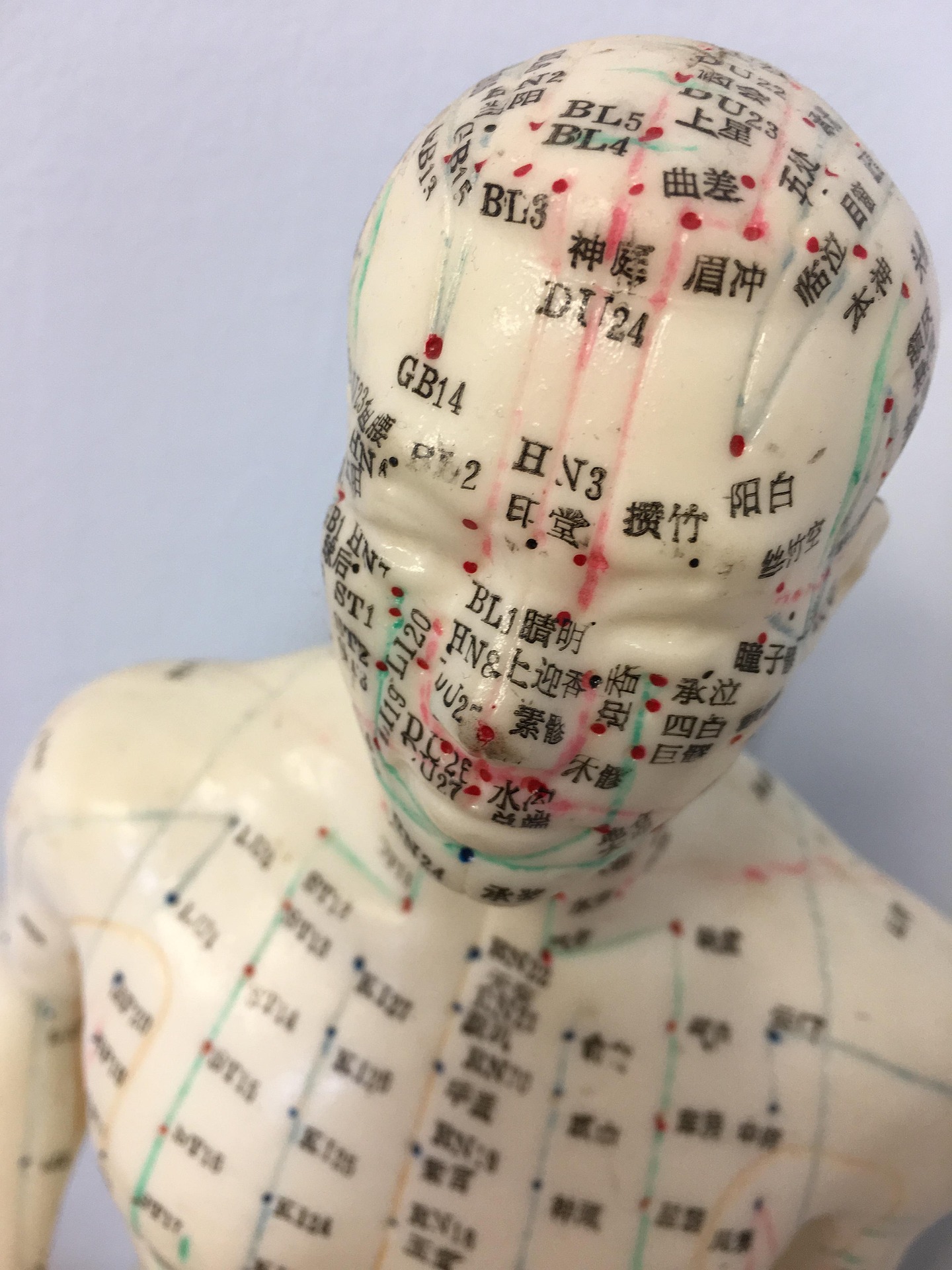
Mannequin with Traditional Chinese Medicine acupuncture points.
Mannequin with Traditional Chinese Medicine acupuncture points. Image by AnShenTCM from Pixabay

Liver Cancer is the sixth most diagnosed cancer in the world and the fourth leading cause of cancer-related deaths. Even with advancements, survival rates can vary depending on the stage of the cancer and available treatments.

 Researchers are now working to find complementary cancer treatments. In China, traditional techniques for strengthening the liver are often combined with conventional medicine. Evidence of a complementary link has been found between the two. It was also uncovered that TCM can alleviate symptoms associated with cancer therapies.

More studies must be conducted in order to ensure a smooth and safe integration of TCM alongside conventional approaches.

Let’s review together five recent studies that explore how the benefits of TCM are  being explored and studied alongside conventional treatments:

The first study is a review article from China that describes how conventional treatments alone aren’t always effective for liver cancer and highlights the benefits of combining TCM with them. This is because TCM focuses on treating the whole body, not just the cancer. Some results of the study included inhibiting metastasis (when a tumor spreads), reducing resistance to cancer drugs, and regulating the immune system. These findings suggest that combining TCM with conventional treatments improves outcomes by restoring balance to the body and treating the cancer itself, although more studies are needed.

The second study emphasized the importance of a collaborative approach for treating liver cancer and the complementary nature of using TCM with conventional treatments. It described how TCM uses multiple biological pathways to attack tumors. There was also a discussion of future studies that aim to use TCM ingredients, such as Huaier Granule fungus, to develop cancer drugs. Despite the promise, more studies are needed to assess the treatment’s safety and effectiveness.

The third study describes how a formulation of TCM known as Fuzheng  Jiedu Xiaoji (11 medicinal components) was effective in treating liver cancer when combined with TACE, a conventional cancer treatment (delivering chemotherapy to a tumor while cutting off its blood supply). A clinical trial with one group of patients receiving just conventional treatment and another receiving Fuzheng Jiedu Xiaoji in combination with conventional treatment. The group that received TCM in combination with conventional treatment showed improved overall survival and progression-free survival. The study also discovered that the formula can reduce tumor growth and spreading via the AKT/CyclinD1/p21/p27 pathway. Although further studies are needed, these results suggest that combining TCM with TACE is a promising treatment.

The fourth article discusses using TCM to manage symptoms in cases of advanced cancer, especially when conventional treatment, on its own, is no longer effective. It describes how symptoms such as pain, nausea, vomiting, fatigue, and loss of appetite can negatively affect quality of life and overall survival. A variety of TCM treatments, such as acupuncture, herbal medicine, and topical treatments, were found to reduce these symptoms and improve patients’ well-being. The article also made reference to how these symptoms can impact patients’ mental health and emphasized the importance of supportive care and counseling to maintain a positive mental state. All in all, though more studies are needed, TCM appears to have a positive effect on cancer-related symptoms.

The fifth study is a review article that describes how various TCM formulas can manage liver cancer symptoms and underlying processes. It describes evidence that TCM can improve the quality of life and, under certain circumstances, extend survival. Some studies have shown improved disease-free survival and longer overall survival in patients who received TCM in conjunction with conventional treatment. This was due to TCM inhibiting cancer cell growth and tumor blood vessel formation. TCM also helps patients to manage symptoms such as low blood cell counts, nausea, and vomiting from treatments such as chemotherapy. Despite the promising start, more clinical trials are needed to assess the treatment’s effectiveness.

Tags: HCC, Liver Cancer, Traditional Chinese Medicine

Research Glossary

Research has its own vocabulary. To help you decipher research, we created a Glossary to ease the way.
You may access it here: Research Glossary

Referenced Research Publications

Genes & Diseases
2020, August 20

Traditional Chinese medicine as supportive care for the management of liver cancer: Past, present, and future

Abstract

Liver cancer is the sixth most commonly diagnosed cancer and the fourth leading cause of cancer death worldwide. Western medicine and therapies are the primary treatment strategies of hepatocellular carcinoma (HCC), but the general prognosis for HCC patients is still dismal. Under these circumstances, HCC prevention is particularly important. Traditional Chinese medicine (TCM) encompasses a wealth of documented therapeutic resources, and “preventative treatment” is the principle of TCM. In China, TCM has been used for HCC prevention for thousands of years, and has also been demonstrated to be effective for the treatment of HCC in modern China. However, the TCM theory for prevention and treatment of HCC is more widely accepted in China than abroad. In this review, we first summarize the herbs and ancient formulas with therapeutic effects on HCC. We also review the research status of TCM in modern medicine as well as the current obstacles in its development. Finally, we discuss the future of TCM in the context of precision and integrated medicine. After reviewing the literature, we believe that TCM, through ancient development, is an advanced method of cancer treatment with positive curative effects, despite its surrounding controversy. Furthermore, precise analyses and systematic research methods provides novel approaches to modernize TCM for the future.

Reference

Xia Liao, Yang Bu, Qingan Jia, Traditional Chinese medicine as supportive care for the management of liver cancer: Past, present, and future, Genes & Diseases, Volume 7, Issue 3, 2020, Pages 370-379, ISSN 2352-3042, https://doi.org/10.1016/j.gendis.2019.10.016

Molecular cancer
2024, October 1

Traditional Chinese medicine for the treatment of cancers of hepatobiliary system: from clinical evidence to drug discovery

Abstract

Hepatic, biliary, and pancreatic cancer pose significant challenges in the field of digestive system diseases due to their highly malignant nature. Traditional Chinese medicine (TCM) has gained attention as a potential therapeutic approach with long-standing use in China and well-recognized clinical benefits. In this review, we systematically summarized the clinical applications of TCM that have shown promising results in clinical trials in treating hepatic, biliary, and pancreatic cancer. We highlighted several commonly used TCM therapeutics with validated efficacy through rigorous clinical trials, including Huaier Granule, Huachansu, and Icaritin. The active compounds and their potential targets have been thoroughly elucidated to offer valuable insights into the potential of TCM for anti-cancer drug discovery. We emphasized the importance of further research to bridge the gap between TCM and modern oncology, facilitating the development of evidence-based TCM treatment for these challenging malignancies.

Reference

Wu, J., Tang, G., Cheng, C. S., Yeerken, R., Chan, Y. T., Fu, Z., Zheng, Y. C., Feng, Y., & Wang, N. (2024). Traditional Chinese medicine for the treatment of cancers of hepatobiliary system: from clinical evidence to drug discovery. Molecular cancer23(1), 218. https://doi.org/10.1186/s12943-024-02136-2

Phytomedicine
2021, May 11

Fuzheng Jiedu Xiaoji formulation inhibits hepatocellular carcinoma progression in patients by targeting the AKT/CyclinD1/p21/p27 pathway

Abstract

Background

Hepatocellular carcinoma (HCC) is a common malignant tumor with limited treatment options. Conventional antitumor therapy combined with traditional Chinese medicine (TCM) to limit tumor progression has gradually become the focus of complementary and alternative therapies for HCC treatment. The Fuzheng Jiedu Xiaoji formulation (FZJDXJ) alleviates the clinical symptoms of patients and inhibits tumor progression, but its curative effect still requires extensive clinical research and mechanistic analysis.

Purpose

To explore the effectiveness of FZJDXJ in HCC patients and investigate its biological function and mechanism underlying anticancer therapy.

Methods

This randomized controlled clinical trial enrolled 291 HCC patients receiving transcatheter arterial chemoembolization (TACE) therapy; patients received either FZJDXJ combined with standard treatment, or standard treatment alone, for 48 weeks. Statistical analyses were performed according to survival time at the end of the trial. The main constituents of the FZJDXJ extracts were identified and evaluated using high-performance liquid chromatography-tandem mass spectrometry (HPLC-MS/MS) and molecular docking. The antitumor effects of FZJDXJ and its specific biological mechanism of action were studied.

Results

After 48 weeks of treatment, one-year overall survival (OS) and progression-free survival (PFS) were significantly different between the two groups. Co-administration of FZJDXJ and TACE prolonged the OS of HCC patients, especially in BCLC A or B stage. FZJDXJ and TACE treatment effectively extended the PFS of patients, especially in the BCLC B stage. HPLC-MS/MS identified 1619 active constituents of FZJDXJ, including formononetin, chlorogenic acid (CGA), caffeic acid, luteolin, gallic acid, diosgenin, ergosterol endoperoxide, and lupeol, which may function through the AKT/CyclinD1/p21/p27 pathways. Through molecular docking, CGA and gallic acid could effectively combine with Thr308, an important phosphorylation site of AKT1. FZJDXJ inhibited tumor growth in nude mice. In vitro, FZJDXJ-mediated serum inhibited the proliferation, migration, and invasion of liver cancer cells, and promoted cell apoptosis.

Conclusion

Clinically, FZJDXJ combined with TACE therapy significantly prolonged OS and PFS and reduced the mortality rate of HCC patients. Mechanistically, FZJDXJ effectively inhibited the proliferation and migration of liver cancer cells through the modulation of the AKT/CyclinD1/p21/p27 pathways, and may be a promising TCM drug for anti-HCC therapy.

Reference

Xue Yang, Ying Feng, Yao Liu, Xieqiong Ye, Xiaomin Ji, Le Sun, Fangyuan Gao, Qun Zhang, Yuxin Li, Bingbing Zhu, XianBo Wang, Fuzheng Jiedu Xiaoji formulation inhibits hepatocellular carcinoma progression in patients by targeting the AKT/CyclinD1/p21/p27 pathway, Phytomedicine, Volume 87, 2021, 153575, ISSN 0944-7113, https://doi.org/10.1016/j.phymed.2021.153575

Annals of palliative medicine
2013, March 26

Traditional Chinese medicine in the treatment of symptoms in patients with advanced cancer

Abstract

Patients with advanced malignancies are often suffered from deficient vital qi, which is clinically presented as cancer-related pain, anorexia, nausea/vomiting, fatigue, fever, indigestion, and constipation, which severely lower the quality of life and even shorten the survival of these patients. Traditional Chinese medicine (TCM) has a long history and rich experiences in treating malignancies. In addition to surgery, radiotherapy, chemotherapy, and other modern therapies, the TCM-based treatment can dramatically alleviate the clinical symptoms and improve the quality of life. This article analyzes the TCM treatment for the cancer pain, nausea/vomiting and cancer-related fatigue in patients with advanced malignancies, and the TCM-based emotional care for these patients are also discussed.

Reference

Ling Y. (2013). Traditional Chinese medicine in the treatment of symptoms in patients with advanced cancer. Annals of palliative medicine2(3), 141–152. https://doi.org/10.3978/j.issn.2224-5820.2013.04.05

World journal of hepatology
2018, November 27

Role of traditional Chinese medicine in the management of patients with hepatocellular carcinoma

Abstract

Traditional Chinese Medicines (TCMs) have been employed for centuries in the treatment of patients with hepatocellular carcinoma (HCC). Previous reviews of this topic have focused on certain aspects of TCM treatment rather than an overall assessment of their value and mechanisms of action. Both the Chinese and English medical literatures were reviewed to identify where TCM might be of value in the treatment of HCC and the justification for such treatment. TCM treatment corrects the “internal disequilibriums” thought to be responsible for the development, growth, and spread of the tumor. It has also been used to manage symptoms associated with HCC and the adverse effects of chemo- and radiation-therapies. Recent research has documented the precise effects of TCM on tumor biology. There are also increasing efforts to identify which of the many components of TCM herbal remedies are primarily responsible for these beneficial effects. This review outlines the benefits of TCM treatment of HCC and the laboratory data describing their anti-tumor properties.

Reference

Xi, S. Y., & Minuk, G. Y. (2018). Role of traditional Chinese medicine in the management of patients with hepatocellular carcinoma. World journal of hepatology10(11), 799–806. https://doi.org/10.4254/wjh.v10.i11.799