
CTM Research Library
Traditional Medicine, Indigenous Knowledge Systems and Integrative Healing
Categories
The Latest Research
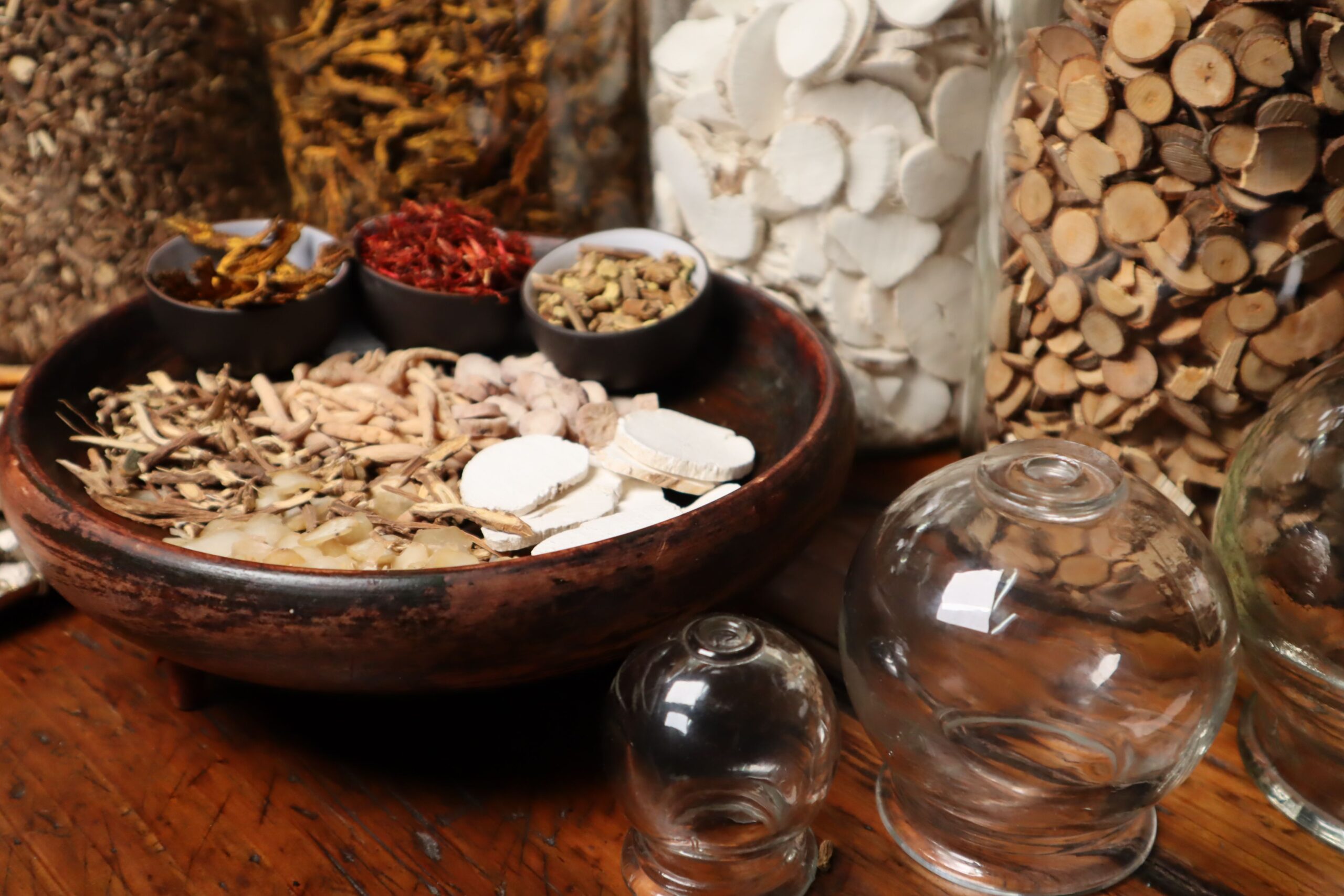
Traditional Chinese Medicine: An Alternative Approach to Treat Type 2 Diabetes
Traditional Chinese Medicine (TCM) has been used for thousands of years to treat not only symptoms, but also the underlying ailments that cause them. Type 2 diabetes is one such condition. Studies are now being carried out to identify and document potential benefits of various TCM methods in hopes that effective approaches could one day become mainstream.
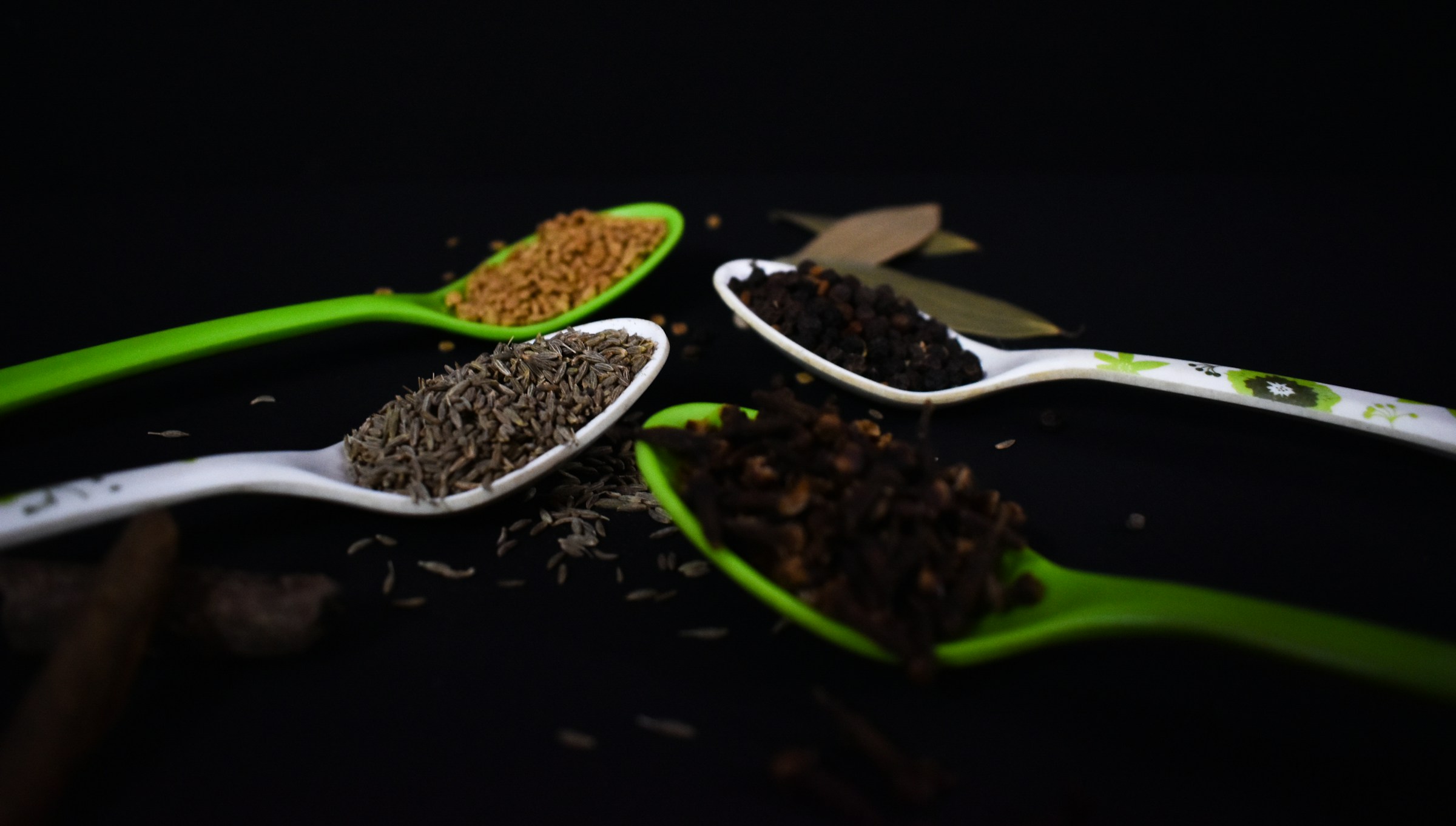
Traditional Herbal Medicine: Botanical Interventions for the Treatment and Management of Type 2 Diabetes Mellitus
Type II diabetes mellitus (T2DM) is a leading health concern, particularly for communities experiencing food insecurity and limited food sovereignty. Ethnobotanical treatment and management strategies have shown promising potential in addressing the rising prevalence of T2DM.
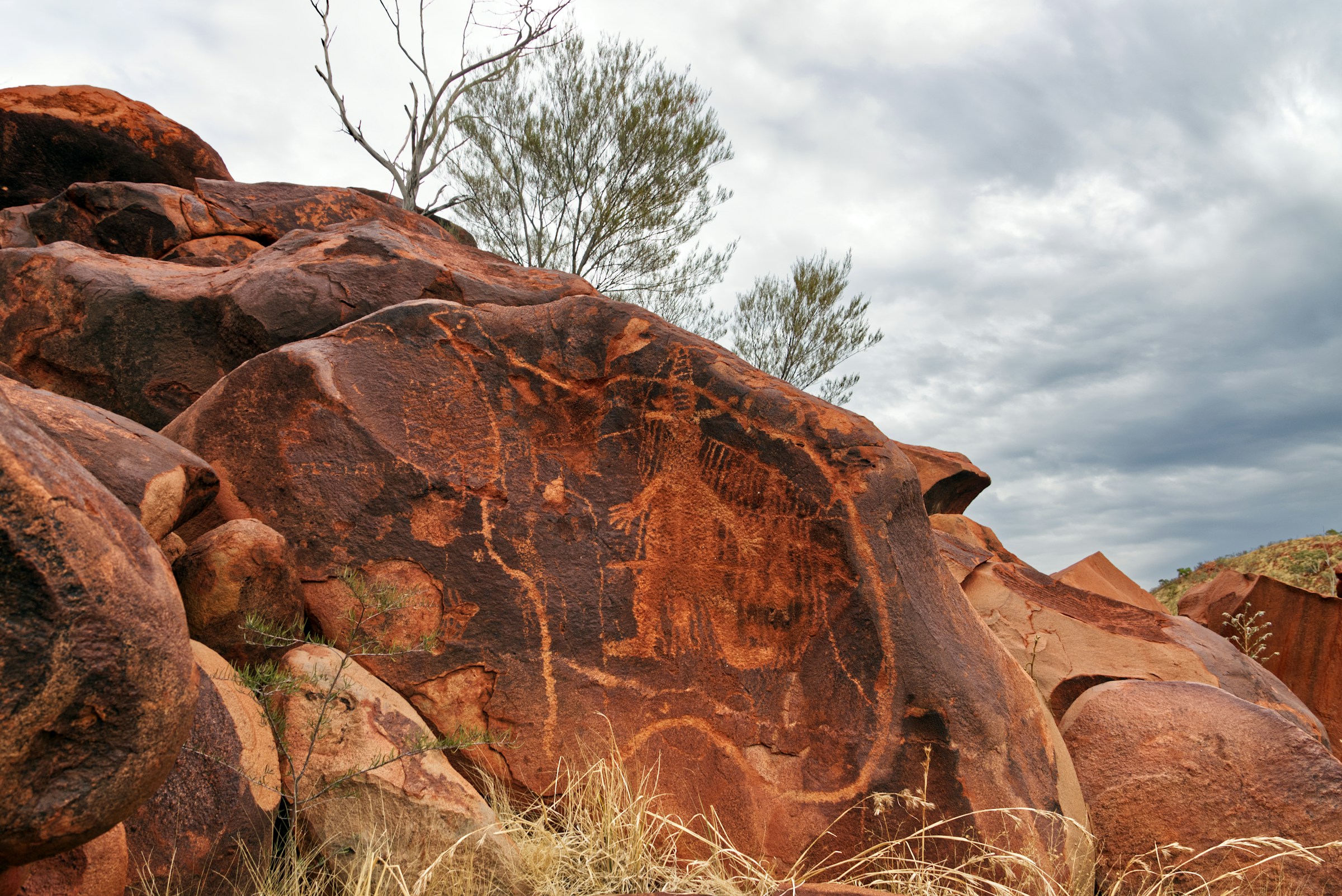
Aboriginal Australian Bush Flora: Species Composition, Anti-Inflammatory Properties, and Clinical Application
Australian bush medicine is a vast pharmacopeia representing 60,000 years of healing history. Rooted in holistic wellness and incorporating nearly 1,500 native plant species, these endemic plants have demonstrated promising therapeutic potential. Clinical researchers are beginning to explore the integrative applications of Australian bush plants, particularly for their anti-inflammatory and antioxidant properties.
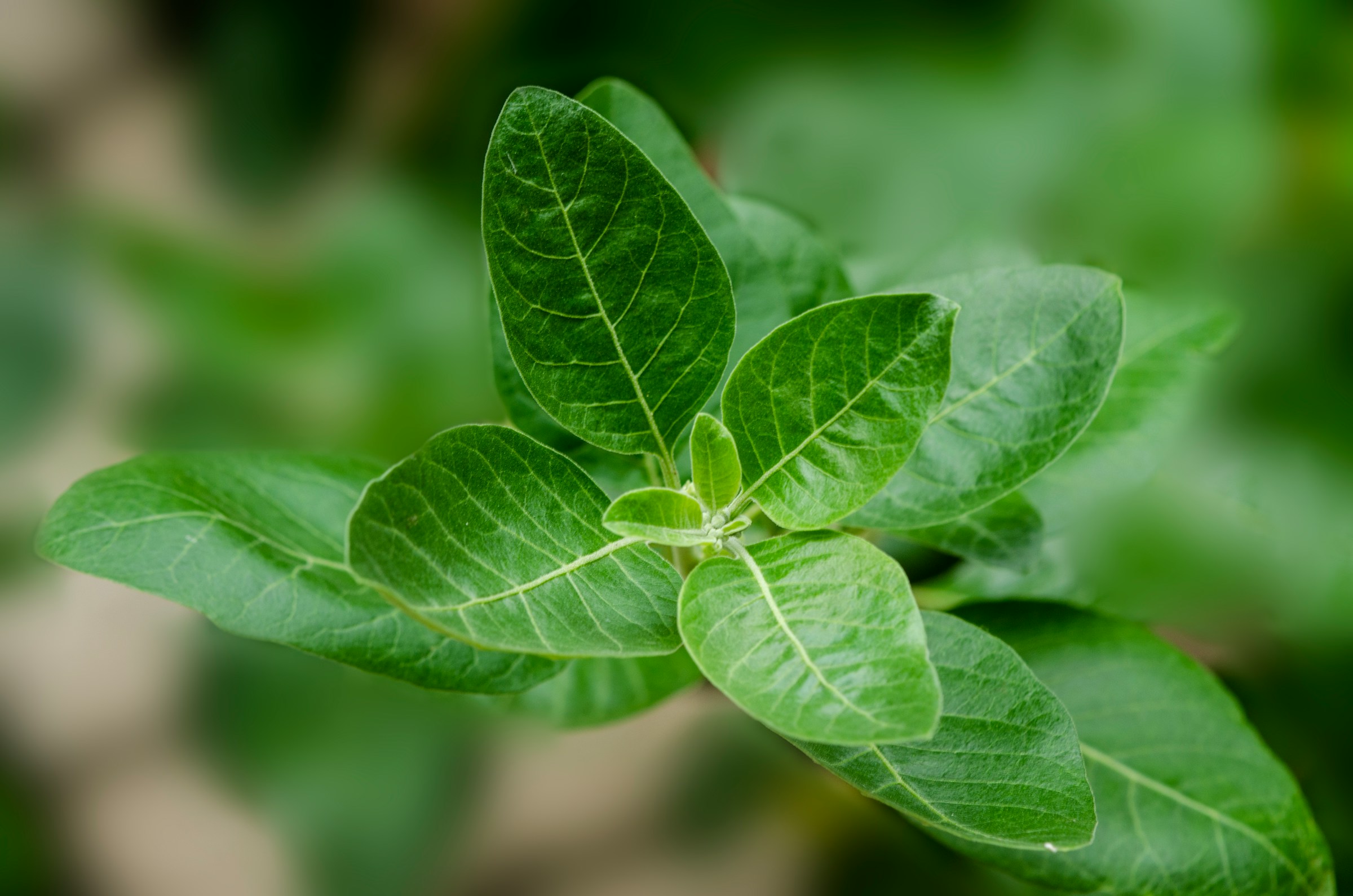
Ashwagandha for Athletes: The Effects of Ashwagandha Supplementation on Athletic Performance and Muscle Recovery
Ashwagandha, an herb traditionally used in Ayurvedic healing, has been widely adopted and integrated into public consumption and Western medical research. In athletes, ashwagandha supplementation may support muscle recovery, reduce oxidative stress, and improve strength- and endurance-related fitness measures.
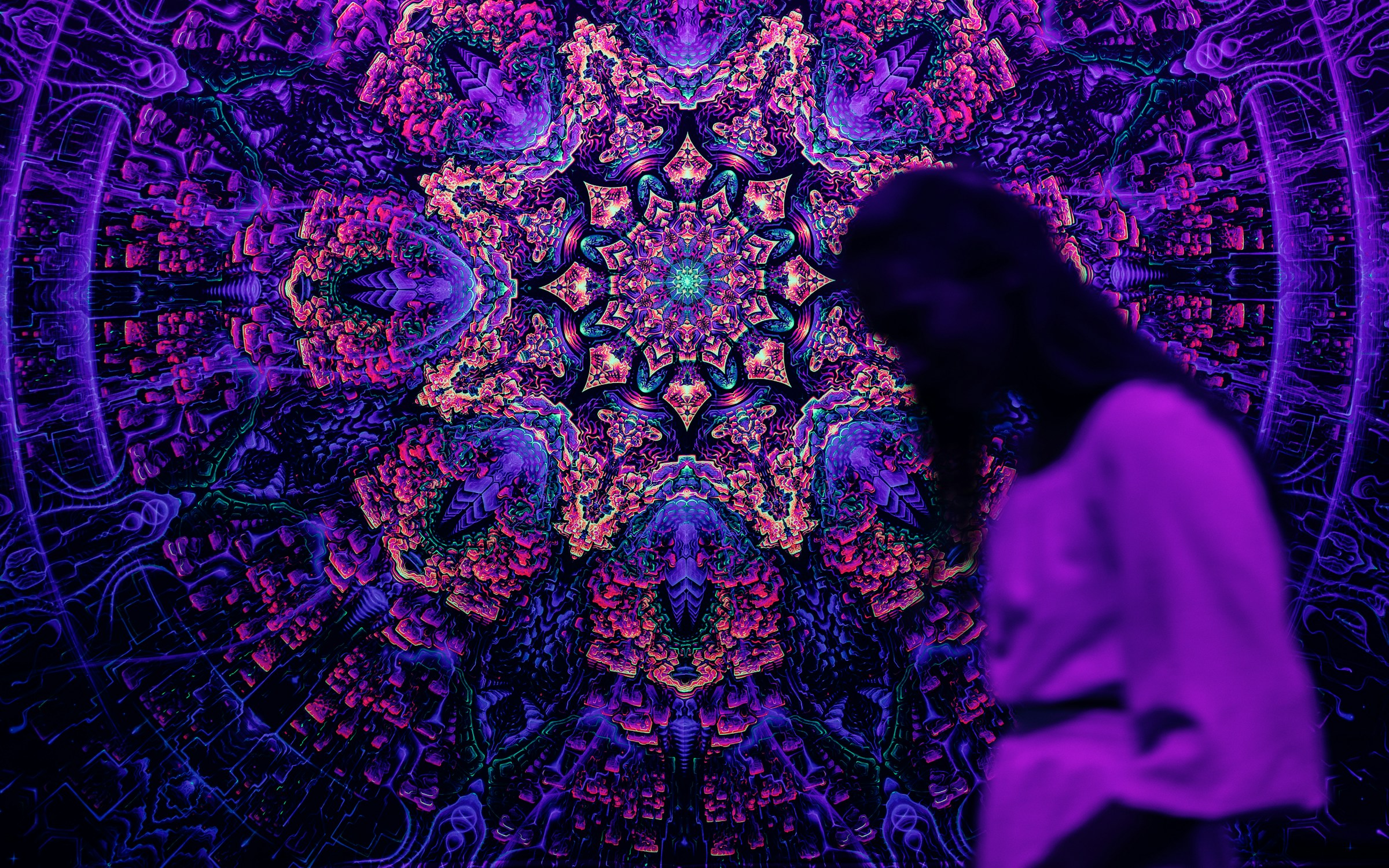
Psychedelic Assisted Therapy, Research and Indigenous Sovereignty
The first study, by Best, et al is a cross-sectional survey, examined PAT awareness and perceptions among 85 cancer patients in Aotearoa, New Zealand, with an emphasis on including Māori
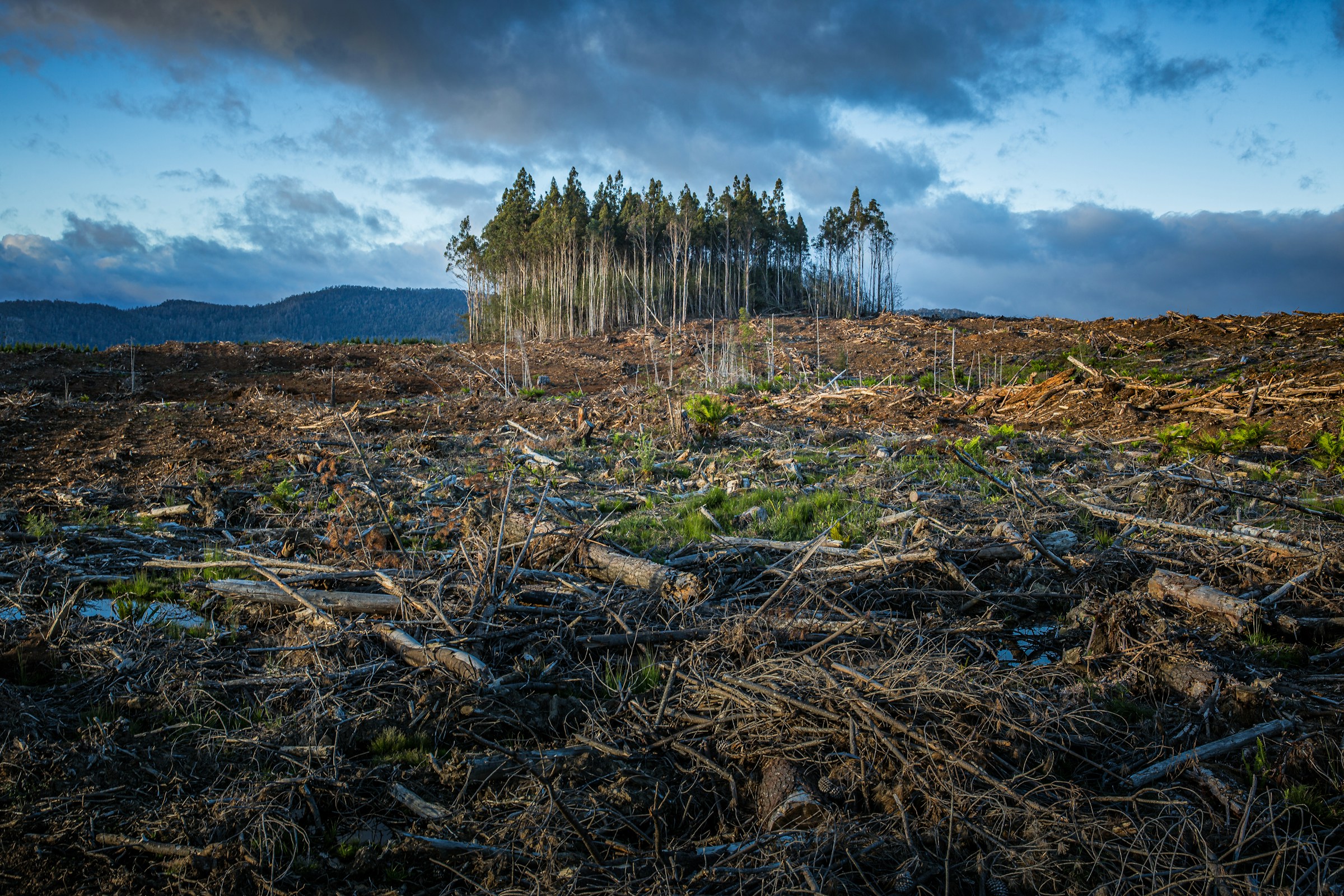
Climate Change and Indigenous Peoples’ Mental Health
The following studies present a synthesis that addresses two primary arguments: first, climate change should be understood as the latest iteration of ongoing settler-colonial violence, and not an isolated environmental crisis; and second, Indigenous knowledge systems are not alternative frameworks, but indispensable and foundational to reimagining the future of people and the planet
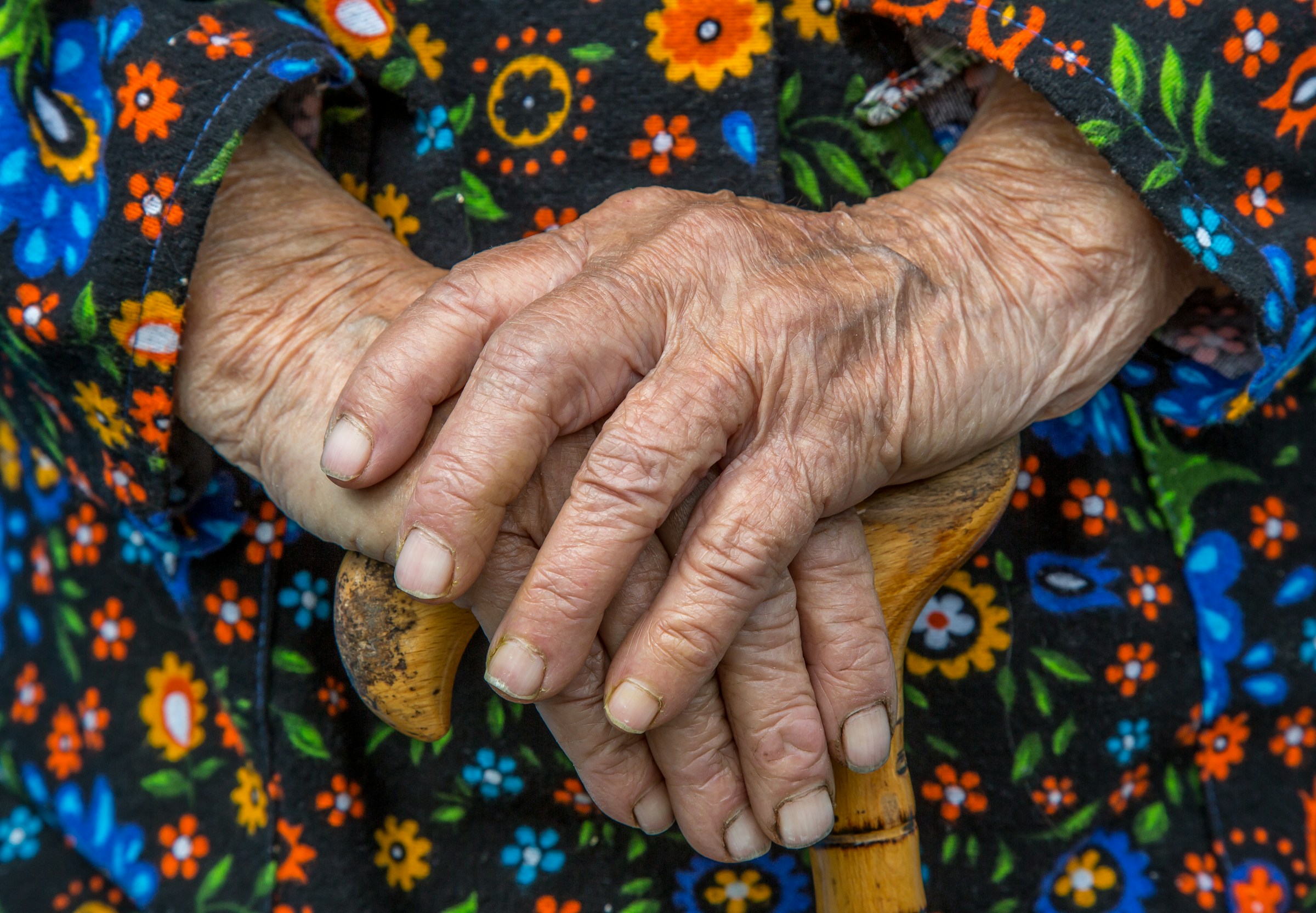
What Indigenous Perspectives Teach Us About Palliative and End-of-Life Care
End-of-life and palliative care for Indigenous peoples are influenced by deep structural inequities and cultural disconnects, reflecting the lasting impacts of colonization and systematic racism. Among First Nations, Inuit, Métis, and Australian Aboriginal communities, there is a strong preference for community-centered, spiritually integrated end-of-life care.
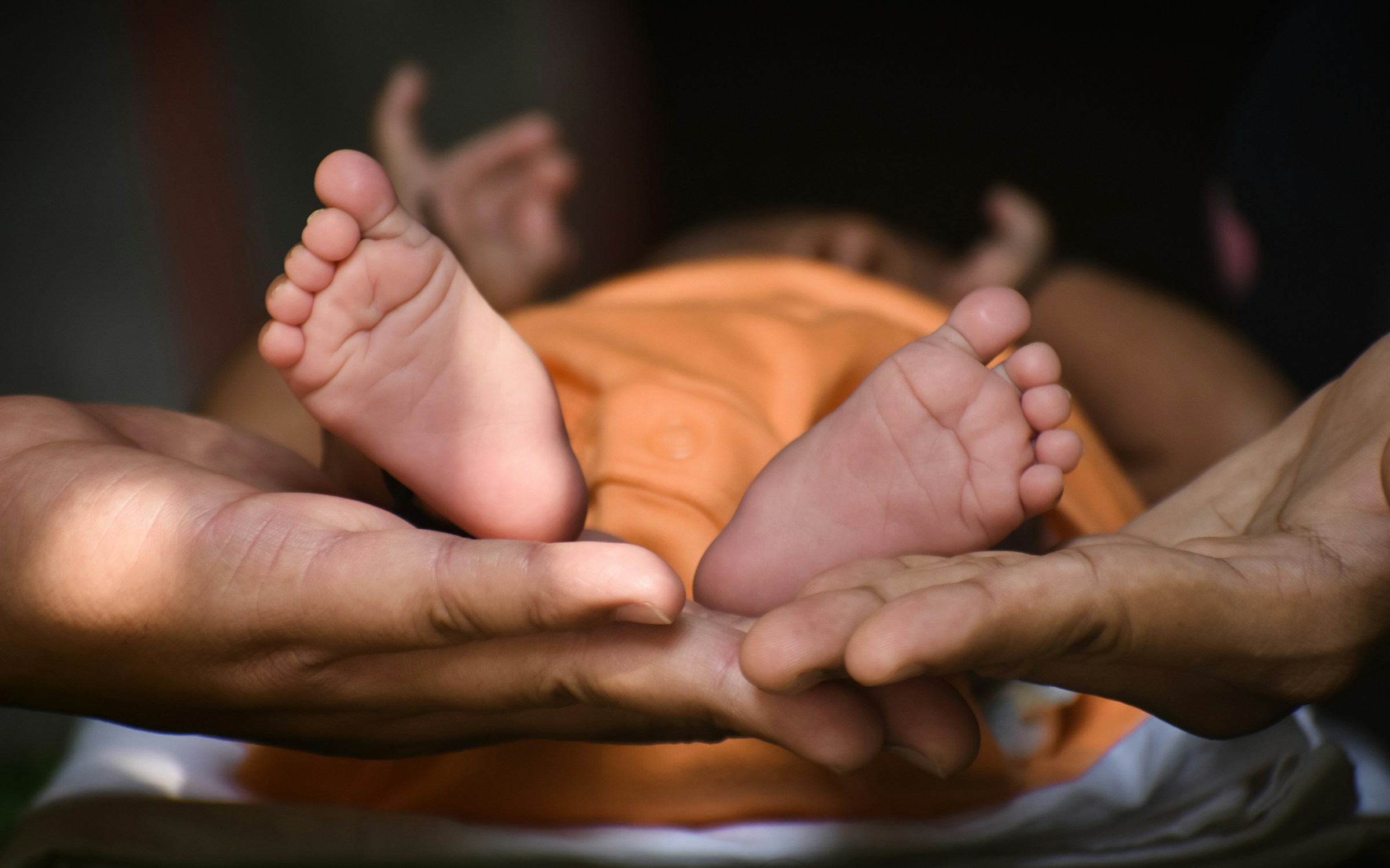
Ceremonial Childbirth in the Americas: Why Access to Traditional Healing Practices is Essential for Culturally Competent Maternity Care
The medicalization of childbirth has widely dismantled traditional healing systems and ceremonial birthing practices. Although Indigenous childbirth has historically been grounded in holistic models of care, contemporary healthcare policies in the Americas have contributed to poor healthcare outcomes for Indigenous women and perpetuated the marginalization of Indigenous midwives and community-based healing systems.
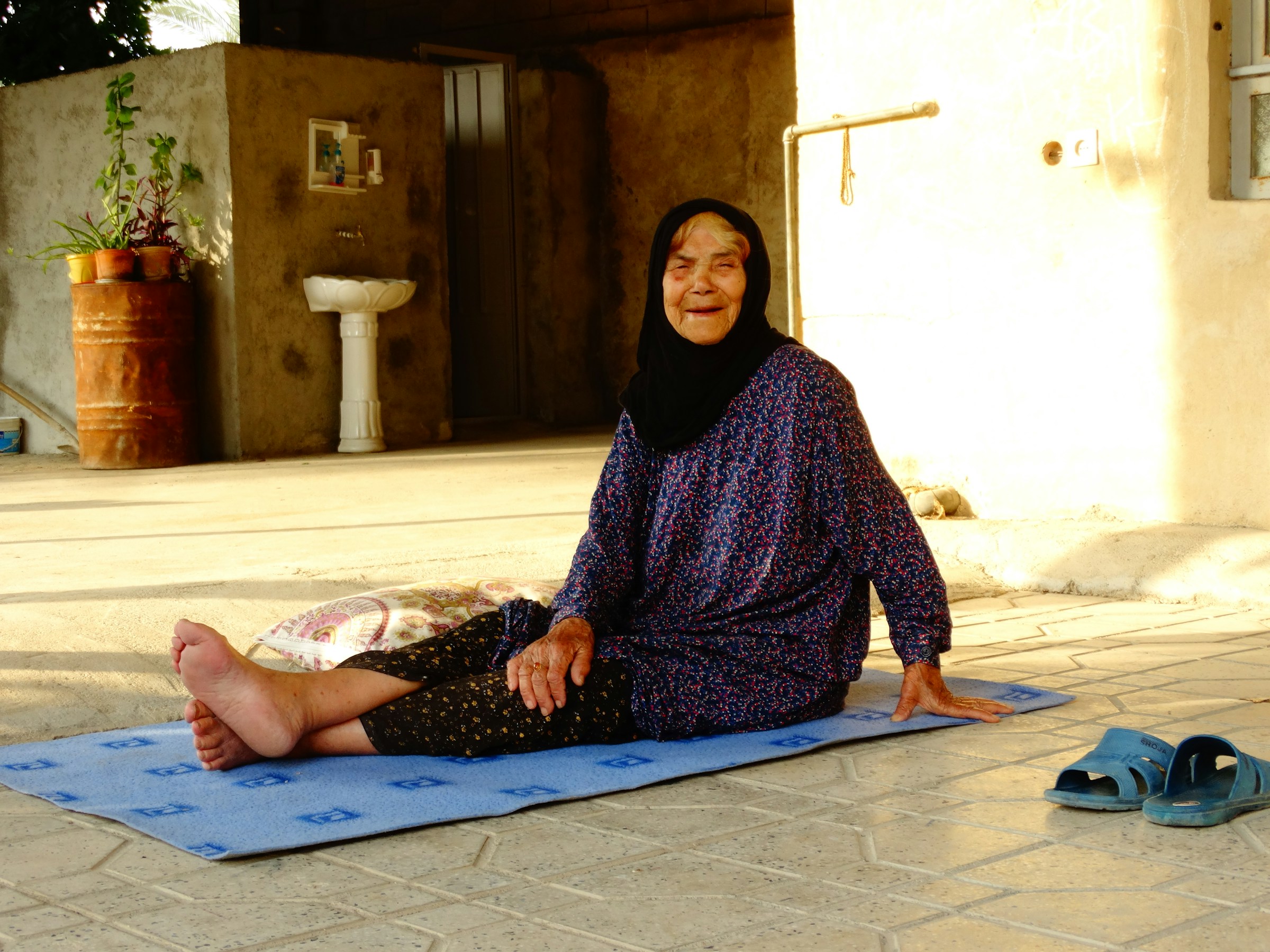
The Role of Yoga in Cognitive Health in Older Adults: Opportunities for Inclusive Integrative Care
Yoga is a spiritual discipline originating in ancient India, rooted in the connection between the mind, body, and spirit. This practice includes physical postures (āsanas), meditation (dhyana), and breathwork (pranayama), providing a feasible and safe modality for mental and physical focus in aging communities.
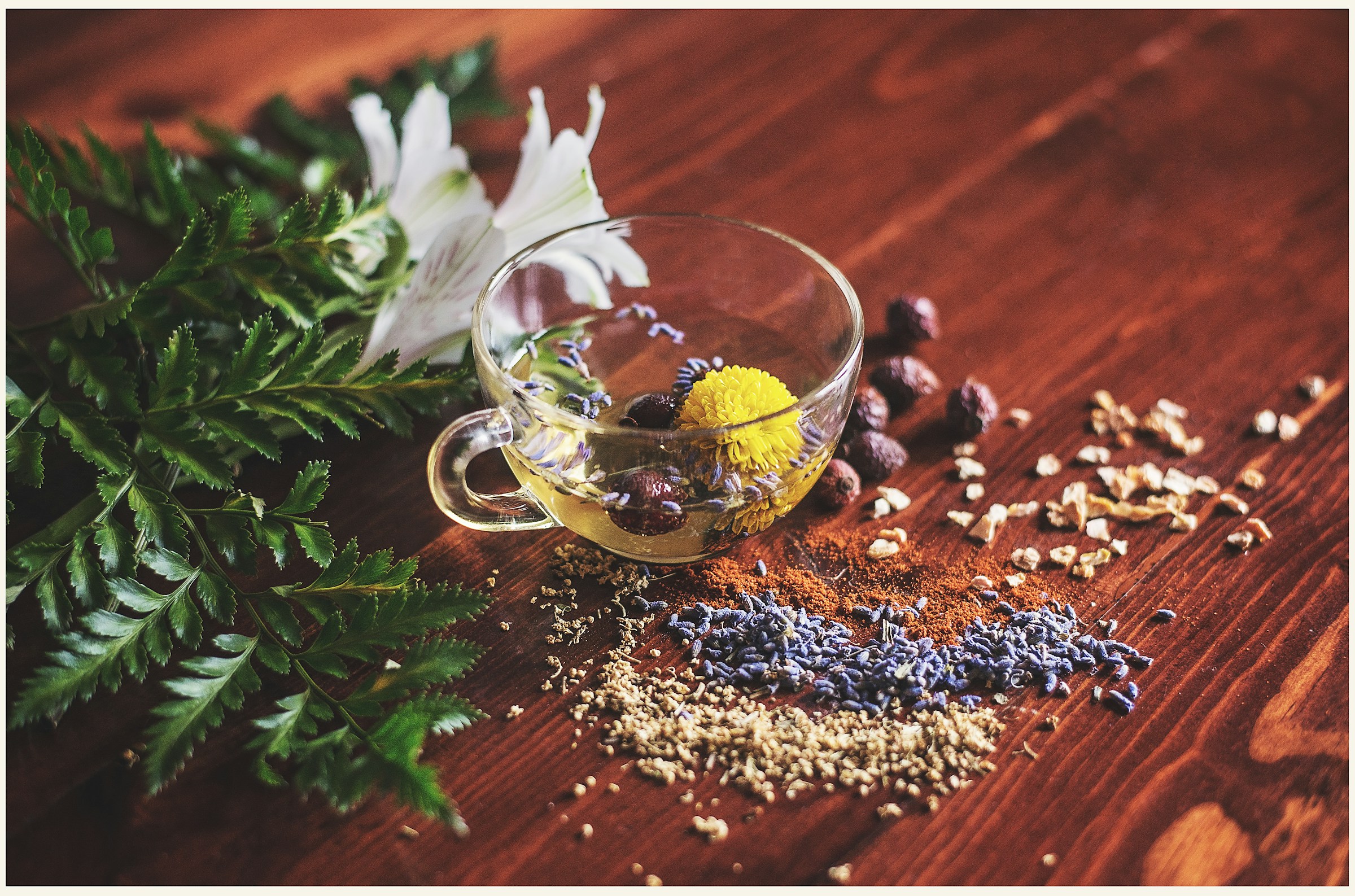
Herbal Medicine for Obesity Management: A Global Review of Five Traditional Medical Systems
Herbal medicine uses plants to prevent disease, treat illness, and maintain health. It developed over centuries through cultural exchange, philosophy, and experimentation with native plants.
Welcome to the CTM Research Library
Across cultures, healing has always been more than treating symptoms. It is rooted in relationships to the body, the land, the community, and ancestral knowledge. This understanding of health as relational is central to Indigenous knowledge systems, where well-being is shaped by connection, balance, and context.
Conventional biomedical scientific research is increasingly engaging with Indigenous sciences and ways of knowing by integrating language and methods that traditional systems have long employed.
This library combines conventional science and Indigenous sciences, highlighting Indigenous practices, integrative approaches to healing, traditional medicine in its many forms, and community perspectives often overlooked in mainstream research.
Why Research Matters
Research can help you better understand how different healing approaches work, when they may be helpful, and how to use them safely and respectfully. We also critique poorly conducted research and identify high-quality research and its implications for well-being.
As you explore your own health, research offers context and clarity. For practitioners, it can support more thoughtful and informed care. For your community, it can help protect, recognize, and carry forward knowledge that is often overlooked or undervalued.
This approach also means recognizing that not all knowledge fits neatly into research studies. Some forms of healing are lived, practiced, and passed down through generations. As you move forward, remember that this library holds space for both what can be measured and what must be experienced.
A Few Questions to Keep in Mind
Not all research asks the same questions, and not all questions reflect the realities of the communities they are meant to serve.
As you explore this library, we invite you to consider:
- What kinds of knowledge are being studied?
- Whose voices are included—and whose are missing?
- How does a relational understanding of health change the way we interpret findings?
- What relationships to the land and culture are visible, and which are not named?
- What cannot be easily measured, but still matters in healing?
- Who benefits from this research?
By reflecting on these questions, you can begin to see research as part of a broader conversation about how we understand healing in our lives.
Knowledge Beyond Time
You may notice that the library includes both contemporary research and enduring knowledge, recognizing that healing practices evolve while remaining deeply rooted in tradition.
In many academic spaces, only the most recent studies are considered valuable. But traditional medicine does not follow the same timeline. It is built on generations of observation, experience, and relationships. Older knowledge is foundational.
Our Aim
This space is here to support learning, reflection, and connection.
Whether you are a practitioner, student, or simply curious, we hope this library helps you engage with diverse understandings of health that honor relationality, culture, community, and the many forms healing can take.