
The Ancient Sacred Medicine of Ayahuasca
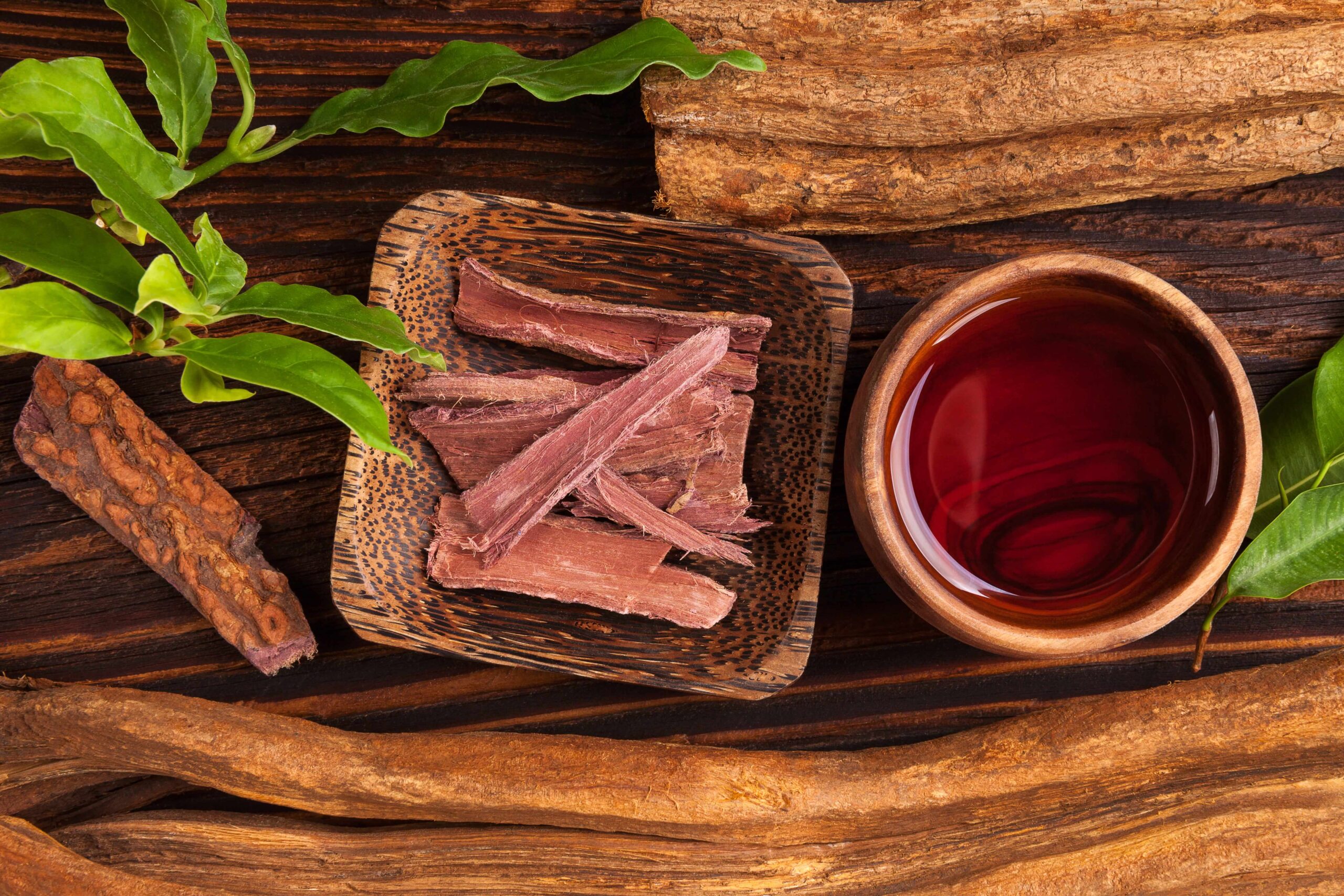
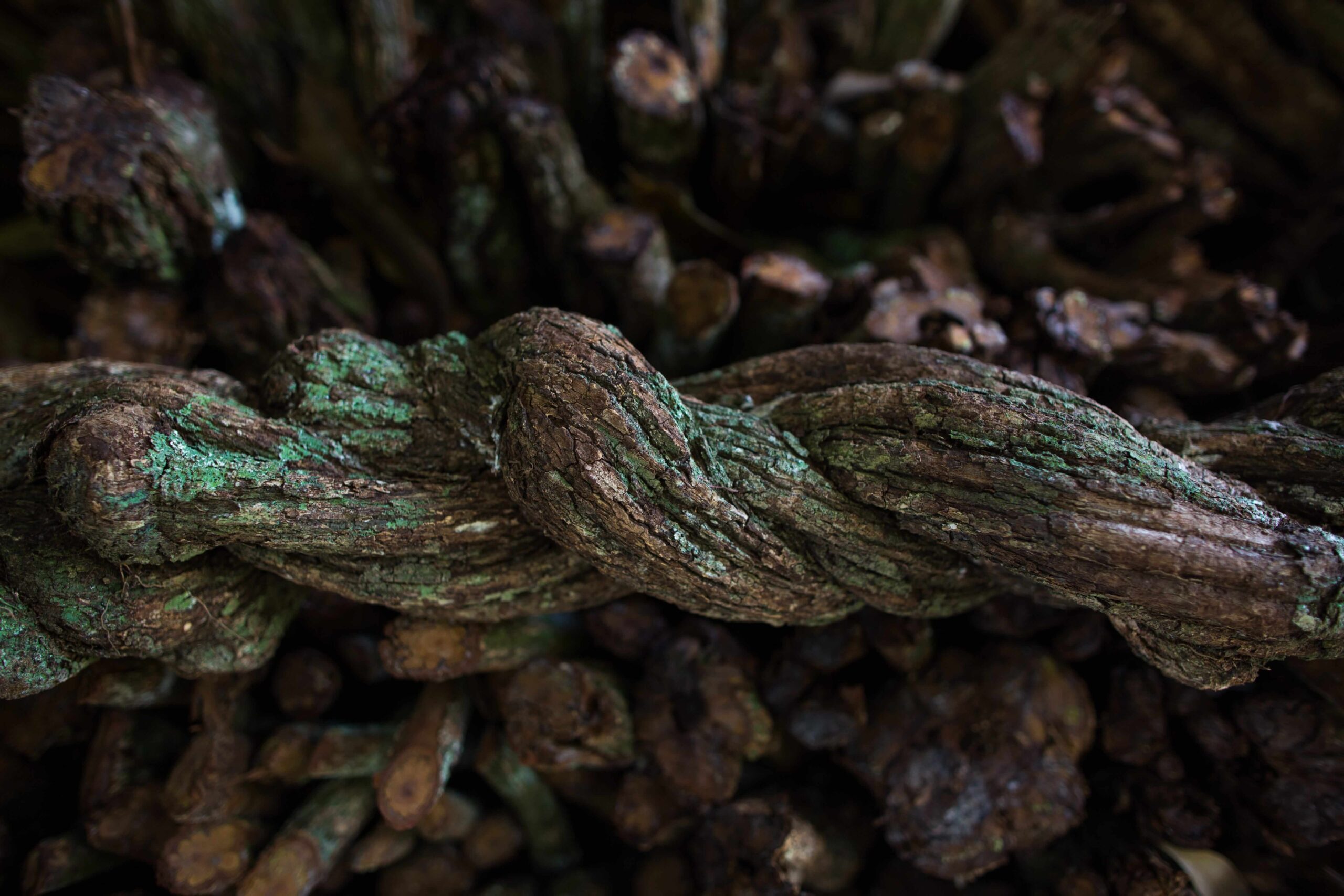
Ayahuasca—meaning “vine of the souls” (aya = spirit, waska = vine) in Quichua/Quechua—has long been used by Indigenous groups in healing and spiritual rituals. It is a psychedelic brew made from the Banisteriopsis caapi vine (rich in beta-carbolines) combined with psychotropic plants such as Psychotria viridis, P. carthagenensis, or B. rusbyana (Hamill et al., 2019; Luna, 2011; Spinella, 2001). DMT normally isn’t active when taken orally because MAO enzymes break it down, but the beta-carbolines in B. caapi act as MAO inhibitors, allowing DMT to become orally active (McKenna et al., 1984). These ingredients are traditionally boiled for hours or days, producing a robustly flavored dark liquid (Palhano-Fontes et al., 2022). The term “ayahuasca” refers to both the beverage and the vine itself (Luna, 2011; McKenna, 2007), and it is also known regionally as yaje, yagé, hoasca, and caapi. Several Brazilian ayahuasca-using religious groups have their own names for the brew: members of Santo Daime call it Daime, and the church União do Vegetal calls it hoasca and uses it as the Eucharist (Ott, 1995; Panneck, 2010).
Historical Uses and Traditional Practices
The most abundant sources of DMT-containing plants are in South America, where indigenous peoples have used DMT in brews and snuffs to elicit visionary or shamanic experiences since precolonial times (Strassman, 2001). The use of ayahuasca goes back many centuries in South America, where indigenous tribes in the Upper Amazon, the Orinoco Basin, Colombia, and Ecuador have used it for spiritual-religious and medicinal purposes. Its use spread to Peru, where it is used for healing (Luna, 2011).
Winkleman (2007) suggests that the use of ayahuasca in Amazonia in collective rituals helps mediate two worldviews: the indigenous and the European (colonizer), with the ritual symbolizing a syncretic approach to acculturation.
Therapeutic Potential
Preclinical research (studies in cells and animals) shows several promising therapeutic effects. β-carbolines like harmine and harmaline have demonstrated antidepressant-like properties, increased levels of BDNF (a protein essential for brain plasticity), and even stimulated the growth of new neurons. DMT has shown antidepressant-like effects, helped animals “unlearn” traumatic responses (a process relevant to PTSD), and promoted neuroplasticity by increasing new neuronal growth and strengthening brain connections. Both DMT and ayahuasca have also shown anti-inflammatory and neuroprotective effects in models of stroke and Alzheimer’s disease, suggesting broad potential benefits for brain health (Dos Santos & Hallak, 2024).
Human studies, though still limited and small in scale, show similarly encouraging results. A few clinical trials have found that a single dose of ayahuasca significantly reduced depressive symptoms in people with treatment-resistant depression, with effects lasting up to a week or more.
One double blind, placebo-controlled study on the use of ayahuasca demonstrated that panic and hopelessness were reduced during ayahuasca’s acute effects, while state or trait anxiety was unaffected (Santos, Landeira-Fernandez, Strassman, Motta, & Cruz, 2007).
Other studies reported improved confidence during stressful tasks (such as public speaking for people with social anxiety) and small reductions in alcohol use. Ayahuasca was generally well tolerated, with nausea and vomiting as the most common side effects. More research is underway, but current evidence suggests that ayahuasca’s combination of emotional, neurological, and anti-inflammatory effects may offer meaningful therapeutic potential (Dos Santos & Hallak, 2024).
Safety, Contraindications, and Research Findings
Using cannabis with ayahuasca is not advised for people predisposed to psychotic symptoms, as it may produce negative reactions, including heart problems, anxiety, and psychotic episodes (Dos Santos, 2011).
Harmala alkaloids are contraindicated with the use of SSRIs and during pregnancy (Spinella, 2001).
Studies suggest no negative effects from long-term usage of ayahuasca. One study identified physical and psychological improvement as compared with a control group (Mabit, 2007), and another study using the Addiction Severity Index with active users found no deleterious psychosocial effects such as those typically caused by other drugs of abuse (Fábregas et al., 2010).
Legal Status
Ayahuasca’s legal status in the United States is often changing. The plants used to make the brew are generally not regulated, but the main psychoactive component, N,N-DMT, is a Schedule I controlled substance. Certain ayahuasca-based religious groups, the Santo Daime Church and UDV, were recently approved by U.S. Courts for the legal use of ayahuasca in their ceremonies (Erowid, 2011).
Limitations and Concerns for Future Research
Although recent evidence suggests that ayahuasca presents promising treatment options for substance use disorders, exhibiting favorable safety profiles, tolerability, and efficacy, the current body of research is limited by the lack of larger, controlled studies that incorporate multiple dosing regimens and extended follow-up periods. Most existing studies feature small sample sizes and rely on single-dose administrations with short-term follow-up, which constrains the ability to draw definitive conclusions regarding the long-term therapeutic benefits of ayahuasca. Importantly, any future work must adhere to traditional medicine protocols centered on community stewardship, wherein Indigenous peoples lead all decisions, guided by consent, authority, and shared benefits throughout the process (Dos Santos & Hallak, 2024).
Additionally, Biopiracy remains a significant concern in the area of psychedelic research and the development of pharmaceuticals. It involves the appropriation of Indigenous knowledge and biological resources without equitable compensation. These matters pose ethical concerns and complicate the therapeutic advancement and application. For example, in 1957, a Life magazine article on magic mushrooms led chemist Albert Hofmann to rapidly isolate psilocybin and psilocin and swiftly patent the extraction process, marketing it as Indocybin. To date, there has been no formal agreement or compensatory arrangement established between the Indigenous populations of Mexico. Decolonizing Western methodologies and colonial extraction mechanisms is essential for understanding the epistemological implications of Indigenous knowledge systems. This approach must also address the political consequences and social perceptions associated with the exoticization of these systems.







Leave a Comment