

People in all cultures and religions experience grief. The way these feelings are experienced and expressed is multifaceted. Each culture and religion has its own customary mourning rituals and practices that influence the expression of grief. The familiarity of carrying out these rituals and customs can offer a sense of stability and security during times of chaos and loss. In this post, we explore how grief and mourning are expressed across cultures and religions, and we share a reflective practice that you may choose to use to honor loss in your own lives.
Personal Responses to Grief
Individuals often adapt their cultural and religious values to meet their current needs. As a result, responses to grief within a culture or religion vary from person to person—especially in societies composed of people from diverse cultural and religious backgrounds. At times, this can lead to a person’s experience of grief being at odds with cultural or religious expectations. It is important, therefore, to allow people to mourn in ways that feel most natural, given their current experience and cultural context.
To illustrate how people within any given culture or religion may process grief differently, Susan A. Berger, a scholar of grief and bereavement, offers the following typology:
- Nomads: those who have not yet resolved their grief and may not fully understand how their loss has affected their lives
- Memorialists: those who are committed to preserving the memory of loved ones by creating concrete memorials and rituals
- Normalizers: those who are committed to re-creating a sense of family and community
- Activists: those who focus on helping others who are dealing with the same disease or circumstances that caused their loved one’s death
- Seekers: those who adopt religious, philosophical, or spiritual beliefs to create meaning in their lives
Berger emphasizes that a person’s worldview can change dramatically after a particular loss—leading to shifts in their sense of mortality, values and priorities, and the way they experience their place in society. The five ways of grieving reflect the choices people make as they adapt to profound life changes.
Questions to Explore Related to Lineage, Memory, and Ritual
- How did your family of origin mourn and grieve loss and death?
- How do you practice those rituals today in your life?
- Are there rituals from other cultures you have observed that you would like to practice?
Grief and Mourning Practices Across Religions and Cultures
- Ojibwe (American Indian): Mourning ceremonies that include singing and the burning of sacred medicines are extremely important. It is believed that a death takes something from the community, and ritual helps restore balance after that loss.
- Muslim: Widows are expected to observe a longer mourning period, generally four months and ten days. Crying and weeping at the time of death, during the funeral, and at burial are accepted forms of expression.
- Irish: Mourning often includes a wake, where extended family and community gather to support one another through remembrance, storytelling, and shared presence. The deceased is fondly remembered and honored collectively.
- Tibetan Buddhist: A ceremony is often held on the 49th day after death to support the deceased’s transition and rebirth, helping guide consciousness toward liberation rather than continued suffering.
- Mormon: In some families, grief may be expressed through increased responsibility and service, particularly around providing for family needs during times of loss.
- African American: “Homegoing” celebrations frame death as a return to God and eternal life. These gatherings often include music, prayer, storytelling, and communal affirmation.
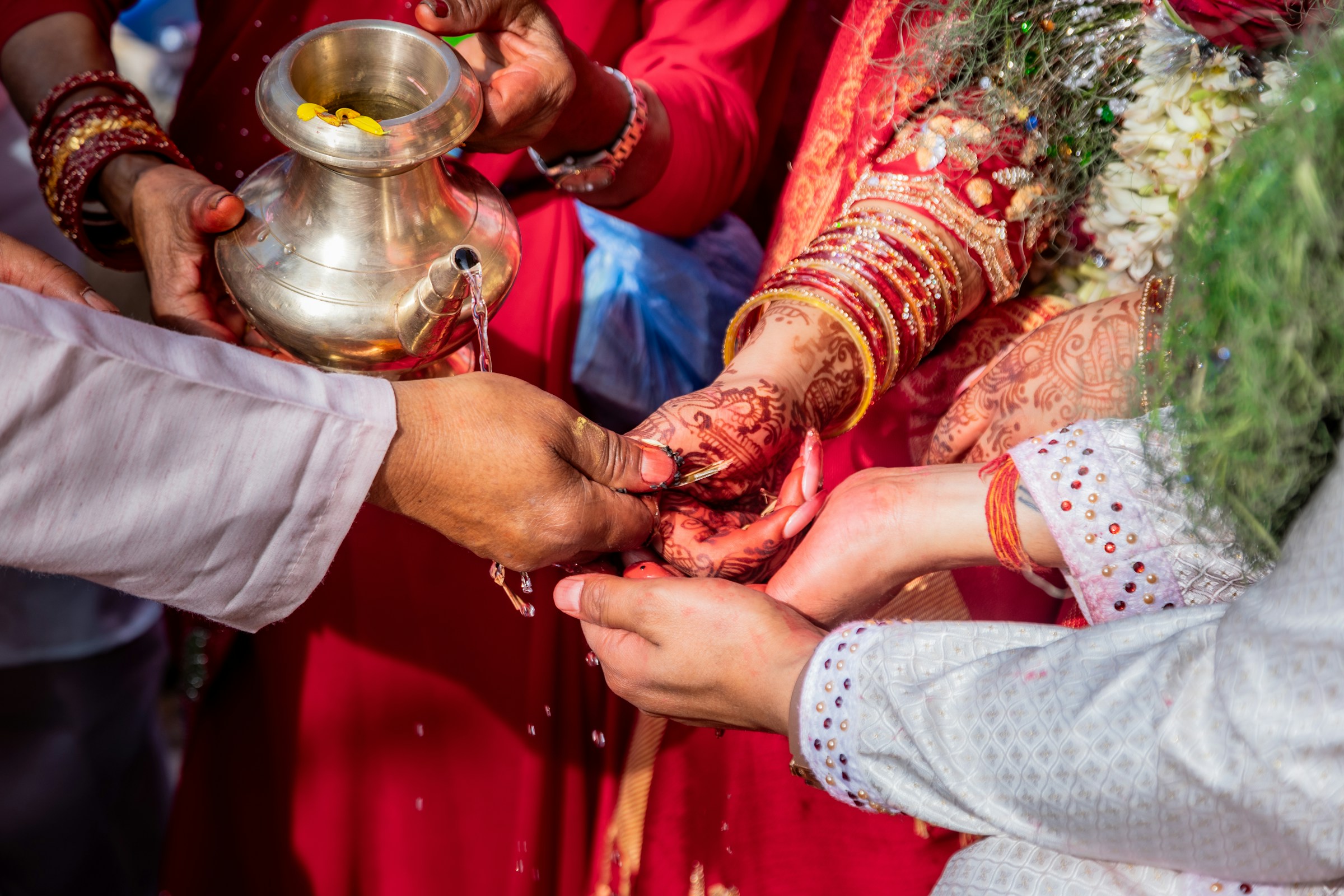
- Hindu: The body of the deceased is bathed, anointed with oils, dressed in clean clothing, and cremated—traditionally before the next sunrise—to support the soul’s transition.
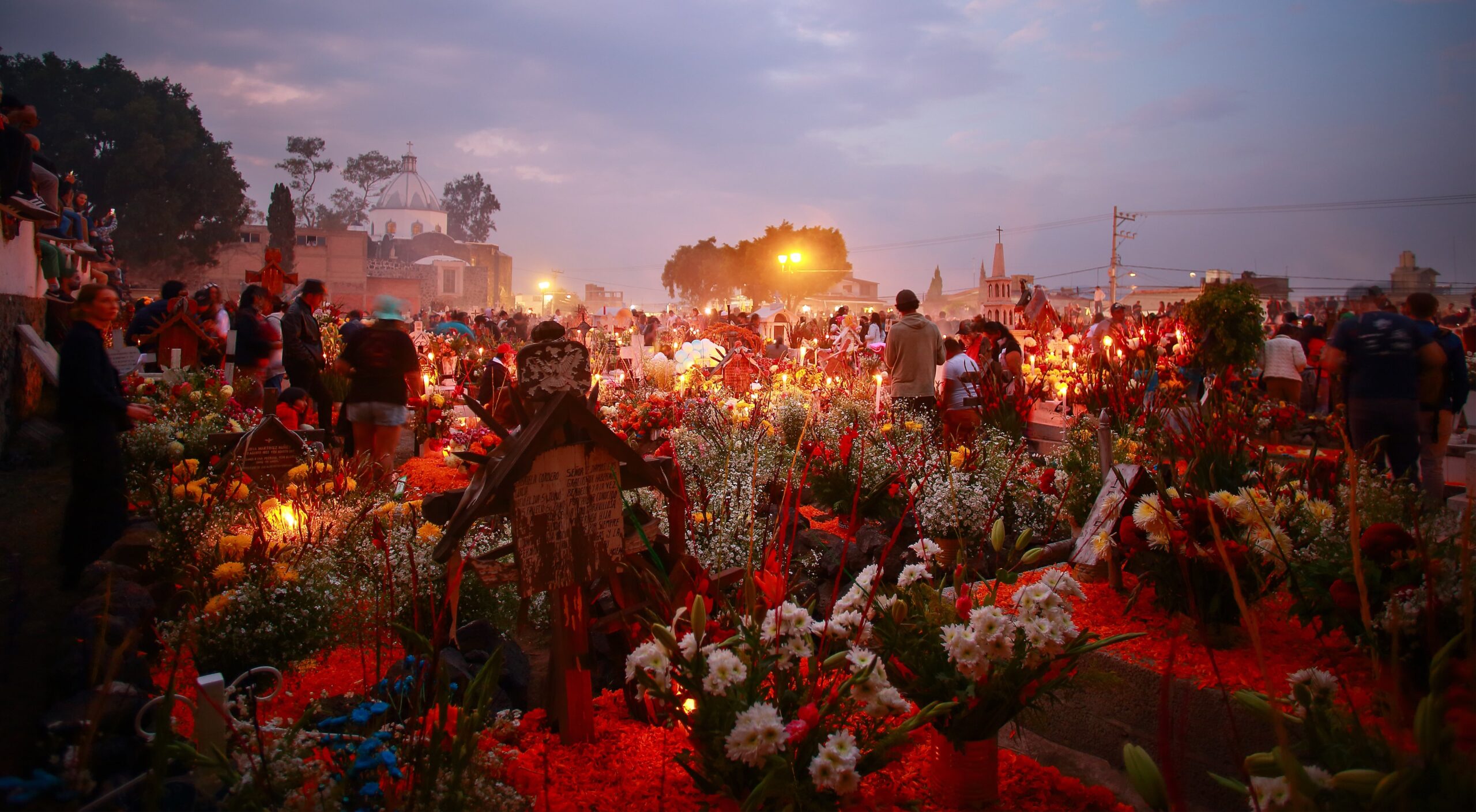
- Mexican: Death is honored through Día de los Muertos, a multi-day remembrance during which families create ofrendas (altars) with photographs, food, candles, flowers, and personal items. Rather than focusing solely on loss, the ritual emphasizes remembrance, ongoing connection, and the presence of the dead among the living.
Ritual Honoring the Loss of a Human or Animal Companion
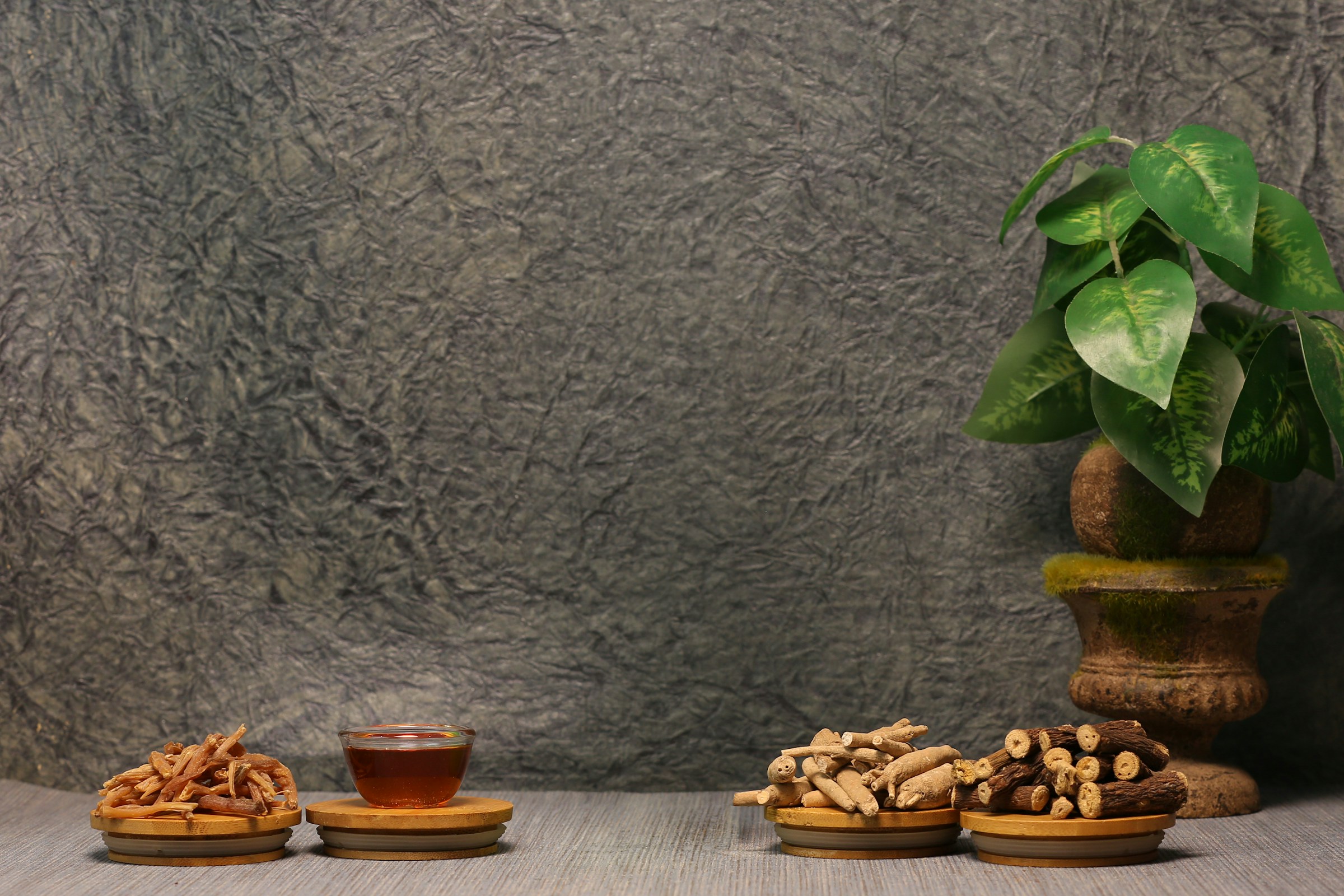
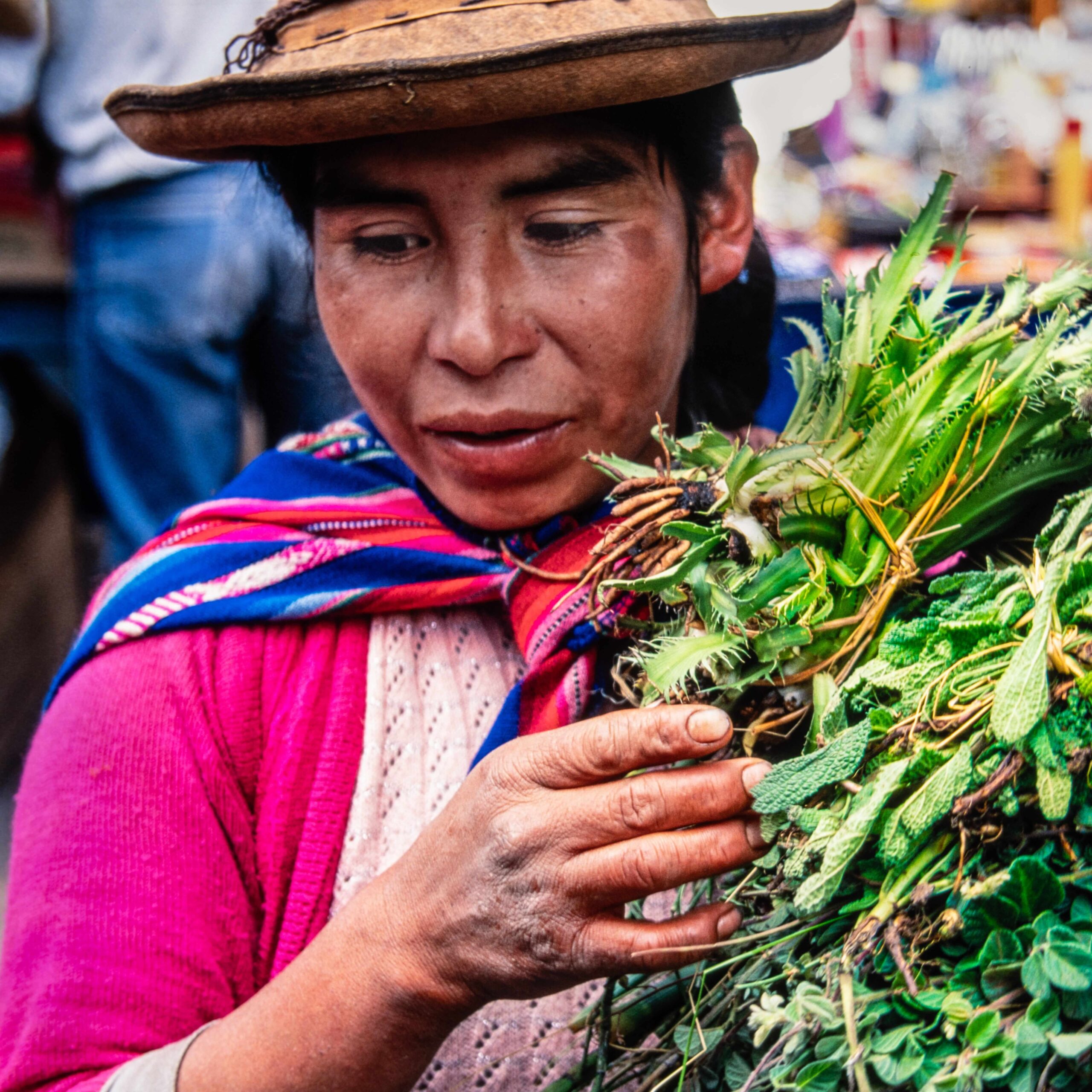
Herbal remedies, like rosemary, play a meaningful role in these practices. Long associated with friendship and memory, rosemary is believed to guide the departed on their journey, support those grieving, and help honor and celebrate the life of loved ones.
Creating an ofrenda, or altar, for a loved one can be a meaningful way to honor their memory for a month-long period. First, one should identify a suitable place in the home to set up this special altar. Next, gather bunches of rosemary, either sourced from the garden, friends, or a store. These bunches can be tied together at the end and hung upside down near the doorways of the home to dry.
It’s important to include items that signify the four elements of nature: fire, air, water, and earth. Any objects that hold personal significance can be used; there’s no right or wrong choice. For the fire element, options like a candle, incense, ashes, or hot spices can be effective. The air element is often represented by the colors blue, yellow, and white, along with wooden items, so choosing any wooden objects in these colors may be fitting. Water can be represented by a bowl of water or a photograph of a favorite body of water. For the earth element, consider incorporating items from the earth, such as dirt, a root, a gem, or an object made from clay. Surrounding the altar with these elements helps it to be embraced by the forces of nature. Family members and friends who wish to participate can get involved, with younger ones creating art or items to contribute to the ofrenda. Collecting photographs that span from the earliest memories to the last days of the loved one adds a personal touch.
As family and friends come together to celebrate, they enter the home and remove their shoes. Participants can join in pairs, with each pair taking a bunch of rosemary. One person holds the rosemary while the other uses a light cotton string to wrap it several times along the length of the bunch, transforming it into a tightly wound wand.
While wrapping the string, the pair looks each other in the eyes and recites: “The circle of life goes round and round, the circle of life goes round and round. We celebrate the life of [Name]. The circle of life goes round and round.”
Once everyone has completed their wands, they gather in a circle. One person lights their wand at the tip until the rosemary begins to smoke, and then they weave in and out of the circle, bathing each member in smoke. Once they return to their starting point, they hand the wand to their partner, who does the same. This process continues until each person in the circle has had the opportunity to weave in and out while holding their wand.
Following this circle, individuals may add small meaningful items to the ofrenda basket. Then, everyone gathers around the table to enjoy the favorite foods of the loved one while sharing stories and photographs. As guests depart, they can leave their wand at the altar and exchange it for another person’s wand a month later, symbolizing the enduring connections with one another and with the loved one who has journeyed on.
Caution should be taken if this ceremony is performed indoors; good ventilation is essential, and individuals with respiratory issues might prefer to participate from a distance.
Sources
Beavert, V. R. (2017). The gift of knowledge / Ttnúwit Átawish Nch’inch’imamí: Reflections on Sahaptin ways (Bilingual ed.). University of Washington Press.
Korn, L. (2015). Multicultural counseling workbook: Exercises, worksheets & games to build rapport with diverse clients (Workbook ed.). PESI Publishing & Media.







Leave a Comment