

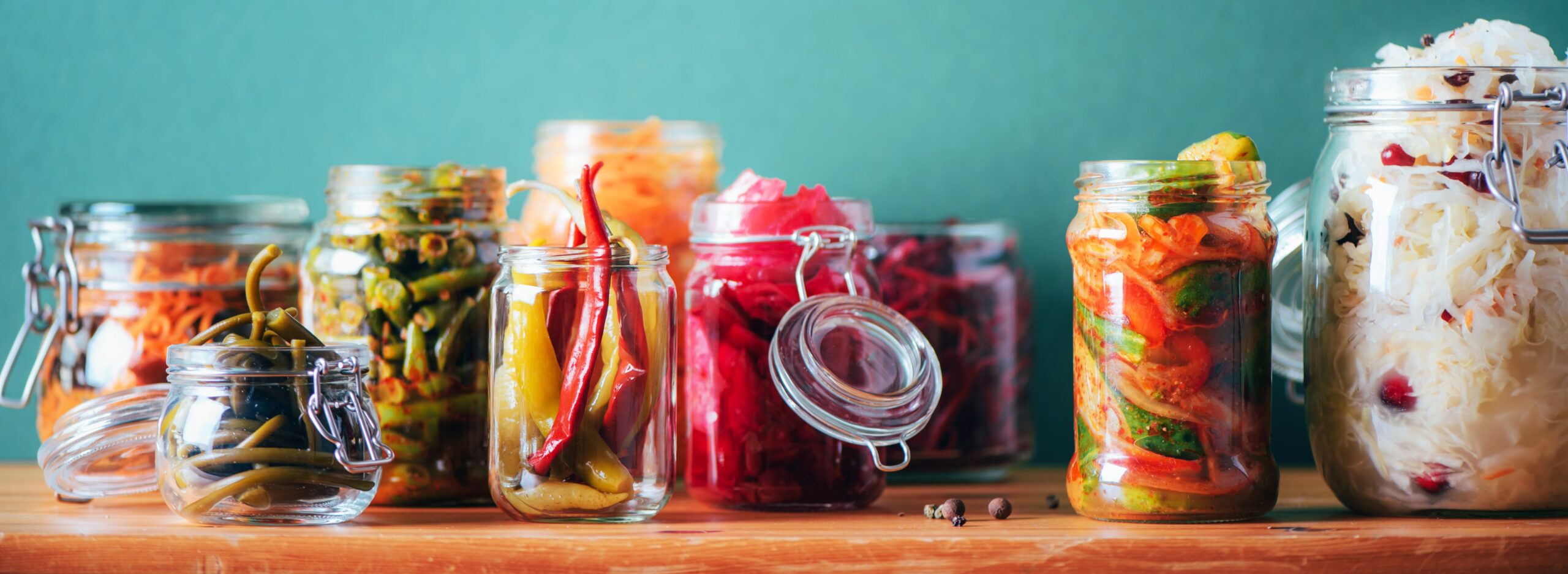
Fermentation is used to preserve food, improve digestibility, and support the absorption of food. It breaks down plant materials to their more basic constituents and creates new compounds, including enzymes, organic acids, and antioxidants.
Fermentation supports our gut, or “second brain,” the garden of our body where our bacteria flourish to promote our digestion and co-create mood chemicals for our first, or primary, brain. Our mood and focus are so dependent on a well-functioning gut and a lively garden of bacteria that these fermented products are now called “Psychobiotics.”
For centuries, the traditional medicine systems of Ayurveda, African, Chinese, Unani, and Siddha have harnessed the transformative powers of fermentation to enhance the efficacy and safety of herbal preparations. The well-established process involves breaking down plant compounds through microbial action to increase bioavailability, reduce toxicity, and enhance therapeutic properties. This technique yields more potent herbal remedies, also making them more accessible for healing.
Although studies also suggest advocating standardization and integrating modern technology to enable large-scale production. This risks undermining decades of knowledge by limiting the flexibility of traditional practitioners, who often account for seasonal changes and local ecology. Additionally, the risks of appropriation and biopiracy can raise ethical, legal, and cultural concerns, not to mention the marginalization of traditional knowledge keepers whose methods may suddenly be scrutinized as invalid.
Did you know? Traditional fermentation methods often outperform modern commercial techniques. For example, berberine from Berberis aristata is transformed more effectively through traditional methods, enhancing therapeutic effects that commercial yeast cannot replicate (Naveen et al., 2015).
These findings emphasize the importance of consulting traditional healers, who possess a deep understanding of natural processes, local resources, and ecological knowledge, reinforcing the cultural significance of fermentation practices that respect traditional healers’ methods when developing scientifically validated methods. It is crucial to obtain informed, prior consent for accessing Indigenous ecological knowledge and practices during consultations to prevent biopiracy and ensure that benefits and decisions reflect the entire community’s input.
Research Evidence from Traditional Fermentation Practices
Fermented foods are culturally significant and passed down through generations. Some examples:
- China: BY3 fermentation broth reduces pathogenic bacteria and supports immunity with compounds like oleanolic acid, quercetin, and palmitoleic acid (Chen et al., 2024)
- Polygonatum polysaccharides: Produce short-chain fatty acids, promoting healthy gut microbiota (Hu et al., 2024)
- Phellinus igniarius: Fermentation yields polysaccharides with antioxidant and blood sugar–regulating effects (Dong et al., 2024)
- Chenpi polysaccharides: Boost beneficial gut bacteria and short-chain fatty acid production (Liu et al., 2025)
- Himalayan communities rely on fermented foods to preserve nutrients, aid digestion, and survive high-altitude stresses (Majumder & Bhattacharya, 2024)
- Rosa rugosa ‘Mohong’ fermentation enhances antioxidant and anti-inflammatory effects (Abla et al., 2024)
- African Indigenous vegetable fermentation improves food safety, nutrition, and economic opportunities (Lys, 2025)
Fermented Foods and Probiotics
Probiotics are beneficial live microorganisms that colonize the intestines, maintaining a balance of the beneficial gut microbiota (bacteria). There are 400–500 different kinds of healthy microbiota that inhabit the gut. They promote a healthy digestive system; prevent infections, diarrhea, and inflammation; and improve immune health. They also produce nutrients, such as vitamin K, B vitamins, some short-chain fatty acids like lactic acid, and folate. Preliminary research on the oral administration of GABA derived from Lactobacillus hilgardii fermentation has been shown to reduce anxiety.
Probiotics are also called “psychobiotics,” referring to “a live organism that, when ingested in adequate amounts, produces a health benefit in patients suffering from psychiatric illness”. These bacteria produce both GABA and serotonin and have been shown to reduce stress and decrease anxiety. Maintaining healthy bacterial levels in the gut supports NT activity in brain health. Early-life stress sensitizes specific gut microbiota to later life stress exposure. One study showed that lactobacillus, found in the traditional Korean food kimchi, increased hippocampal brain-derived neurotrophic factor (BDNF), a protein in the brain involved with neuronal survival.
Varieties of Probiotics
- Lactobacillus acidophilus: Found in yogurt, kefir, kimchi, kombucha, and dietary supplements.
- Lactobacillus casei: Present in yogurt, kefir, naturally aged cheeses, and milk.
- Lactobacillus bulgaricus: Converts lactose into lactic acid, found in Swiss cheese and yogurt.
- Streptococcus thermophilus: Found in fermented milk and cheese, it promotes nutrient growth.
- Bifidobacteria: Produce short-chain fatty acids, help prevent gastrointestinal disorders. They are found in yogurt, cheese, and fermented soy products. Probiotic supplements should be taken with food.
There are so many ways to ferment herbs, plants, fruits, and vegetables and if we study the world’s cultures (pun intended!), we discover that every community ferments some food in order to stay healthy. Try this herbal tepache recipe for starters.
It’s a great way to put the skin and core of the pineapple to work after you eat the fruit. A tepache can be served as a fermented beverage or used as a base for other recipes, like salad dressings, in which you can use it in place of vinegar.
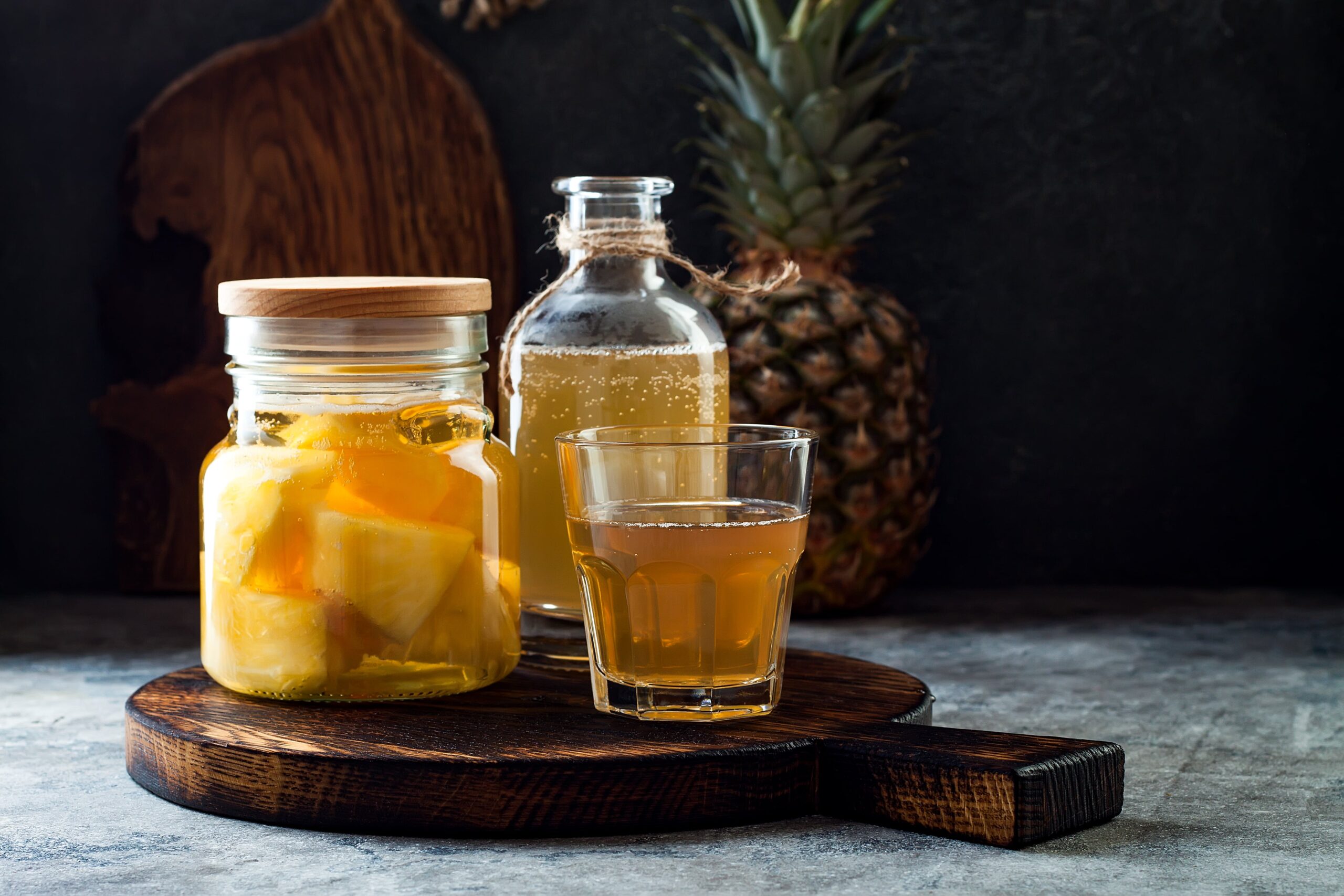
Pineapple Herbal Tepache
MAKES 2 CUPS
- Skin and core of one pineapple
- 2 cups filtered water
- 3 thumbs fresh ginger, unpeeled
- 7 thumbs of fresh turmeric root or
- 2 tablespoons dried powdered
- root, unpeeled
- 2 tablespoons raw local honey
- 1 tablespoon ground cayenne
- Pepper
Instructions
- In a blender or food processor, combine the pineapple skin, water, ginger, turmeric, honey, and cayenne and blend until mostly juiced, if a little pulpy.
- Chop the core of the pineapple and combine with the juiced ingredients in a large glass pitcher.
- Cover the mixture with a clean dishcloth secured with a rubber band to allow fermentation gases to be released.
- Allow the pitcher to rest on the counter at room temperature for 2 days. After 2 days, skim any accumulated foam off the top of the mixture, re-cover, and allow it to rest for another day (or two, if preferred) of fermentation.
- Finally, strain the mixture through a fine mesh sieve into a clean jar or pitcher, compost the solids, and enjoy your tepache!








Leave a Comment